Updated:
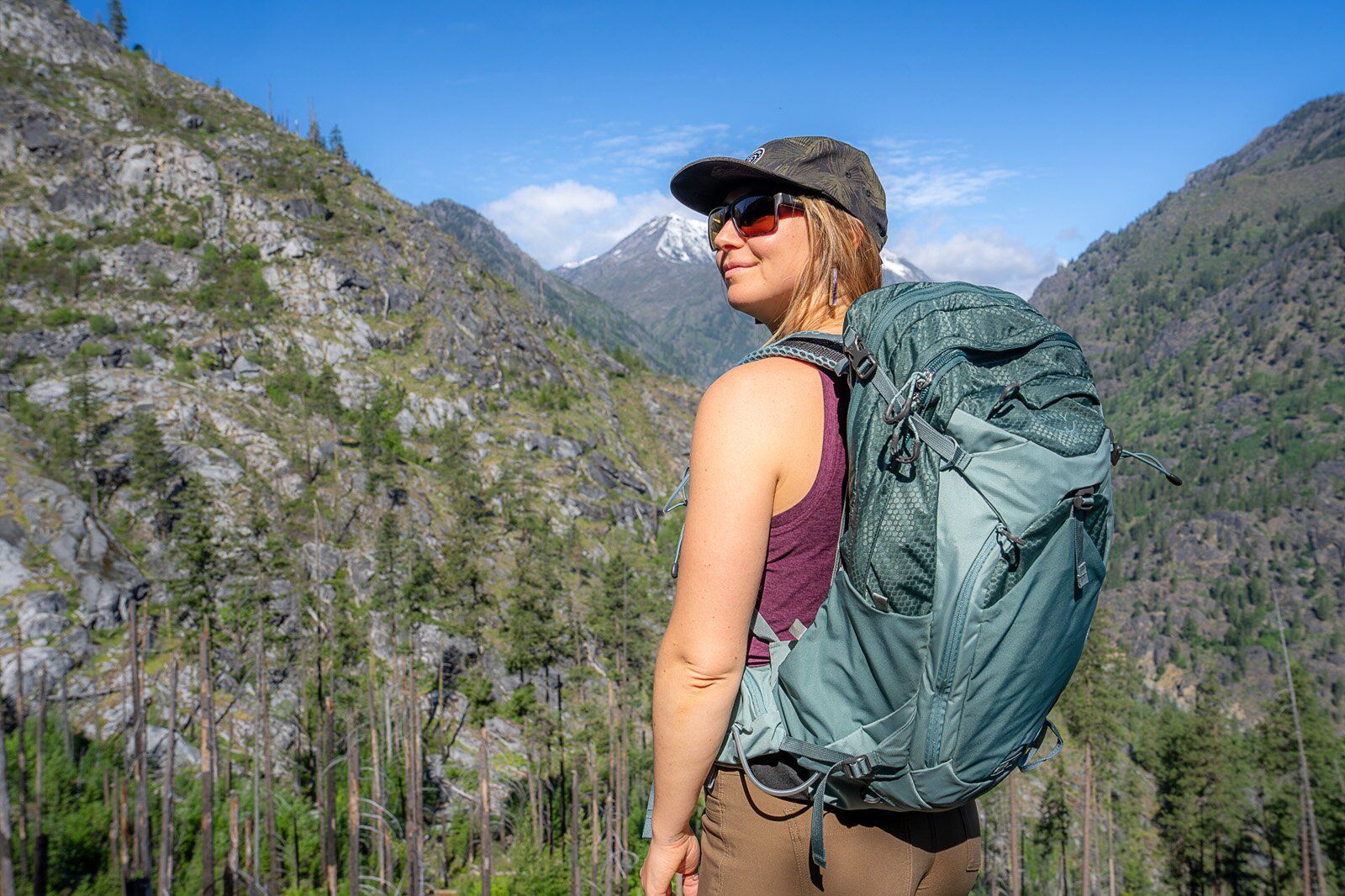
Jul 28, 2025Gregory’s Zulu 24 LT ($170) brings the structure and comfort of a multi-day pack to a day-hiking size. The result is a premium hauler that impressed us nearly across the board. It’s highly comfortable, carries weight exceptionally well, has ample storage, and features a ventilated backpanel that hugs your back. We weren’t sold on the usefulness of the tall front zippered pocket—it’s a recipe for dropping gear accidentally on the trail—but that’s a minor complaint in an otherwise thoughtfully built and highly capable pack.
Comfort & Support
Organization
Weight
Durability
Water Resistance
Sustainability
Weight
2 lb. 4.8 oz.
Capacity
24L (20, 28L)
Hipbelt
Padded
Suspension
Perimeter frame
Pros
Cons
Gregory Zulu 24 LT
Gregory’s Zulu line stretches all the way to 65 liters, and the multi-day pack lineage is clear in the 24 LT’s suspension. At its core is a sturdy metal frame that gives the backpanel reliable structure and load support. Combined with a trampoline-style mesh backpanel, the pack practically hugs your back when you put it on. Just as importantly, the Zulu 24 LT stands out for its weight distribution—unlike many daypacks that rely heavily on the shoulders, this one transfers weight effectively to the hips, making it much more comfortable under load. Both the shoulder straps and hipbelt are outfitted with a medium-thickness, high-quality foam that hits a sweet spot for cushioning without feeling overbuilt.
I’ve loaded the Zulu 24 LT with up to 20 pounds of gear, and it’s handled the weight with ease. Compared back-to-back with the Nemo Resolve or REI Trail 25, the Gregory’s superior weight transfer and close, body-hugging fit are clear advantages. That said, it’s worth asking whether you really need this level of support—if you tend to carry light loads of 15 pounds and under on short hikes, a more basic pack may serve you just fine. But if comfort and load-carrying ability are high on your list, the Zulu 24 LT is one of the most dialed-in daypacks we’ve tested.
The Gregory Zulu 24 LT checks most of the right boxes when it comes to storage for a full day on the trail. The main compartment opens with a large U-shaped zipper, making it easy to see and access gear—even items stuffed deep at the bottom. Inside, there’s a hydration sleeve with both a plastic clip and a fabric loop for hanging a reservoir (helpful as reservoir designs do vary). Unlike some competitors like the Osprey Talon 22 or REI Co-op Trail 25, the Zulu doesn’t include a zippered internal pocket for securing valuables like keys or a wallet, but that’s a minor omission for most users.
External storage is well executed in general. The two zippered hipbelt pockets are generously sized and fit a smartphone or a few small snacks for quick access. The dual mesh side pockets are deep enough to hold one-liter water bottles securely, and there’s a small, half-moon zippered pocket at the top of the pack that’s ideal for sunglasses, sunscreen, or other small items (with a key clip inside).
One quirk we noted is the vertically oriented zippered pocket on the front. While it’s spacious and protective—great for a rain shell or compact layer—it opens in such a way that gear could fall out if you unzip it with the pack upright. We would’ve preferred a stretchy shove-it pocket for faster access and more versatility. Still, aside from that one nitpick, the Zulu 24 LT’s organization is well thought out and functional for most hiking needs.
Unsurprisingly, the Gregory Zulu 24 LT isn’t a standout in the weight department, but it’s also not overly heavy considering its sturdy frame and supportive build. At 2 pounds 4.8 ounces, it sits right alongside competitors like the Osprey Talon 22 (2 lb. 6.1 oz.) and Nemo’s Resolve (2 lb. 6 oz.). For the comfort and load-hauling ability it provides, the weight feels perfectly reasonable.
That said, the Zulu’s trampoline-style suspension and rigid frame come with tradeoffs in packability. It doesn’t lie flat and takes up a fair amount of space, making it a poor choice for stashing inside a travel bag or suitcase (though it could still serve as a carry-on). If weight and compressibility are high on your priority list, you’ll be better served by a simpler, frameless model like REI’s Flash 22, which weighs just 14 ounces and packs down with ease (read our Flash 22 review).
From the moment I took the Zulu 24 LT out of its packaging, it was clear this is a well-built pack. The main body uses a tough 400-denier polyester that feels robust and inspires confidence around rock, brush, and general trail wear. Gregory reinforces the base even further with a burly 420-denier nylon—great for plopping the pack down on rough terrain without worry. Other components like the oversized hipbelt buckle, quality zippers and pulls, shockcord, and dense foam padding all contribute to an overall impression of durability that exceeds what we typically see in the daypack category.
The one weak point is the stretchy water bottle pockets, which are made with an open-weave mesh. Over time, especially if you're regularly scrambling or brushing against branches and abrasive rock, that mesh is prone to fraying or tearing. Still, that’s a common tradeoff for stretch pockets, and the rest of the build is impressively tough and built to last.
The Gregory Zulu 24 LT isn’t waterproof and doesn’t include a rain cover, so you’ll need to purchase one separately if you anticipate hiking in heavier or sustained rain. That said, it performs well in light to moderate moisture. The pack body is treated with a DWR coating that effectively sheds drizzle and snow, and the thick fabrics do a good job of delaying water penetration. I found that it resisted soaking through during a short spring storm, keeping the contents dry without issue. For those who venture out frequently or in unpredictable weather, adding a rain cover is a smart move (the extra-small size of REI’s Duck’s Back cover is a suitable and well-priced option). But for most day hikers and fair-weather users, the Zulu 24 LT offers sufficient protection as-is.
Select icon to view details:
Longevity
Choosing durable outdoor gear is perhaps the most effective way to reduce environmental impact—the longer it lasts, the less it needs to be produced. Our proprietary longevity rating evaluates overall build quality based on factors such as materials, fabric denier, component durability (including zippers and toggles), real-world performance as reported by our field testers, and our experiences with the brand.
PFAS-Free DWR
This product’s DWR (Durable Water Repellent) finish is made without per- and polyfluoroalkyl substances (PFAS). These synthetic compounds are known as "forever chemicals” because they take an extremely long time to degrade, if at all. PFAS can eventually end up in everything from soil to drinking water and have been linked to a range of health issues.
Recycled Materials
This product is made partly or entirely from recycled materials, the most common being nylon, polyester, wool, and down. Some products include a single recycled component or partially recycled fabric, while others are 100% recycled (generally excluding accessories like zippers, Velcro, toggles, etc). Look for these details in our product sustainability report linked below.
Bluesign Approved
Bluesign Technologies, based in Switzerland, is a third-party textile certification system that ensures materials are manufactured to strict environmental and worker safety standards. A Bluesign-approval denotes that some of the product’s materials have gone through a rigorous vetting process. A Bluesign Product goes the next mile: These contain more than 90% Bluesign-approved fabrics and more than 20% Bluesign-approved accessories.
Responsible Manufacturing
This criterion evaluates this brand's commitment to fair wages, safe working conditions, and reducing its environmental impact throughout the production process. Responsible manufacturing is most commonly demonstrated through certifications and membership in programs such as Fair Trade Certified, Fair Wear Foundation, Worldwide Responsible Accreditation of Production, and the Fair Labor Association. We also recognize brands that prioritize local production, such as those that manufacture primarily in the United States or Europe, to reduce carbon emissions, maintain better oversight of working conditions, and comply with strict social and environmental regulations.
Recycled and/or Reduced Packaging
This brand uses recycled packaging and/or is making efforts to reduce packaging altogether. For example, it may use a certain percentage of recycled cardboard or make efforts to use less plastic across its packaging operation. In some cases, brands also use Forest Stewardship Council-certified paper products, which helps to ensure sustainable sourcing of forest materials.
Repair Services
This brand offers repair services, which can extend this product's lifespan and reduce overall consumption. Some brands offer comprehensive repair programs that can fix a wide range of issues, while others have more limited capabilities. If a brand's warranty policy only covers replacement, rather than repair, these programs usually do not meet this criterion.
Resale and/or Recycling Services
This brand has a resale and/or recycling program, which helps keep gear in circulation for longer and out of landfills. The most common form is a trade-in program, where consumers can exchange items for store credit, which is then resold. Some brands accept products back for recycling at the end of their life, thereby reducing waste. Occasionally, some do both.
Carbon Footprint Tracking
This criterion evaluates whether this brand measures its greenhouse gas emissions, along with its commitment to reduction and transparency in reporting. Typically, we require brands to follow established frameworks such as the Higg Index, Greenhouse Gas Protocol, or The Change Climate Project. Generally, companies use the widely recognized scope categorization system for measuring brand emissions.
Annual Impact Report
This brand produces and publishes an annual impact report for public consumption, tracking its environmental footprint and sustainability efforts. These reports vary in form but generally cover topics such as material sourcing, greenhouse gas and emissions tracking, waste and water usage, supply chain analysis, and packaging efforts. An impact report is an important step toward transparency and accountability on the sustainability front.
The Zulu 24 LT comes in a single size, designed to accommodate torso lengths between 16 and 21 inches and waist sizes from 28 to 48 inches. With my 18-inch torso, I had no trouble achieving a snug, supportive fit, and I especially appreciated the load-lifter straps, which help pull the pack’s weight closer to the body for better balance and comfort.
However, the shoulder straps are stitched in place and don’t offer vertical adjustability, which could be a limiting factor for those on the shorter or taller end of the size range. Ideally, Gregory would offer the pack in at least one additional torso size to dial in the fit. On the bright side, there is a women’s-specific counterpart—the Jade 24 LT—which has a shorter torso fit range of 14 to 19 inches.
Osprey Stratos 24 ($180): Osprey’s Alternative
The Stratos 24 and Zulu 24 share strikingly similar designs, both featuring a backpacking-inspired suspension system with a trampoline-style mesh backpanel stretched over a metal perimeter frame. They also offer plush padding on the hipbelt and shoulder straps, making them standout choices for all-day comfort. However, the Stratos has a few key advantages. Its organization is more traditional (omitting the Zulu’s vertical dorsal pocket), and it includes a rain cover, which the Zulu lacks. Additionally, the Stratos offers 4 inches of torso adjustability, whereas the Zulu has none, making it the better choice for fine-tuning fit. That said, the Zulu counters with notable weight savings (about 7 oz.). While both hiking daypacks are excellent, we give the slight edge to the more streamlined and $10-cheaper Zulu.
Nemo Resolve 25 ($180): A More Sustainable Competitor
The Resolve Endless Promise 25 is all about eco-friendly design. Made primarily from recycled materials, it also features Nemo’s take-back program, allowing the pack to be fully recycled at the end of its life—a major win for sustainability. From an environmental standpoint, it easily outshines the Zulu. That said, the Endless Promise 25 falls short in on-trail performance. Its internal frame and somewhat overbuilt construction don’t distribute weight well, making loads over 18 pounds noticeably uncomfortable. Compared to the Zulu, it simply doesn’t carry as well. If sustainability is your top priority, the Endless Promise is a solid option. However, based on most other performance metrics, we still prefer the Zulu. For more, read our review of the Nemo Resolve 25.
Osprey Talon 22 ($160): Lighter, Simpler… Better?
Osprey’s best-selling daypack, the Talon 22, offers a simpler alternative to the Zulu LT 24. Trading the Zulu’s metal frame and trampoline mesh backpanel for a semi-flexible framesheet, the Talon has a lower max carrying capacity and can’t match the Zulu’s ventilation. But the tradeoff is greater multi-sport-ability: the Talon excels at everything from bike commuting to full-day hikes and travel. We also prefer the Talon’s mesh drop-in pocket along the front, which is more practical than the vertical zipper on the Zulu. As a pure hiking pack, we still give the edge to the extremely comfy and well-built Zulu, but if you’re in the market for a true all-rounder, it’s hard to beat the Talon. For more, read our review of the Osprey Talon 22.
The Zulu 24 LT is basically a backpacking pack in miniature, and we mean that as a compliment. This is a comfortable, sturdy daypack with excellent design elements, especially its breathable trampoline-style backpanel. We wish it came in more sizes, though, and was a bit lighter.
Comfort & Support
Organization
Weight
Durability
Water Resistance
Sustainability
The Stratos is a pack for hikers with big days and long gear lists. This feature-heavy model doesn’t skimp on organization and support, but it’s probably too overbuilt for most daytrippers.
Comfort & Support
Organization
Weight
Durability
Water Resistance
Sustainability
With its unique look and rigid, water-resistant fabric, the Resolve stands out from the crowd. It also boasts a high sustainability rating. Unfortunately, this pack is hampered by excessive bulk and a suspension that doesn’t pull its weight.
Comfort & Support
Organization
Weight
Durability
Water Resistance
Sustainability
If comfort and support are at the top of your list for a hiking daypack, the Gregory Zulu 24 LT is an excellent choice. Its framed suspension, padded hipbelt, and trampoline-style backpanel make it one of the best in its class for hauling a full day's worth of gear. That said, the Zulu is a little overbuilt for casual hikes and feels bulky for travel. But if you frequently carry heavier loads or just want all-day comfort on the trail, the Zulu 24 LT is a standout performer.
happy, happy trails
Gear Guide
Best Hiking Daypacks of 2025