
recreate responsibly


Choosing durable outdoor gear is perhaps the most effective way to reduce environmental impact—the longer it lasts, the less it needs to be produced. Our proprietary longevity rating evaluates overall build quality based on factors such as materials, fabric denier, component durability (including zippers and toggles), real-world performance as reported by our field testers, and our experiences with the brand. Because we feel that reducing overall consumption is a cornerstone of sustainability, longevity gets the heaviest weighting of any attribute in our sustainability ratings.


The DWR (Durable Water Repellent) finish is a product’s direct defense against outside moisture, and commonly contains PFAS (per- and polyfluoroalkyl substances). These synthetic compounds, known as "forever chemicals,” are found in a range of gear categories, from jackets to footwear. They resist water, oil, and heat exceptionally well, making them ideal for outdoor use, but their nearly indestructible nature also means that they take an extremely long time to degrade in nature, if at all. PFAS can eventually end up in everything from soil to drinking water and have been linked to a range of health issues.


The membranes of certain waterproof jackets, including rain jackets, ski jackets, and hardshells, commonly contain PFAS (per- and polyfluoroalkyl substances). These synthetic compounds, known as "forever chemicals,” resist water, oil, and heat exceptionally well, making them ideal for outdoor use, but their nearly indestructible nature also means that they take an extremely long time to degrade in nature, if at all. PFAS can eventually end up in everything from soil to drinking water and have been linked to a range of health issues.


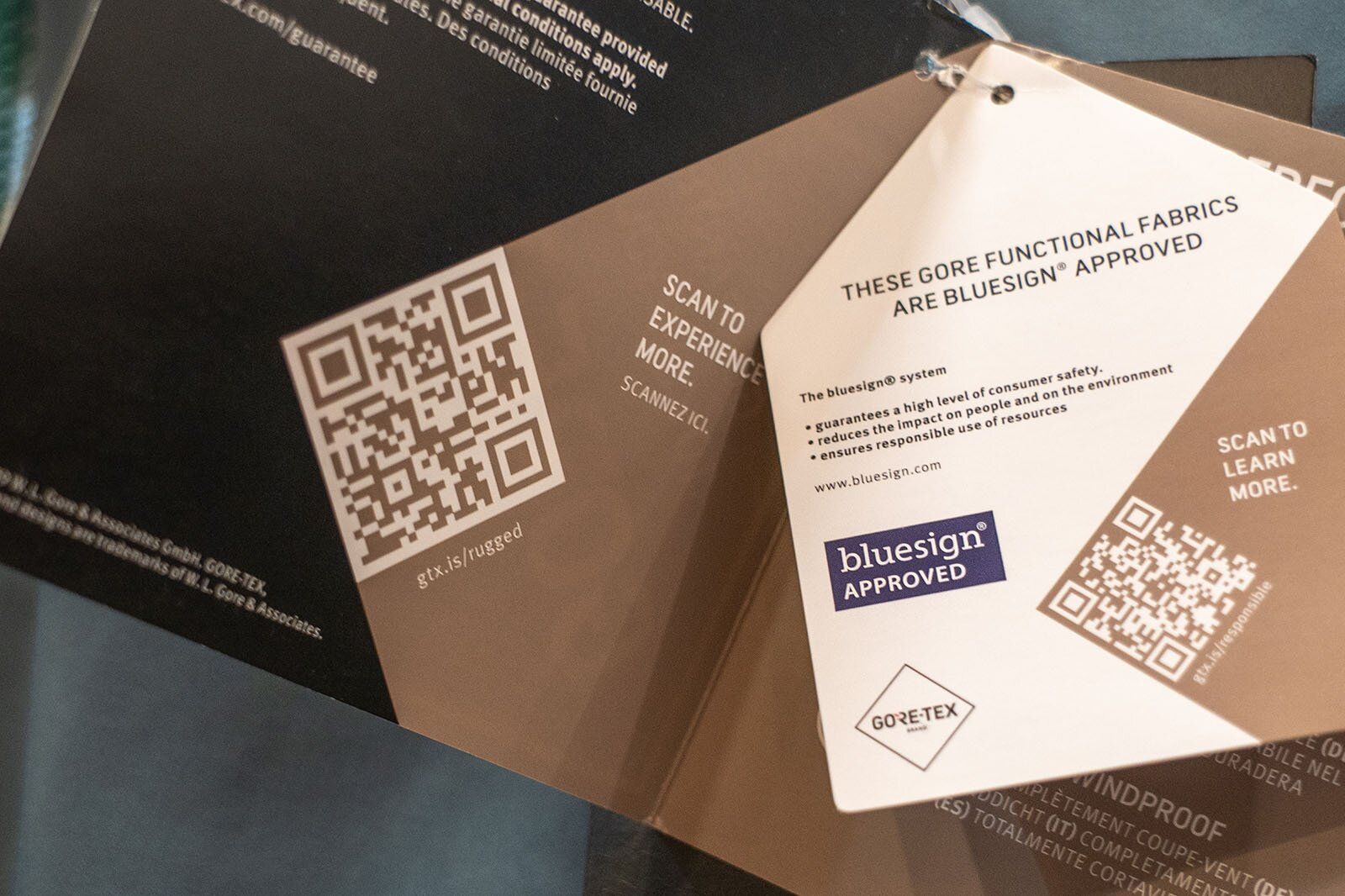
Bluesign Technologies, based in Switzerland, operates a third-party textile certification system that ensures materials are manufactured to strict environmental, chemical, and worker safety standards. A Bluesign-approved material indicates that it has undergone a rigorous vetting process based on the criteria above. A Bluesign Product goes the next mile, containing at least 90% Bluesign-approved fabrics and at least 20% Bluesign-approved accessories.


Outdoor gear can be made partly or entirely from recycled materials, the most common being nylon, polyester, wool, and down. Some products include a single recycled component or a partially recycled fabric, while others are 100% recycled (generally excluding accessories like zippers, Velcro, toggles, etc.). For our sustainability ratings, we evaluate the amount of recycled materials in a particular product and assign points accordingly.


The Responsible Down Standard (RDS), set by The Textile Exchange, is the leading certification for sustainably sourced down in the outdoor industry. The RDS ensures that down suppliers use sustainable land management practices, prioritize animal welfare, and provide workers with safe working conditions and fair wages. Third-party audits are conducted at all stages of the supply chain, starting with the farm that supplies the down.


There are two leading certification systems for sustainably sourced wool in the outdoor industry: the Responsible Wool Standard (RWS) and ZQ Wool. The Responsible Wool Standard, set by The Textile Exchange, ensures wool suppliers follow best farming practices, including sustainable land management and animal and social welfare. ZQ Wool provides similar environmental and social standards and supports a network of growers who aim to sequester more carbon than they emit. Some brands use less widespread equivalent certifications, which we consider when appropriate.


Companies typically source responsible leather from suppliers that meet the Leather Working Group Standards (LWG). LWG is a third-party non-profit organization that assesses the environmental impact of leather manufacturers and ensures compliance with its standards. This includes assessing water and energy use, waste and chemical management, air and noise emissions, traceability, health and safety, and the use of restricted substances. The LWG also gives tanneries ratings (bronze, silver, and gold), which we take into account when making our ratings.


This criterion evaluates a brand's commitment to fair wages, safe working conditions, and reducing its environmental impact throughout the production process. Responsible manufacturing is most commonly demonstrated through certifications and membership in programs such as Fair Trade Certified, Fair Wear Foundation, Worldwide Responsible Accreditation of Production, and the Fair Labor Association. We also recognize brands that prioritize local production, such as those that manufacture primarily in the United States or Europe, to reduce carbon emissions, maintain better oversight of working conditions, and comply with strict social and environmental regulations.


Packaging can add significant waste to an outdoor gear purchase and often ends up in landfills. Many brands are using recycled packaging and/or making efforts to reduce packaging altogether. For example, they may use a certain percentage of recycled cardboard or make efforts to use less plastic or paper across their packaging operation. In some cases, brands also use Forest Stewardship Council-certified paper products, which helps to ensure sustainable sourcing of forest materials.


This criterion evaluates whether this brand measures its greenhouse gas emissions, along with its commitment to reduction and transparency in reporting. Typically, we require brands to follow established frameworks such as the Higg Index, Greenhouse Gas Protocol, or The Change Climate Project. Most companies use the widely recognized scope categorization system for measuring brand emissions. Those who earn the most points in this category have emissions reduction goals verified by the Science Based Targets Initiative (SBTi), a global organization that helps companies set greenhouse gas reduction targets in line with the goal of limiting global warming to well below 2°C. To verify their goals through SBTi, companies undergo a rigorous assessment process and continual follow-up to ensure consistent progress towards achieving their targets.


Repair services extend the lifespan of outdoor gear and reduce overall consumption. Some brands offer comprehensive repair programs that can fix a wide range of issues, while others have more limited capabilities. If a brand's warranty policy only covers replacement, rather than repair, these programs usually do not meet this criterion.


Resale and recycling programs help keep outdoor gear in circulation for longer and out of landfills. The most common form is a trade-in program, where consumers can exchange items for store credit, which is then resold. Some brands accept products back for recycling at the end of their life, thereby reducing waste. Occasionally, some do both.


An impact report is an important step toward transparency and accountability on the sustainability front. These reports vary in form but generally cover topics such as material sourcing, greenhouse gas emissions tracking, waste and water usage, supply chain analysis, and packaging efforts. For our sustainability ratings, we evaluate this criterion based on the depth and quality of the information provided in the report, and how often it is produced. Some brands produce their own impact report, while others are published by their parent company. In practice, we’ve found that reports produced by individual brands include more detailed information about their sustainability efforts.
Better Trail Certified is the new industry standard for finding the most sustainable outdoor gear. Look for the Better Trail Certified logo to find today’s sustainability leaders across a wide range of outdoor gear categories.
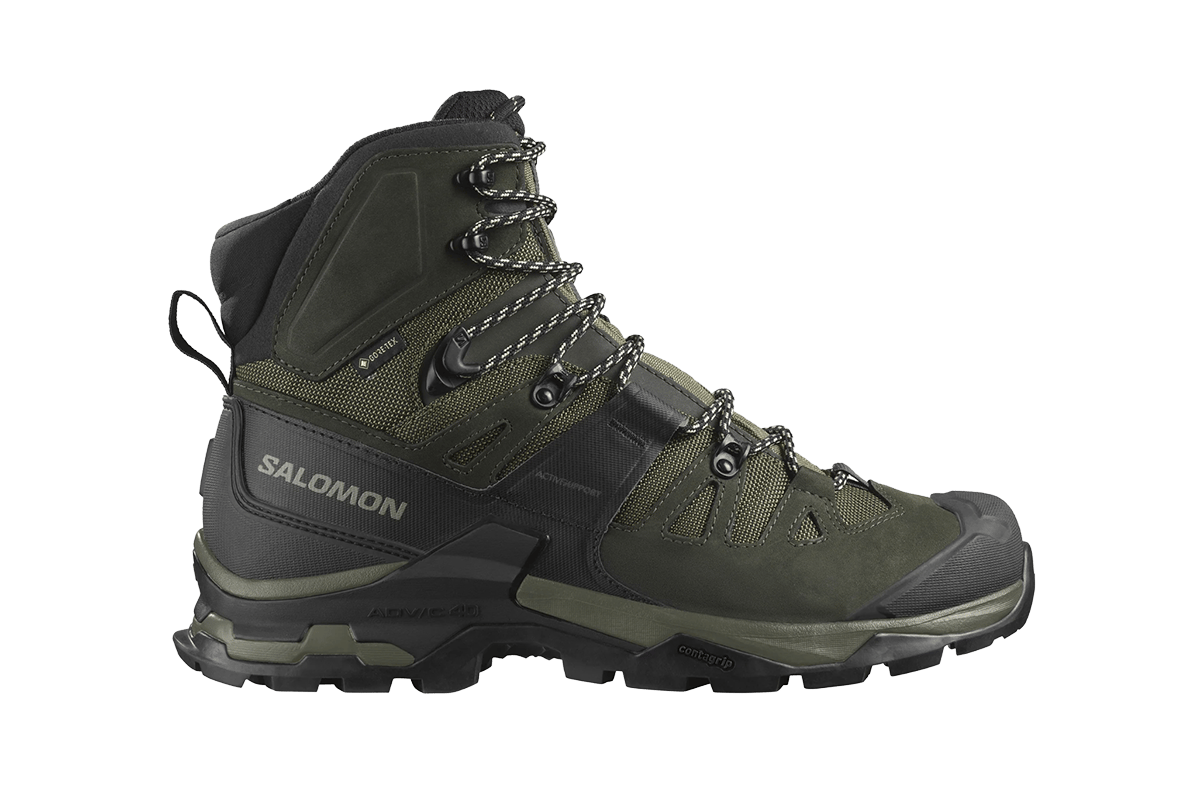
See our sustainability report for the Salomon Quest 4 GTX, including longevity, recycled and Bluesign materials, responsible manufacturing, packaging and more.
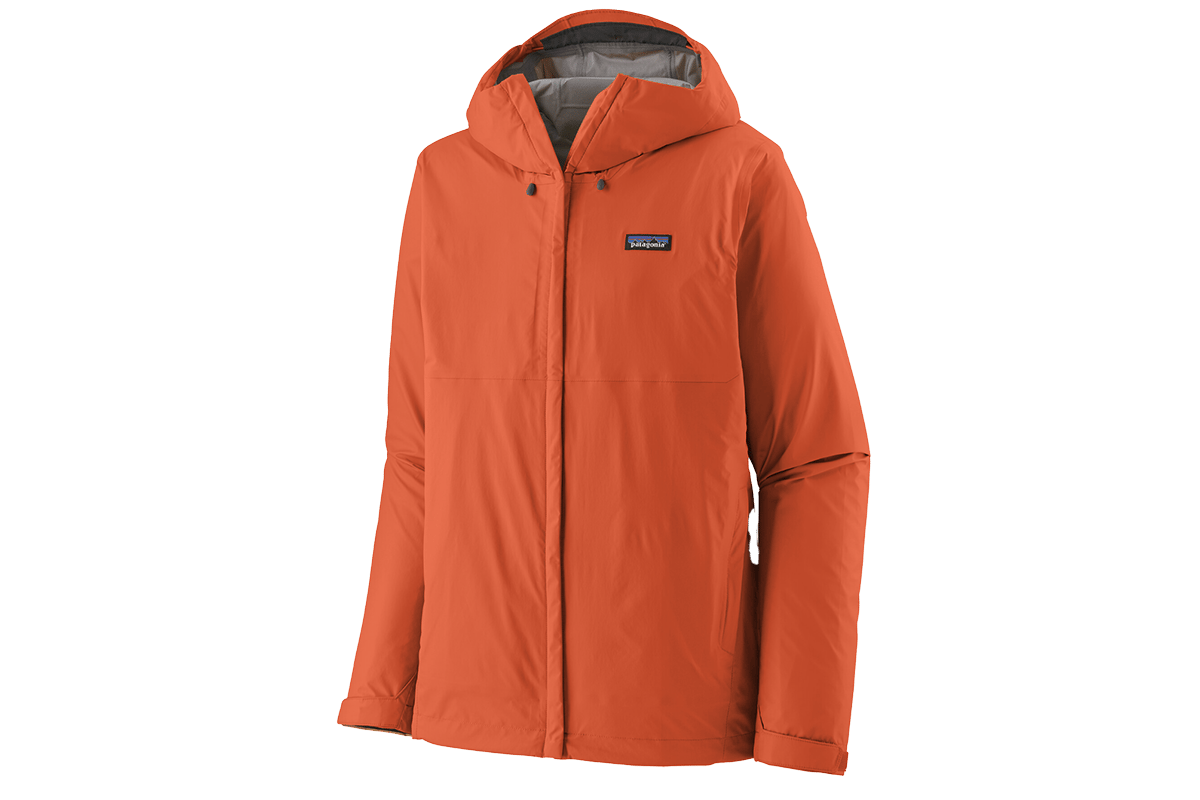
See our sustainability report for the Patagonia Torrentshell 3L, including recycled and Bluesign materials, PFAS-free DWR, responsible manufacturing, and more.
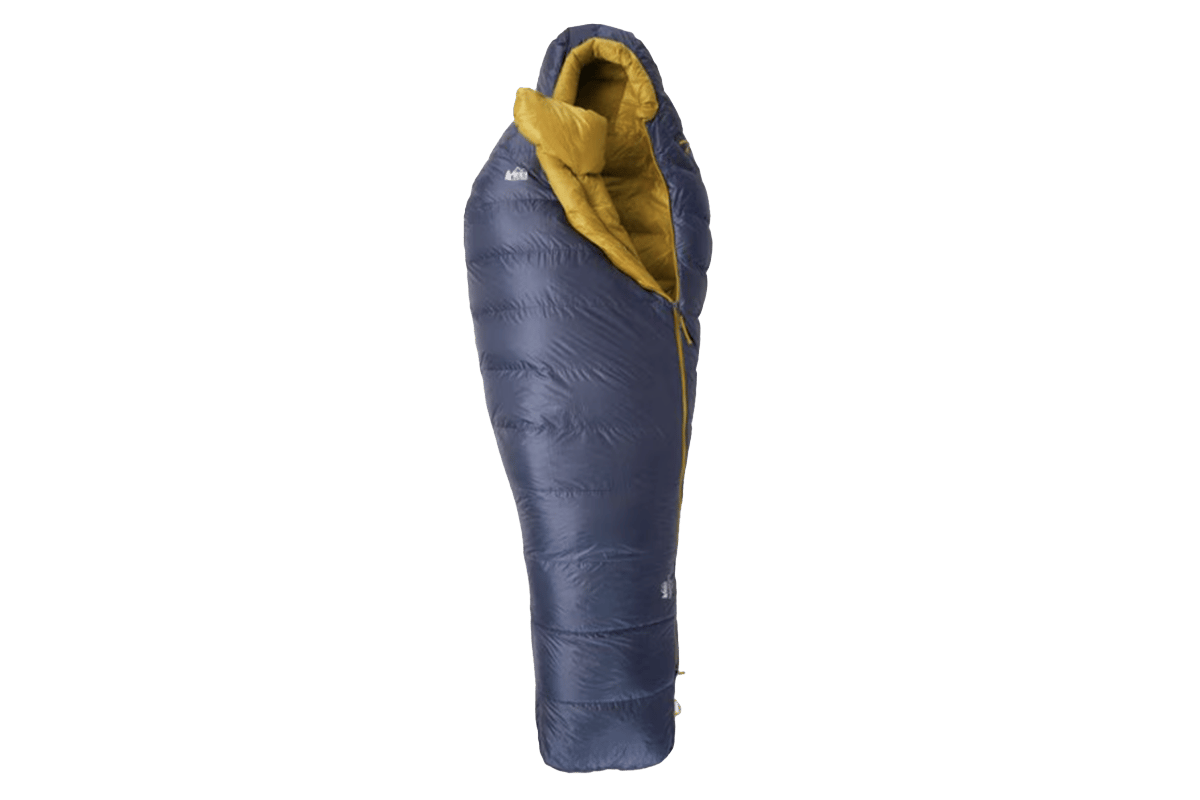
See our sustainability report for the REI Co-op Magma 30, including recycled and Bluesign materials, PFAS-free DWR, responsibly sourced down, and more.
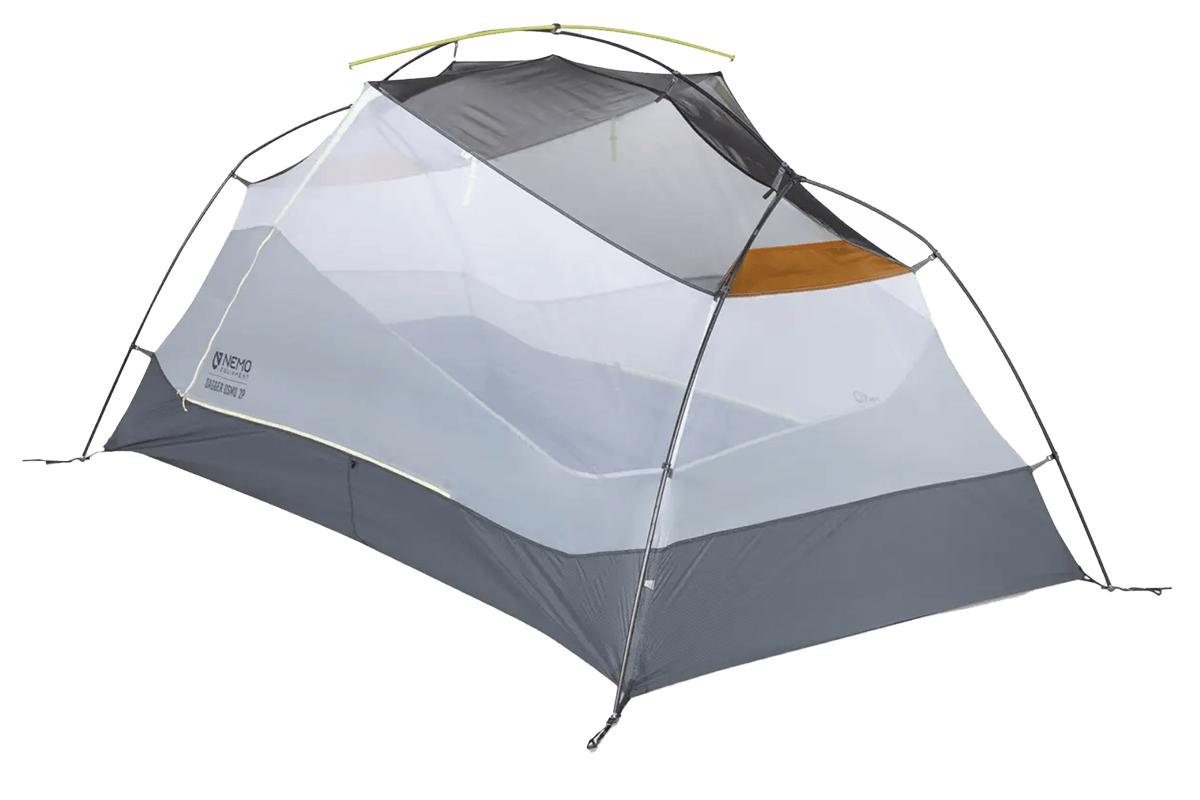
See our sustainability report for the Nemo Dagger Osmo 2P, including recycled and Bluesign materials, PFAS-free DWR, responsible manufacturing, and more.
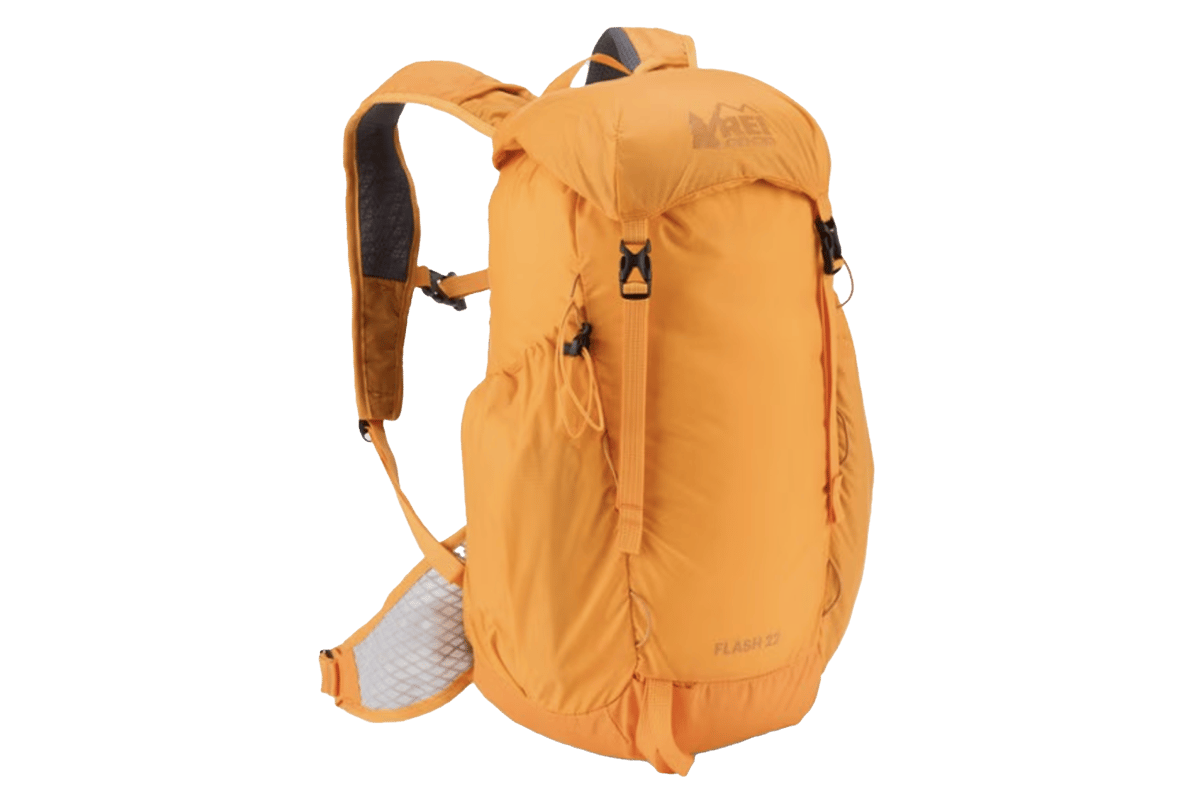
See our sustainability report for the REI Co-op Flash 22, including recycled and Bluesign materials, PFAS-free DWR, responsible manufacturing, and more.
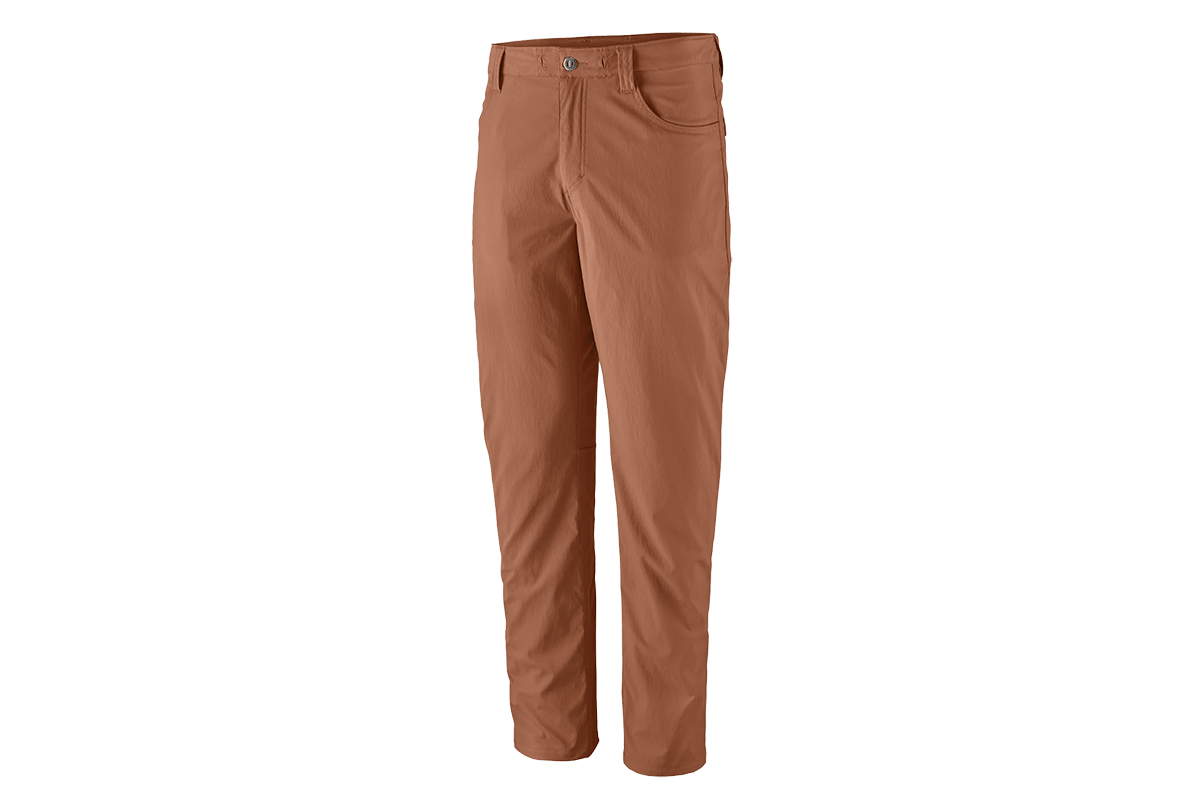
See our sustainability report for the Patagonia Quandary, including recycled and Bluesign materials, responsible manufacturing, reduced packaging, and more.
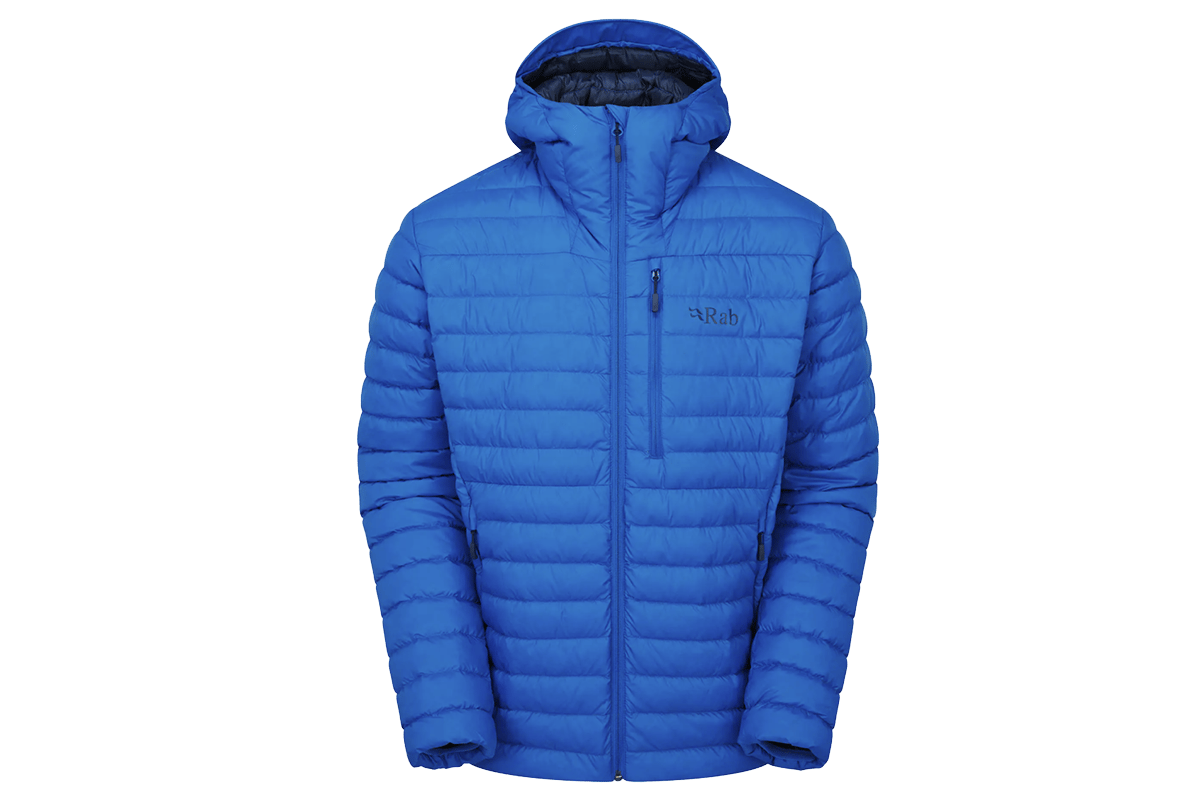
See our sustainability report for the Rab Microlight Alpine, including recycled and Bluesign materials, responsible down, carbon tracking, repair services, and more.
shop with heart
Product Ranking
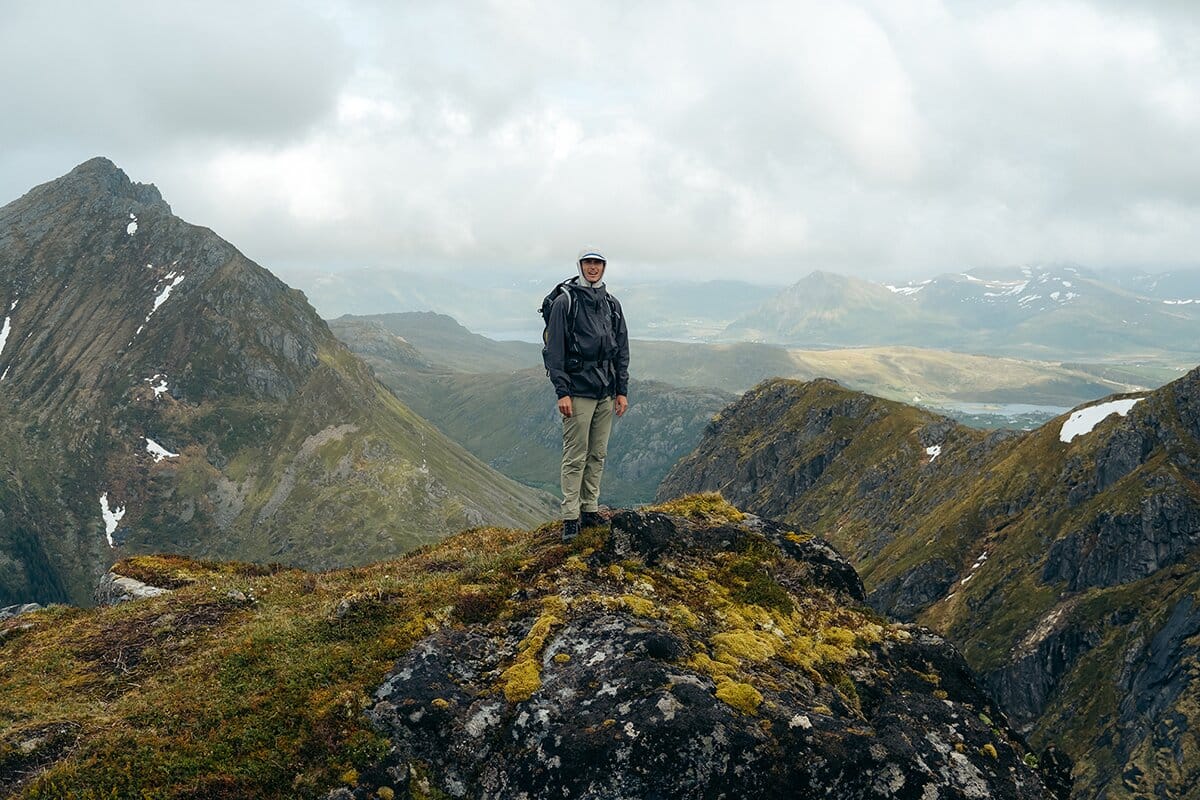
The Most Sustainable Rain Jackets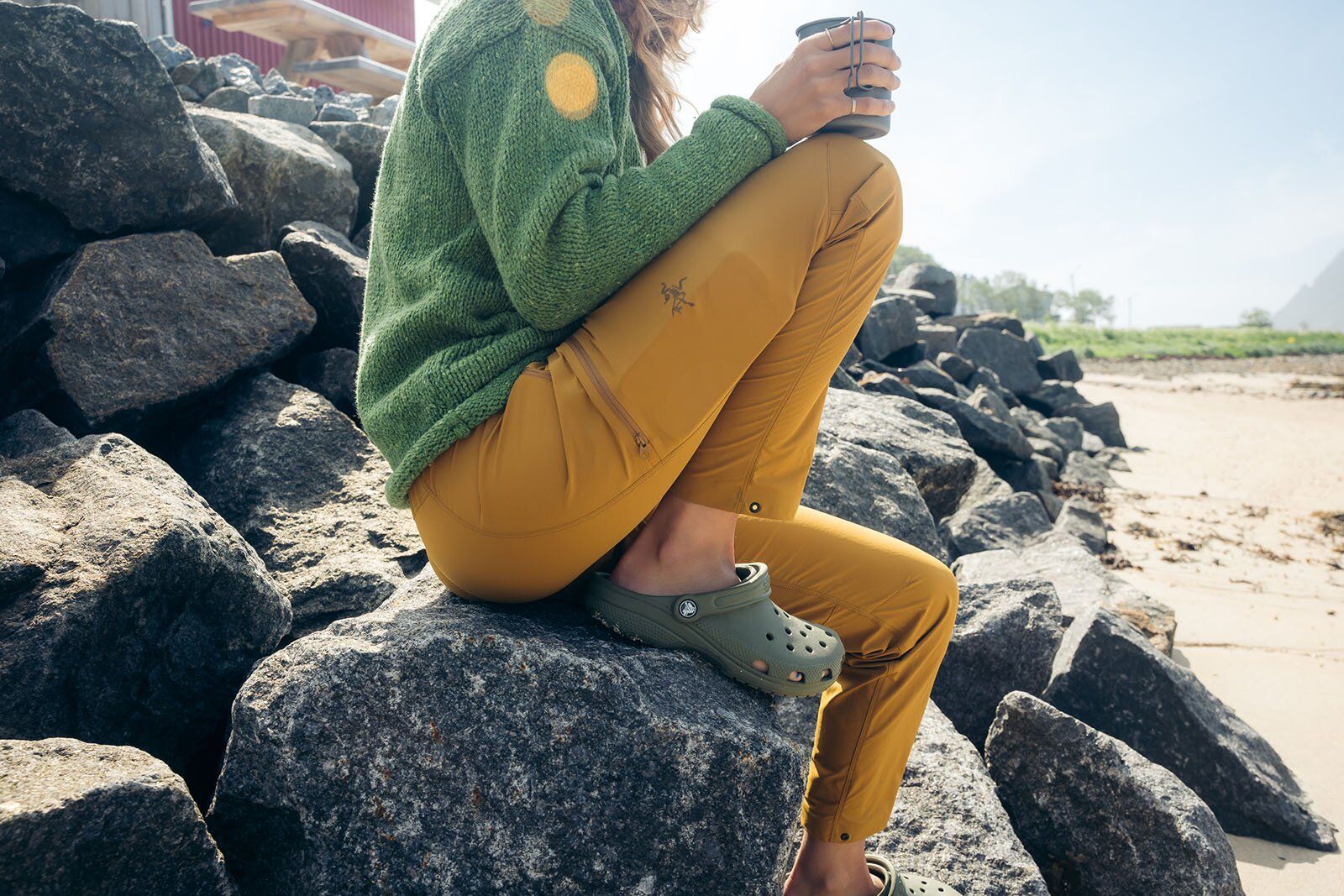
Product Ranking
The Most Sustainable Hiking Pants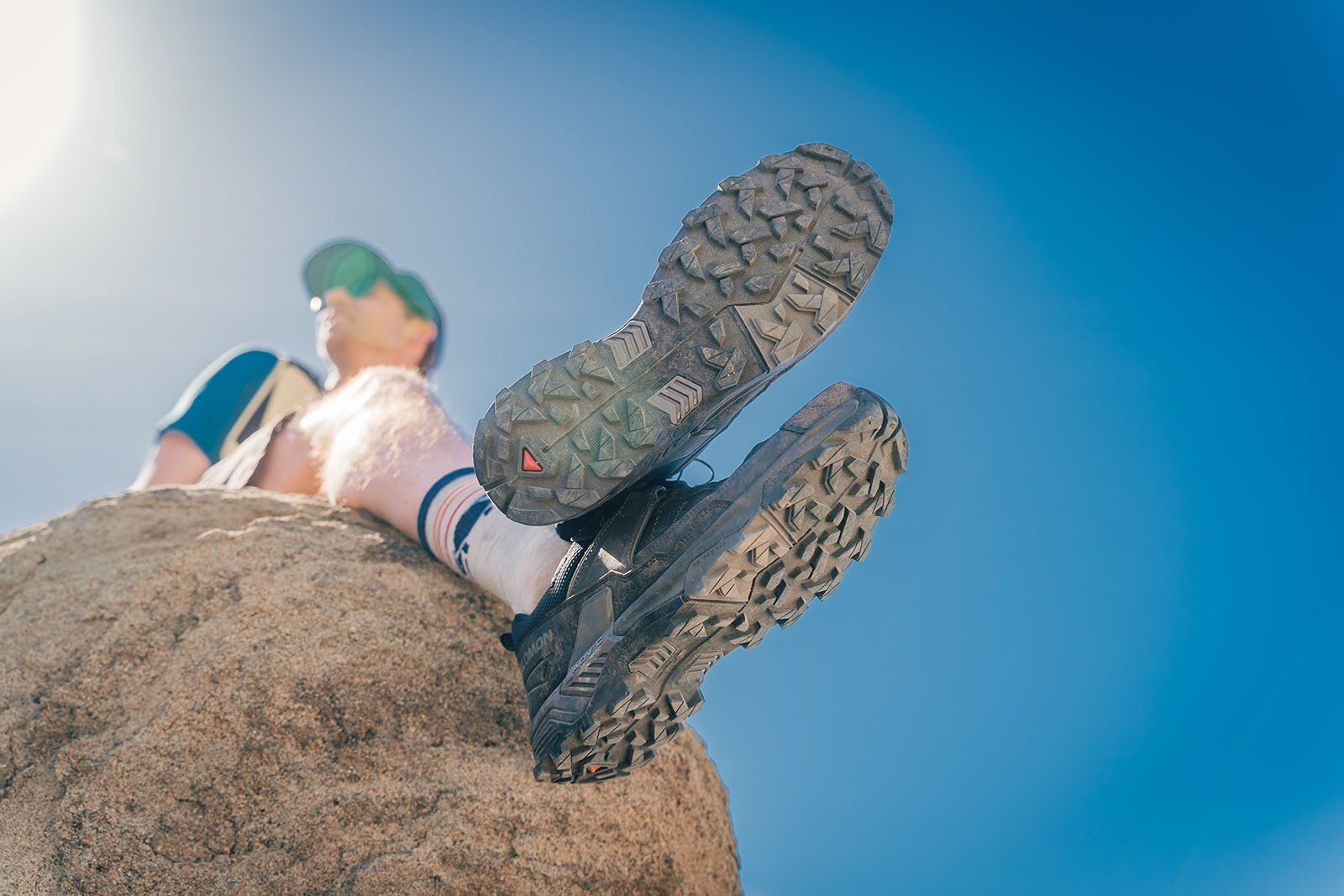
Product Ranking
The Most Sustainable Hiking Shoes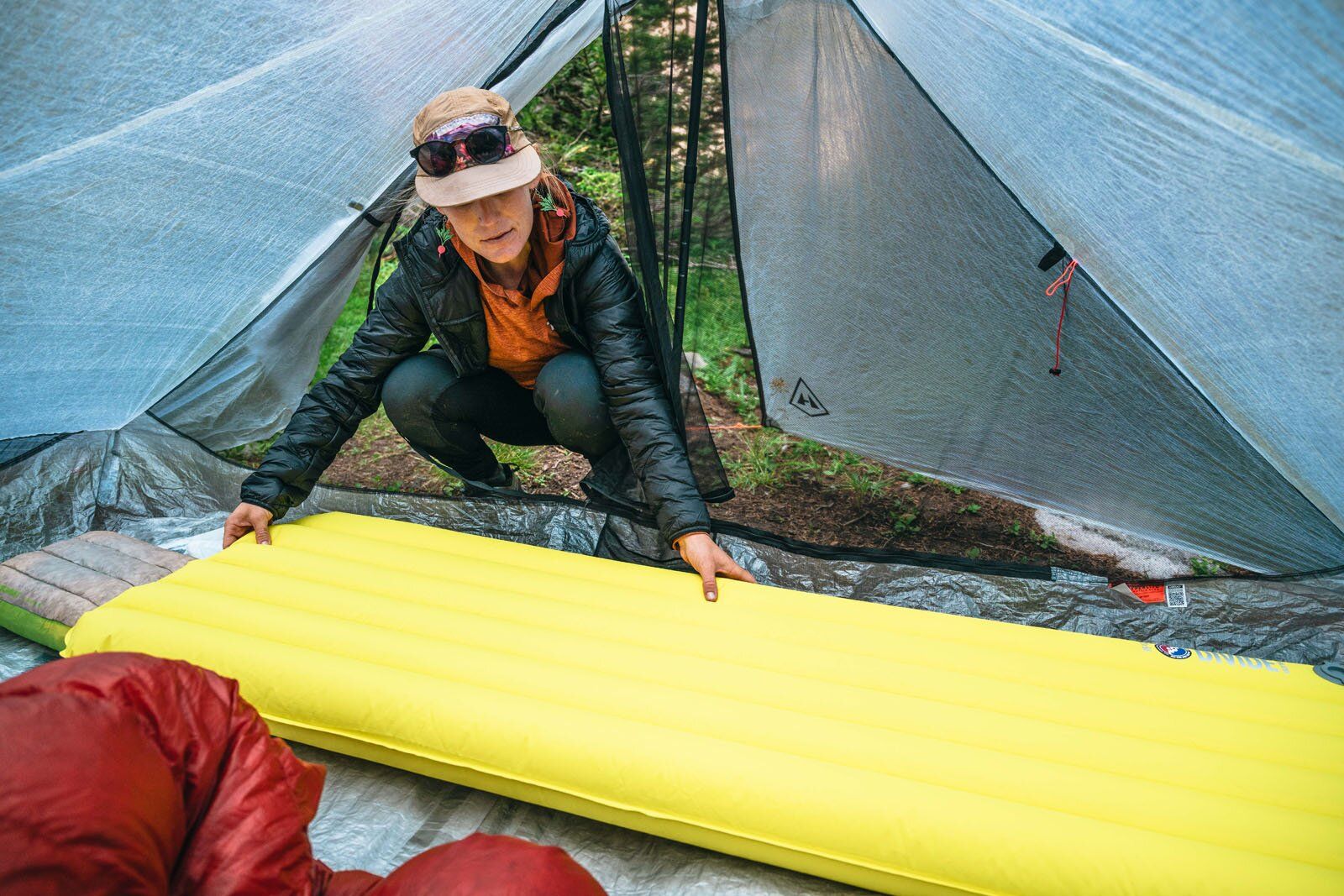
Product Ranking
The Most Sustainable Backpacking Sleeping Pads
Product Ranking
The Most Sustainable Daypacks
Product Ranking
The Most Sustainable Trekking Poles
Product Ranking
The Most Sustainable Backpacking Tents
Product Ranking
The Most Sustainable Down Jackets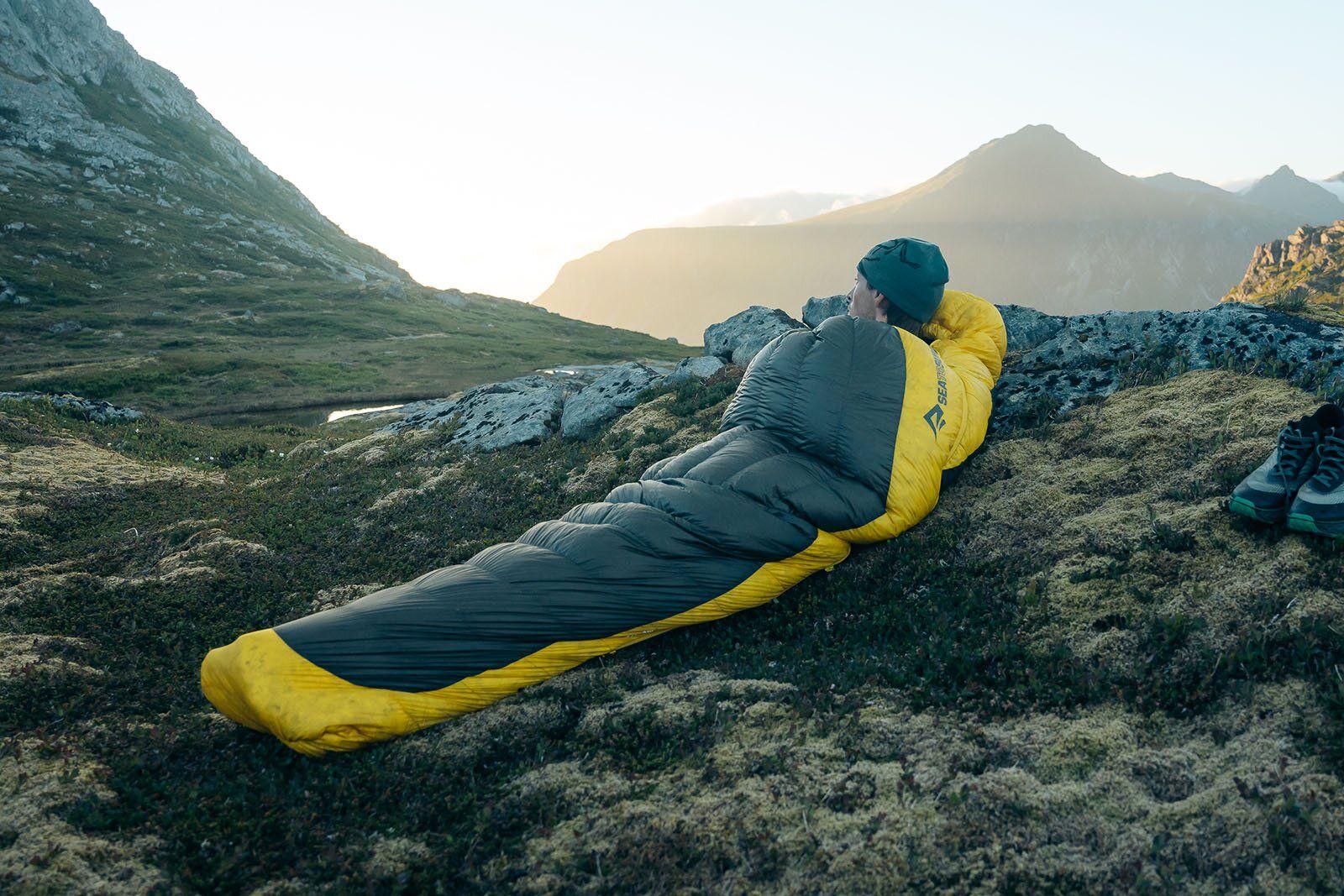
Product Ranking
The Most Sustainable Backpacking Sleeping Bags
Product Ranking
The Most Sustainable Backpacking Backpacks
Finding sustainable outdoor gear can be like navigating in a whiteout. Who can you trust? What do the certifications mean? What actually matters? That’s why we made the Sustainability Hub at BetterTrail.com. You can watch a one-minute video on our process here.
Wondering how we come up with our sustainability ratings? Read about our team of experts and their process, the criteria we consider, and more.
bike-to-climb
The vast majority of climbers visiting British Columbia's Waddington Range use a helicopter to access the high country. Not Langdon and Ben. In the summer of 2024, the duo cycled over 700 miles from Central Washington to Tatla Lake, bushwacked into the alpine, and climbed Mt. Waddington, British Columbia's tallest peak. Then, they reversed their journey. We're pretty inspired by Ben and Langdon—and we think you will be too.
brand breakdown
What kind of efforts is the iconic brand and retailer making on the sustainability front?
nuts & bolts
Education
Bluesign, Explained
Education
Packaging in Outdoor Gear, Explained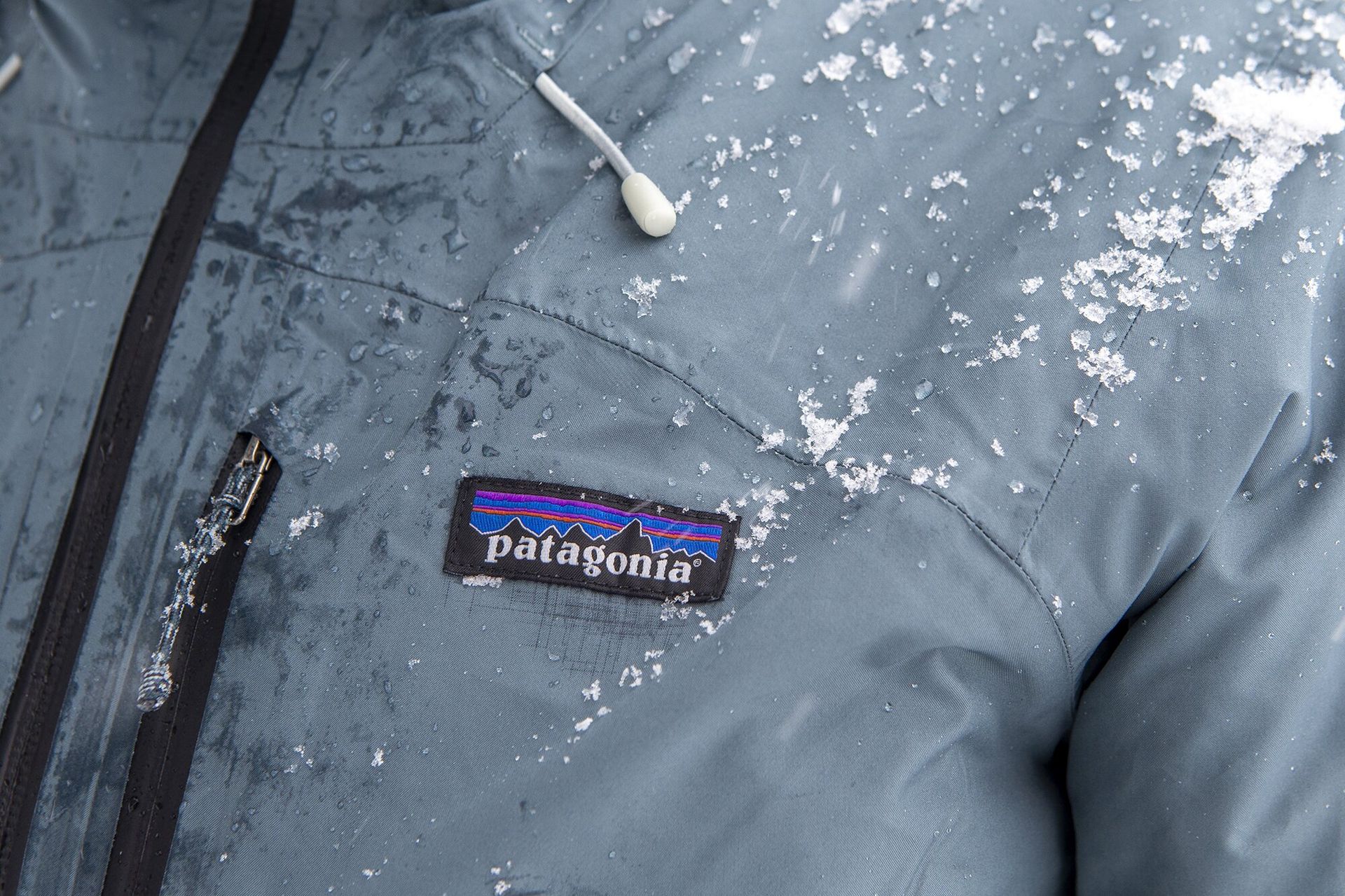
Education
PFAS in Outdoor Gear, Explained
Education
The Higg Index, Explained


