
Best Hiking Daypacks of 2025



ByMultiple Authors
Jul 28, 2025
Table of contents
Nothing unites outdoor enthusiasts of all stripes quite like a daypack. No matter if you’re an expert or a novice, a hiker or a climber, or simply want to head out on your local trails, there’s a hiking daypack that’s perfect for you. Below, we break down the full range of options in 2025, along with our in-house ratings for each. With our unique UX, you can peruse our photo galleries, choose your desired reading length, and sort the packs based on your priorities, including warmth, comfort, organization, weight, sustainability, and more.
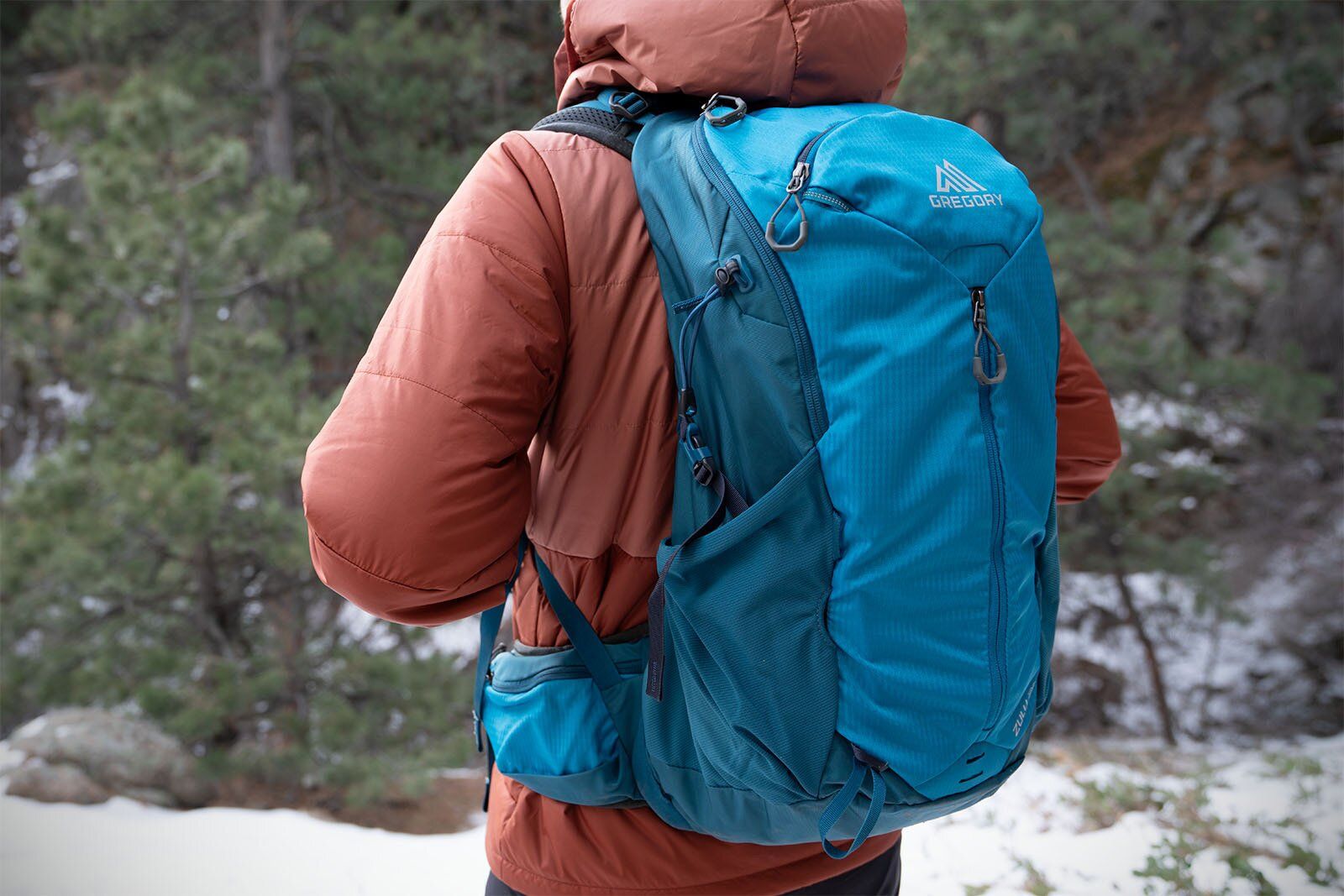
Gregory Zulu 24 LT ($170)
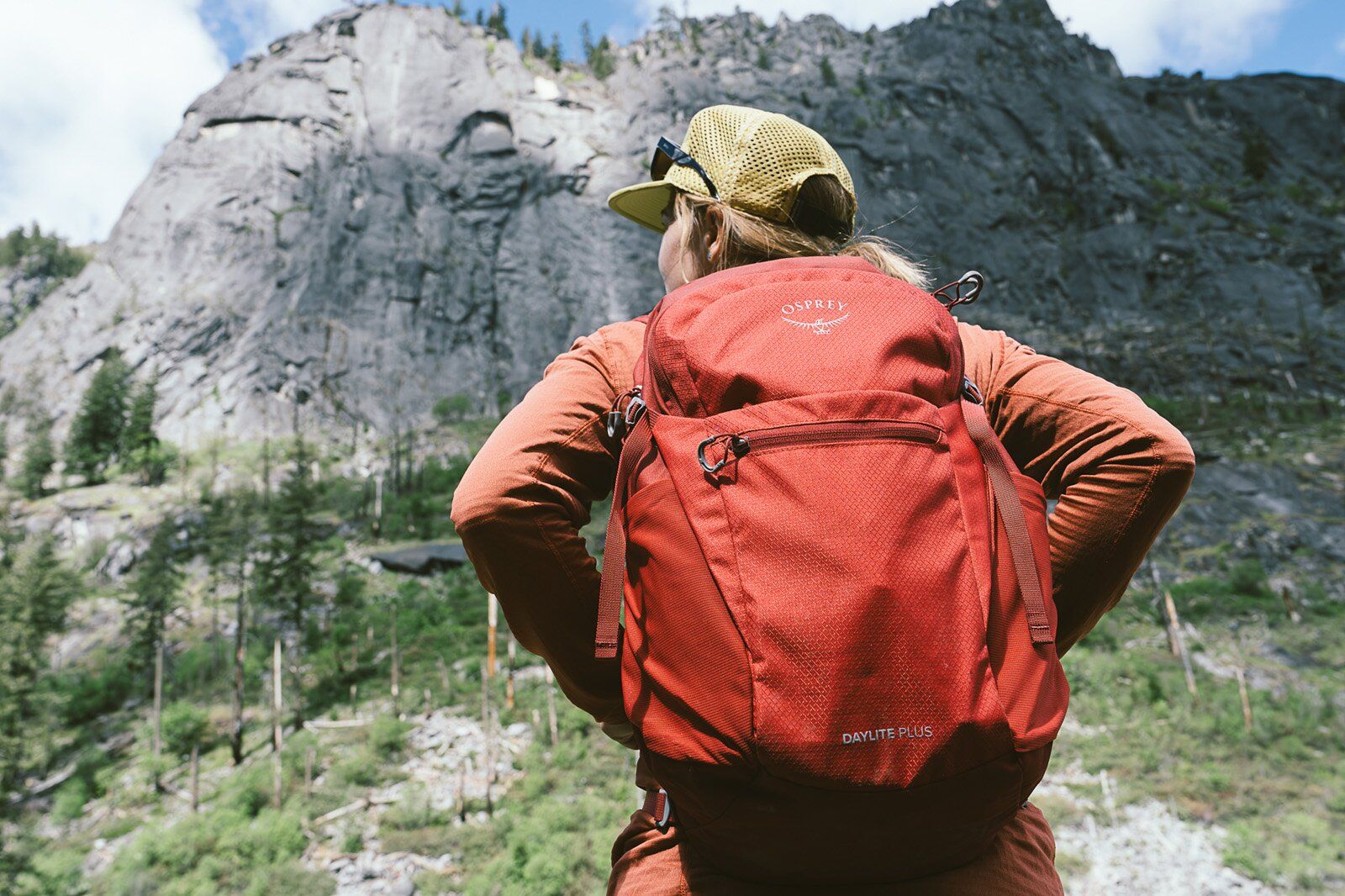
Osprey Daylite Plus ($75)
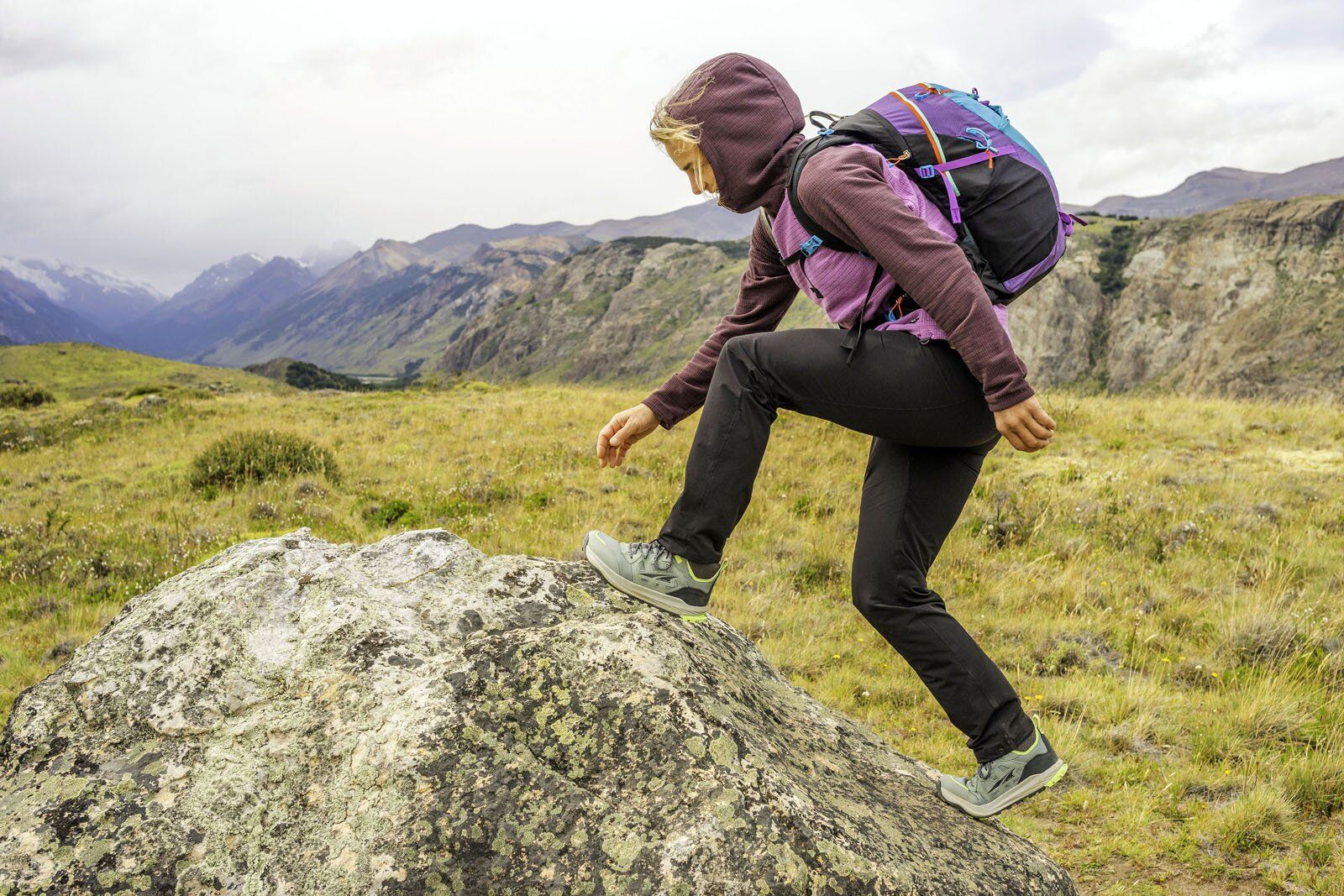
Gregory Miko 20 ($150)
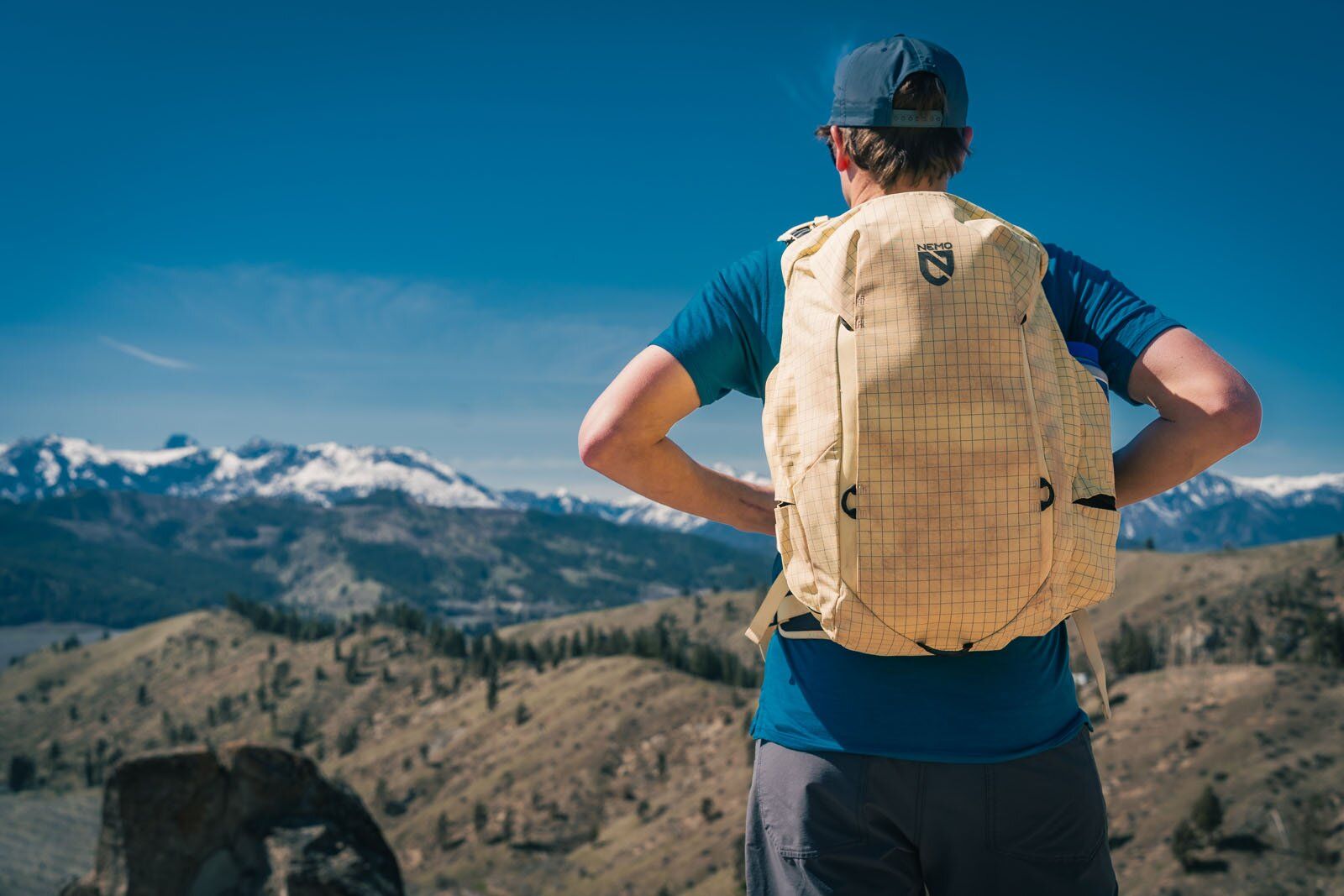
Nemo Resolve Endless Promise 25 ($180)
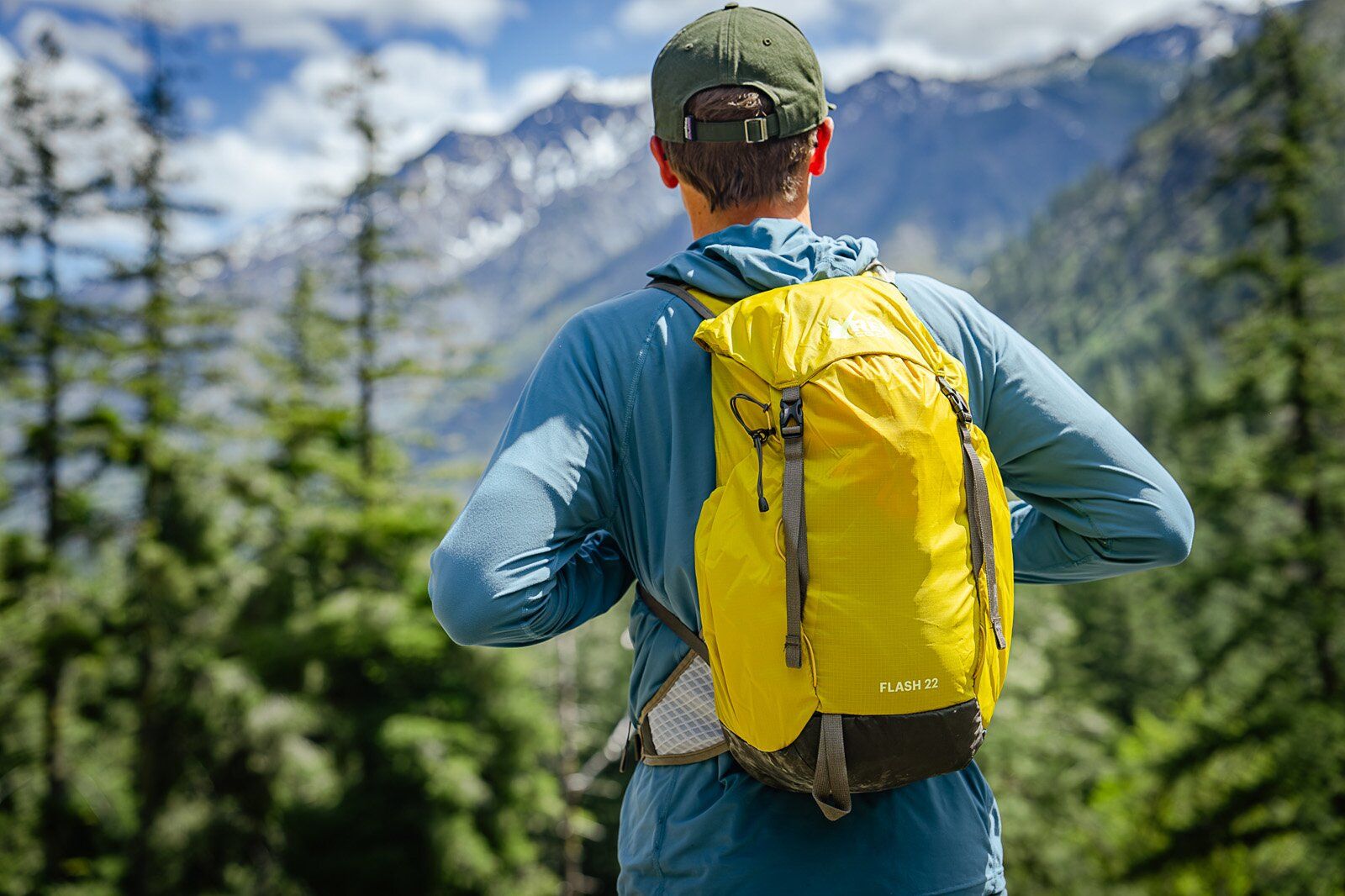
REI Co-op Flash 22 ($60)

Black Diamond Distance 22 ($220)
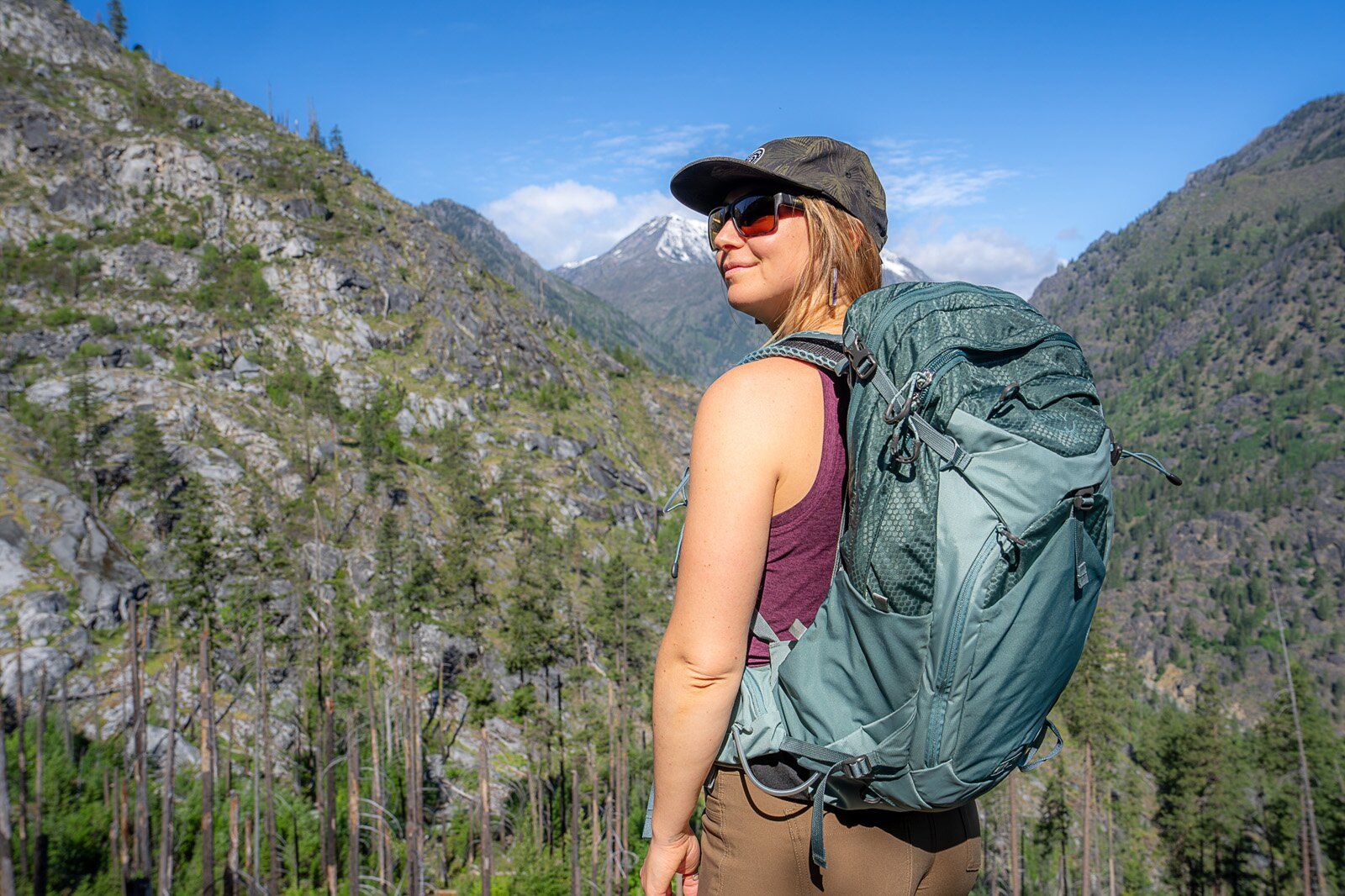
Osprey Manta 24 ($200)
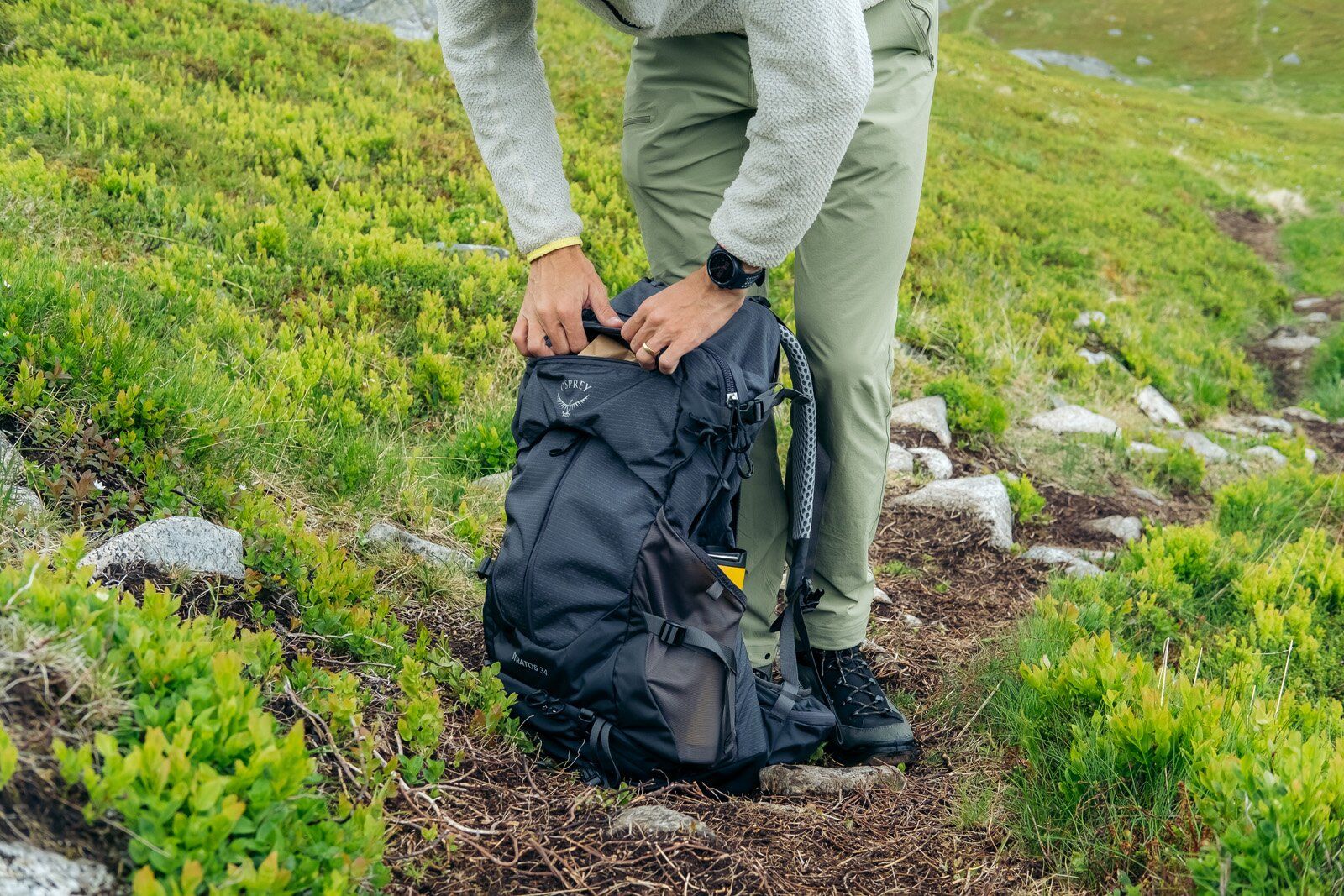
Osprey Stratos 34 ($200)
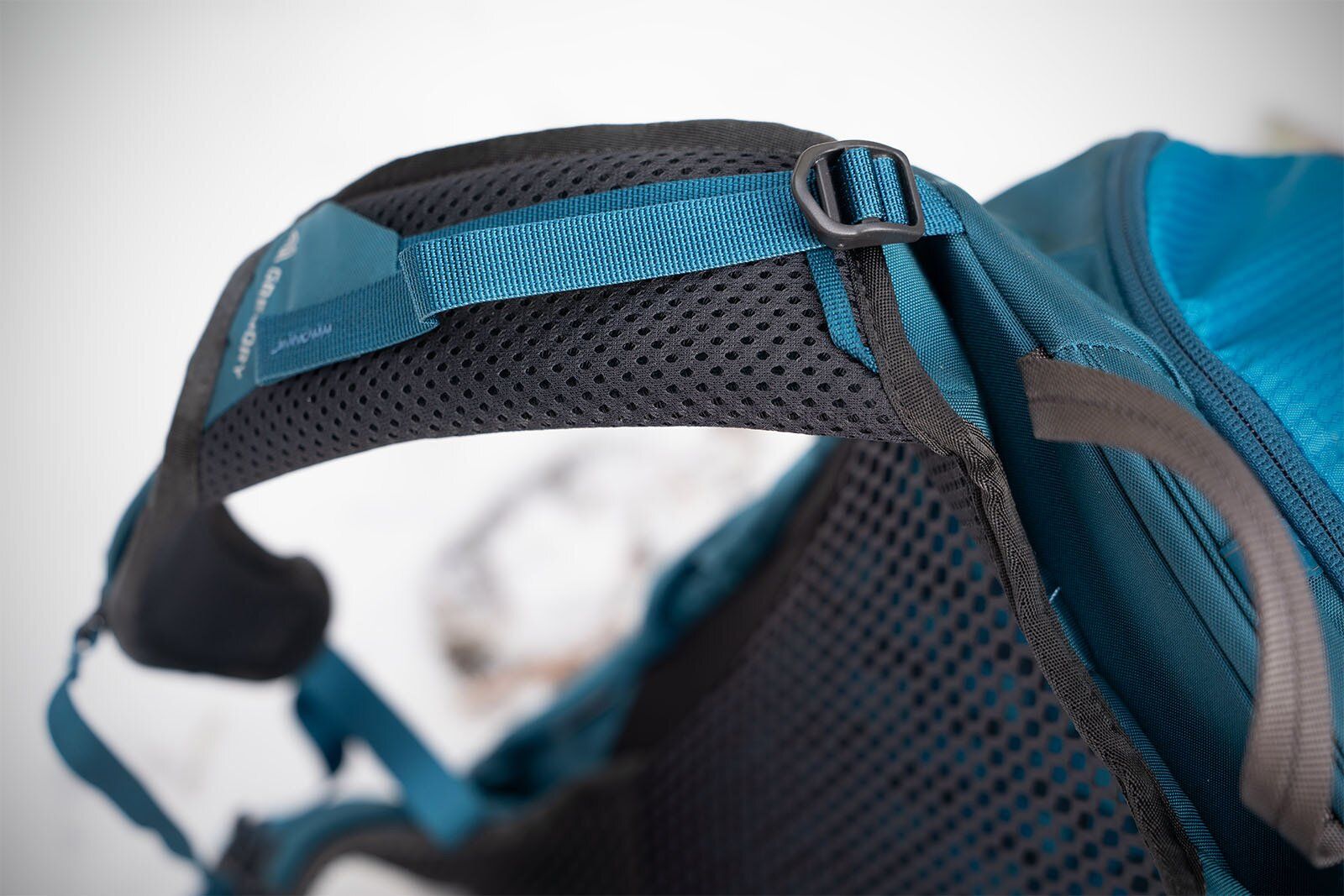
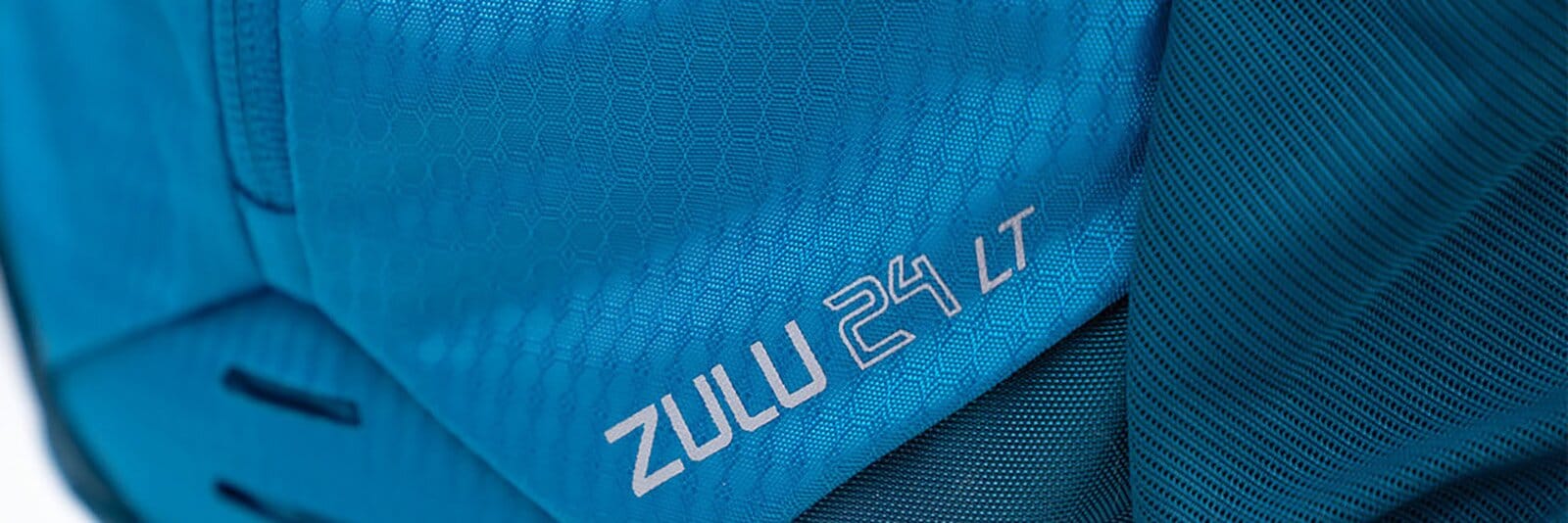
The Zulu 24 LT is basically a backpacking pack in miniature, and we mean that as a compliment. This is a comfortable, sturdy daypack with excellent design elements, especially its breathable trampoline-style backpanel. We wish it came in more sizes, though, and was a bit lighter.
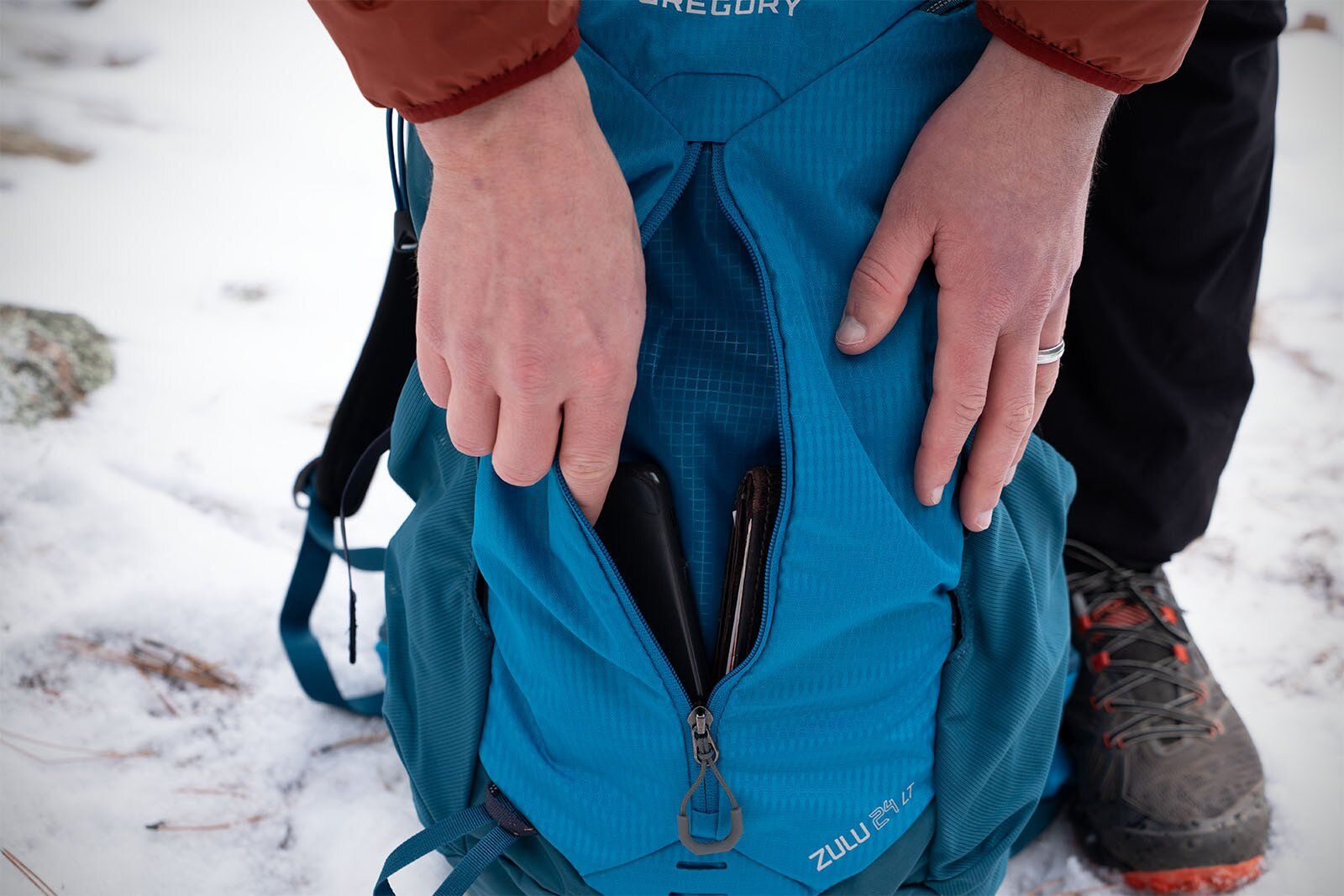
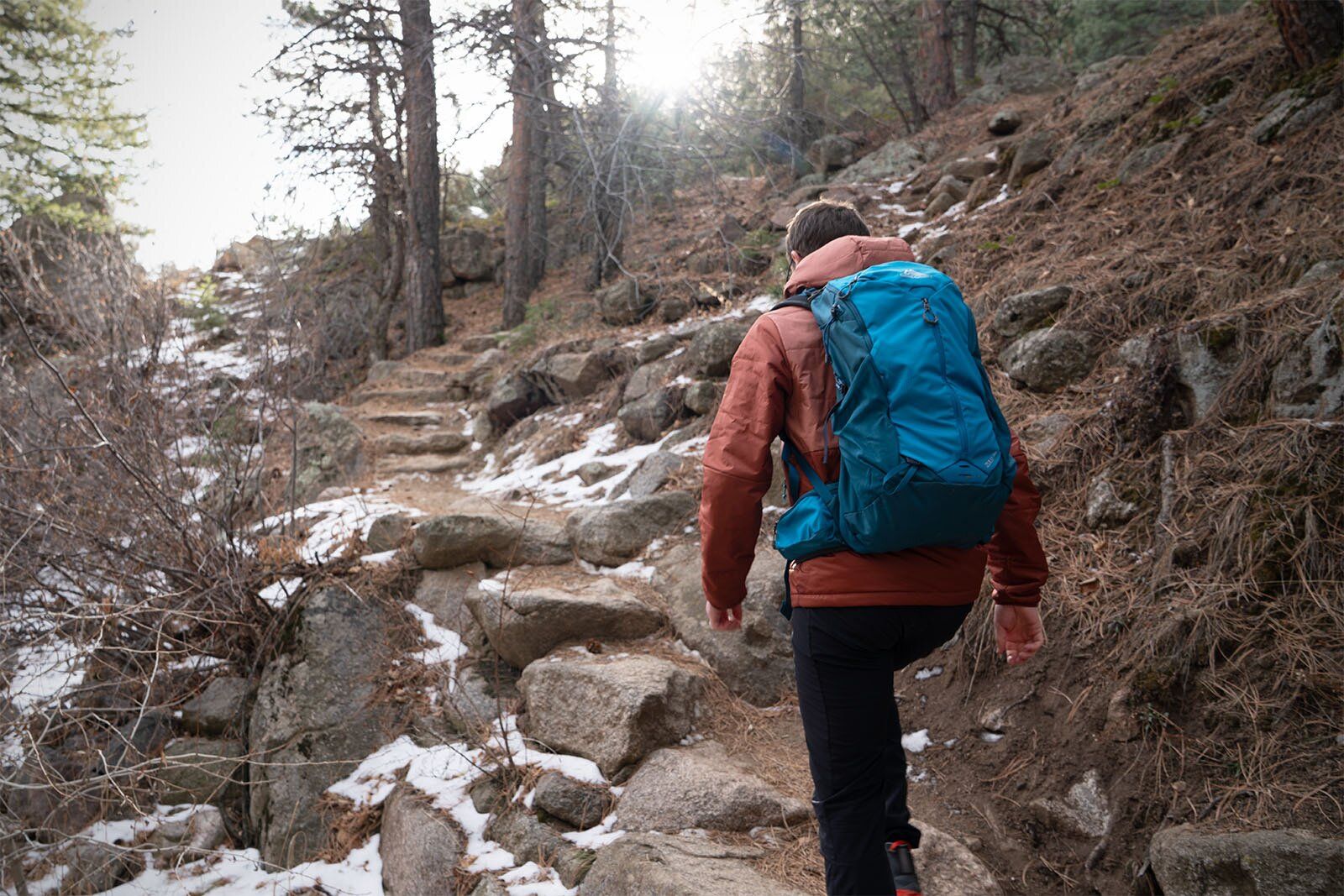
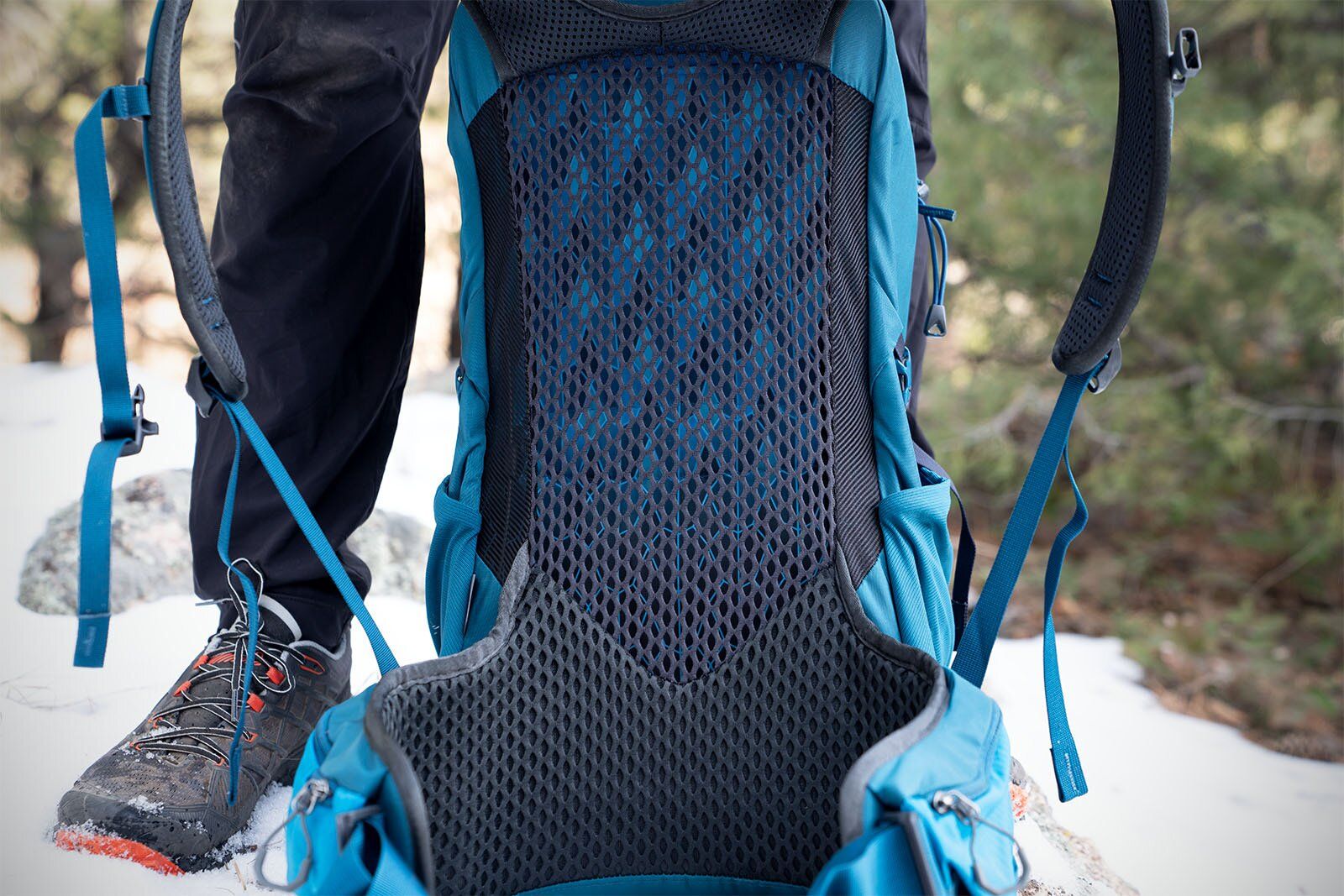
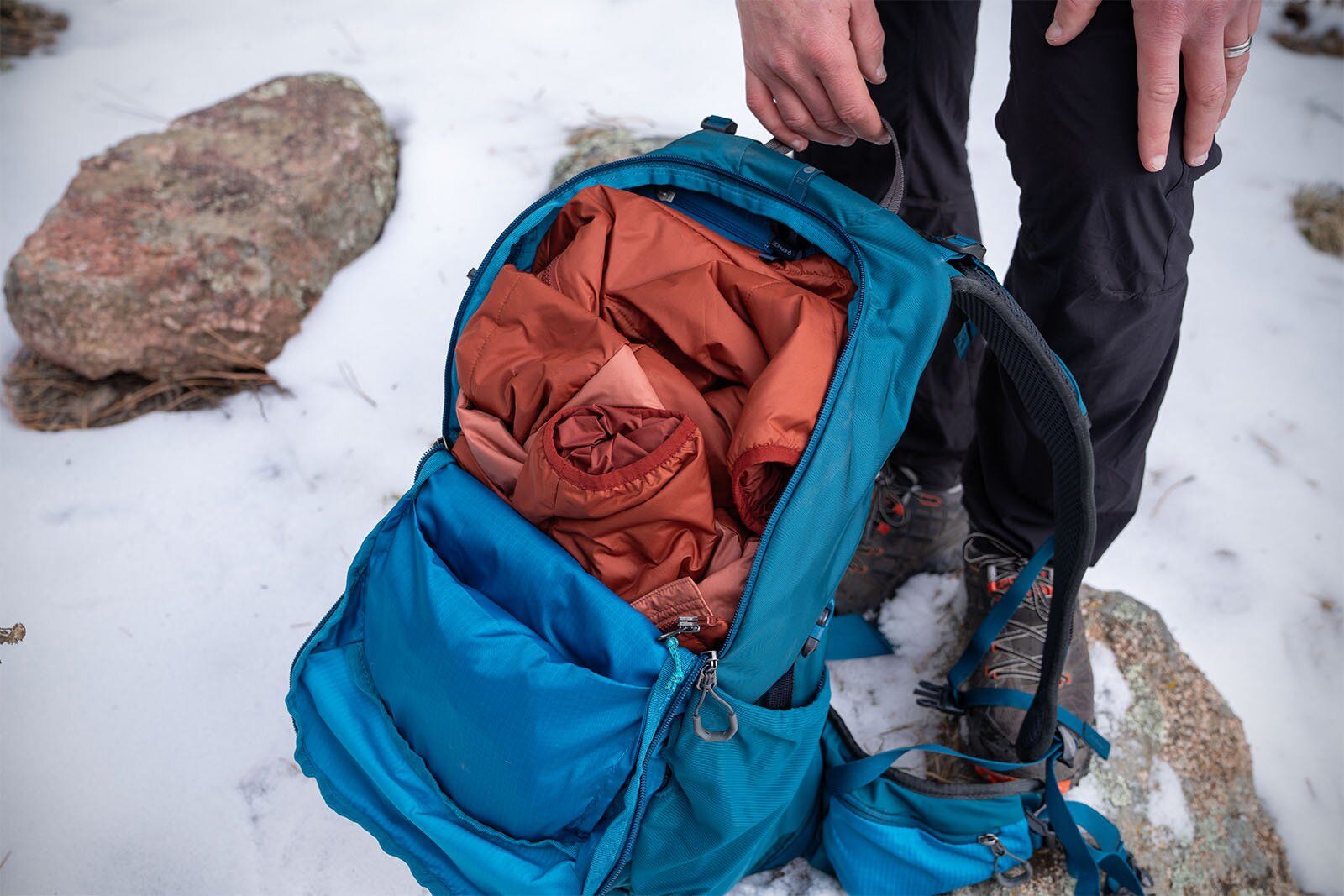
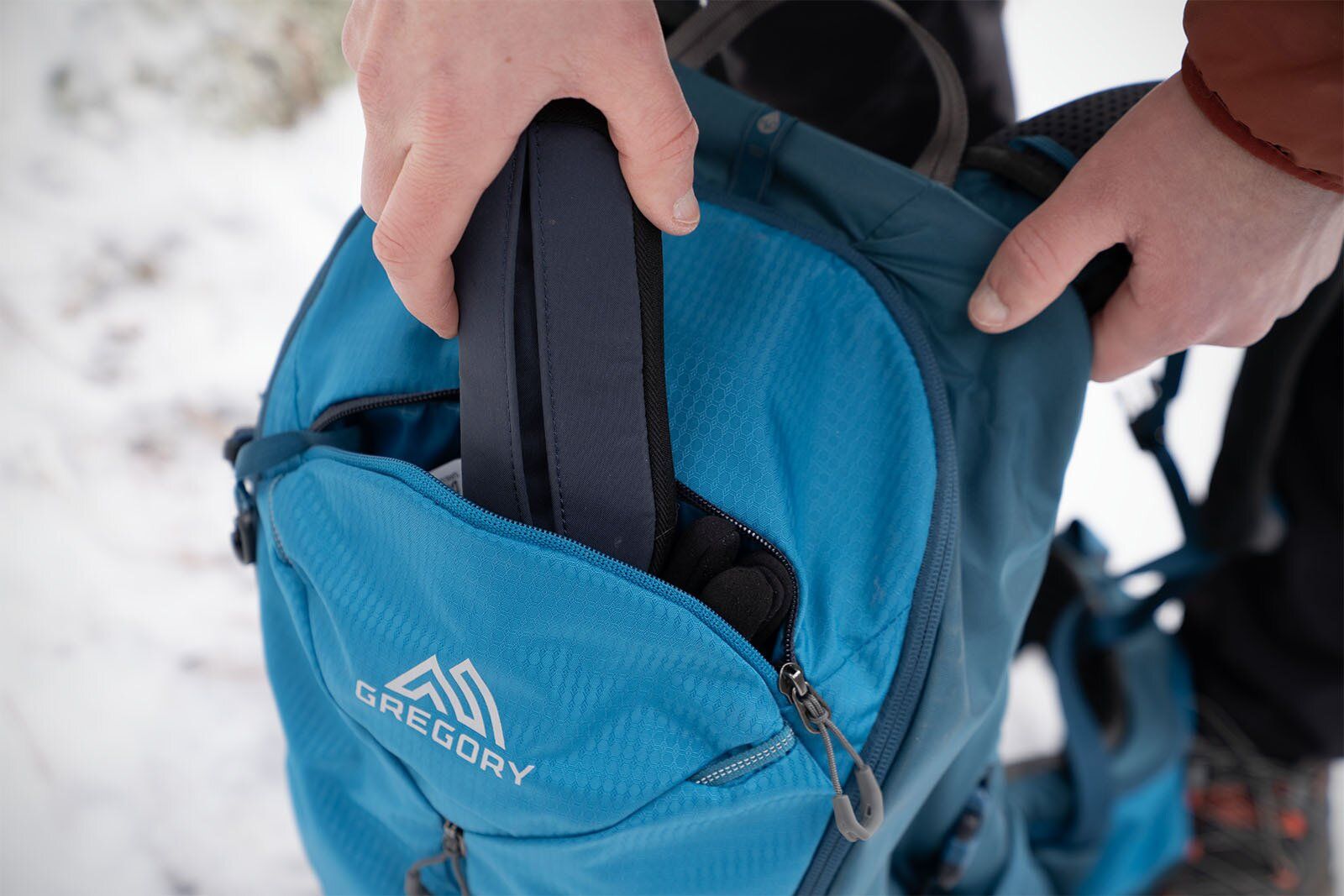
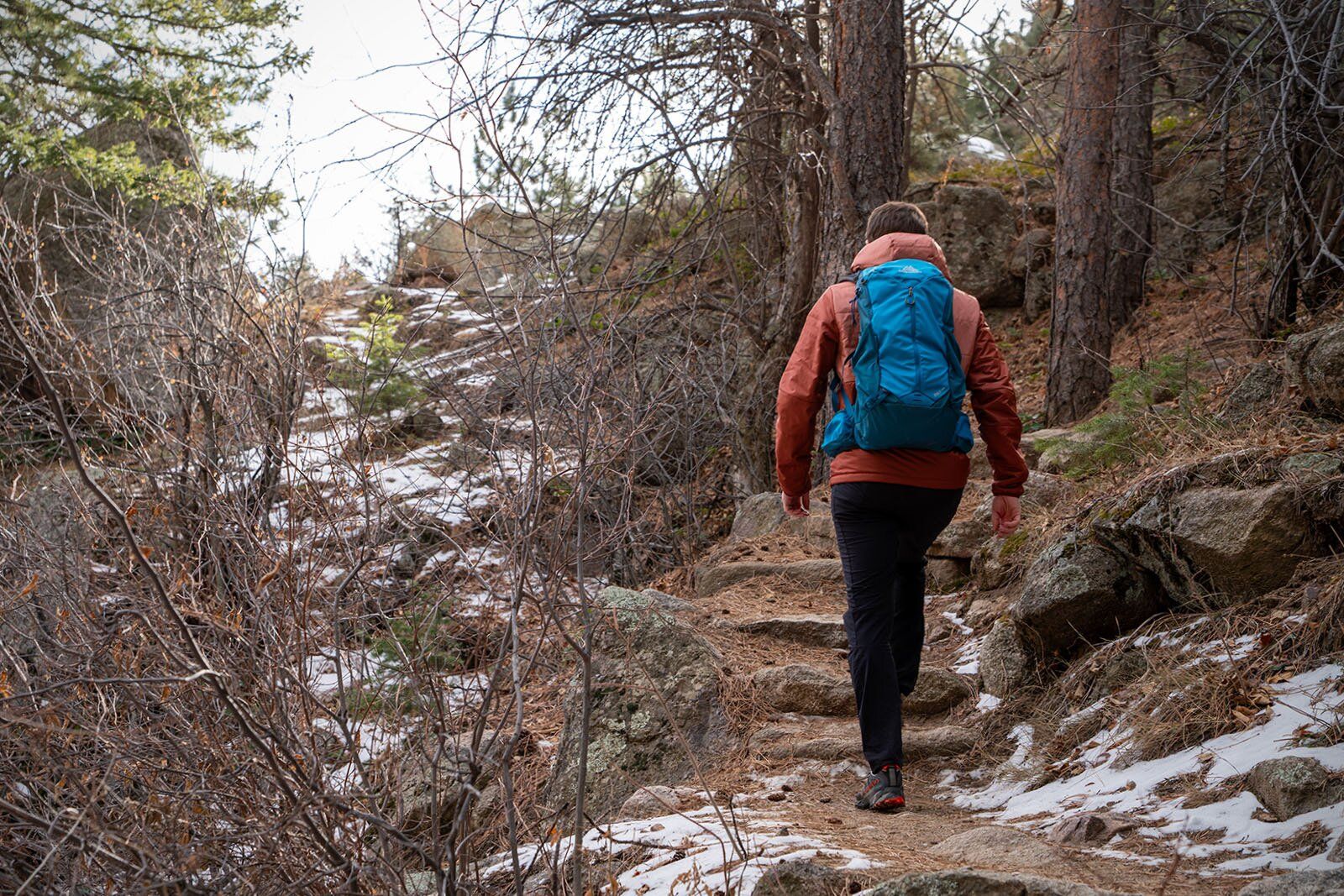
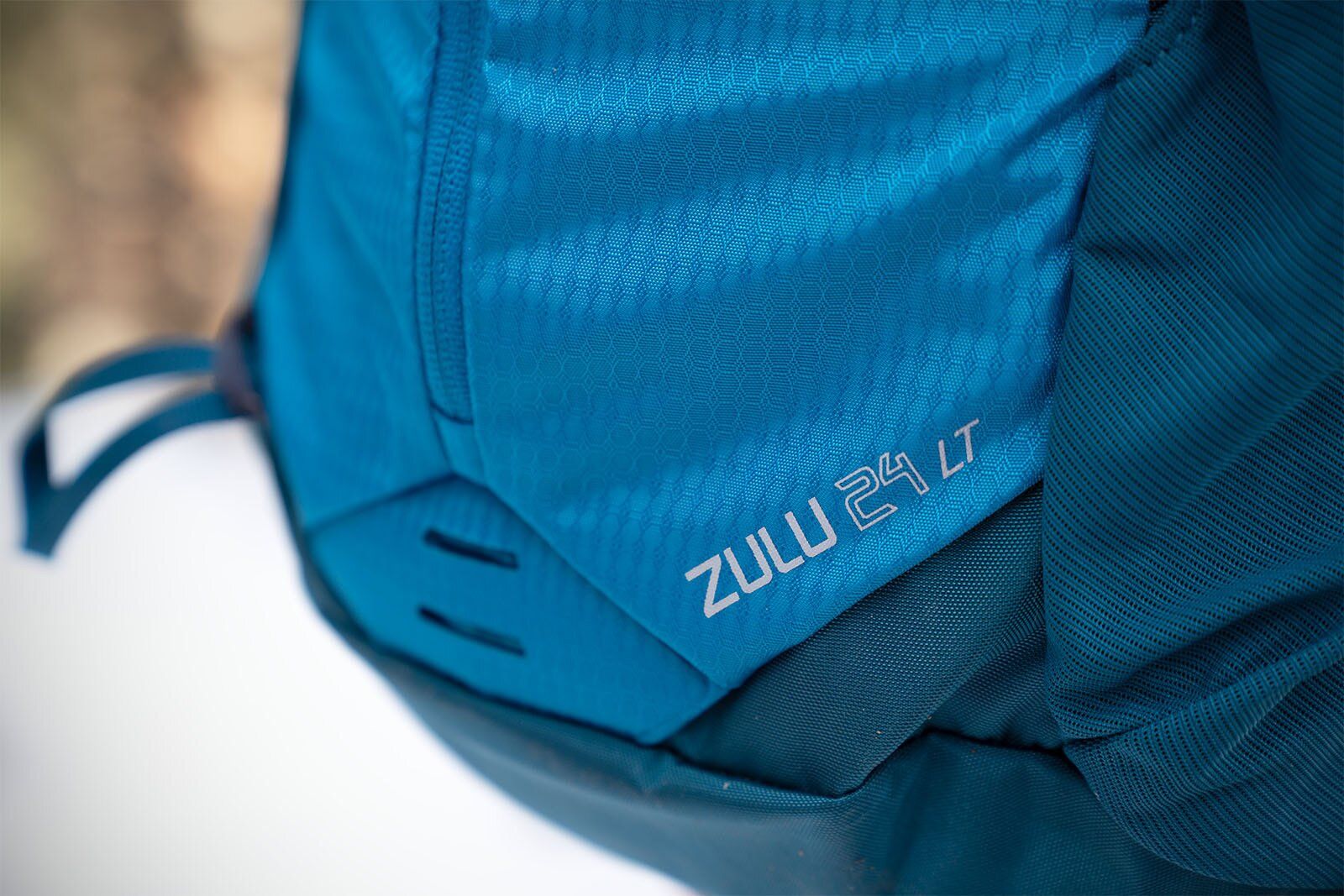
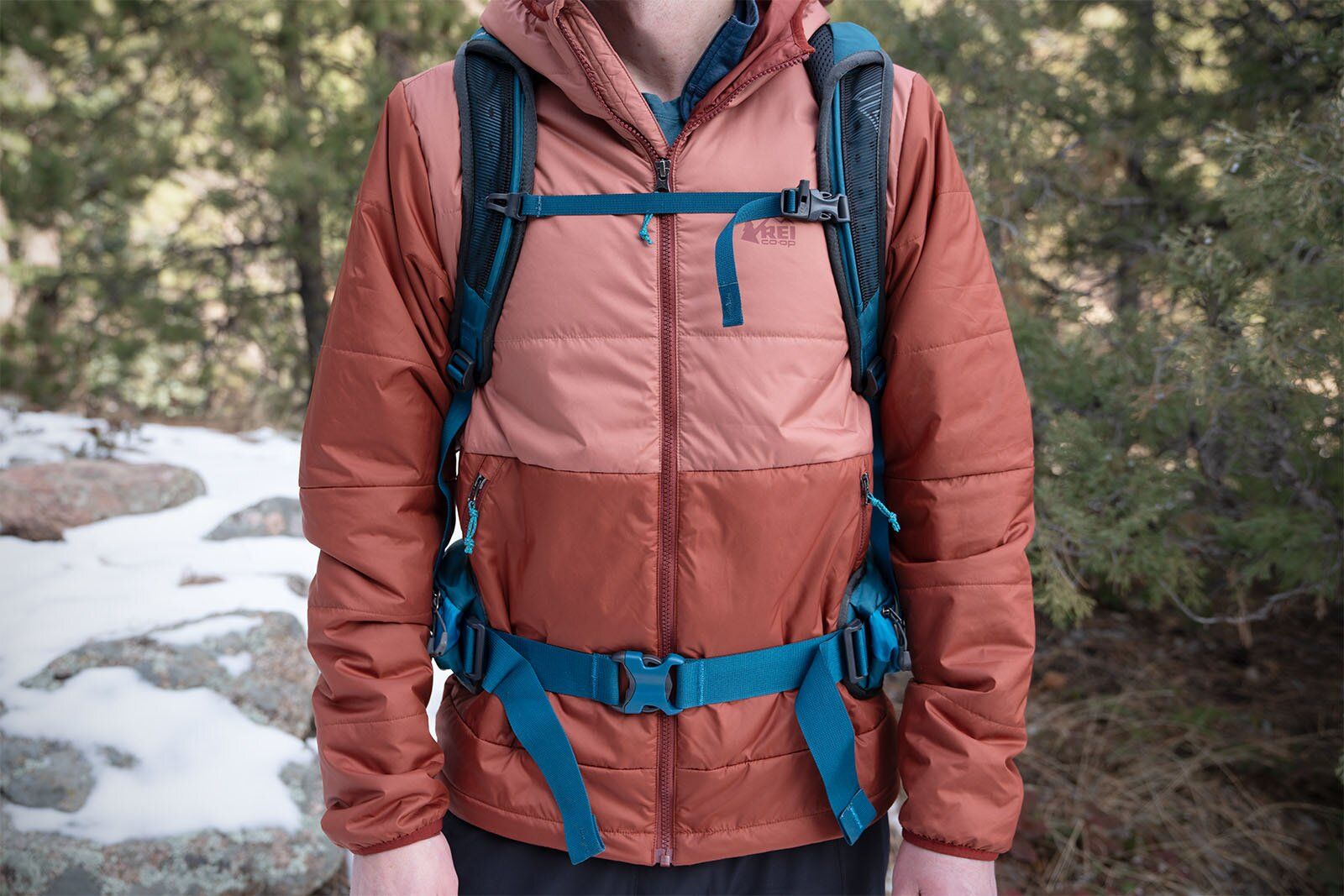
The Zulu 24 LT is basically a backpacking pack in miniature, and we mean that as a compliment. This is a comfortable, sturdy daypack with excellent design elements, especially its breathable trampoline-style backpanel. We wish it came in more sizes, though, and was a bit lighter.

Comfort & Support

Organization

Weight

Durability

Water Resistance

Sustainability
Weight
2 lb. 4.8 oz.
Capacity
24L (20, 28L)
Hipbelt
Padded
Suspension
Perimeter frame
Pros
Cons
Gregory’s Zulu (women’s Jade) series includes true backpacking packs—topping out at 65 liters—but every model in the lineup benefits from the same design excellence, including the Zulu 24 LT. This is one of the best all-around daypacks we tested, offering a feature set more commonly found on larger, pricier packs. Most notably, its suspension system includes a steel perimeter frame that evenly distributes weight and supports a trampoline-style backpanel for comfy, ventilated carry. Paired with well-padded shoulder straps and a substantial hipbelt (which wouldn’t look out of place on a multiday pack), the Zulu 24 LT comfortably carried up to 20 pounds in our testing. Durability is another win, with a 400-denier ripstop polyester shell that’s tough enough for regular abuse.
At 2 pounds 4.8 ounces, the Gregory Zulu 24 LT is much heavier than pared-down ultralight options like the Hyperlite Elevate 22, but the weight is justified if you prioritize comfort and support. That said, it’s not perfect. The curved mesh backpanel eats into the main compartment space, making 24 liters feel tighter than expected—especially with a hydration reservoir inside. Fortunately, storage elsewhere is generous, with roomy zippered hipbelt pockets, side water bottle pockets, a small top zippered pocket, and trekking pole storage. Our opinions were divided on the vertical dorsal pouch, which can let items slip out if you forget to fully zip it closed.
Ultimately, the Zulu 24 LT is best suited for hikers who want extra support and breathability. If your kit consists of a few layers, 2 liters of water, and some snacks, you might prefer a more streamlined design. The suspended mesh backpanel is truly overkill for light loads, and doesn’t pack down well for travel or flex easily with fast-moving bodies. But if you’re looking for day-hiking comfort that mirrors a backpacking pack, the Zulu 24 LT is hard to beat. For more, read our Gregory Zulu 24 LT review.
The Daylite Plus checks all the boxes you’d want in a simple, affordable, and durable daypack. While it doesn’t support weight very well and has a pared-down feature set, it’s an attractive and versatile option for everything from casual hiking to travel.
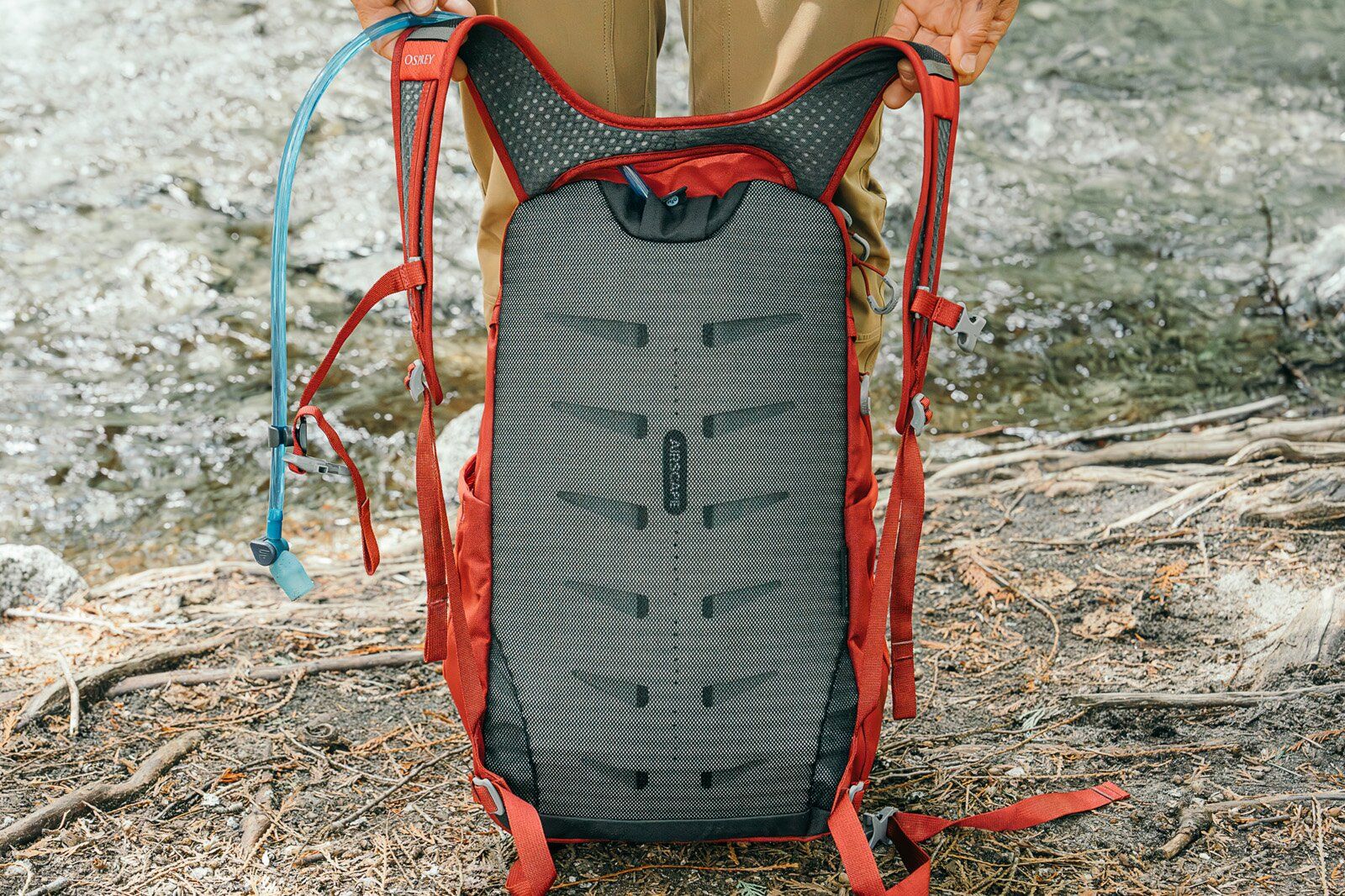
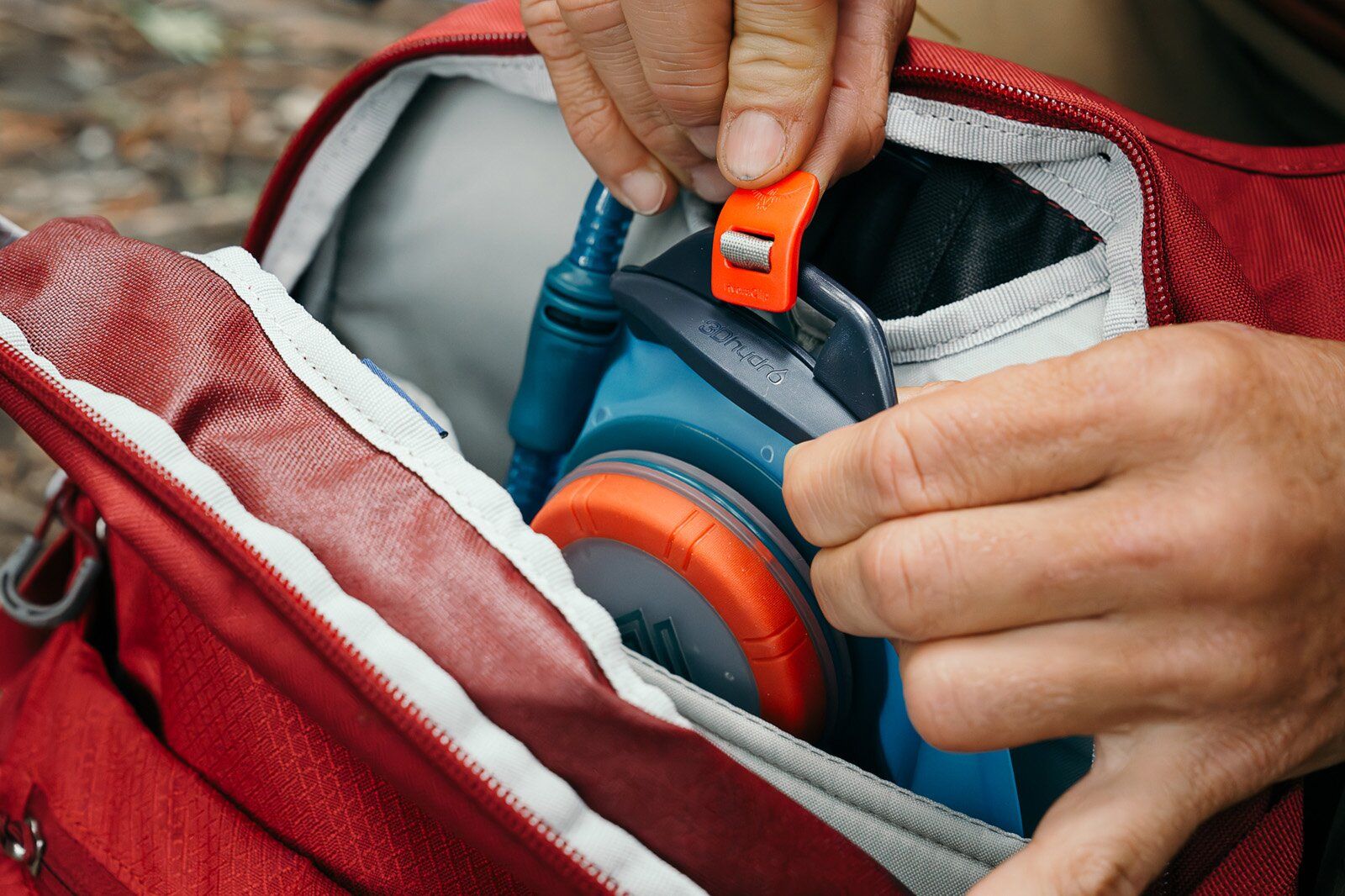
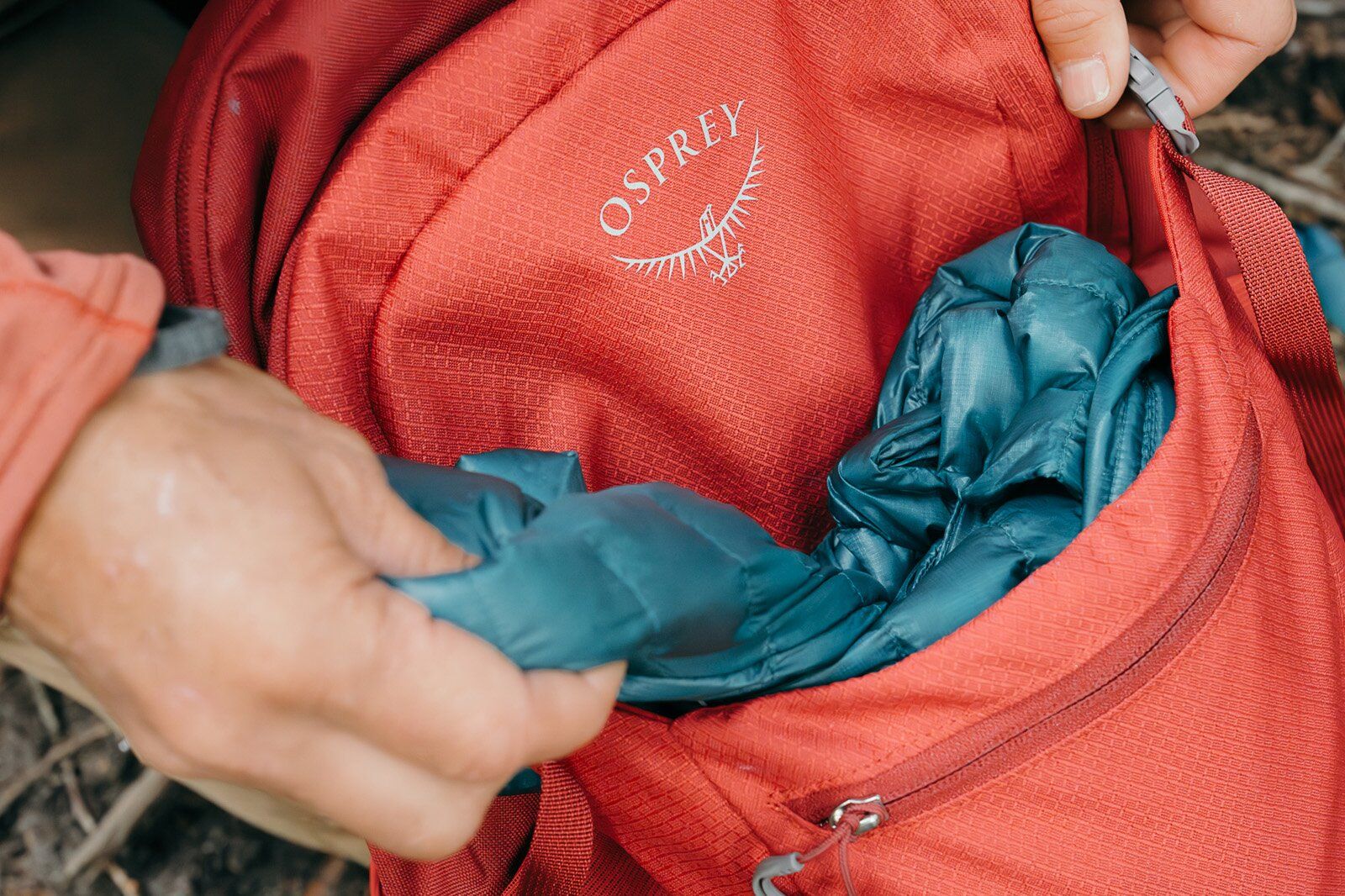
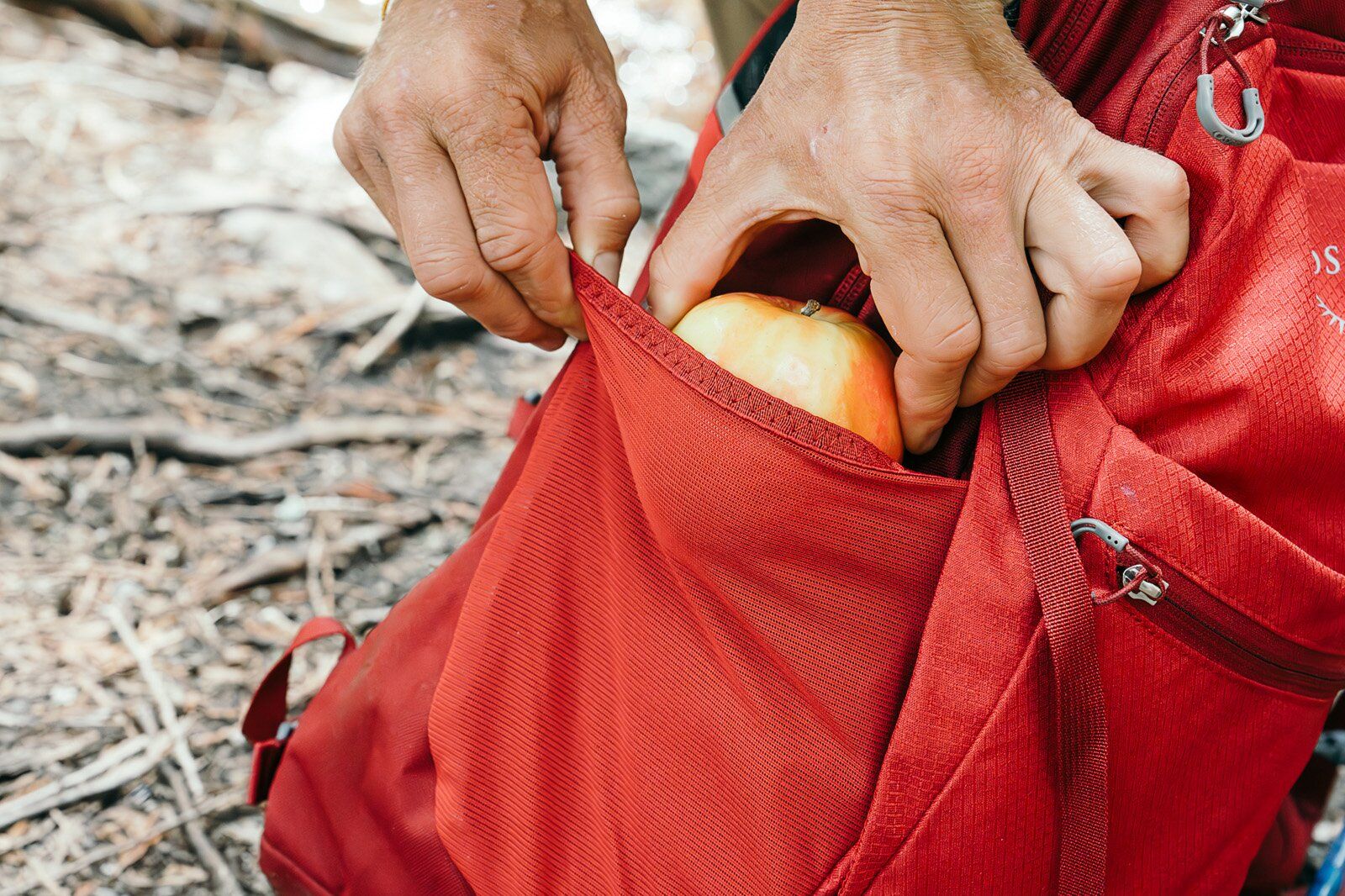
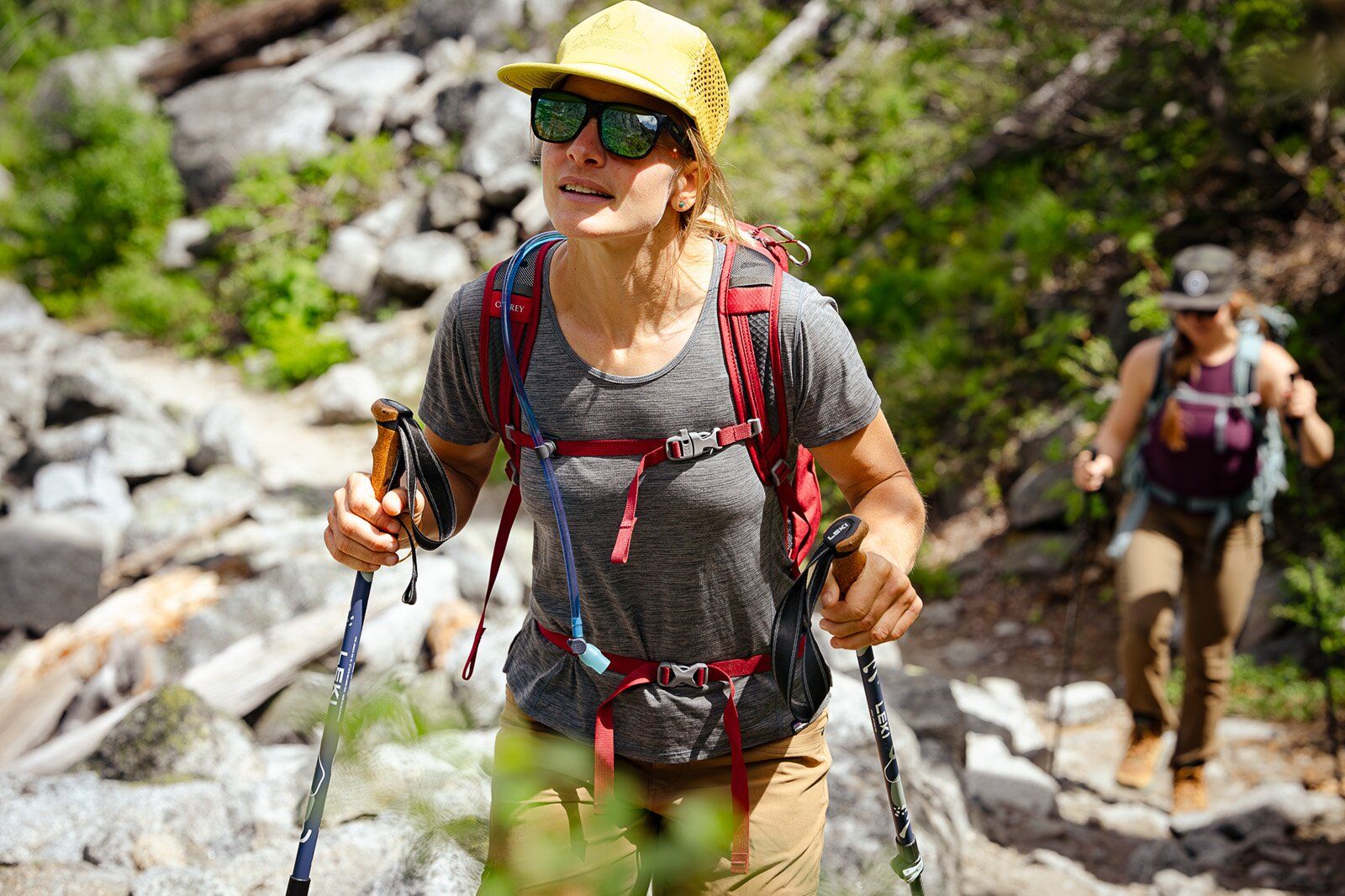
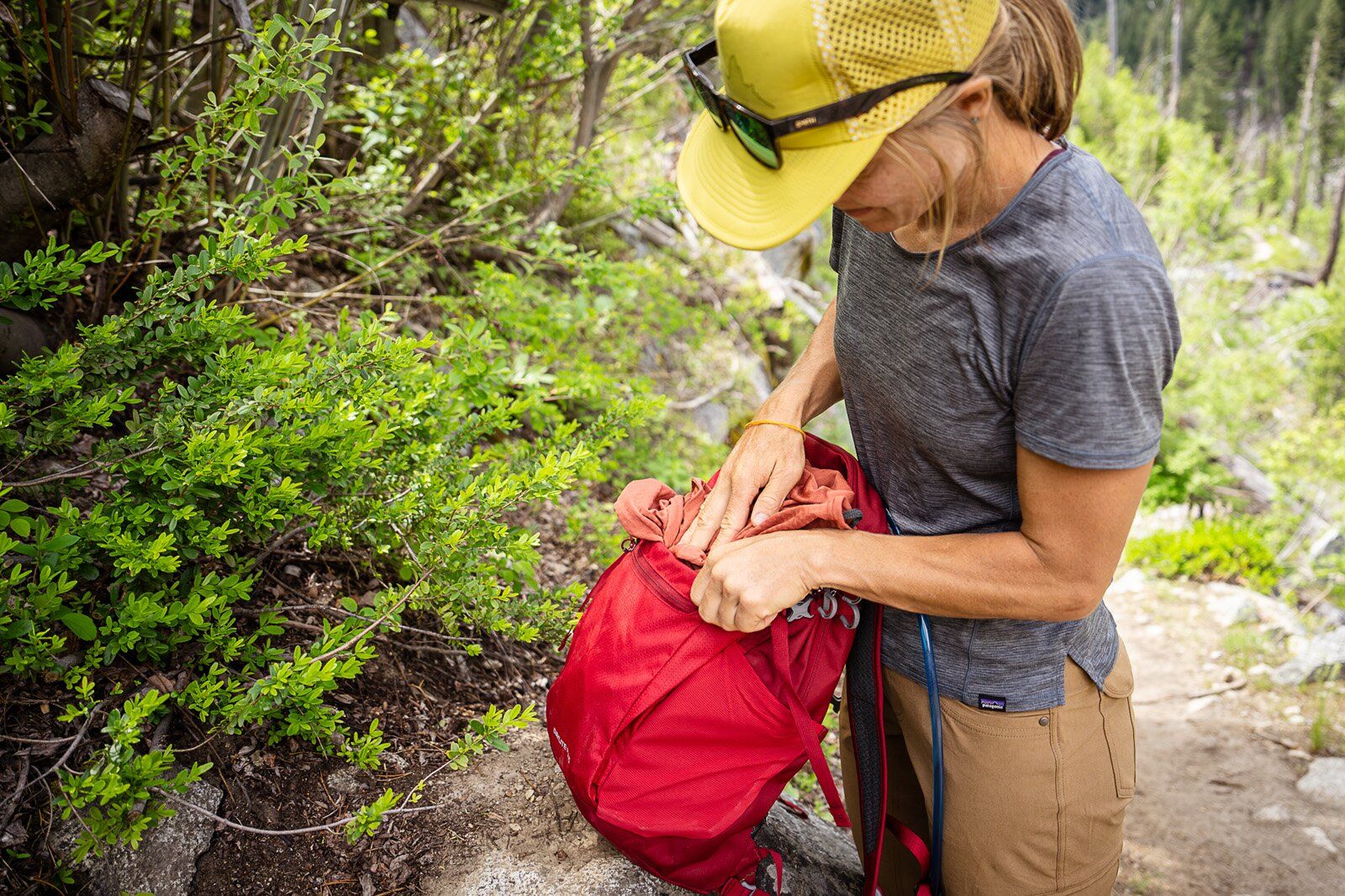
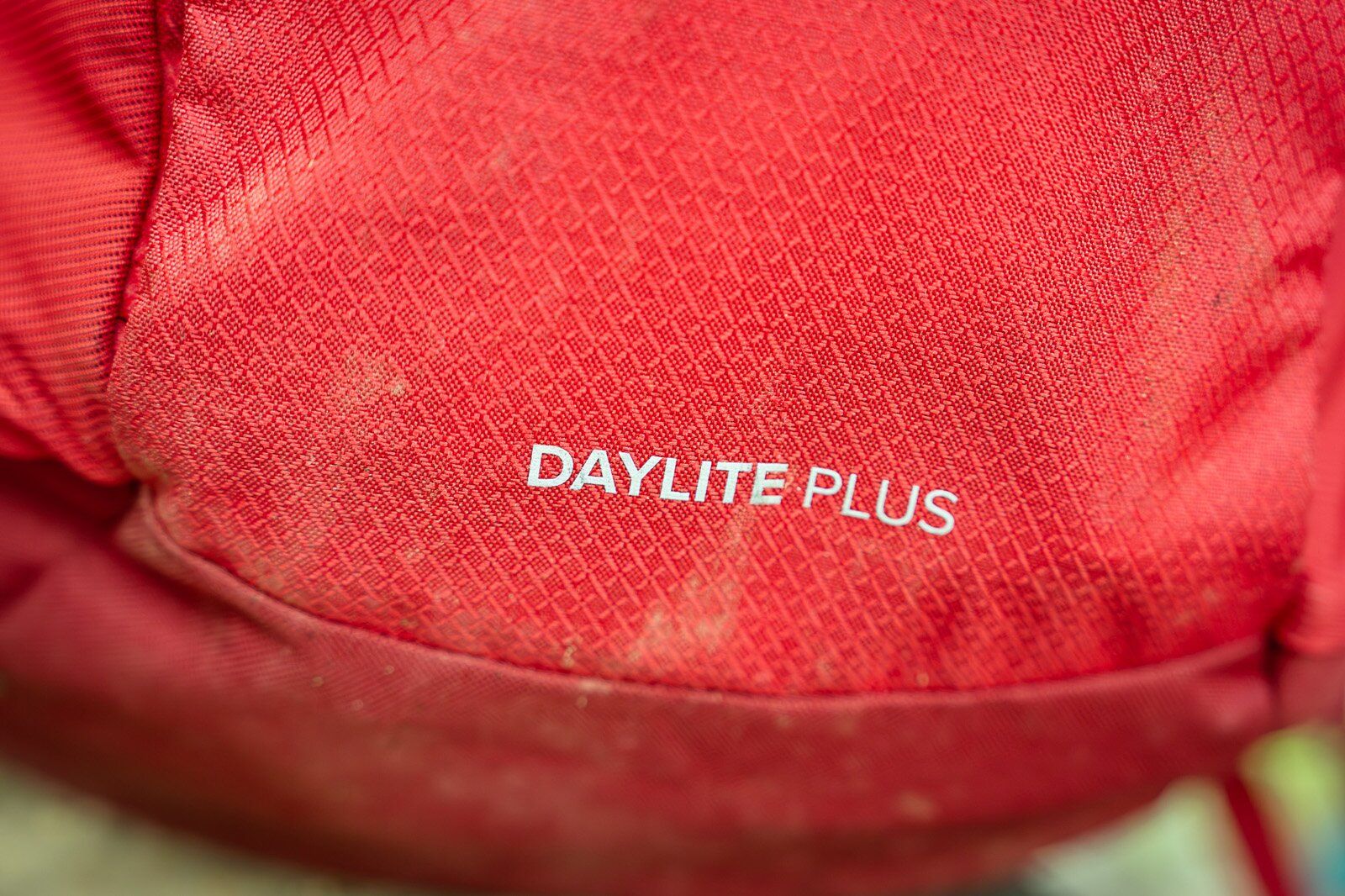
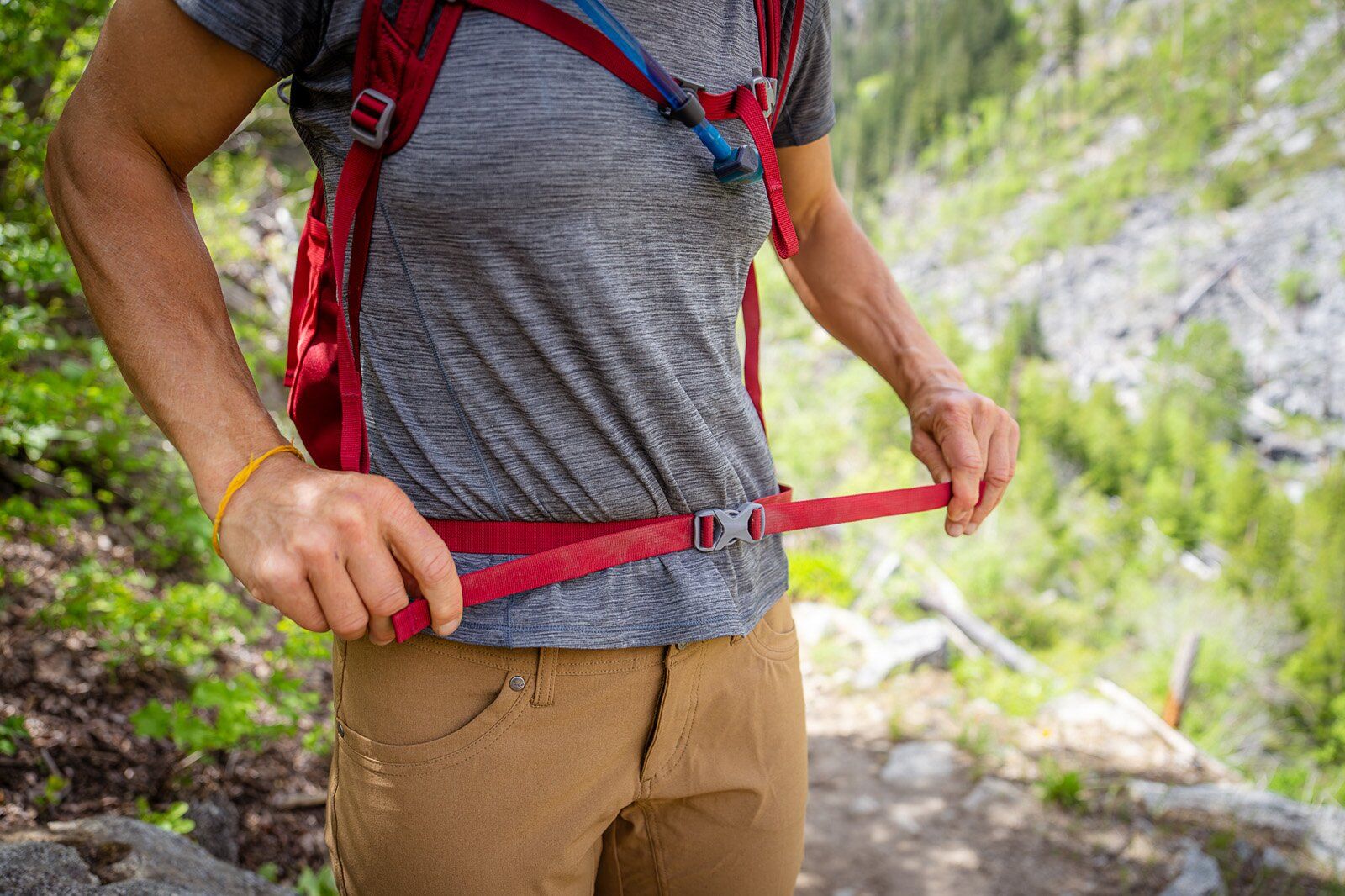
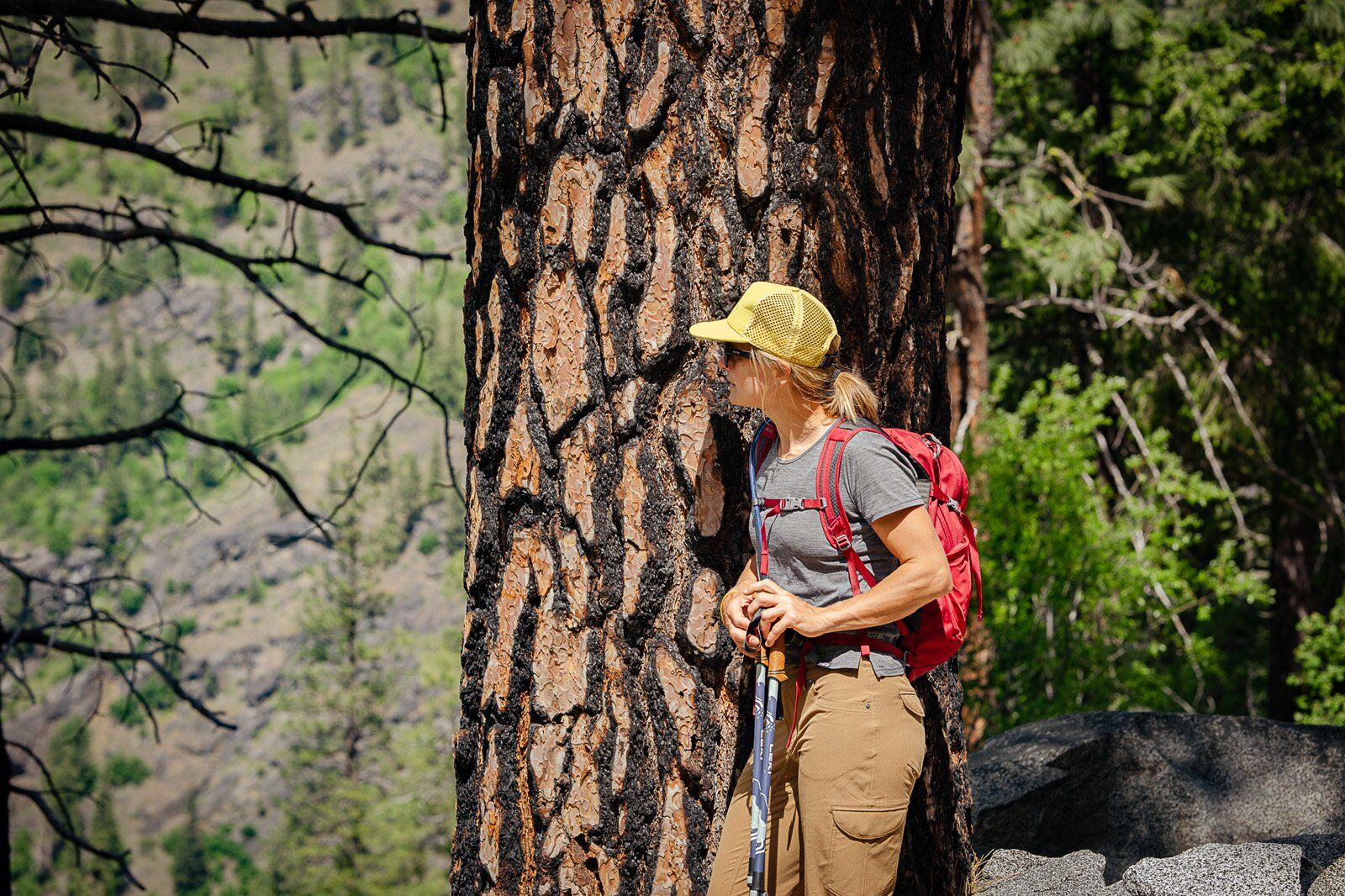
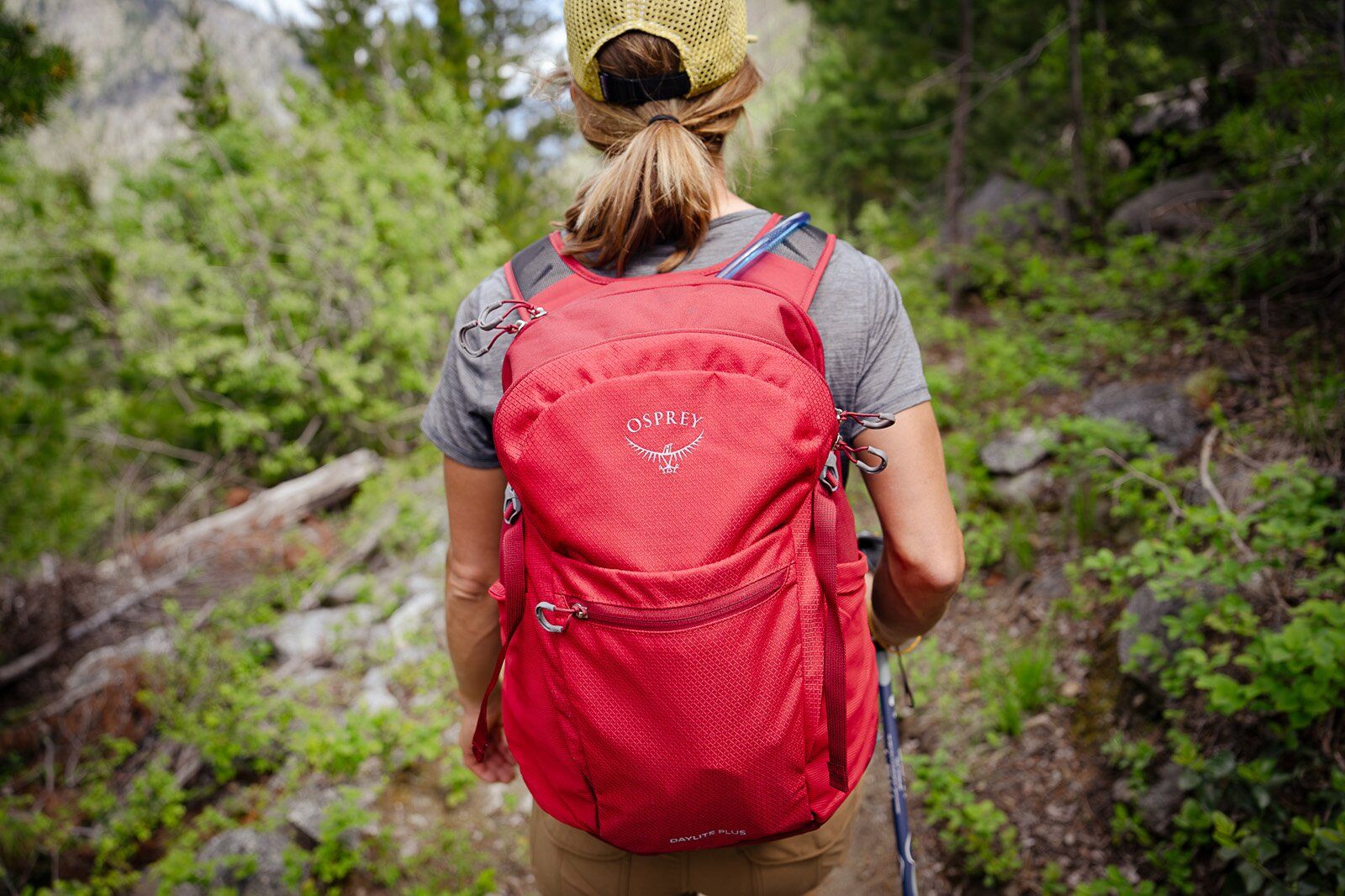
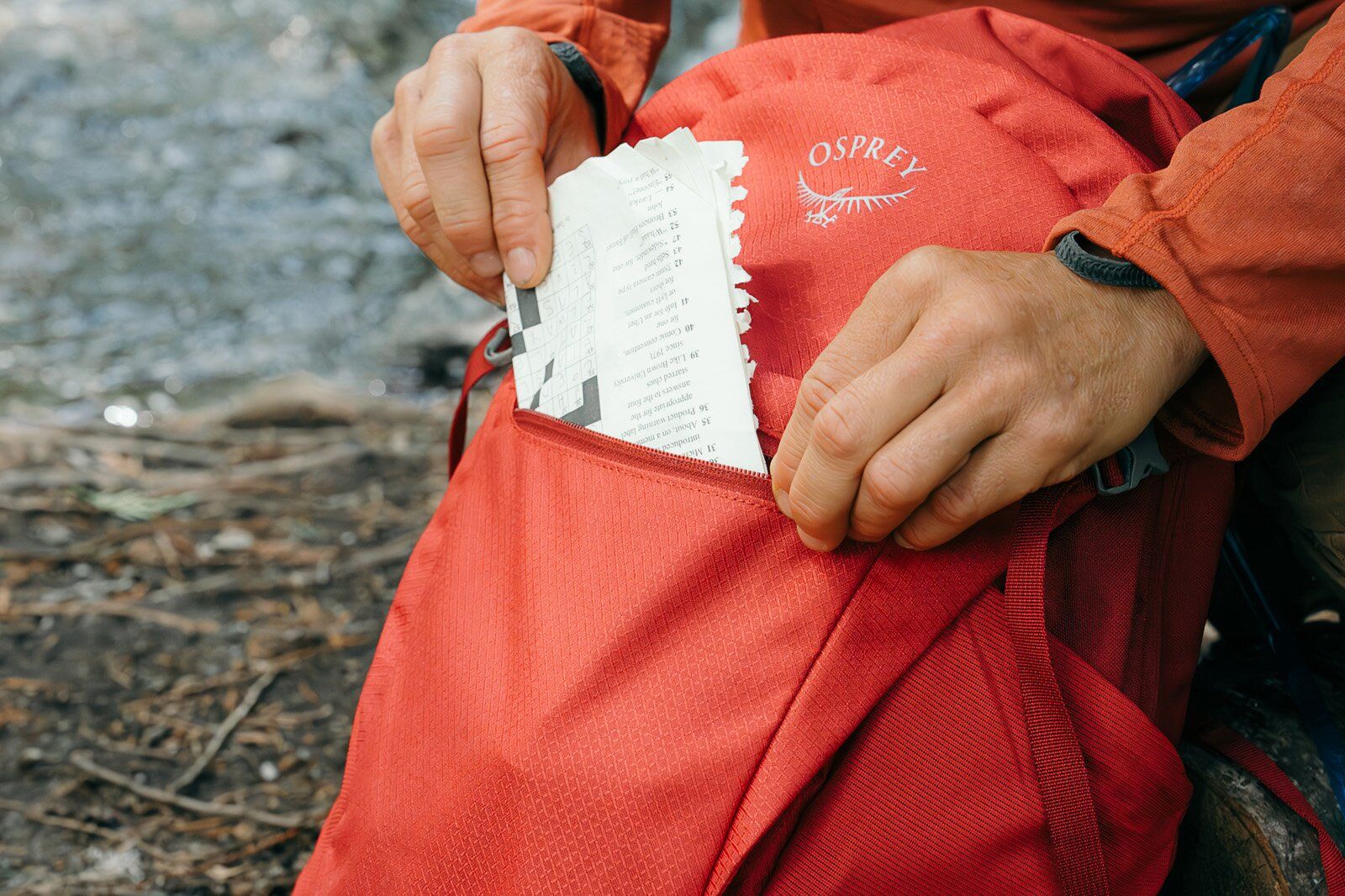
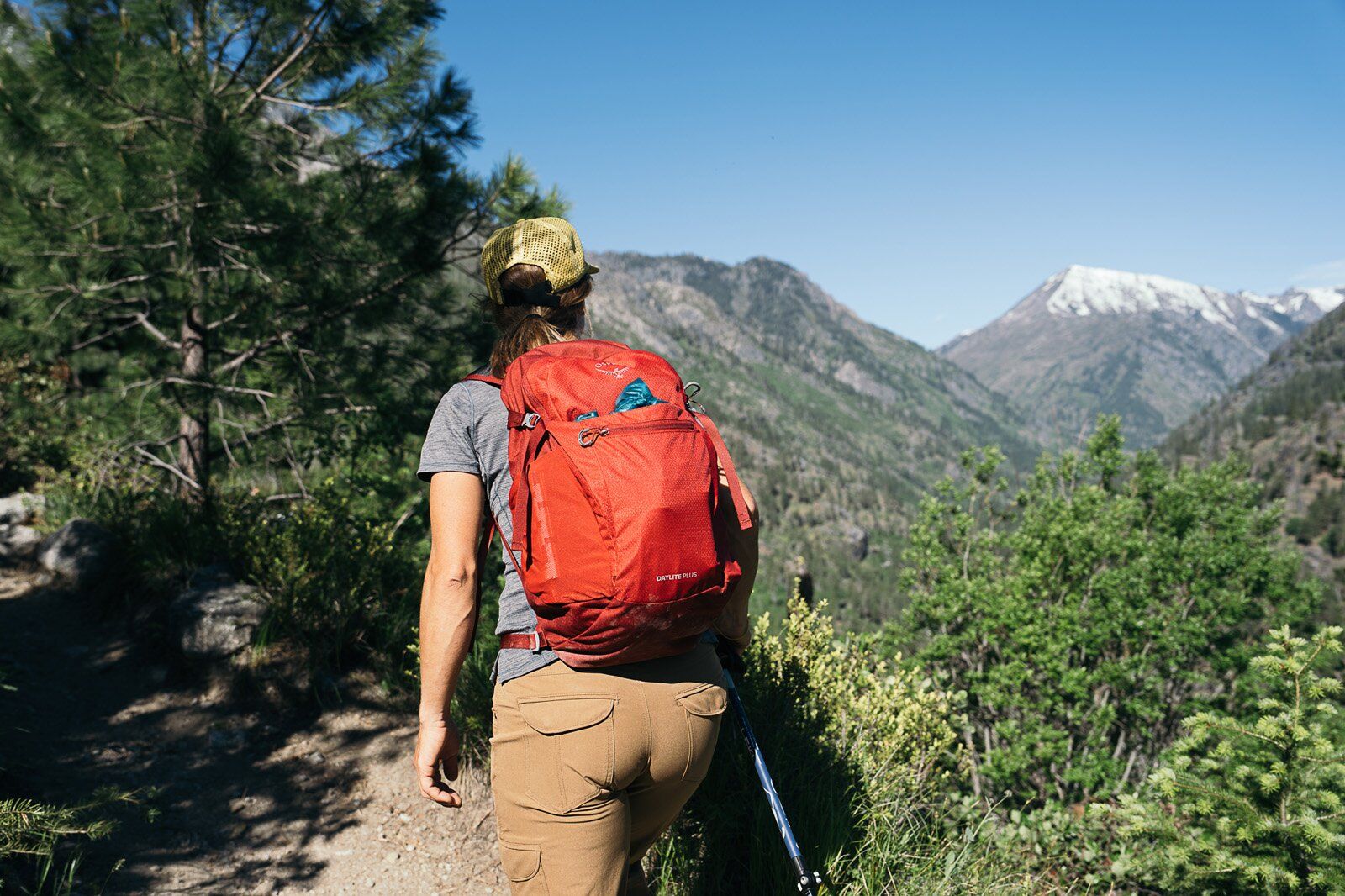
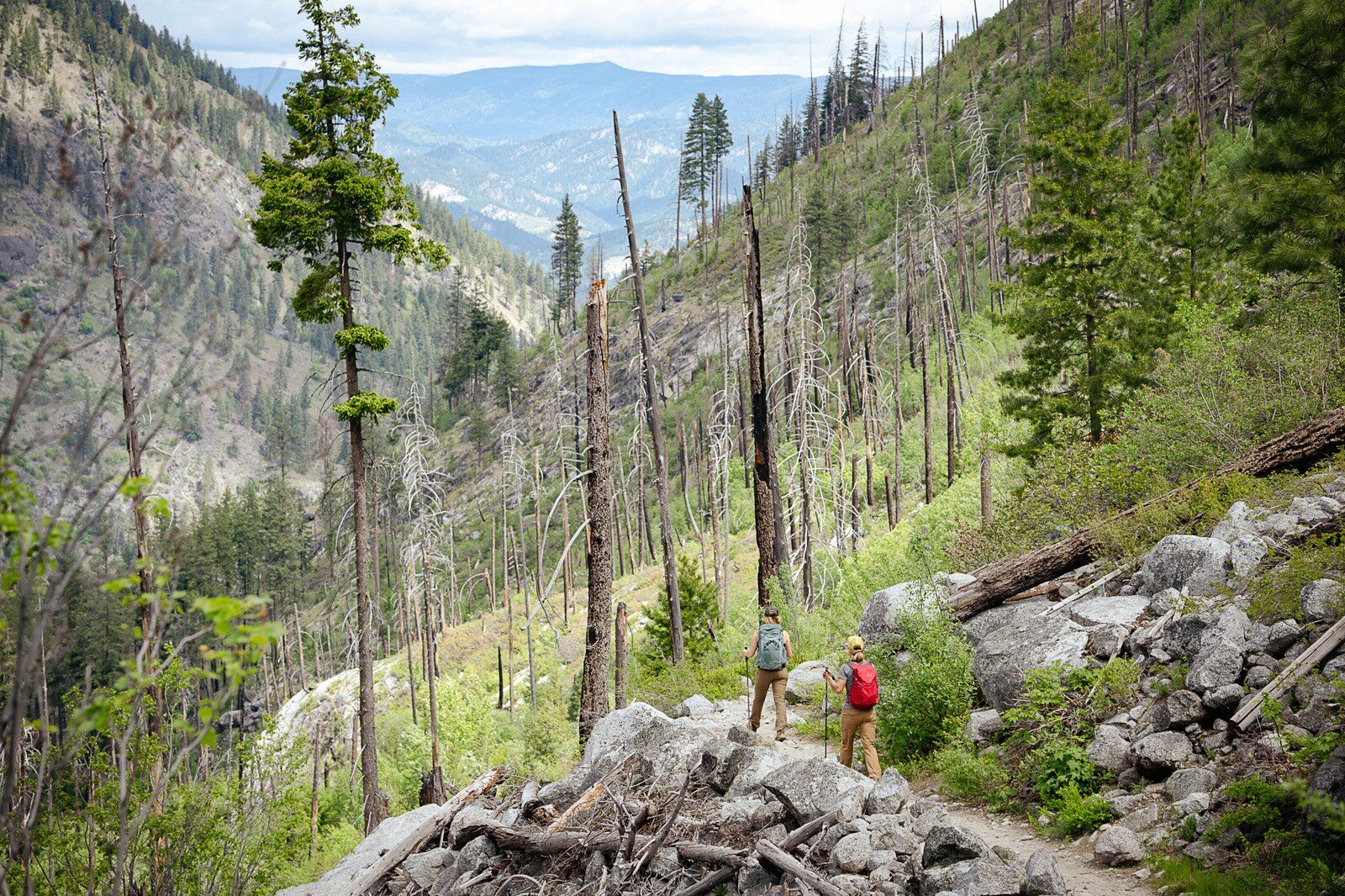
The Daylite Plus checks all the boxes you’d want in a simple, affordable, and durable daypack. While it doesn’t support weight very well and has a pared-down feature set, it’s an attractive and versatile option for everything from casual hiking to travel.
Comfort & Support
Organization
Weight
Durability
Water Resistance
Sustainability
Weight
1 lb. 4.6 oz.
Capacity
20L
Hipbelt
Webbing
Suspension
Frameless
Pros
Cons
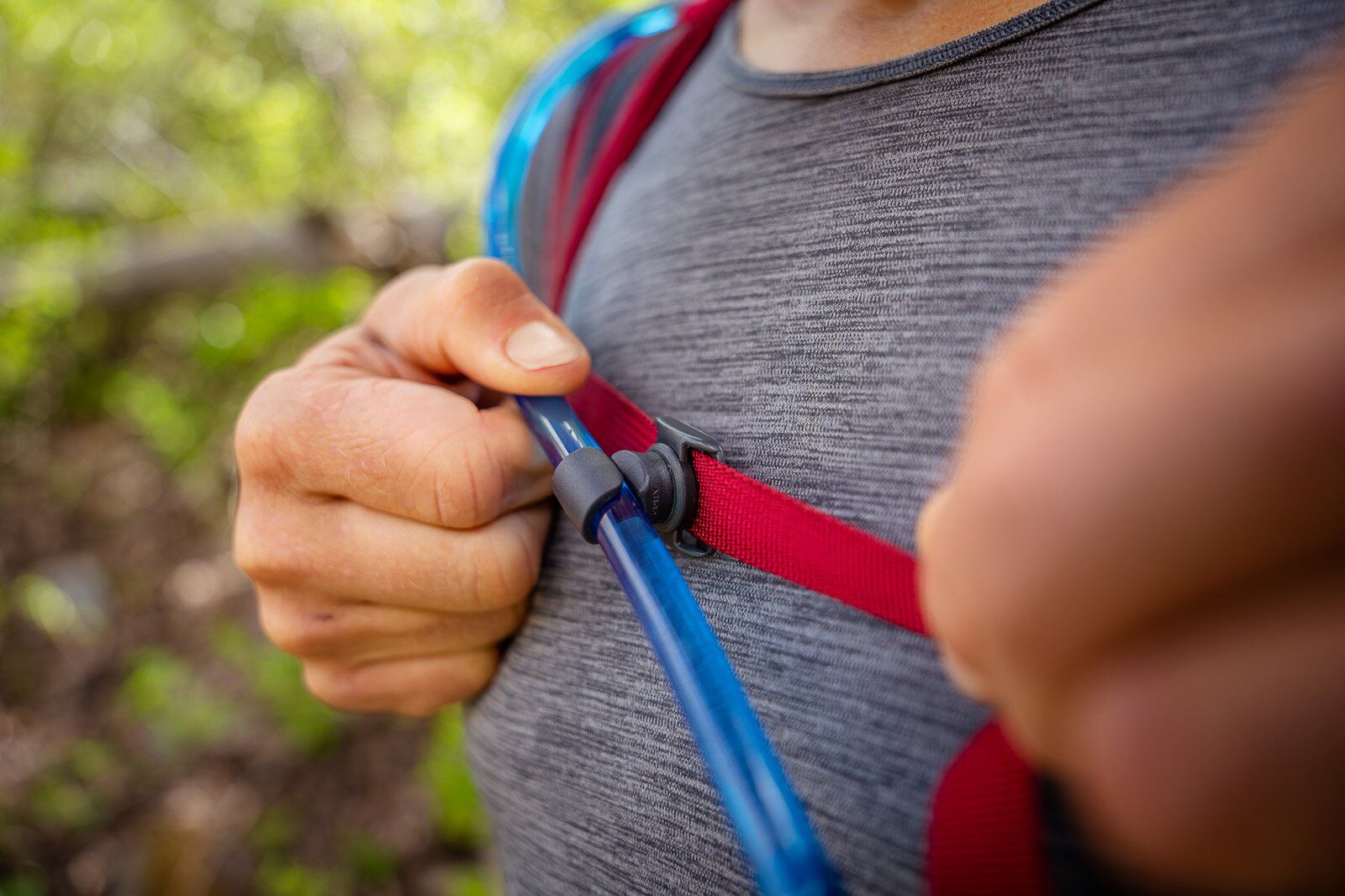
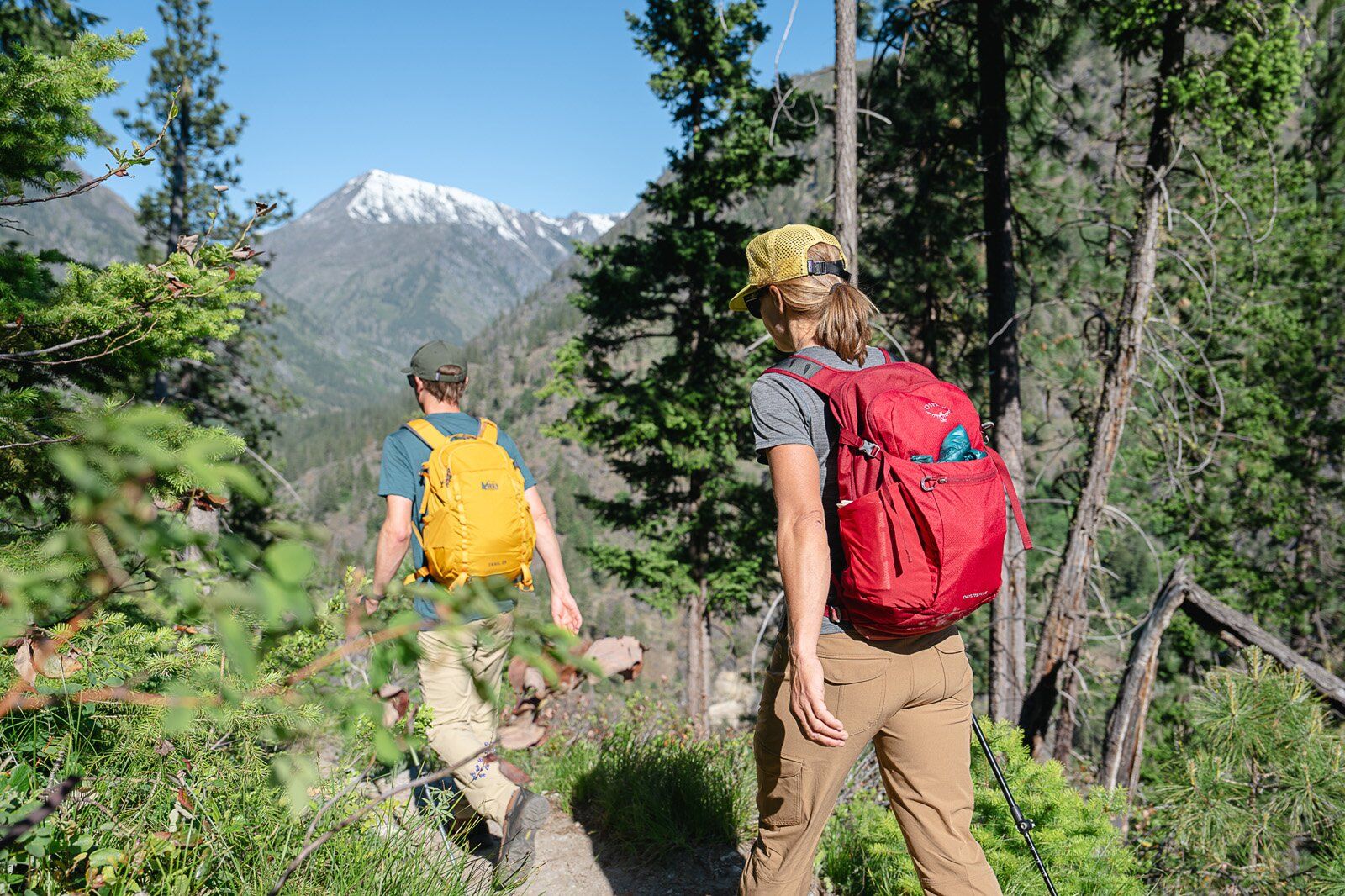
While many daypacks earn praise for their feature-heavy designs, we appreciate the Daylite Plus for its refreshing simplicity. It dispenses with fancy back panels, intricate adjustment systems, and excessive pockets yet remains a functional, durable pack for casual day hiking. On a recent outing in Washington’s Central Cascades, the 20-liter capacity carried everything we needed for a summer day hike, and the lightly padded shoulder straps and ribbed foam back panel provided all-day comfort. We also took the Daylite Plus on a trip to Southern Patagonia, where it easily disappeared into a corner of our backpacking pack but was just the ticket for day hikes across Argentina and Chile.
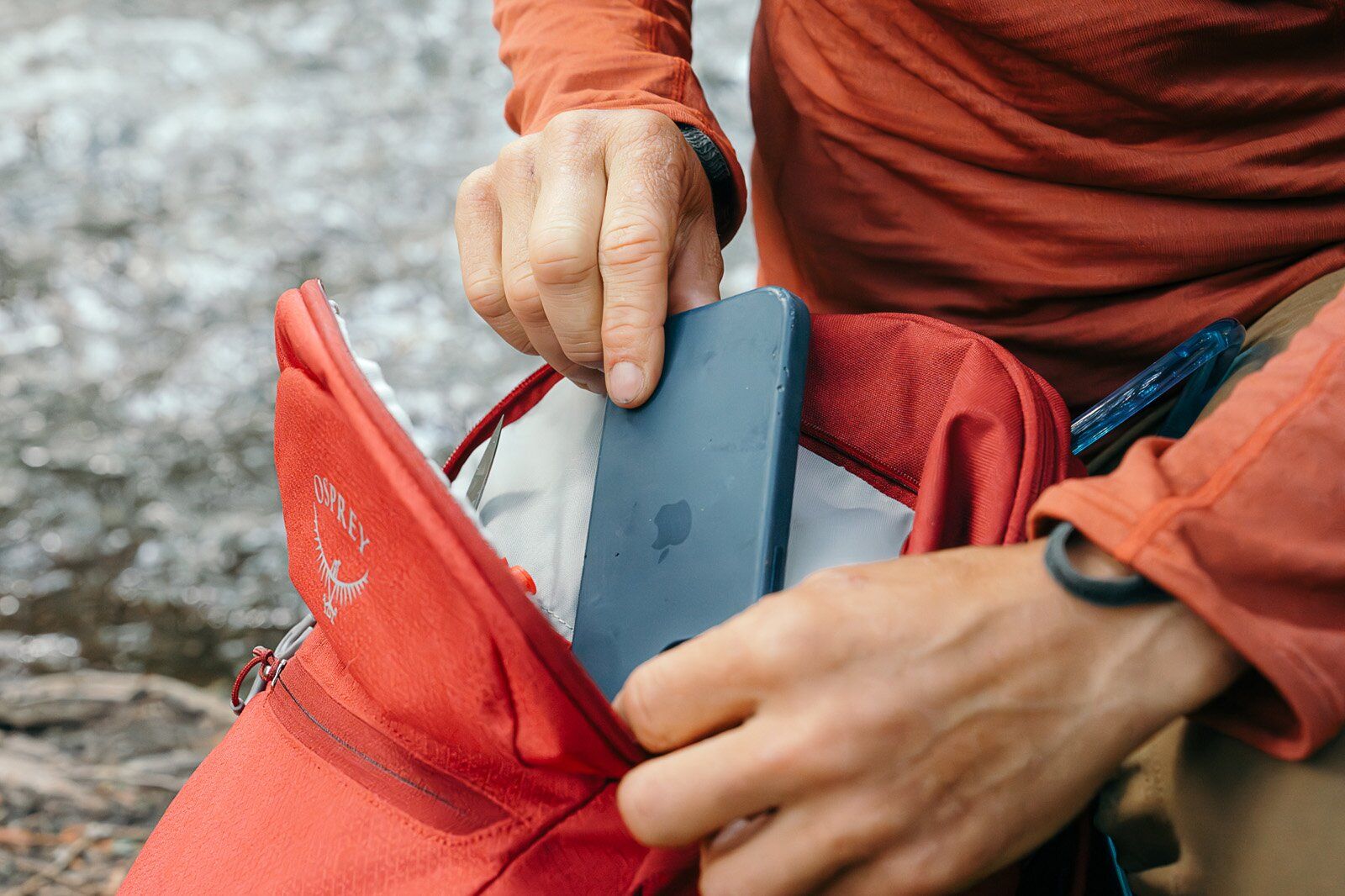
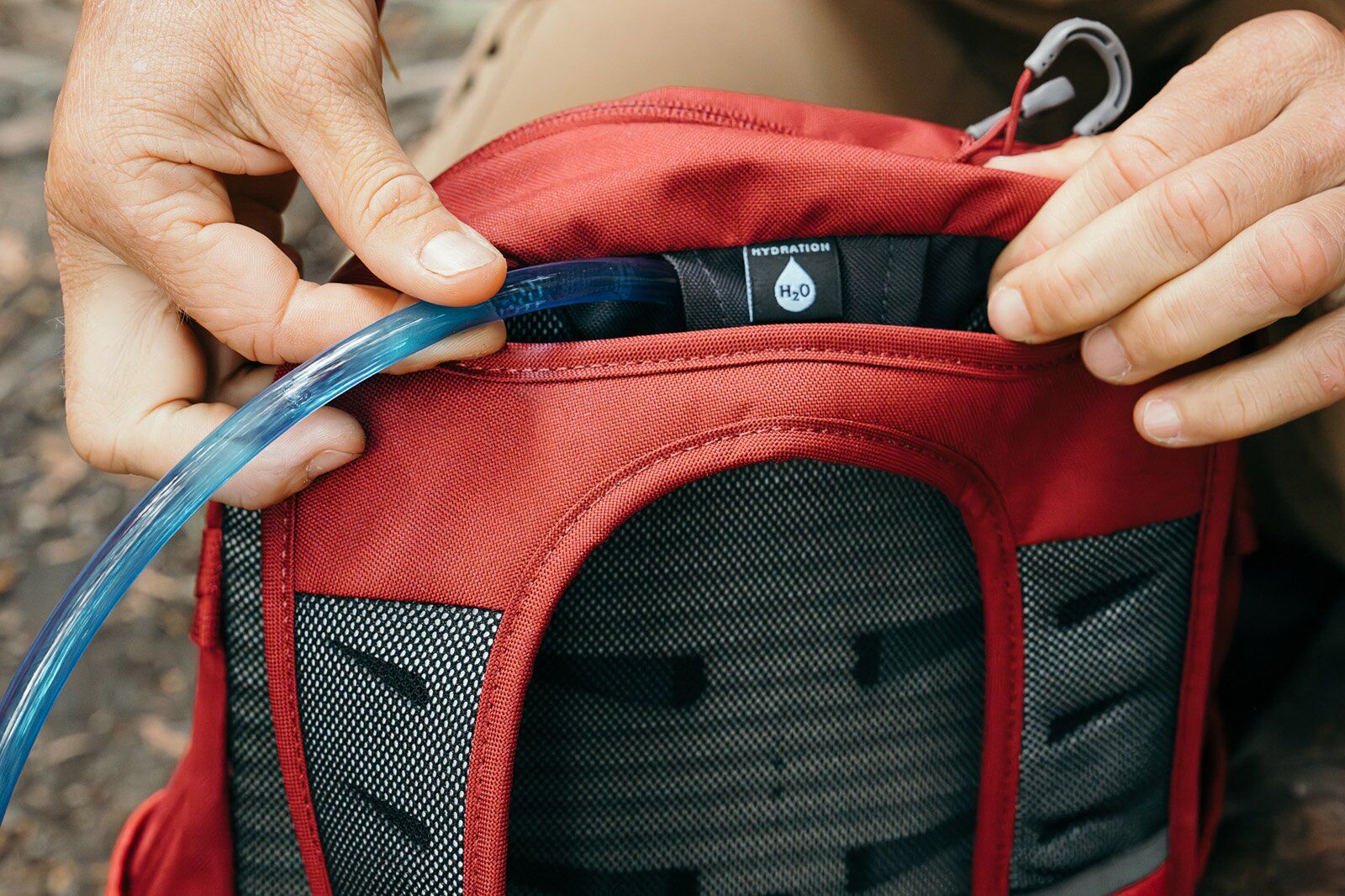
One of the Daylite Plus’ biggest strengths is its versatility. The pack’s 300-denier nylon construction, reinforced with 600-denier lining and bottom, feels impressively rugged, giving us the confidence to toss it around without worry. Its no-frills, rough-and-tumble personality makes it equally suited for car camping, commuting, and travel, and its padded interior hydration sleeve doubles as a laptop compartment. We’ve also found the simple organization—a spacious main compartment, slim auxiliary pocket, side water bottle holders, and a back shove-it pocket with a small zippered compartment—makes gear easy to find without overcomplicating storage.
Of course, the Daylite Plus isn’t built for hauling heavy loads—for that, you’d want a padded hipbelt and a more robust suspension system. But we doubt anyone will mistake this pack for a load-hauler, and it’s plenty capable for low-weight, medium-mileage adventures. Another plus? It features attachment points for securing it to other Osprey bags, making it a seamless travel companion for Osprey devotees. Finally, while the one-size-fits-most build worked well for our tester, it’s best suited for those who land in the middle of the size spectrum—so don’t mistake the “Plus” for plus-sized. For more, read our Osprey Daylite Plus review.
The Miko is a simple yet technical daypack done right. It hits all the right notes for light-load hiking, and it’s versatile enough for backcountry and commuting use. However, other packs offer more impressive features for about the same price.
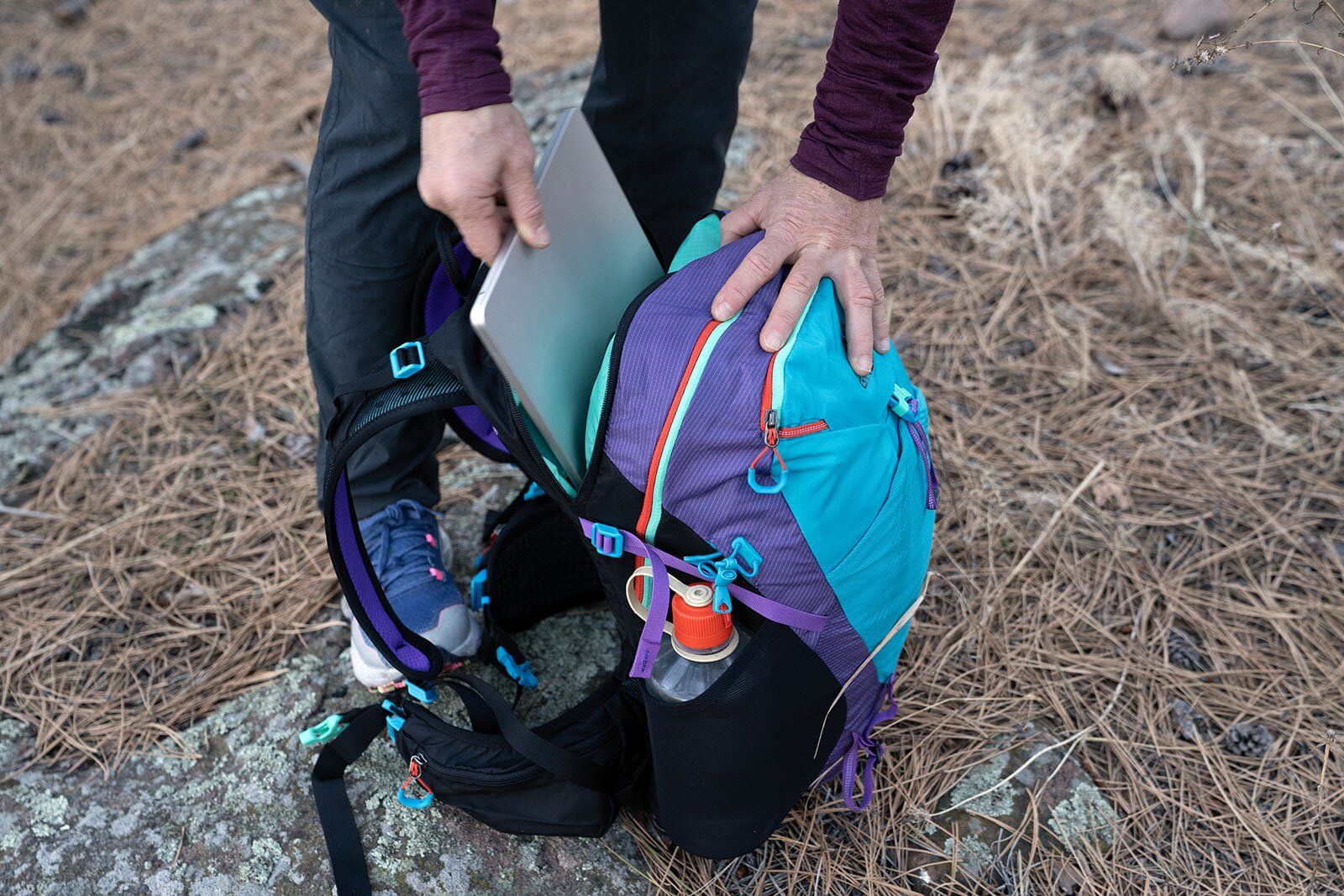
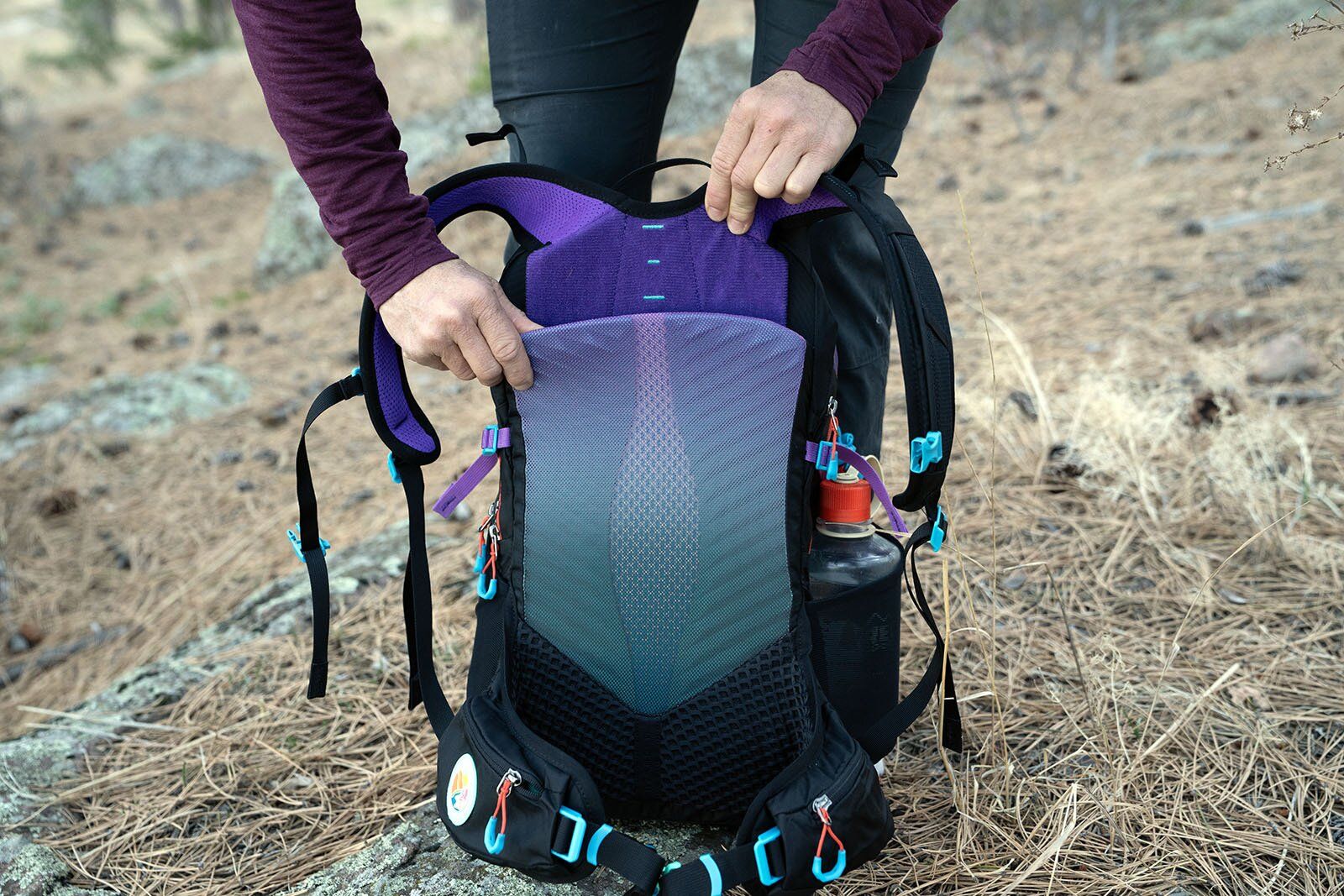
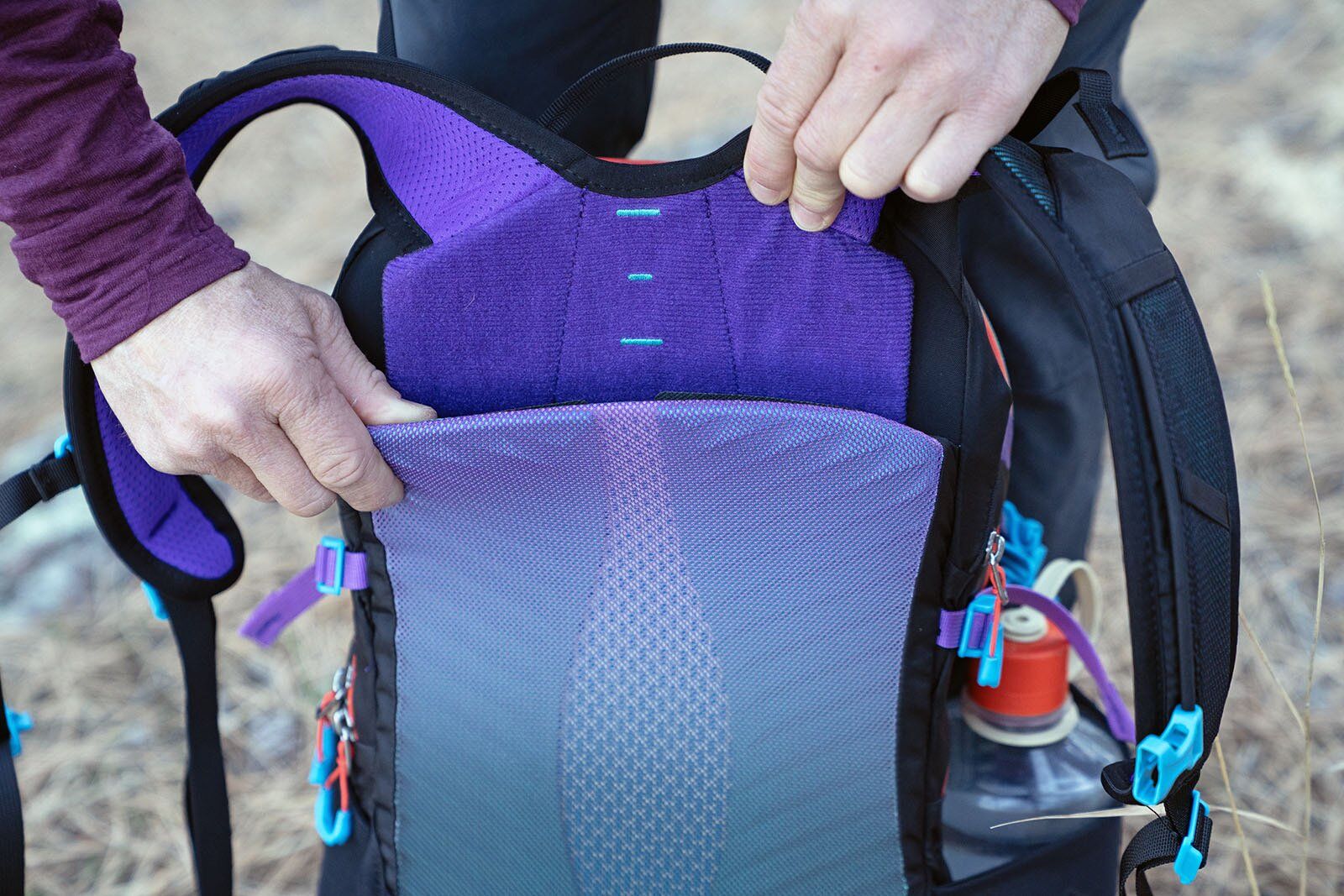
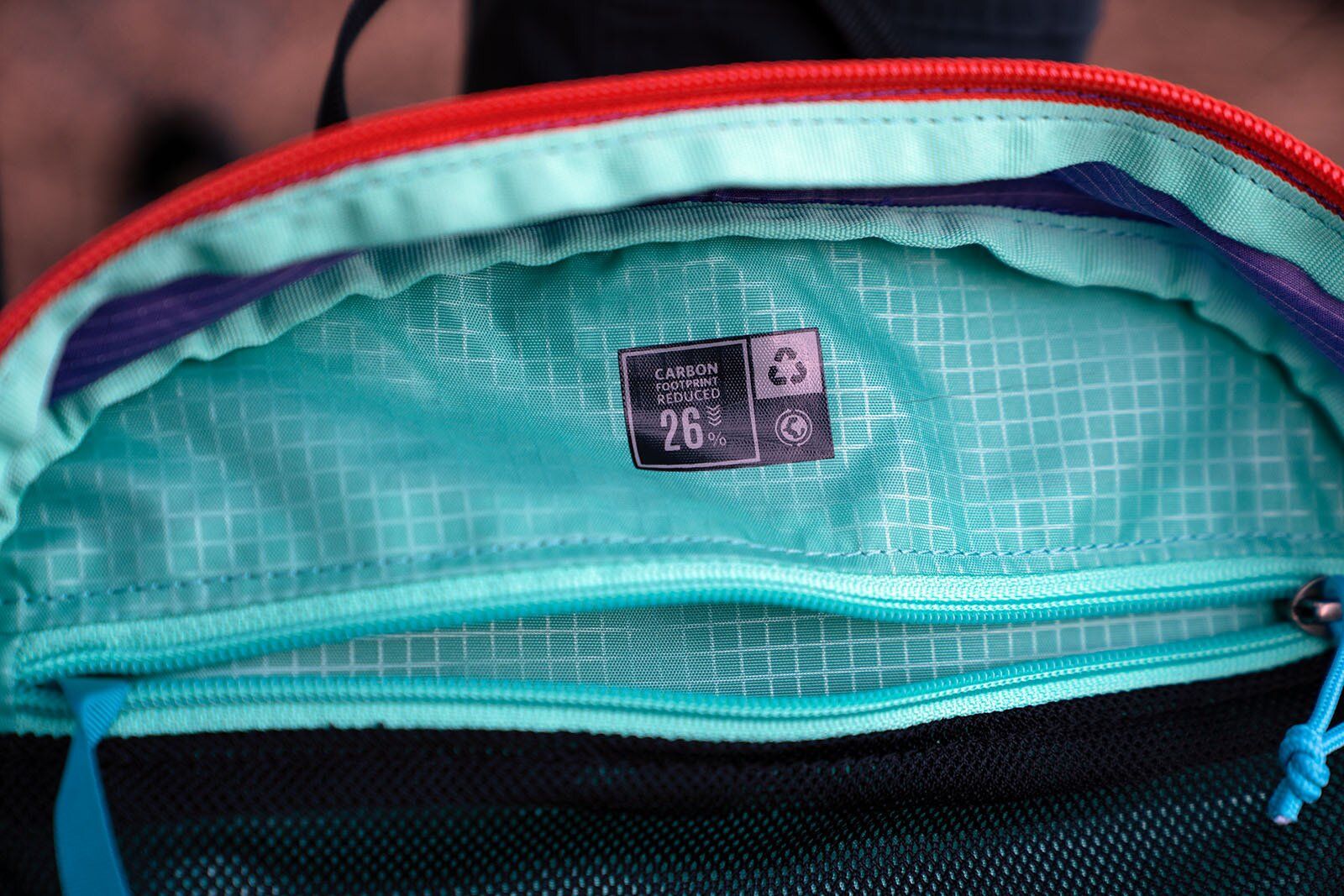
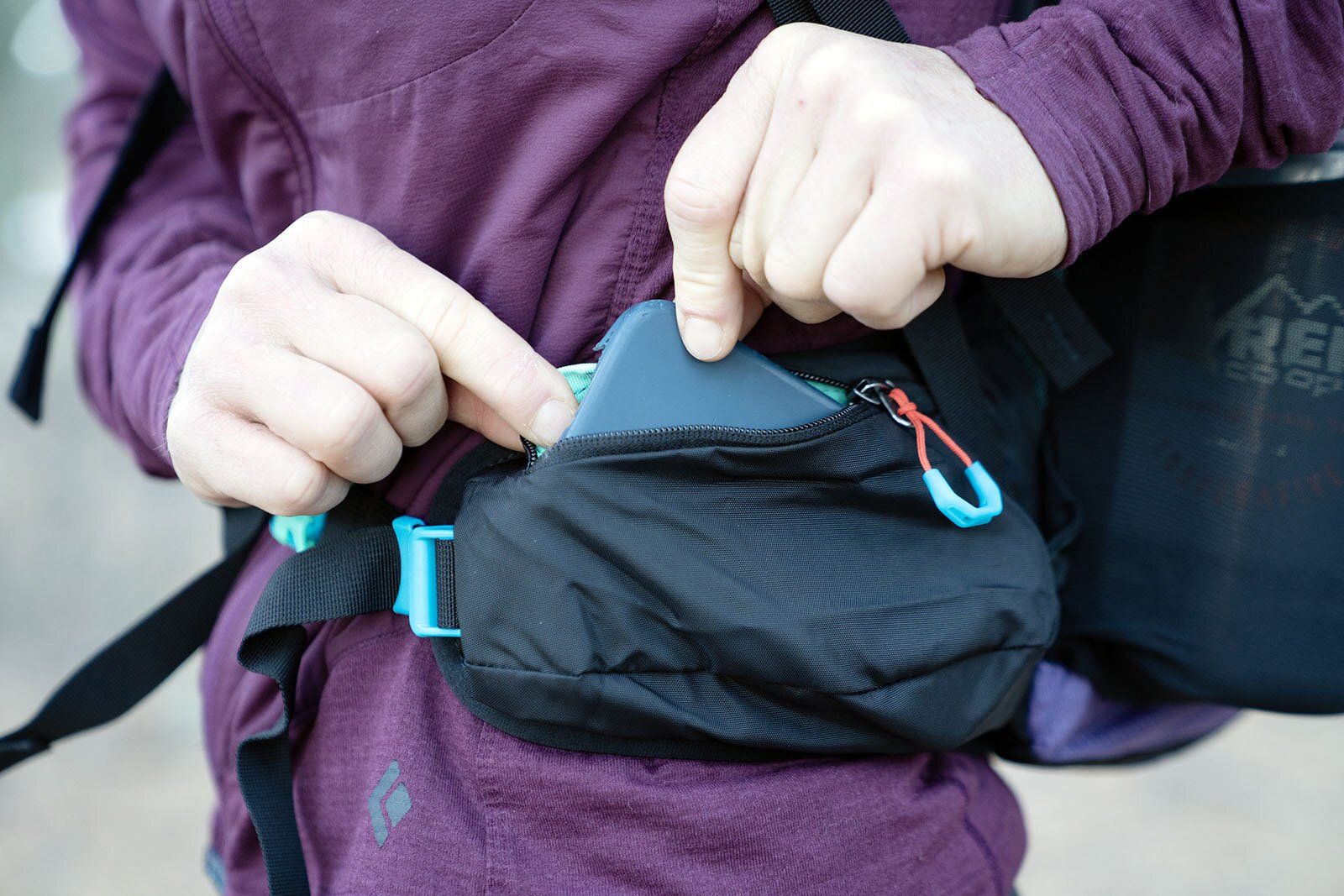
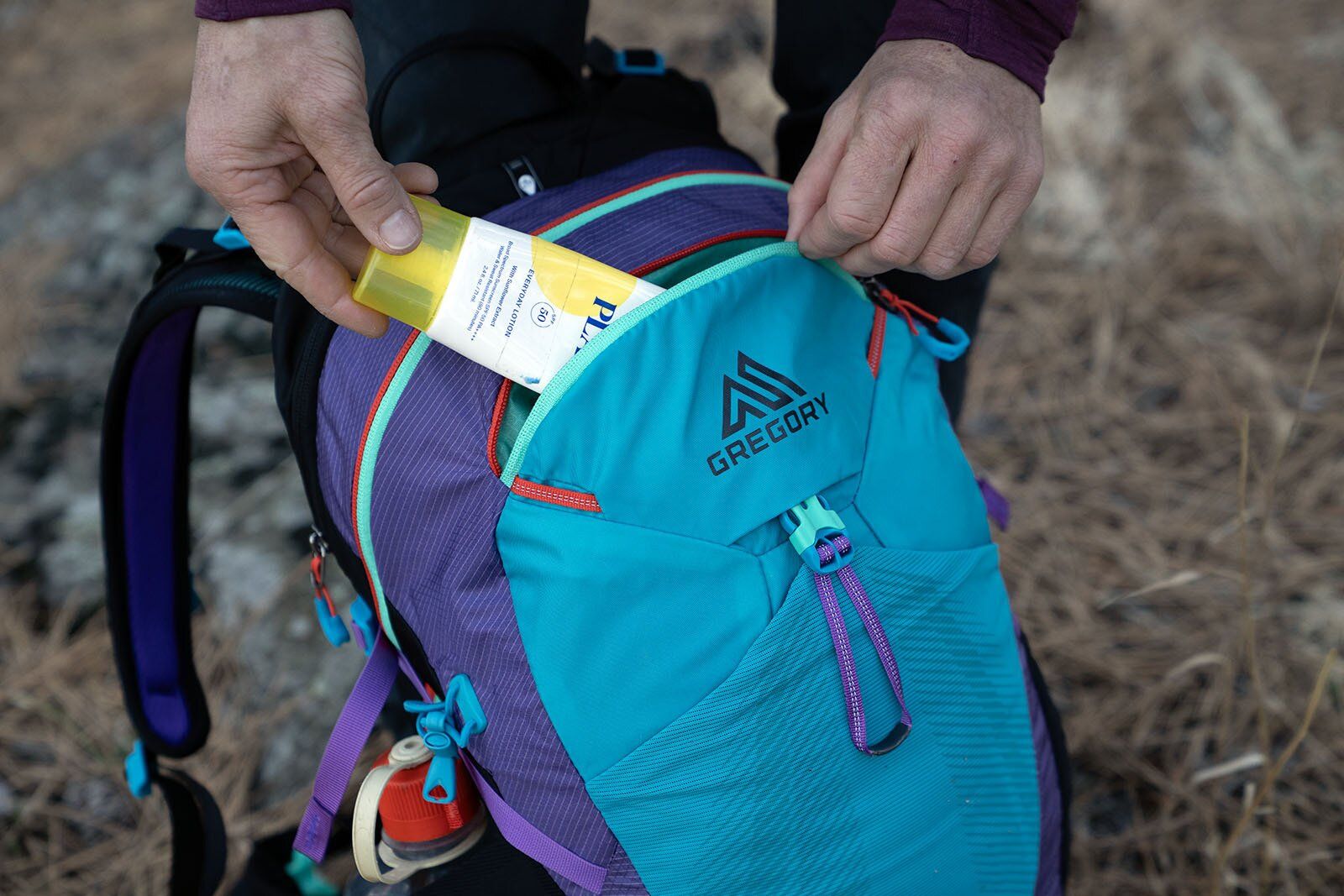
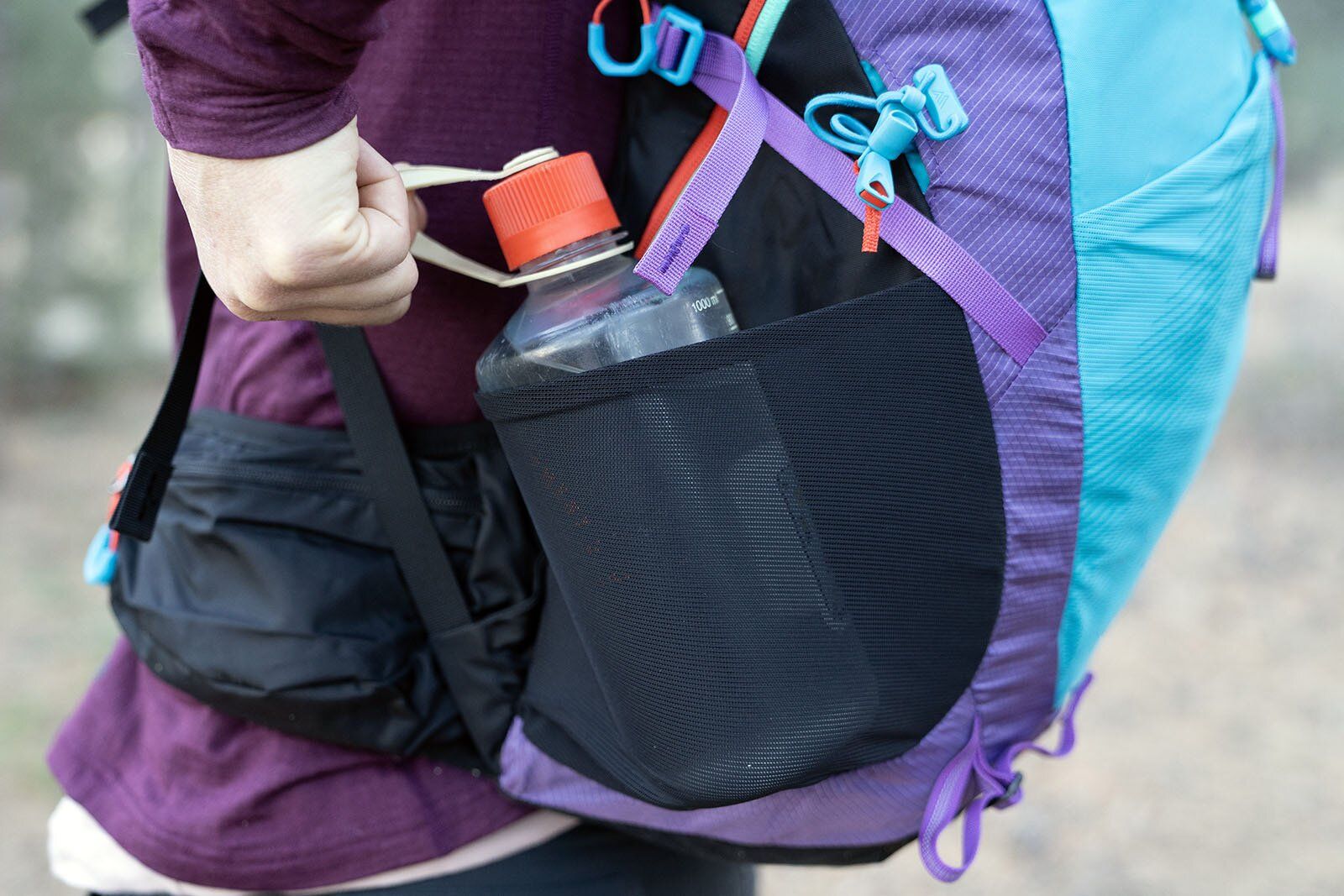
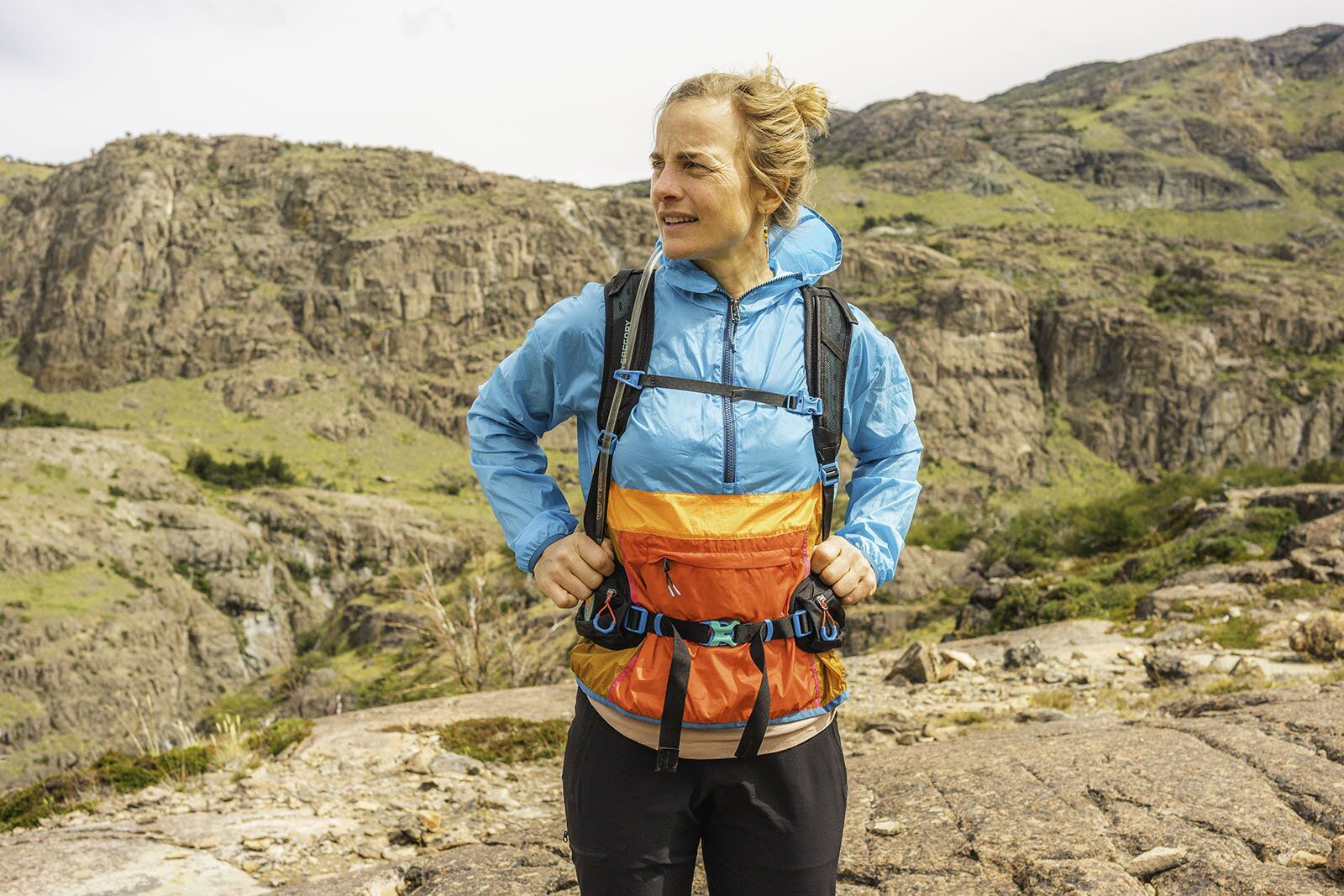
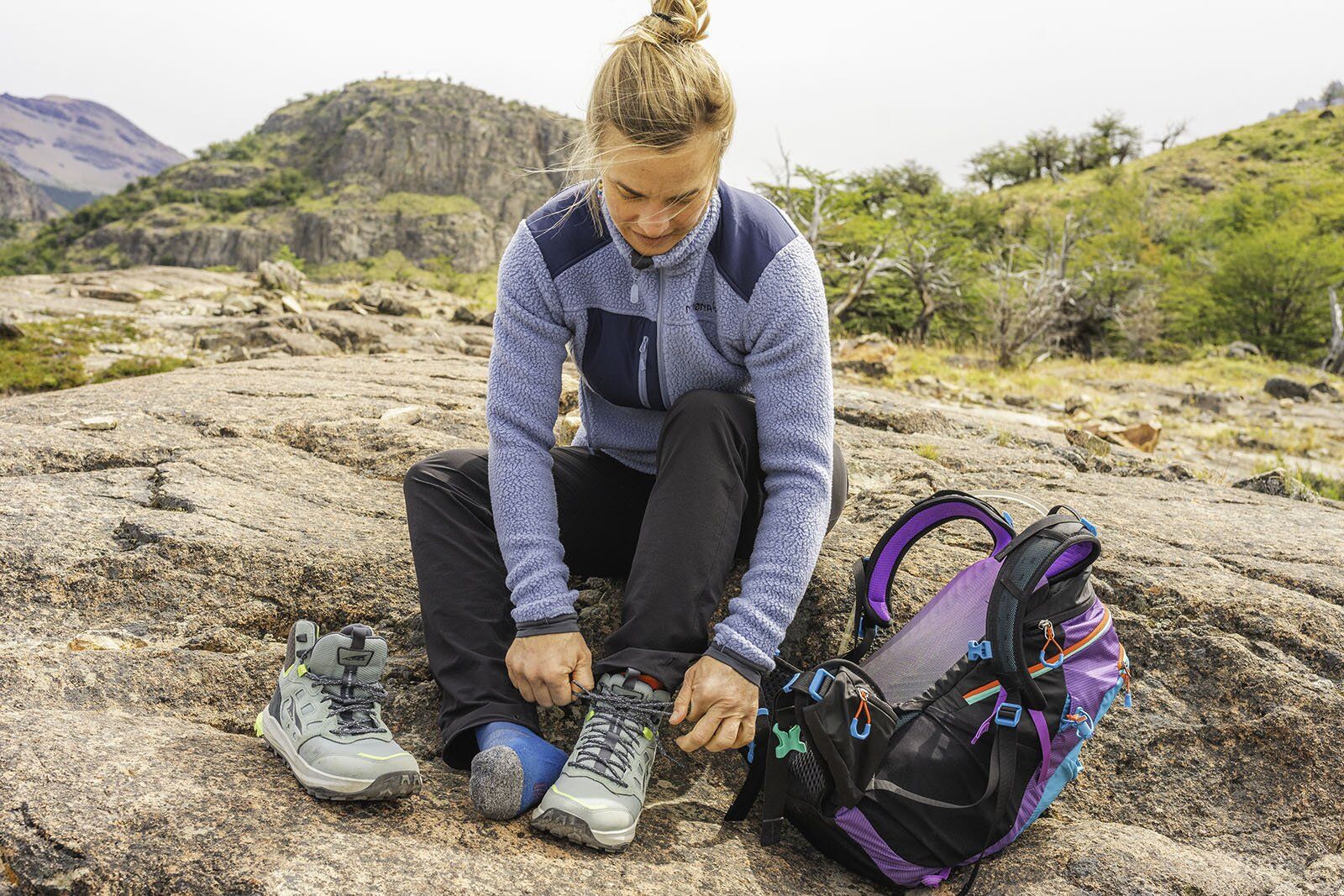
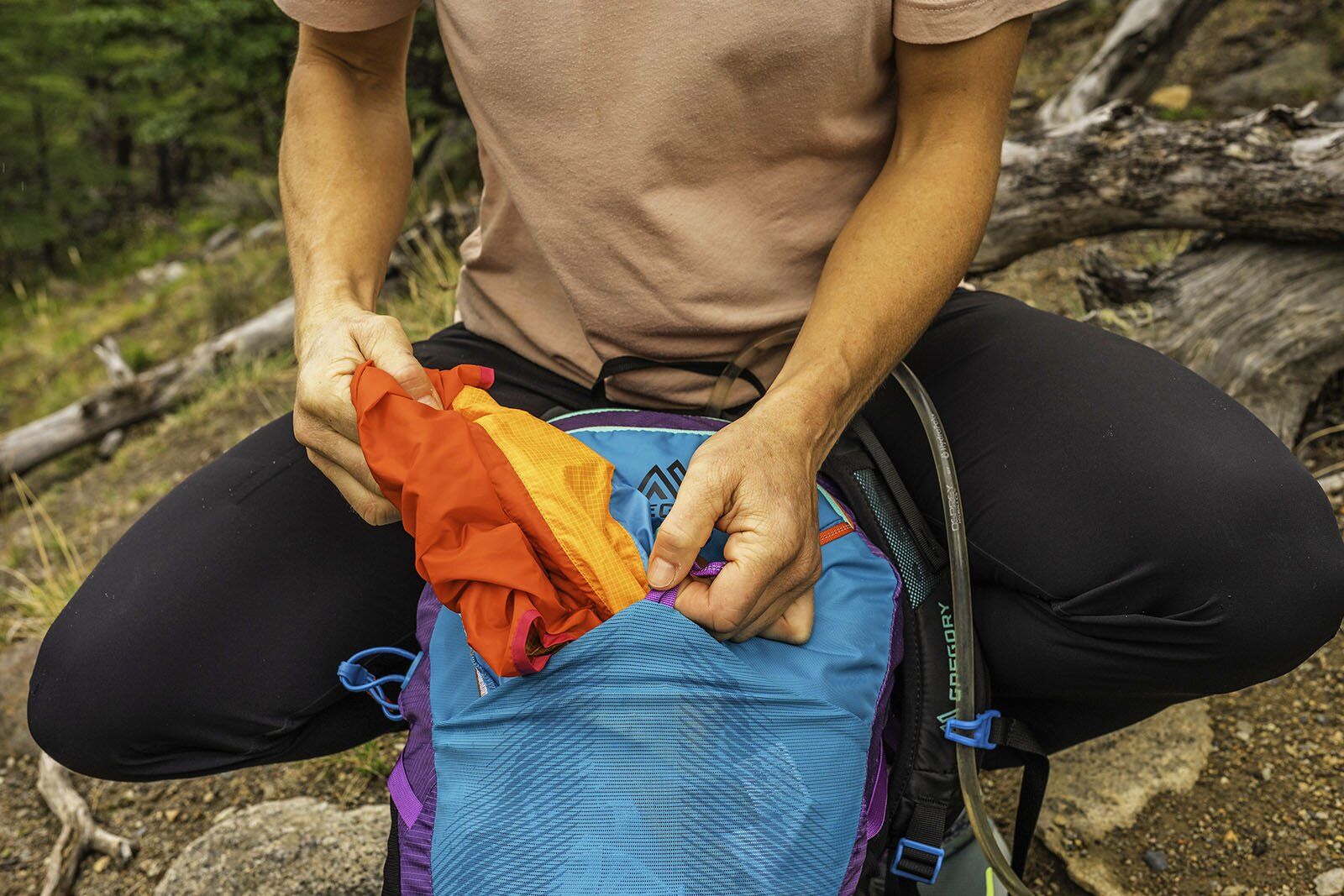
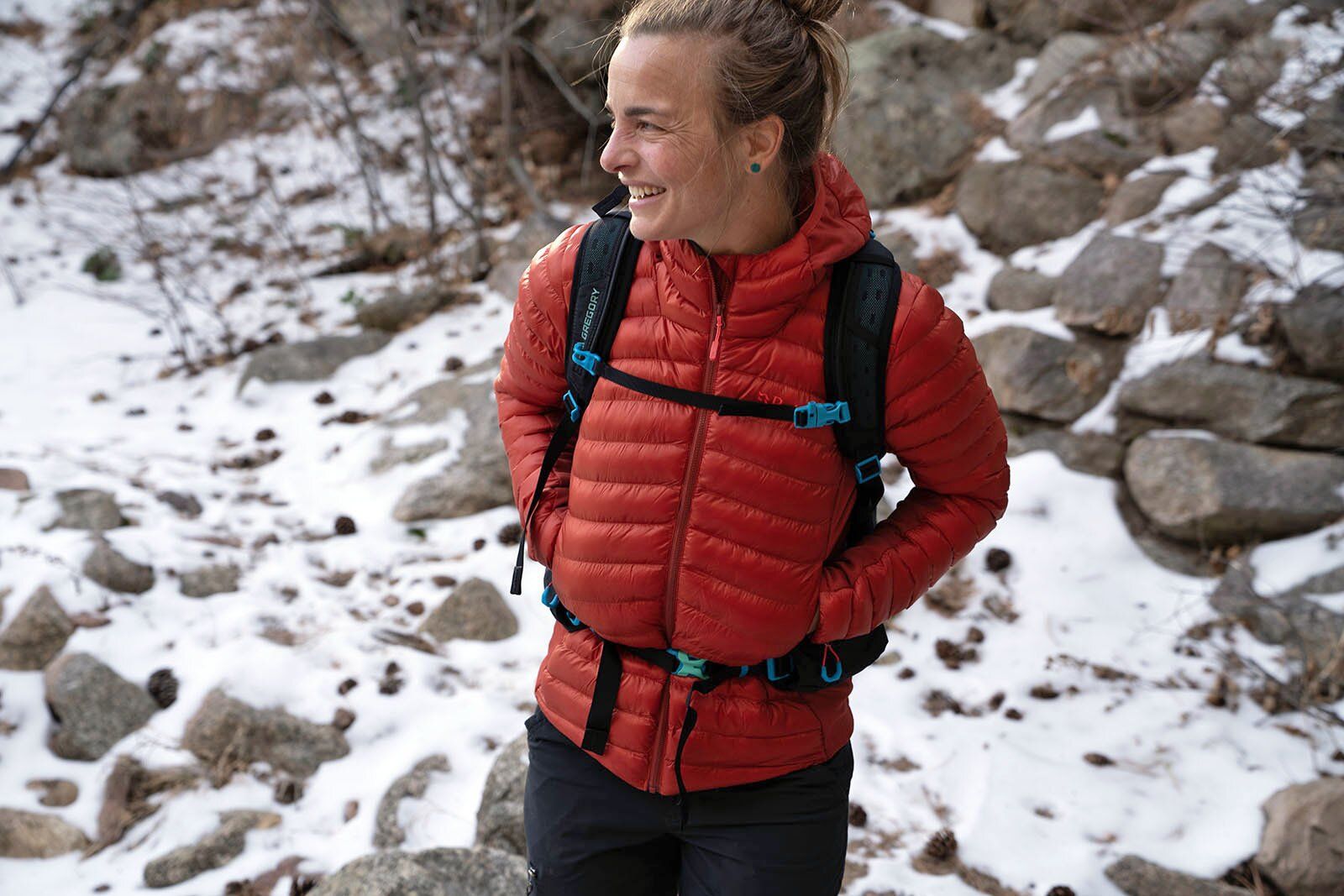

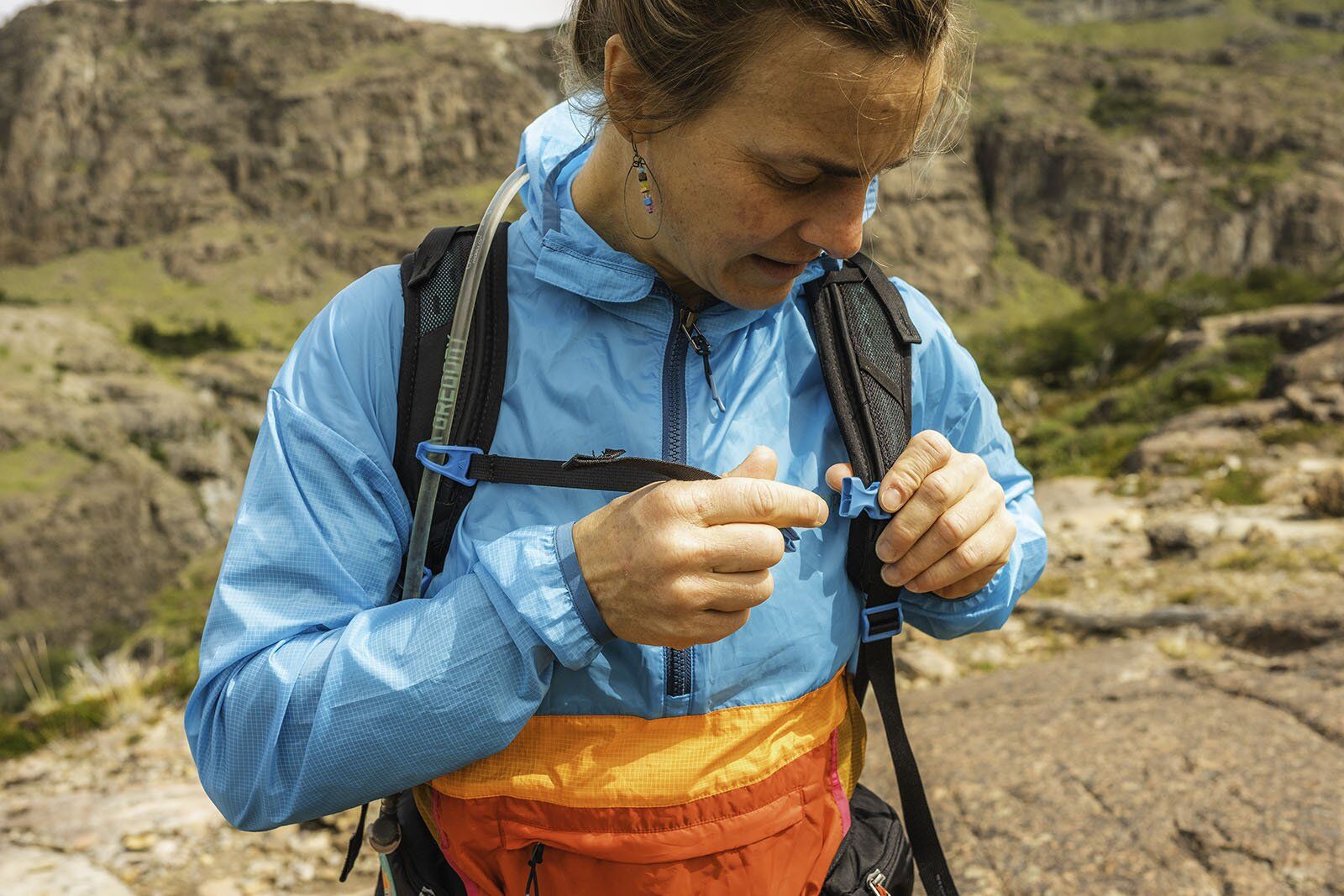
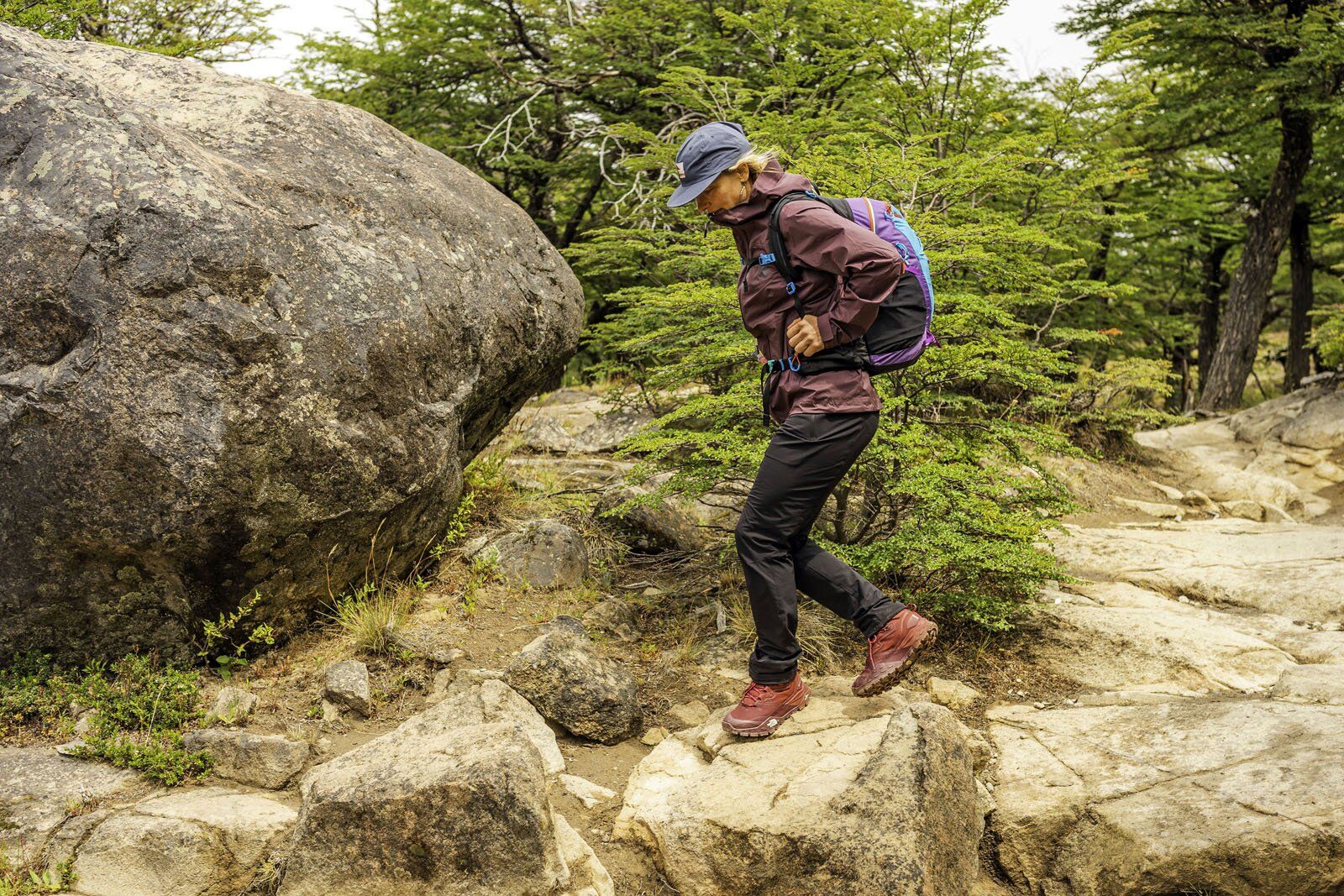
The Miko is a simple yet technical daypack done right. It hits all the right notes for light-load hiking, and it’s versatile enough for backcountry and commuting use. However, other packs offer more impressive features for about the same price.
Comfort & Support
Organization
Weight
Durability
Water Resistance
Sustainability
Weight
2 lb.
Capacity
Capacity: 20L (15, 25, 30L)
Hipbelt
Padded
Suspension
Frameless
Pros
Cons
The Miko (women’s Maya) checks all the right boxes for a well-rounded, budget-friendly daypack. Its ventilated mesh backpanel isn’t as breathable as a trampoline-style design, but it still promotes airflow while the rigid foam beneath adds structure and separation from the pack’s contents. Paired with beefy shoulder straps and hipbelt wings, it offers more support than lighter, less expensive packs like the Osprey Daylite Plus. The Miko also delivers on organization, featuring a laptop/hydration reservoir sleeve, external accessories pocket, back shove-it pocket, and two hipbelt pockets.
Versatility is another strong point of the Gregory Miko 20. The laptop sleeve makes it functional for both town and trail, and at 2 pounds, it hits a sweet spot between streamlined and well-padded. We took the Maya 20 on a month-long trip to Patagonia, where it pulled double duty as a travel and hiking pack. It performed admirably in both roles, with minimal complaints, and when it came time to pack it in a duffel for airline travel, it took up very little real estate.
Our main gripe with the Miko/Maya is its odd sizing. Both packs come in one size, with a 3.5-inch adjustable torso range. One 5’6” Better Trail editor found she barely fit into the shortest setting and doubted it would work for anyone shorter. Maxing out the torso length at that height felt slightly off, so we strongly recommend trying before buying. (That said, we do appreciate that both models come in plus-size options.) Lastly, the 100- and 210-denier nylon mix is only moderately durable, meaning frequent users may see signs of wear sooner than expected. Sizing quirks and material limitations aside, though, the Miko is an all-around daypack done right. For more, check out our review of the women’s Gregory Maya 20.
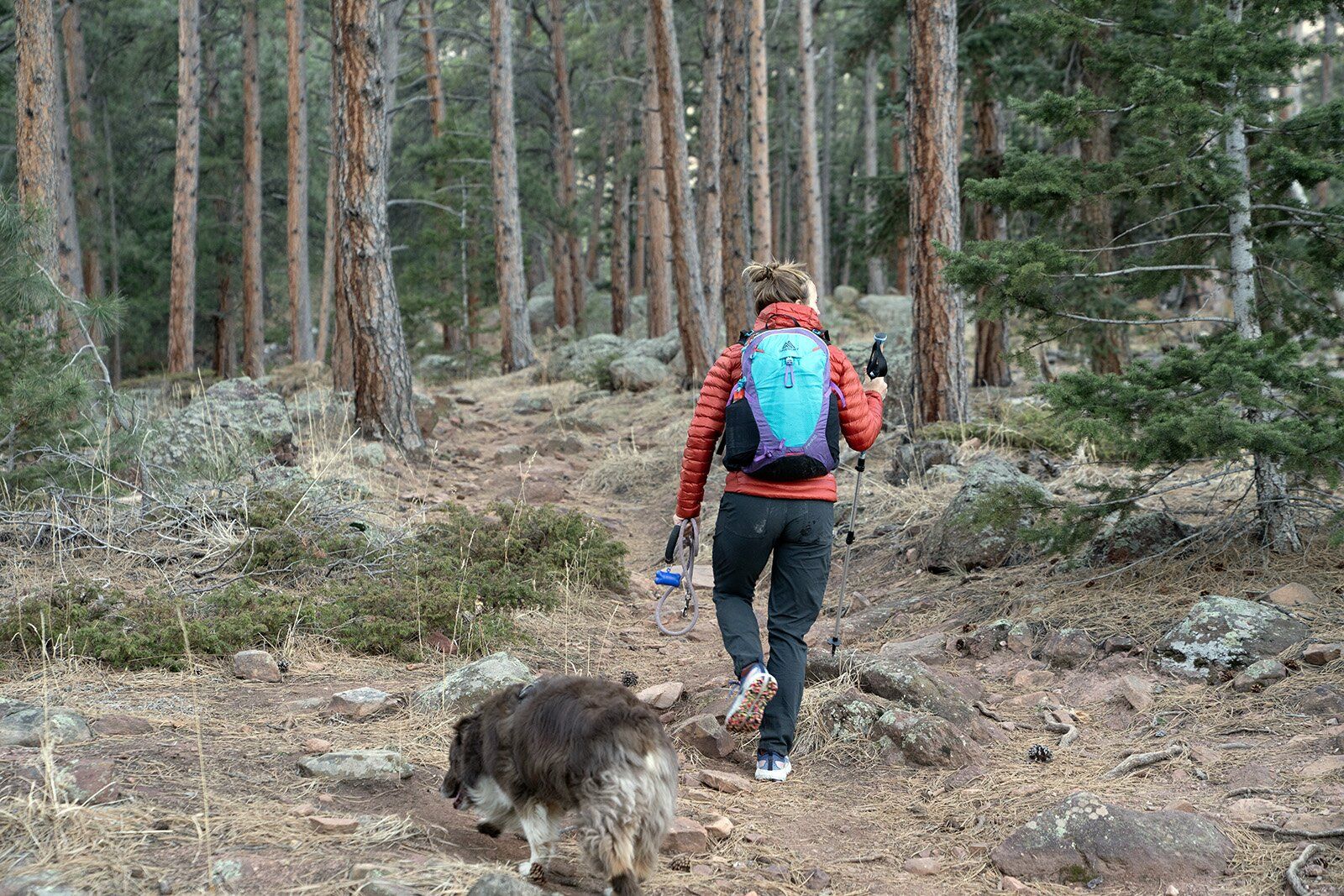
With its unique look and rigid, water-resistant fabric, the Resolve stands out from the crowd. It also boasts a high sustainability rating. Unfortunately, this pack is hampered by excessive bulk and a suspension that doesn’t pull its weight.
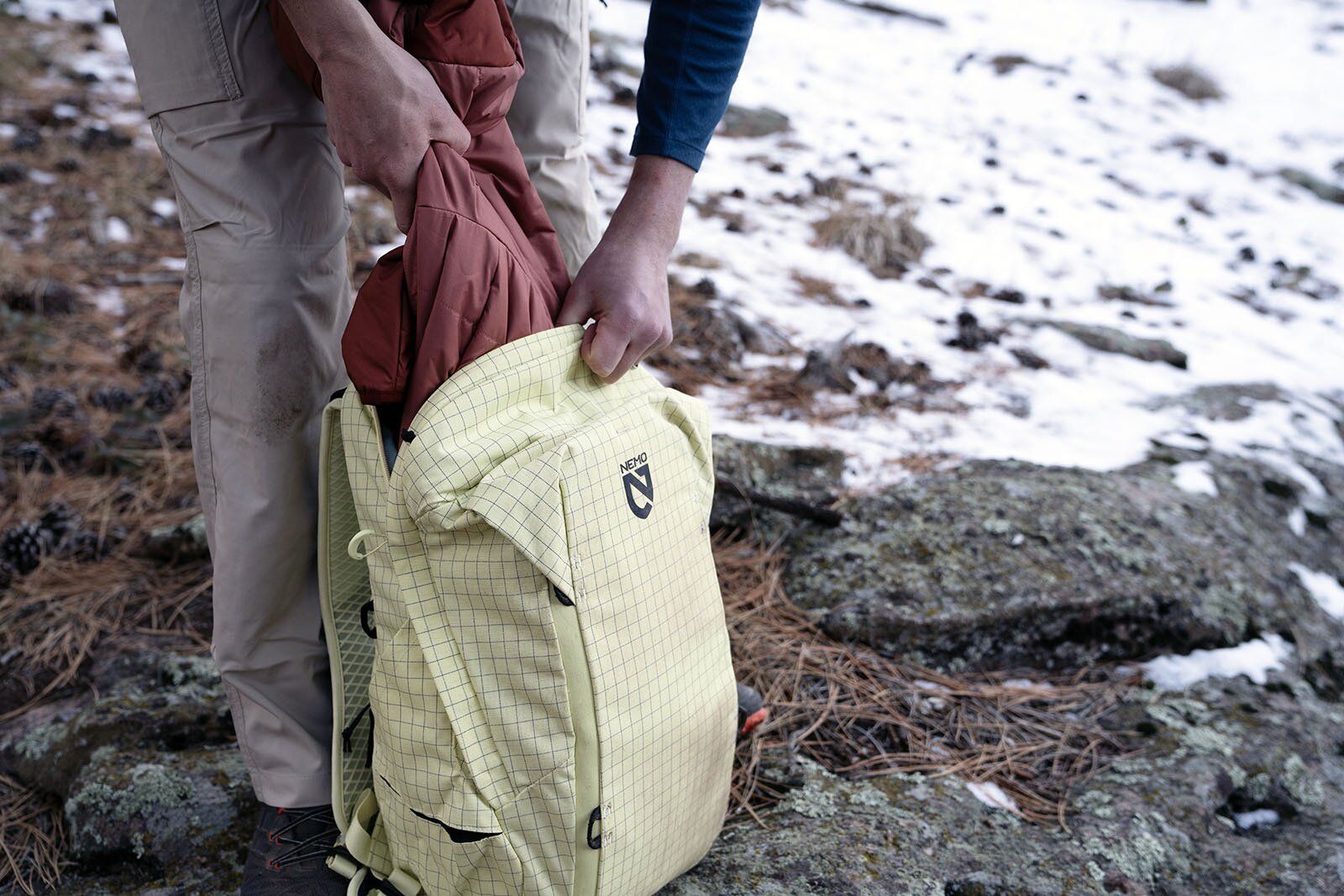
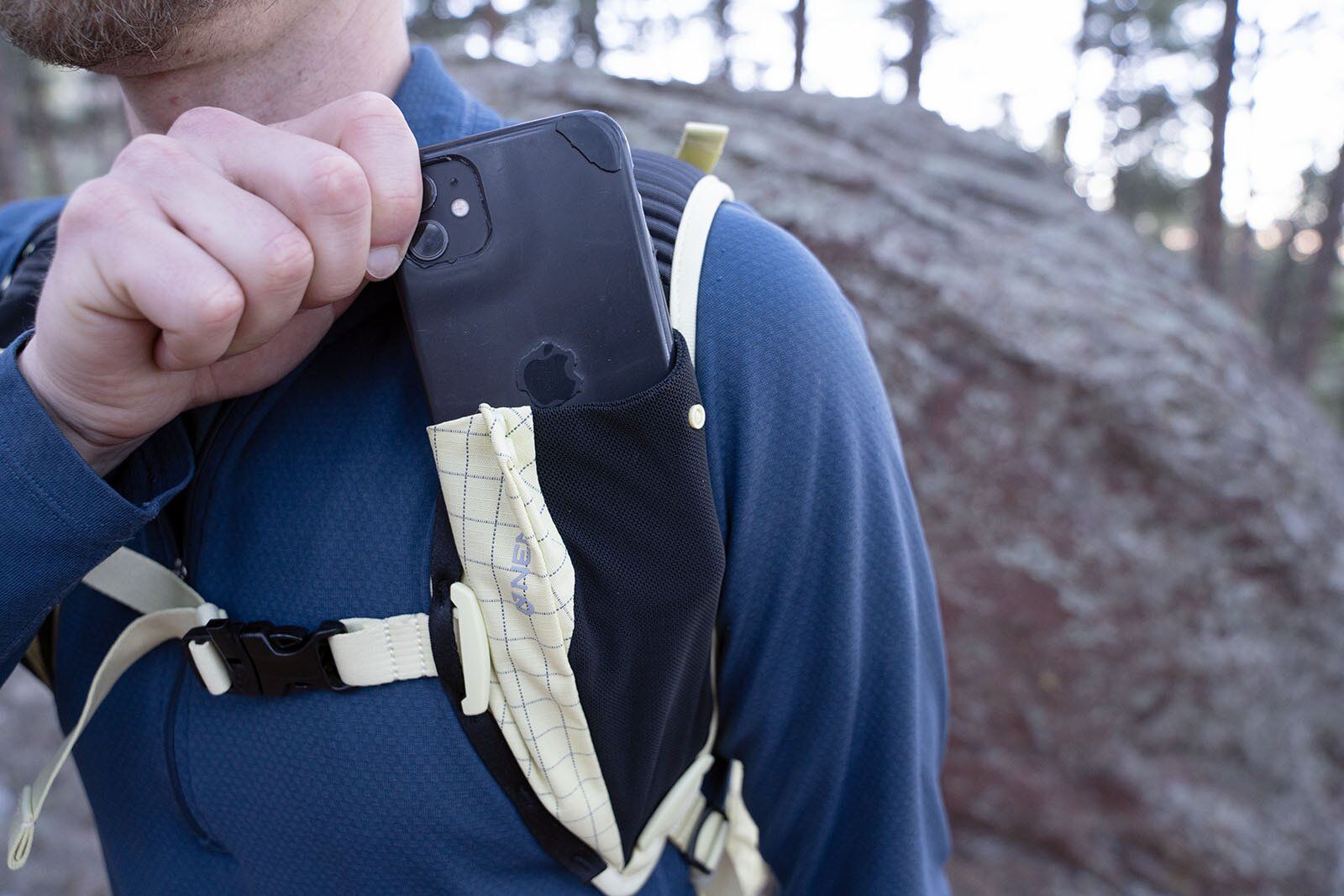
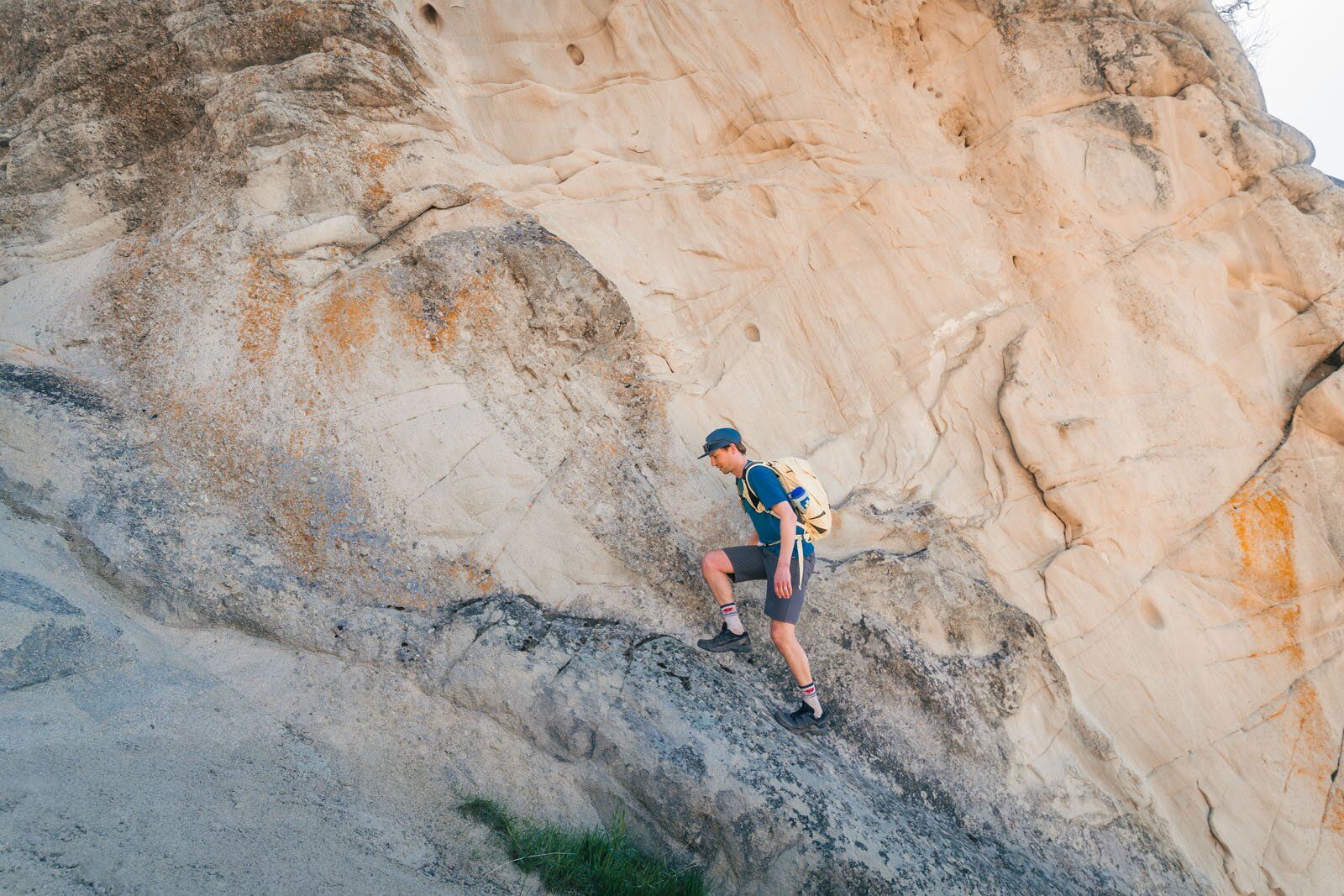
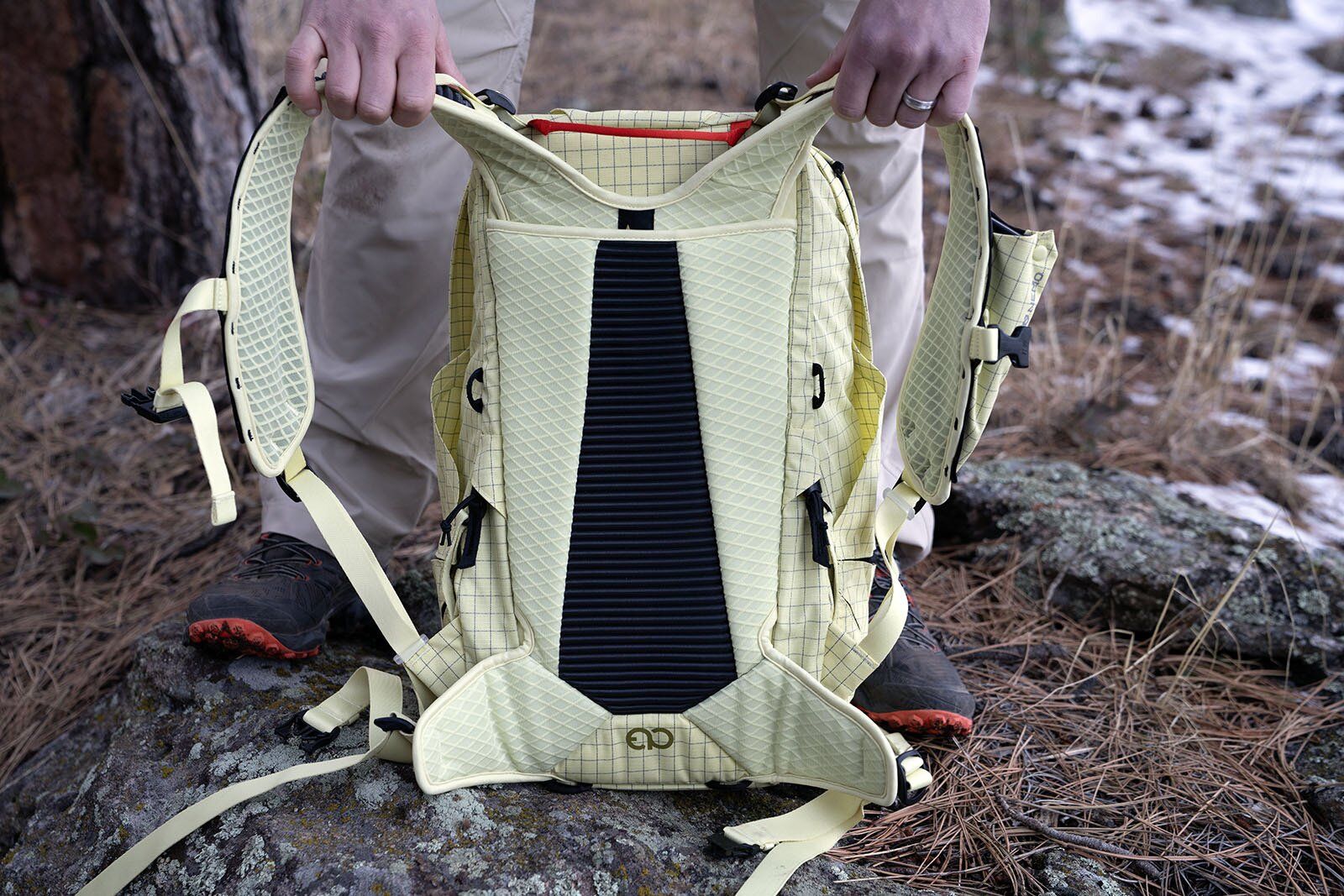
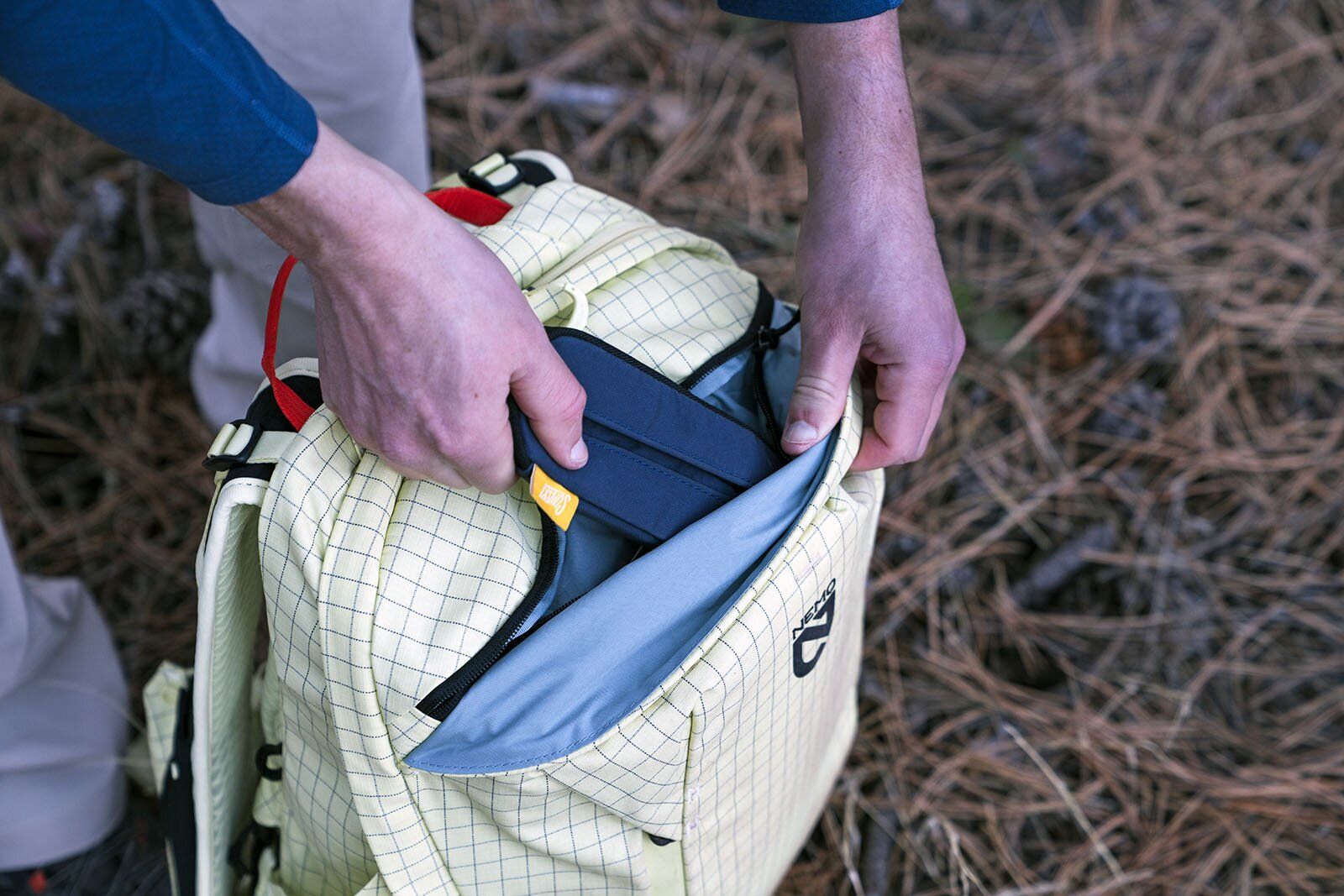
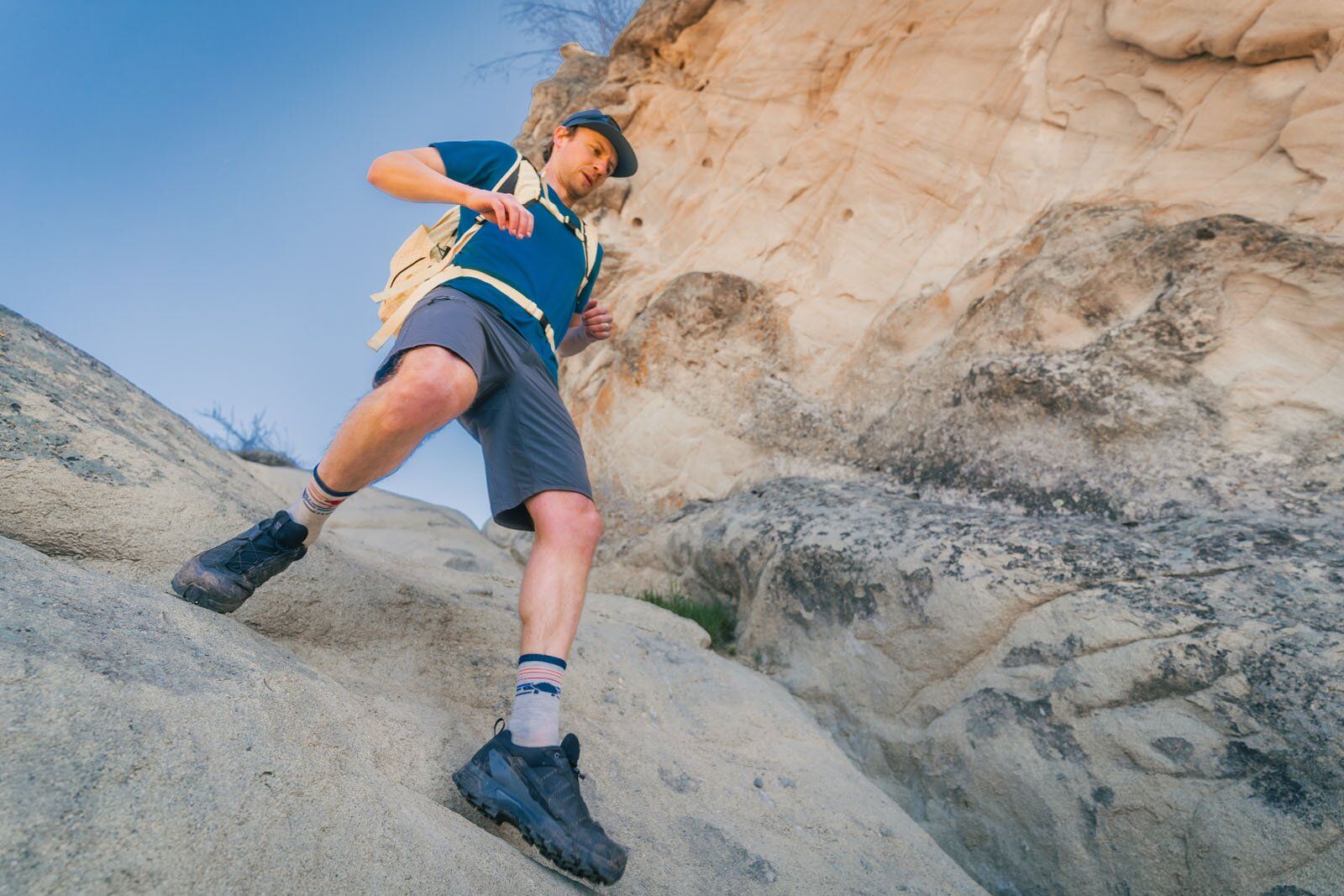
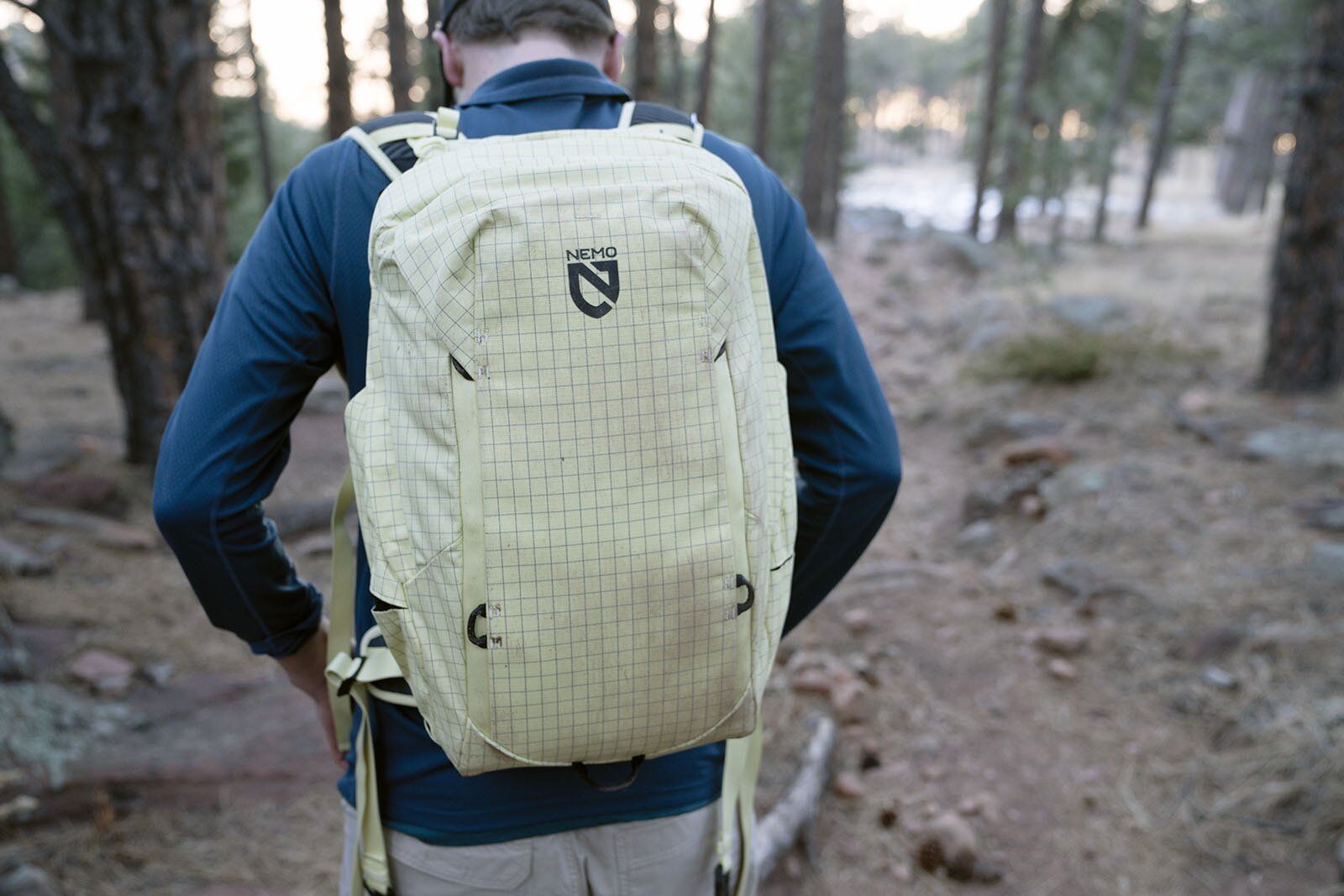
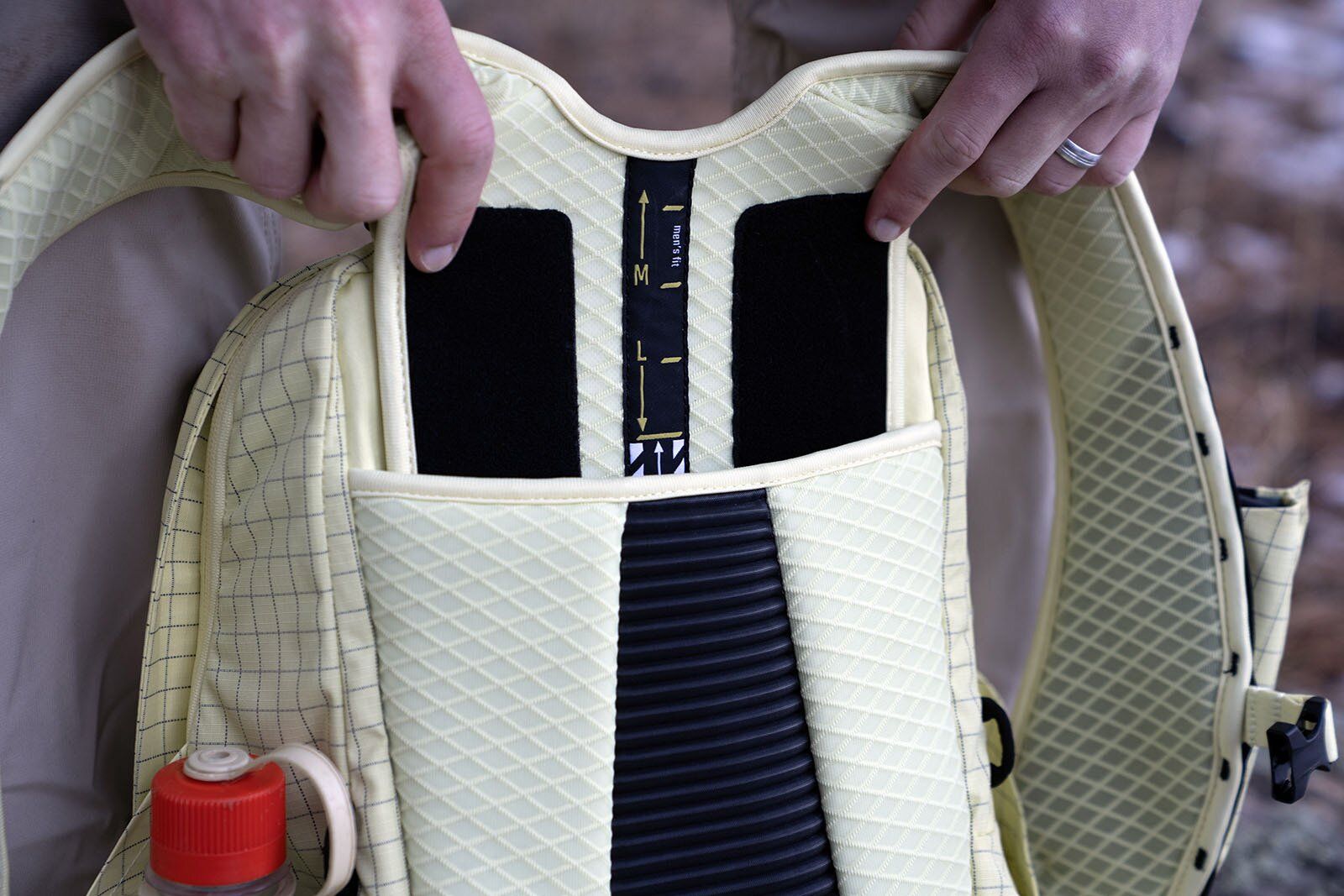
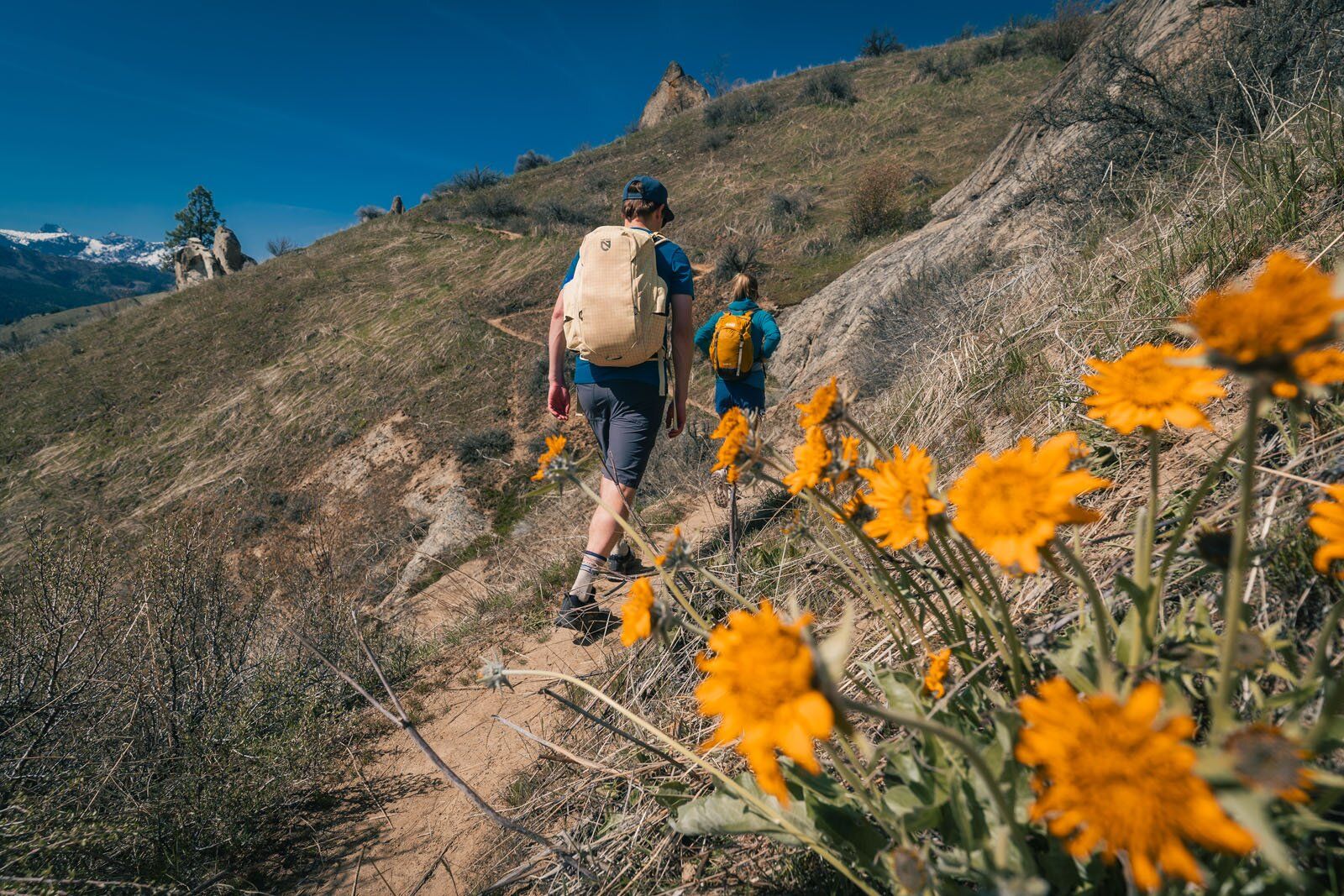

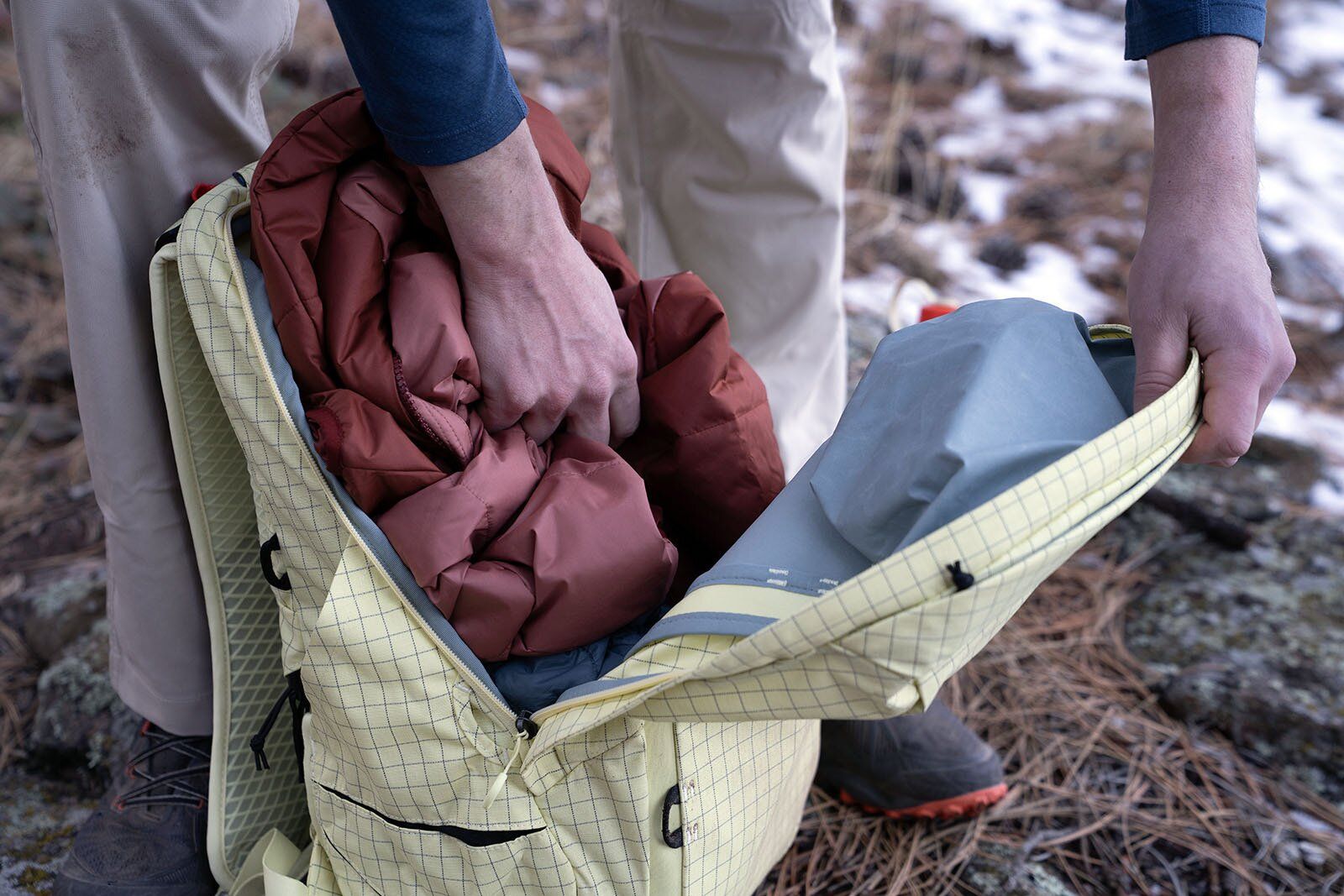
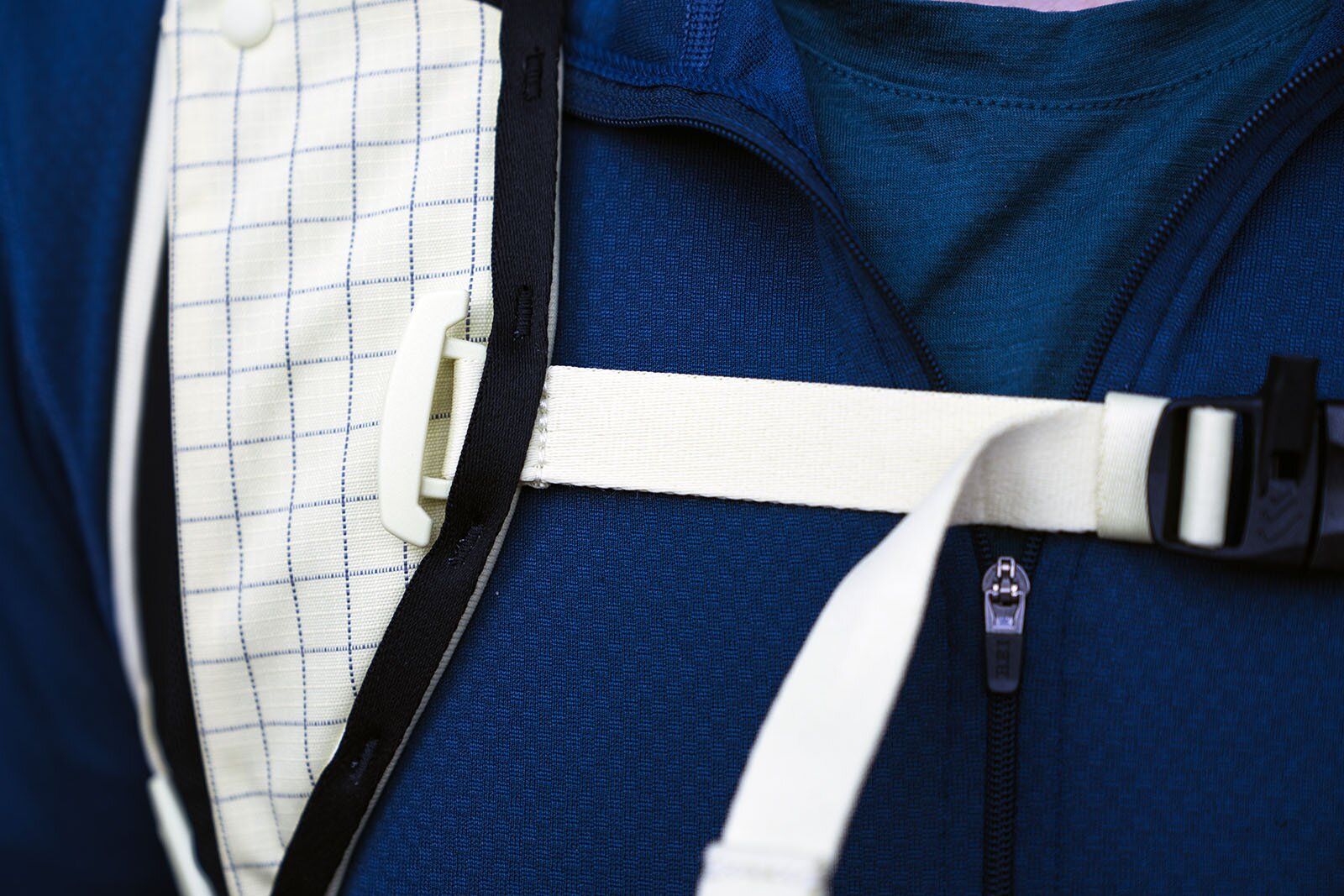
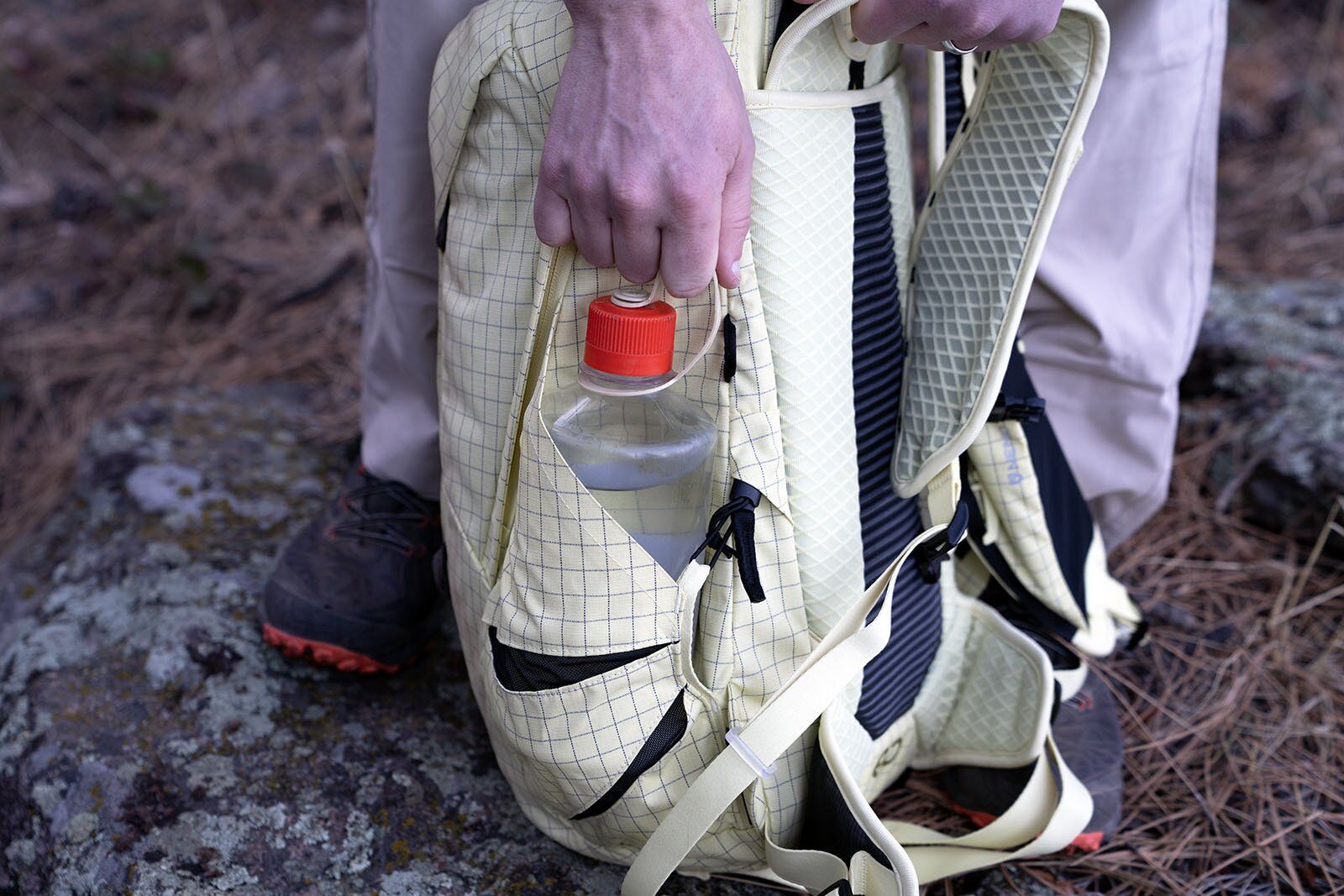
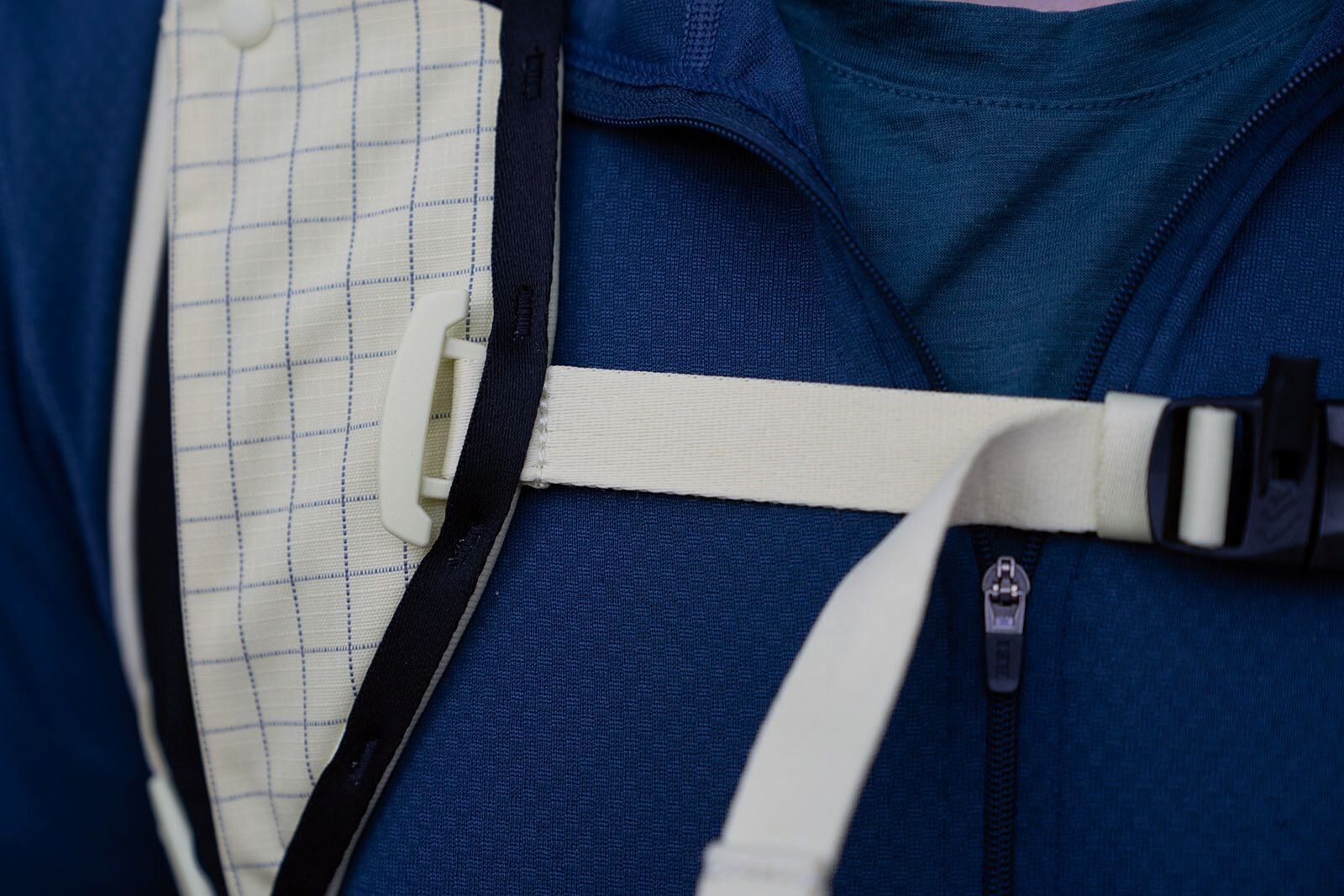
With its unique look and rigid, water-resistant fabric, the Resolve stands out from the crowd. It also boasts a high sustainability rating. Unfortunately, this pack is hampered by excessive bulk and a suspension that doesn’t pull its weight.
Comfort & Support
Organization
Weight
Durability
Water Resistance
Sustainability
Weight
2 lb. 6 oz.
Capacity
25L (15, 35L)
Hipbelt
Padded
Suspension
Perimeter frame
Pros
Cons
One of the first things we noticed about the Resolve Endless Promise was its funky aesthetic and feel. We mean “feel” literally: Nemo’s proprietary Cero fabric is a highly eco-friendly material that’s more rigid and water-resistant than standard nylon, giving the pack a noticeably structured feel. It’s also more durable, making it a standout in longevity. While Cero isn’t as tough or waterproof as Dyneema, it’s a step up from most traditional pack fabrics. However, weight is a drawback—the Resolve is heavier and bulkier than we’d prefer due in part to large fabric flaps covering parts of the pack’s exterior, including the top pocket. For hikers who favor a streamlined design, the Resolve might feel over-engineered.
That said, eco-conscious adventurers will love this pack. The Cero fabric is made entirely from recycled PET plastic (think plastic bottles), and when the Resolve is ready to be sent to that great big trailhead in the sky, Nemo’s take-back program allows it to be fully recycled into new gear. With 95% of the pack’s materials sourced from recycled content, it’s one of the most sustainable options on the market.
Unfortunately, the Resolve struggles in other key areas. Despite having an internal steel frame, it felt uncomfortable with loads over about 15 pounds, with thin, lightly padded shoulder straps and an under-cushioned hipbelt that didn’t offer enough support for long days on the trail. The organization is also a mixed bag—the shoulder strap pockets felt awkward and less functional than zippered versions on running vest-style harnesses, and the hipbelt lacks pockets altogether, which is a notable omission at this price point. Despite these shortcomings, the Resolve still has a lot going for it—durability, water resistance, and industry-leading sustainability. As a first-gen model, we’d love to see a more streamlined version in the future that retains its strengths while trimming down the bulk. For more, read our review of the Nemo Resolve Endless Promise 25.
This pack is truly minimalist, both in its design and its impact on your finances. It functions well as a summit pack on backpacking trips, a travel daypack, or a simple tote for quick summer hikes. However, comfort and support fall by the wayside.
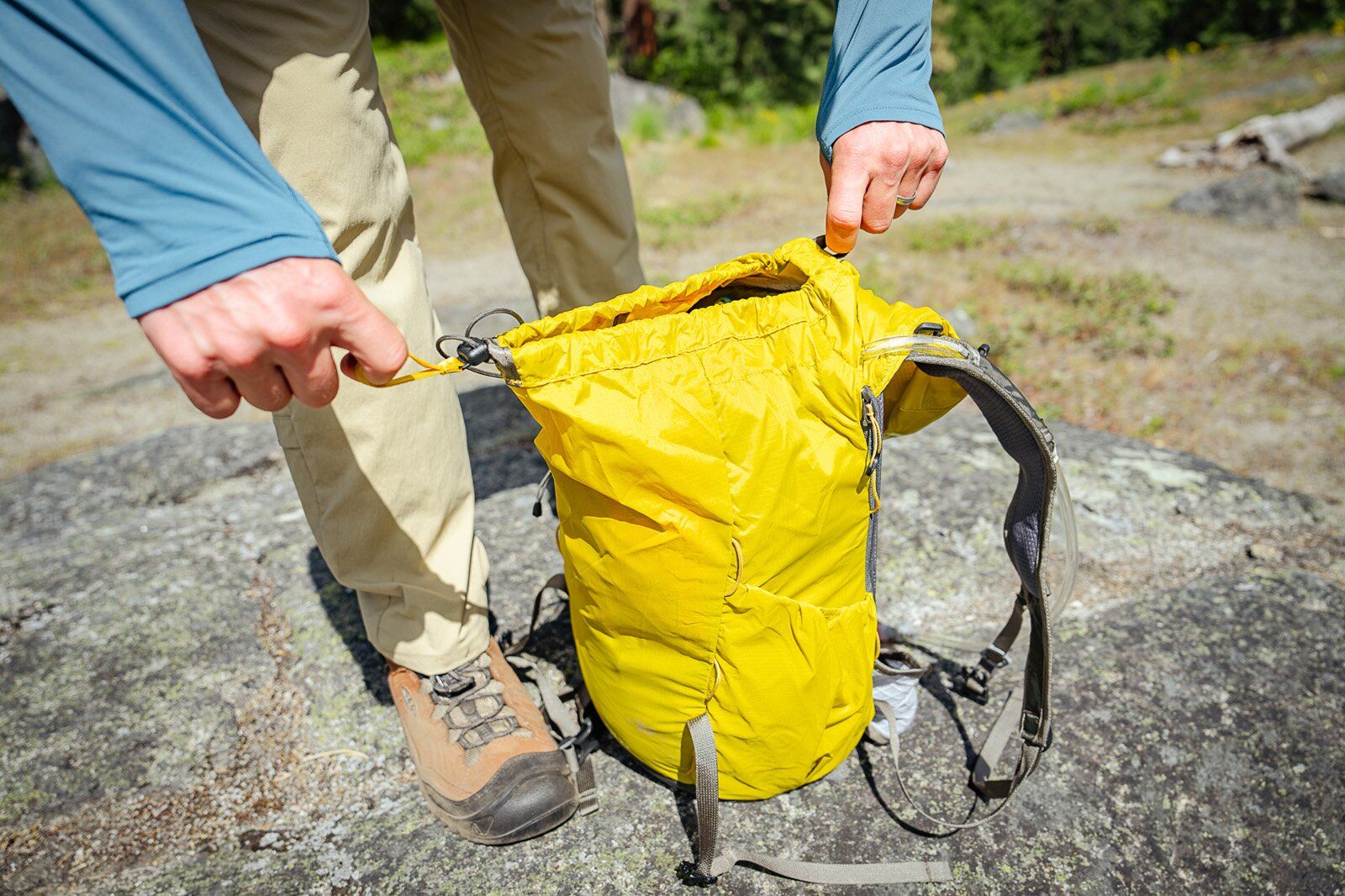
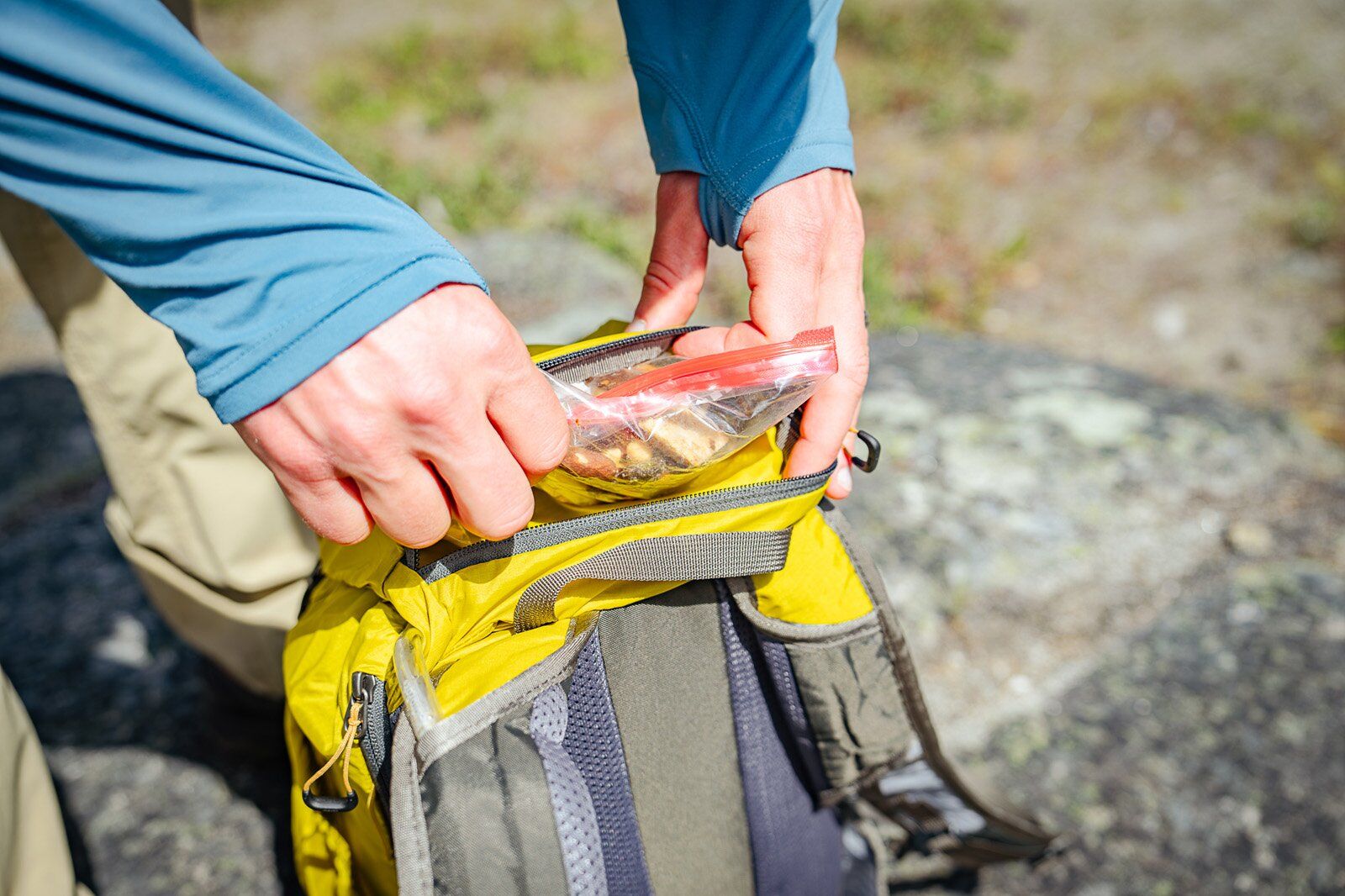
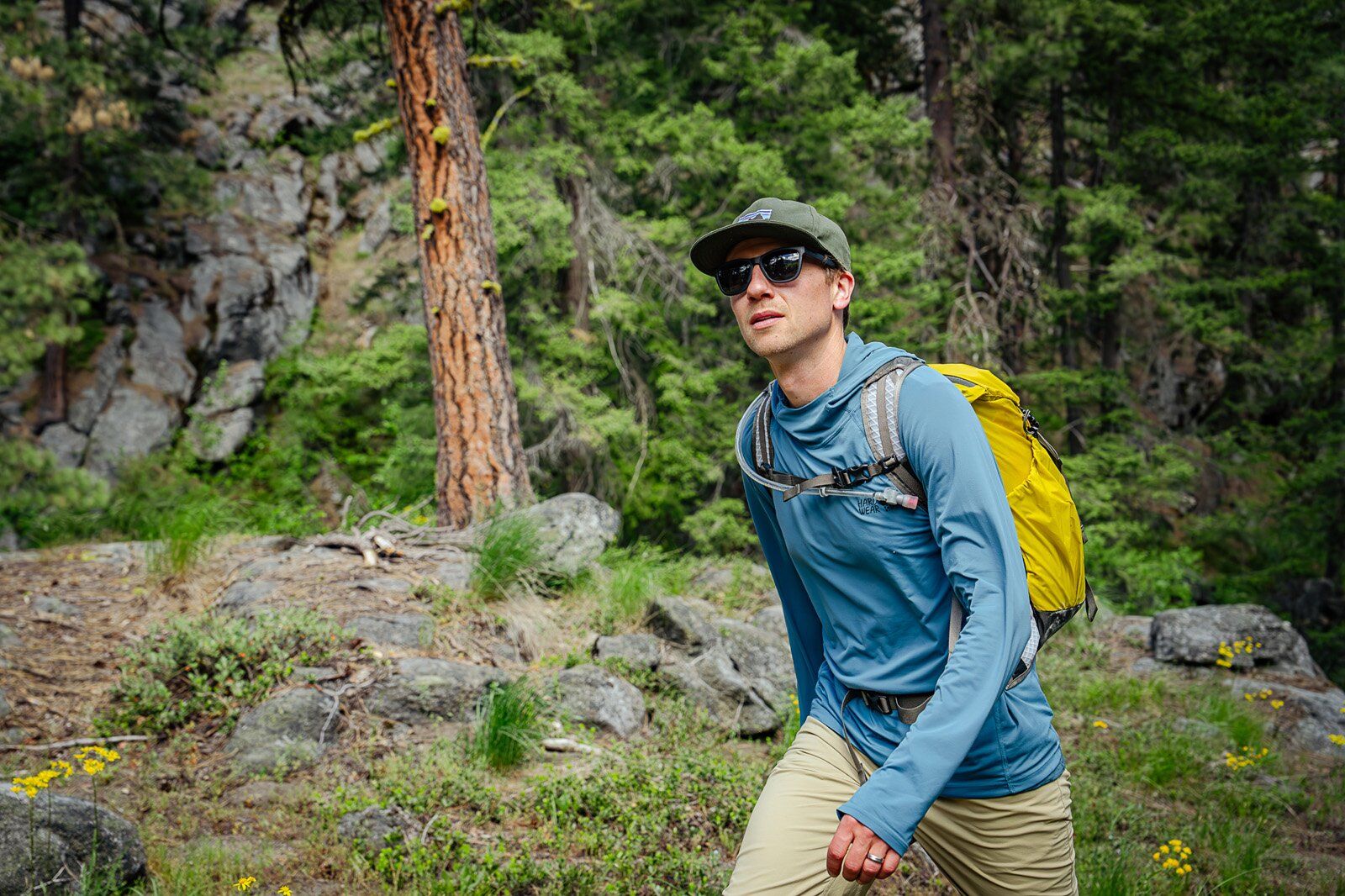
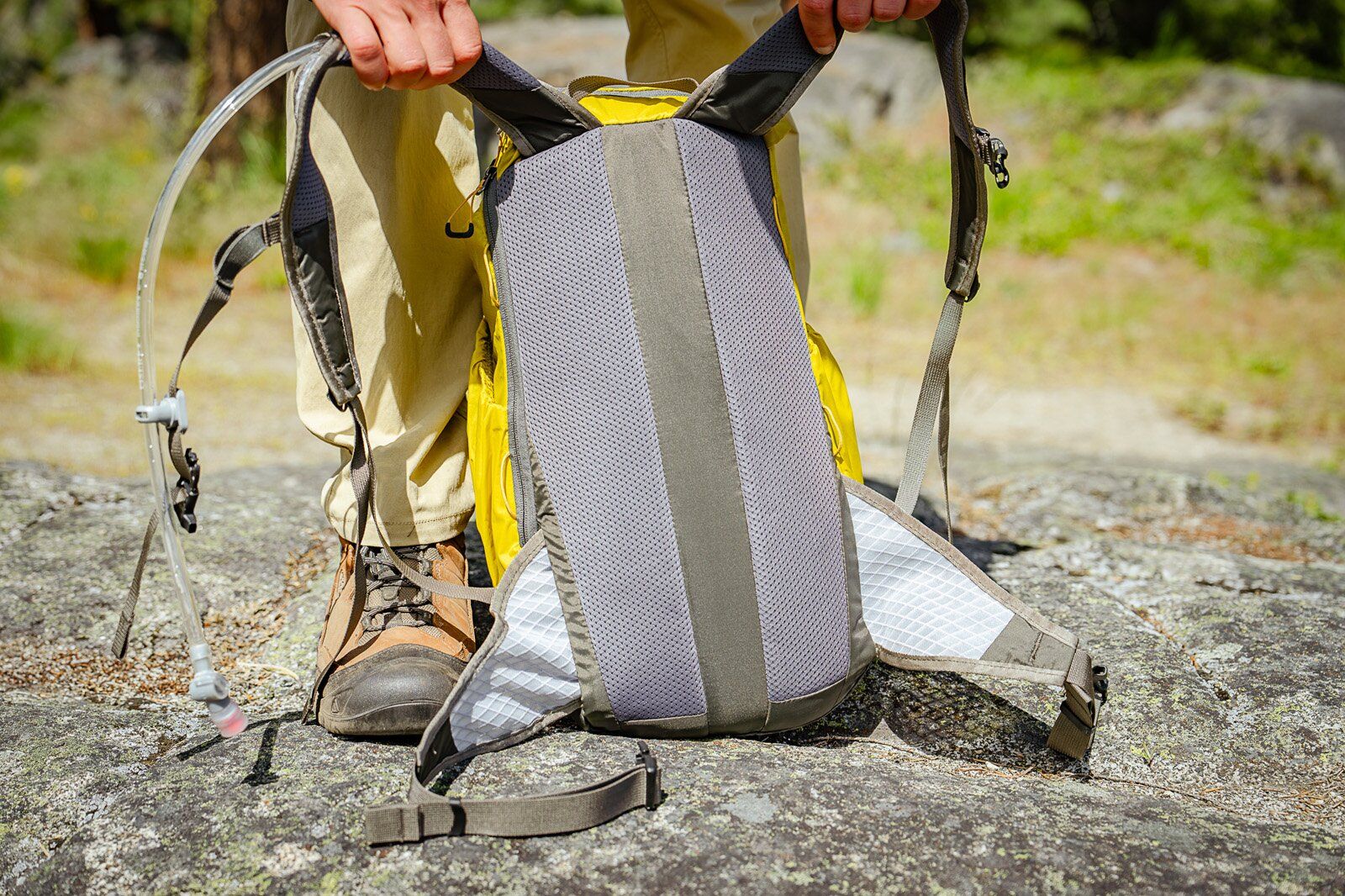
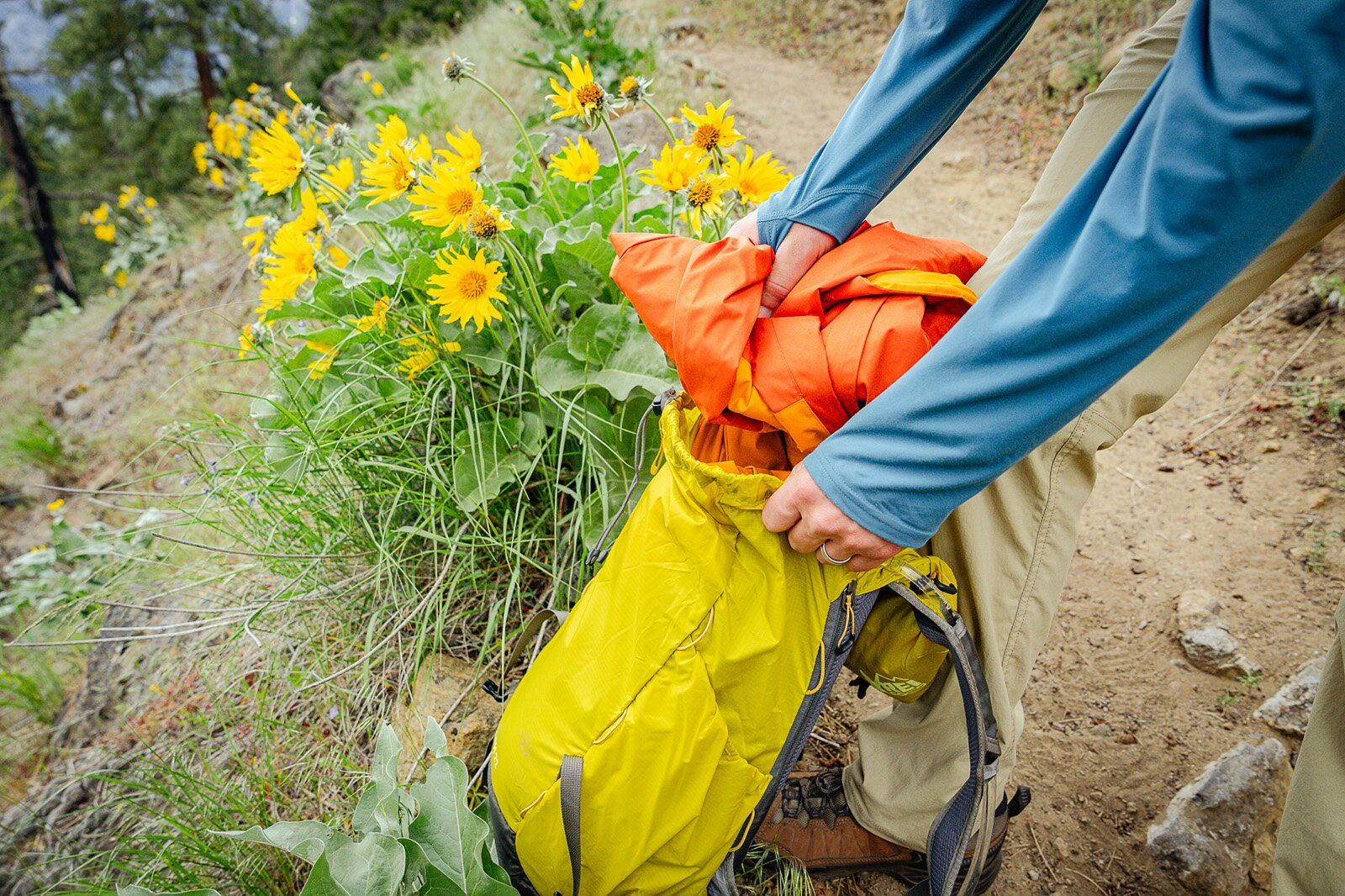
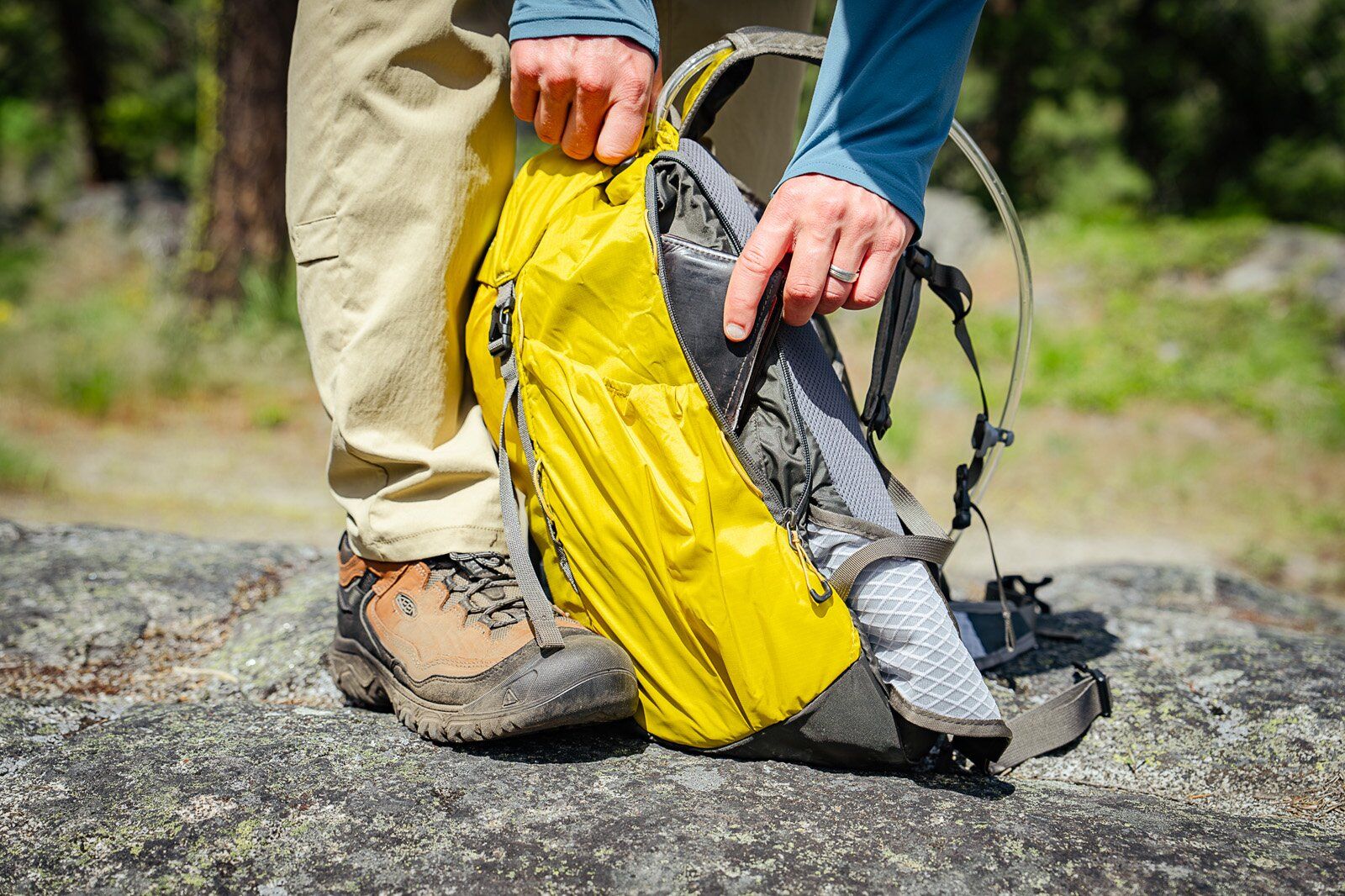
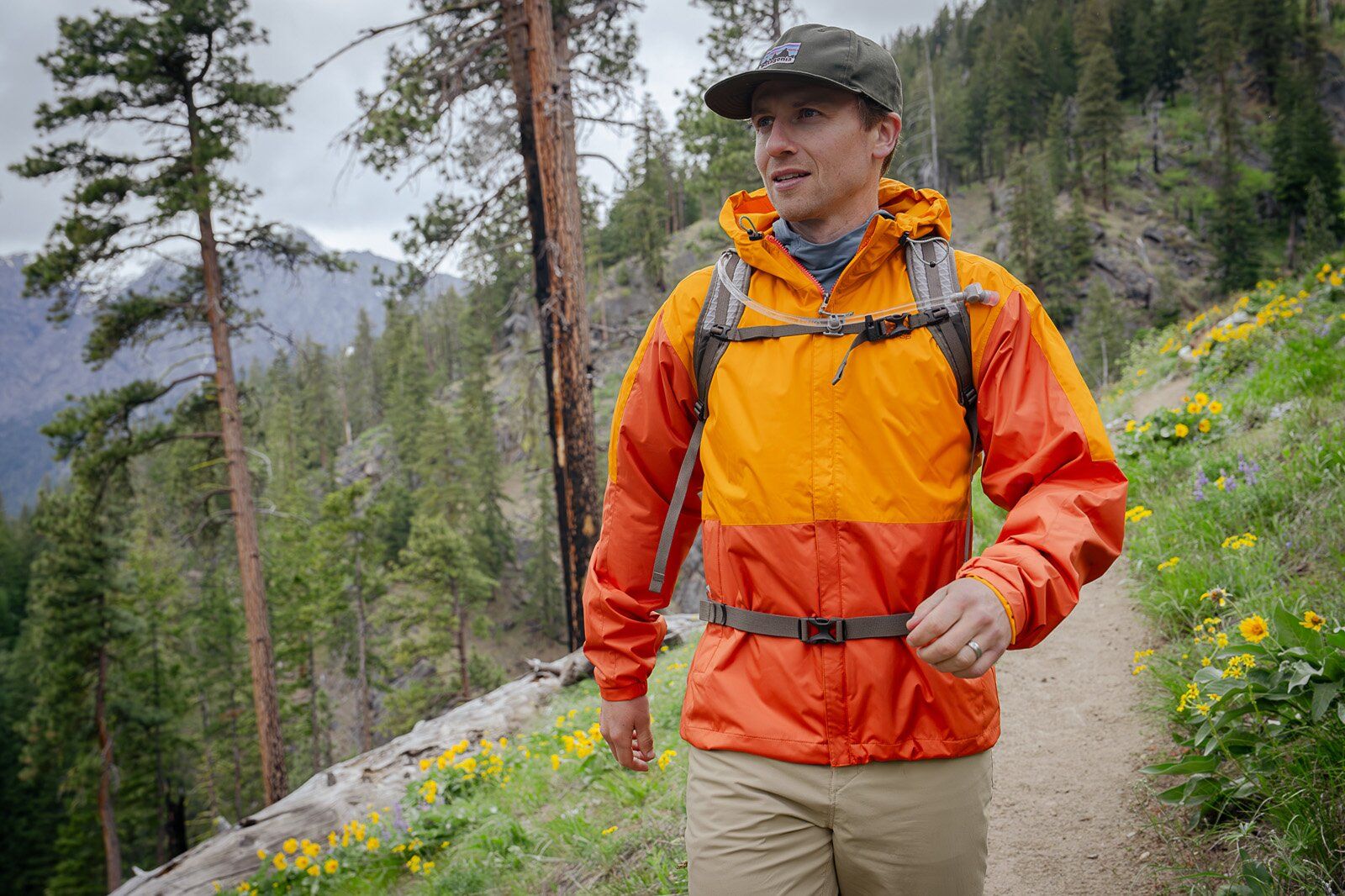

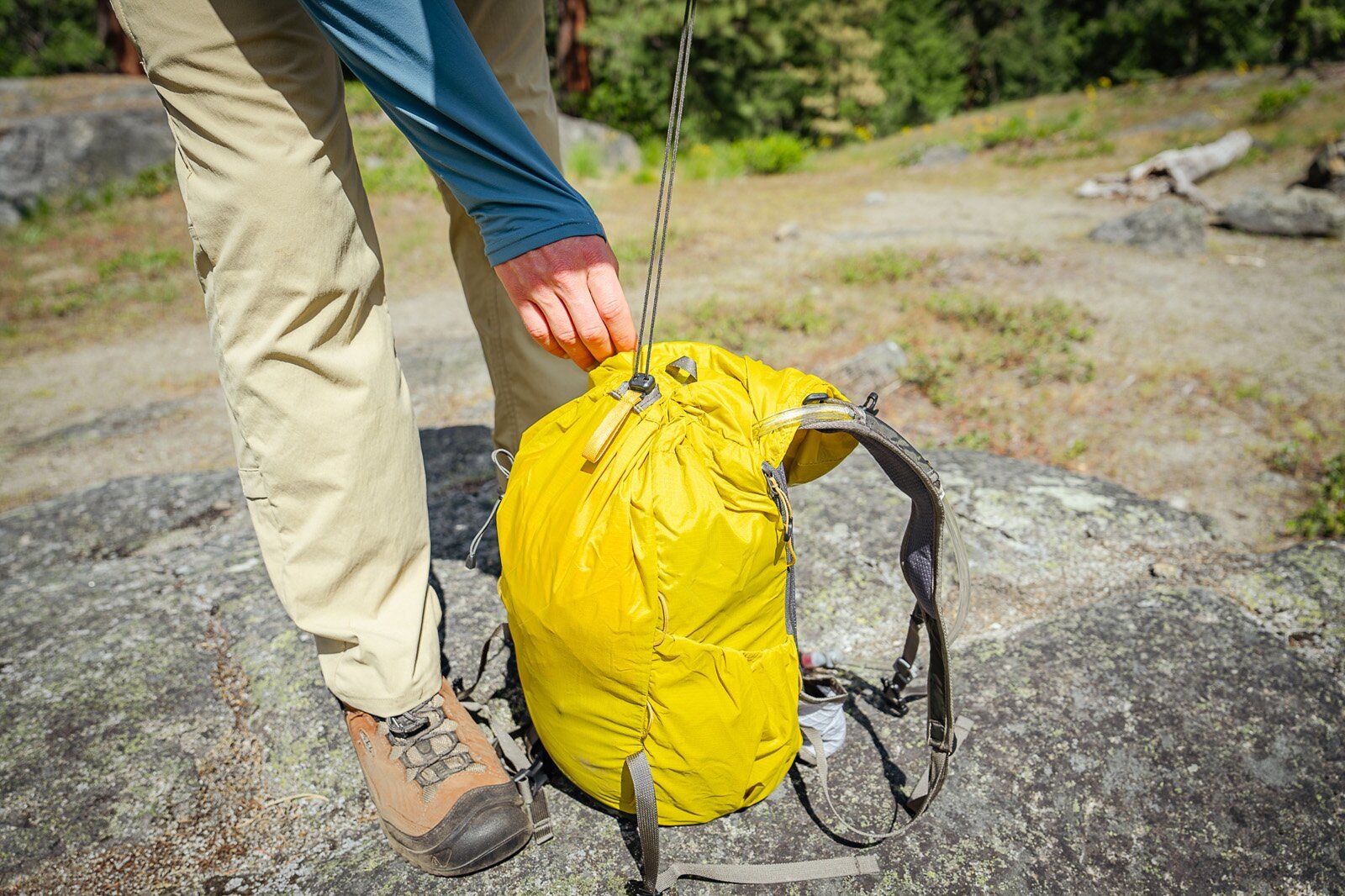
This pack is truly minimalist, both in its design and its impact on your finances. It functions well as a summit pack on backpacking trips, a travel daypack, or a simple tote for quick summer hikes. However, comfort and support fall by the wayside.
Comfort & Support
Organization
Weight
Durability
Water Resistance
Sustainability
Weight
14 oz.
Capacity
22L (18L)
Hipbelt
Webbing
Suspension
Frameless
Pros
Cons
The Flash 22 is a barebones daypack at a hard-to-beat price point. While it’s not ideal for carrying heavier loads, this $60 pack works well as a rip-and-go summit bag or travel rucksack. Starting with the positives: the Flash weighs less than a pound yet manages to offer a surprising amount of organization, including trekking pole attachments, large external water bottle pockets, zippered lid and side compartments, and small drop pockets inside the main compartment. So while it’s not as supportive as other daypacks in this review, it’s far from a glorified stuff sack—offering just enough storage solutions to stay functional.
That said, the Flash’s lightweight design comes with trade-offs. With no true framesheet, it lacks structure and support, making it prone to sagging and uncomfortable with heavy or awkwardly shaped loads. The lightly padded foam back panel and removable foam sheet do little to cushion your back from the pack’s contents, though the sheet doubles as a sit pad. Removing it also allows you to compress the pack even further, making it extremely packable for stuffing into a backpacking pack. And to end on a positive note, the webbing hipbelt does have wide mesh wings, offering at least a small amount of comfort. You’ll have to be mindful of the pack’s thin, 70-denier fabric, but that’s the price you pay—or, perhaps, the price you don’t—for this type of affordability. For more, check out our review of the REI Co-op Flash 22.

The Distance wants to turn you into a mountain-eating speed demon. This light pack has storage for every gel packet and wicking layer you possess, and its beefy running vest-style harness hugs it close to your body on scrambles and trail runs. Make sure not to overload what little support it offers, though.
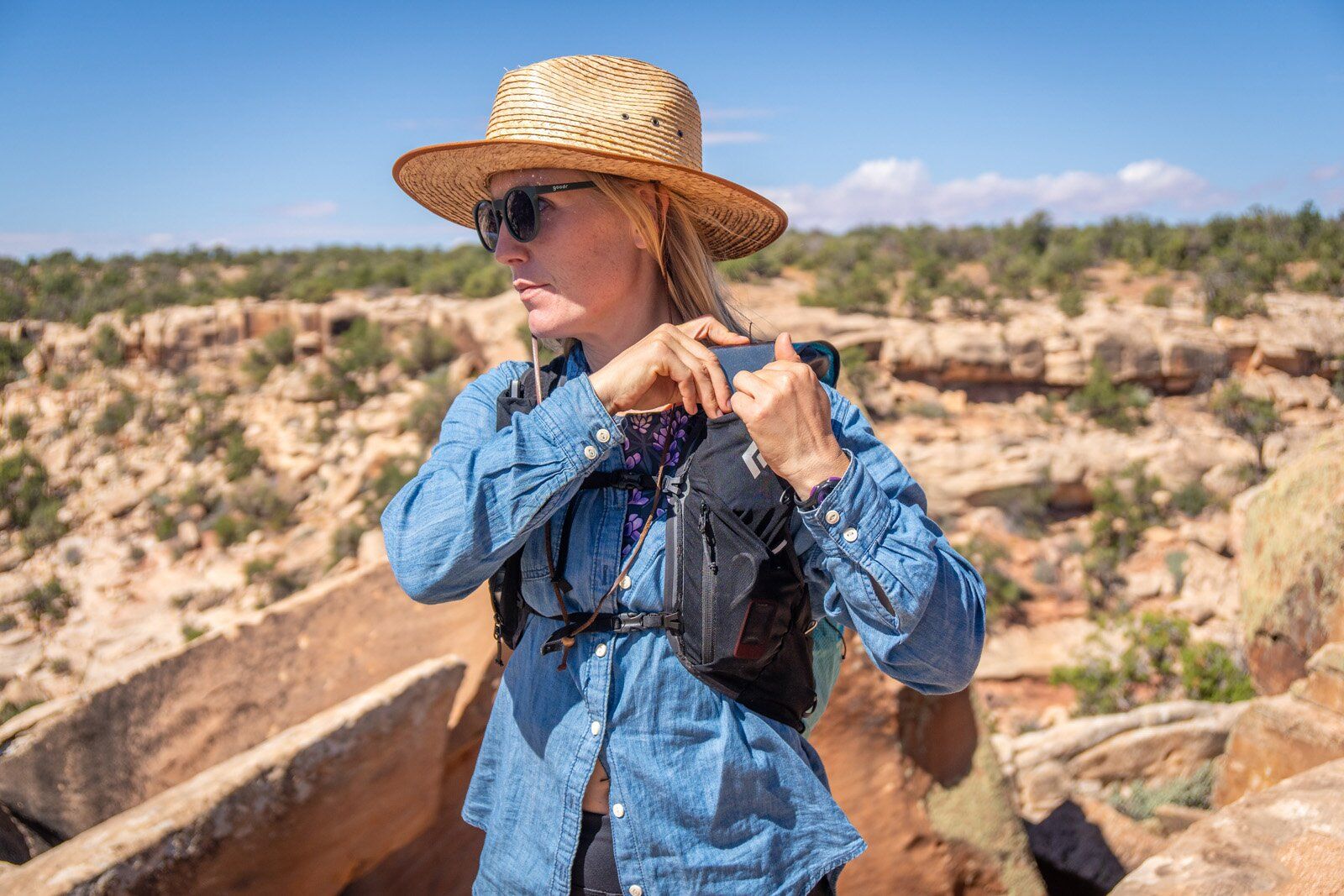
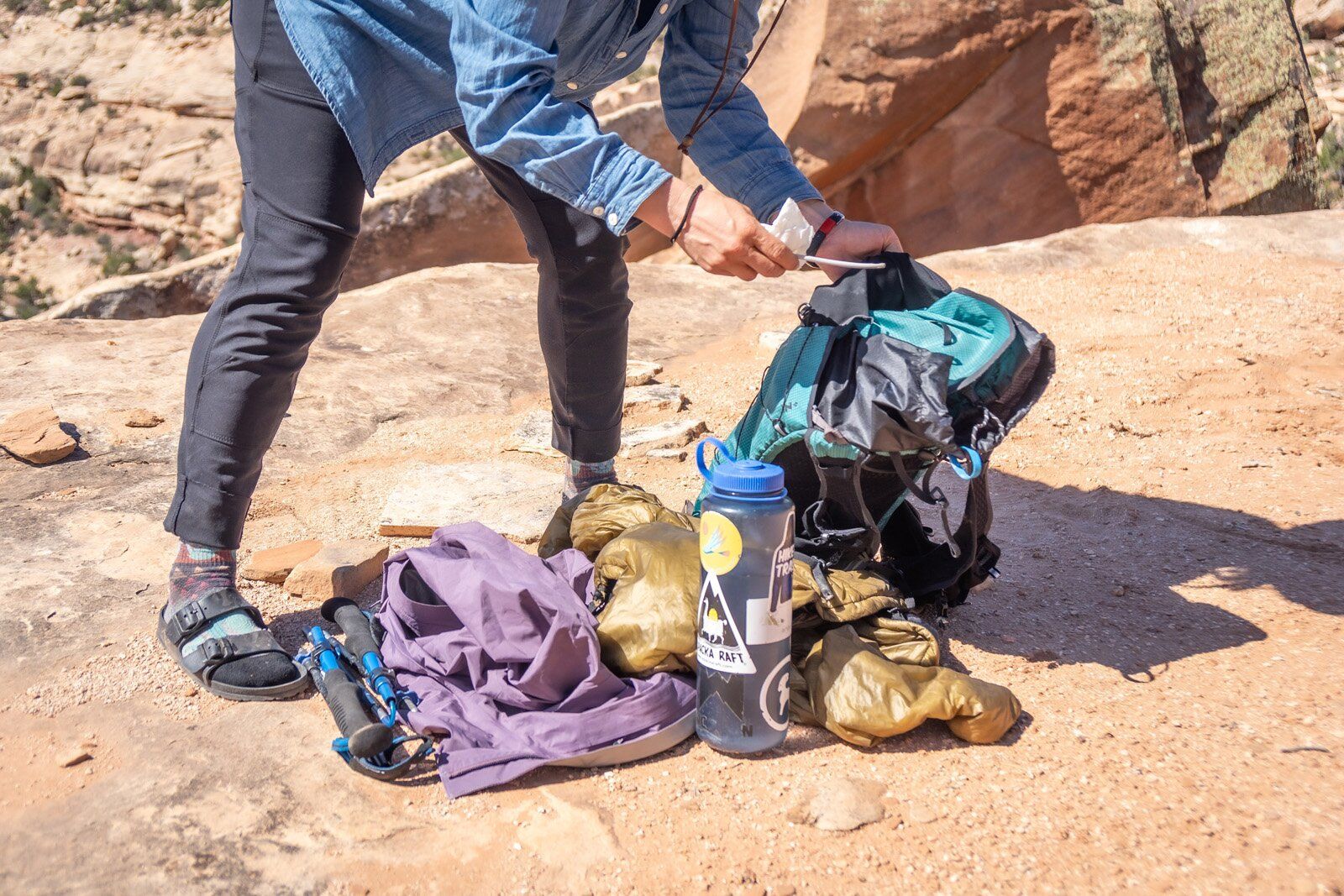
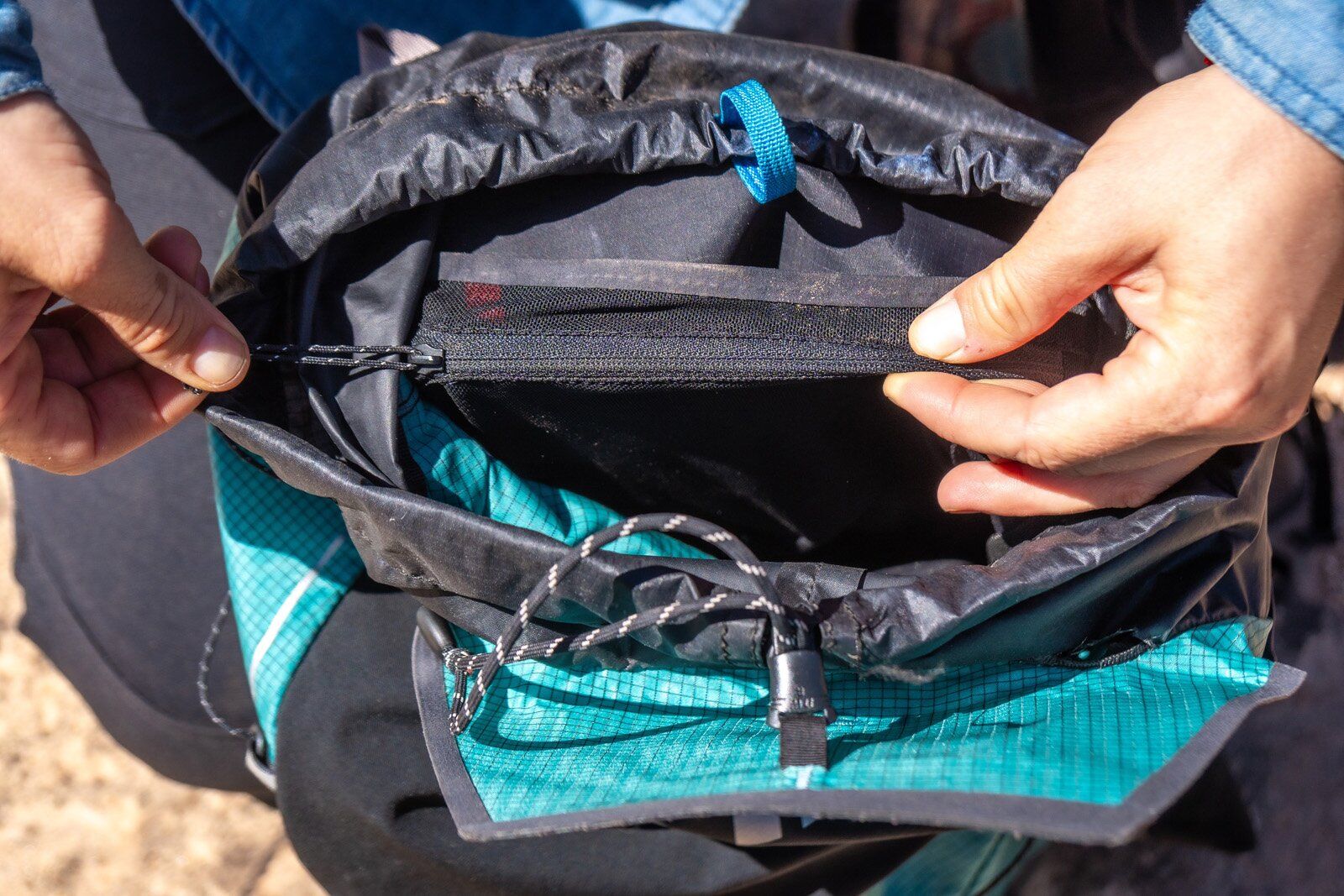
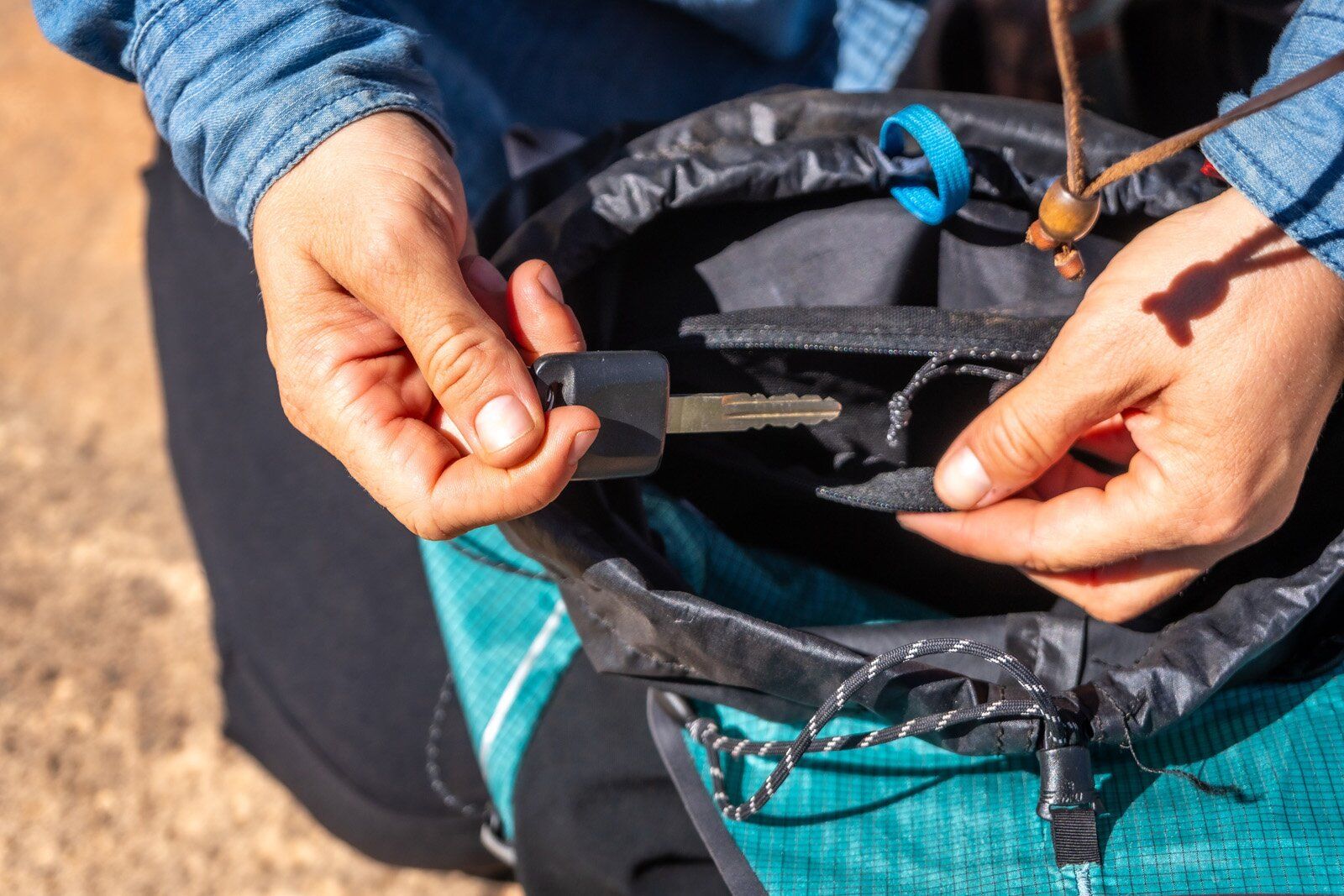
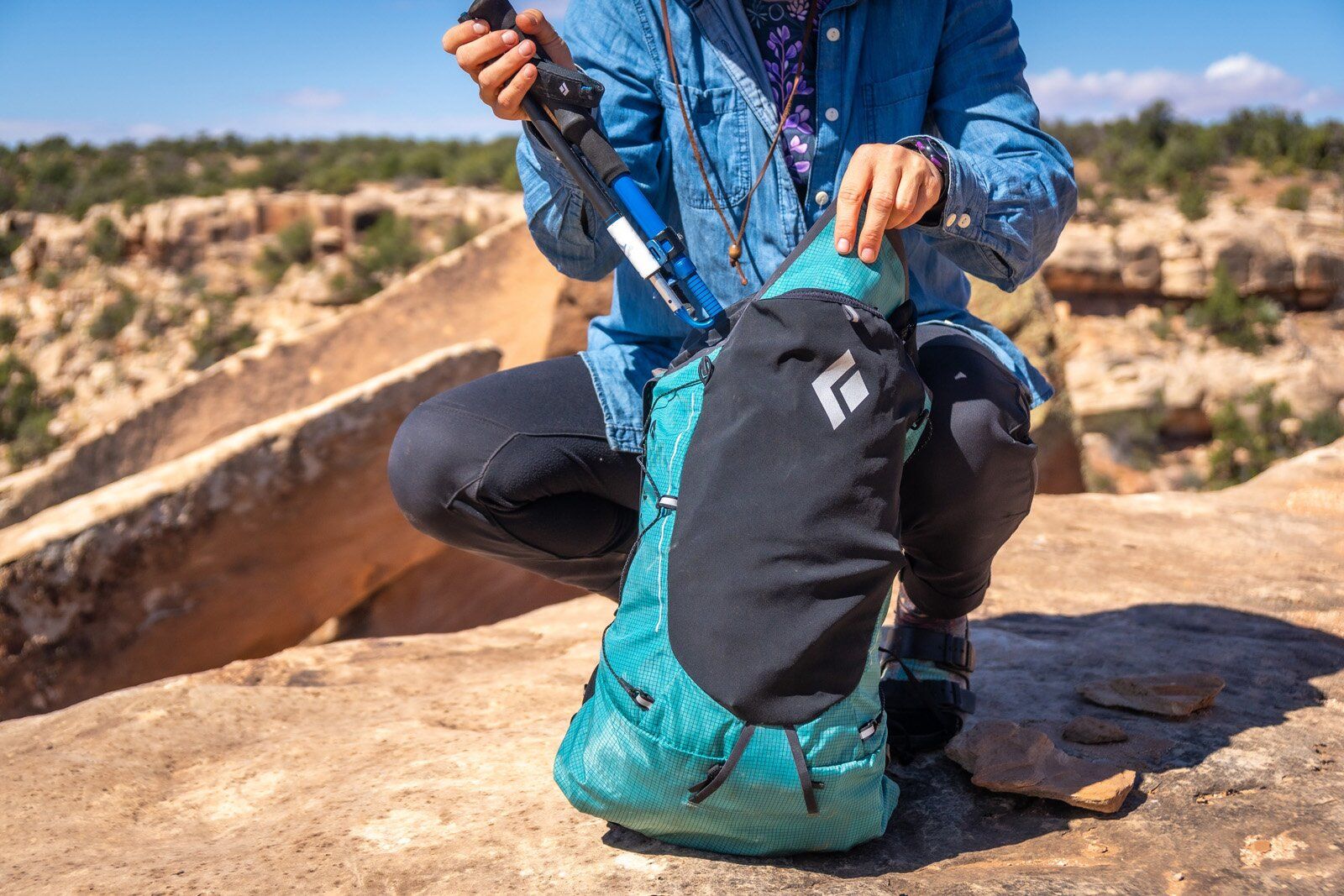
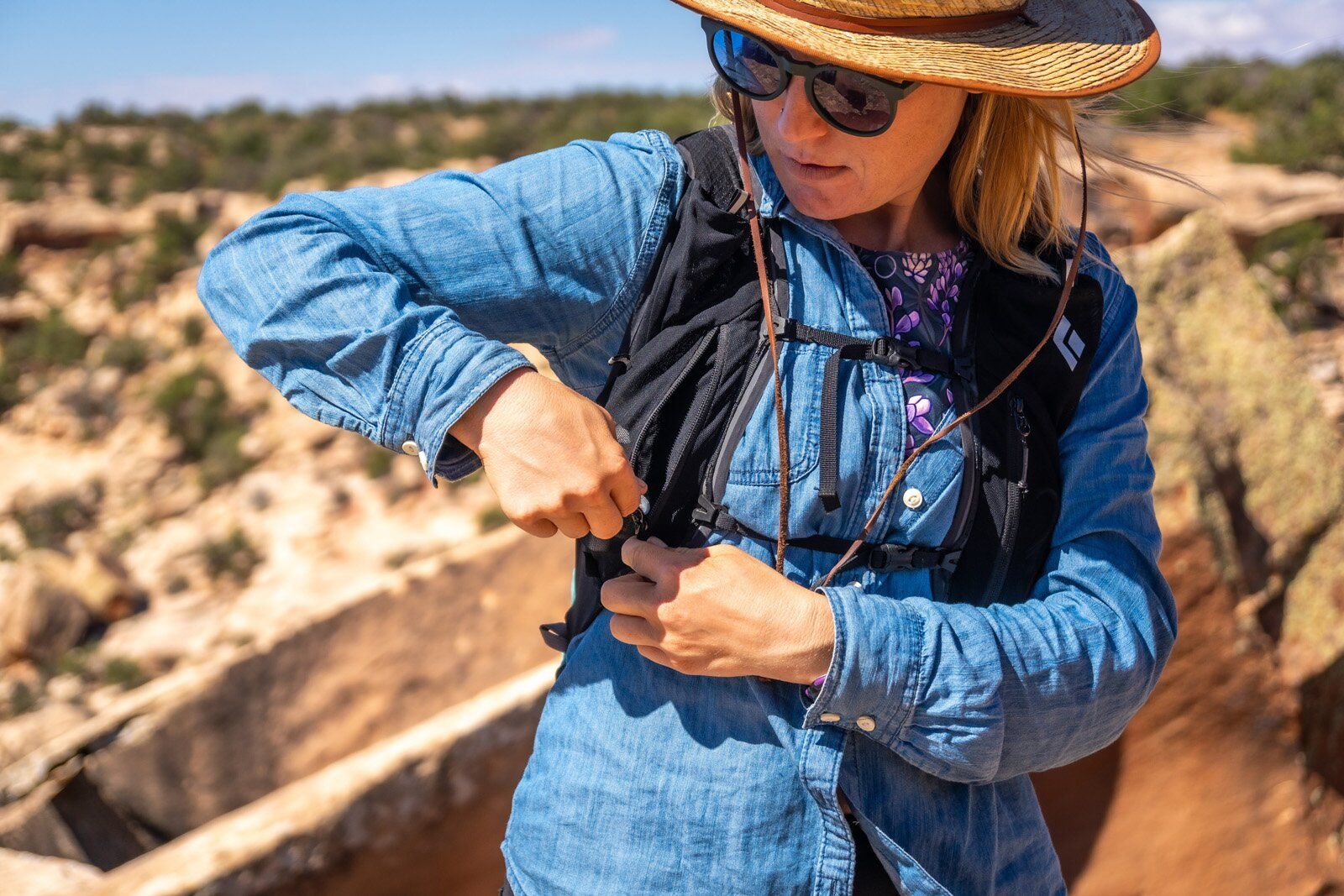
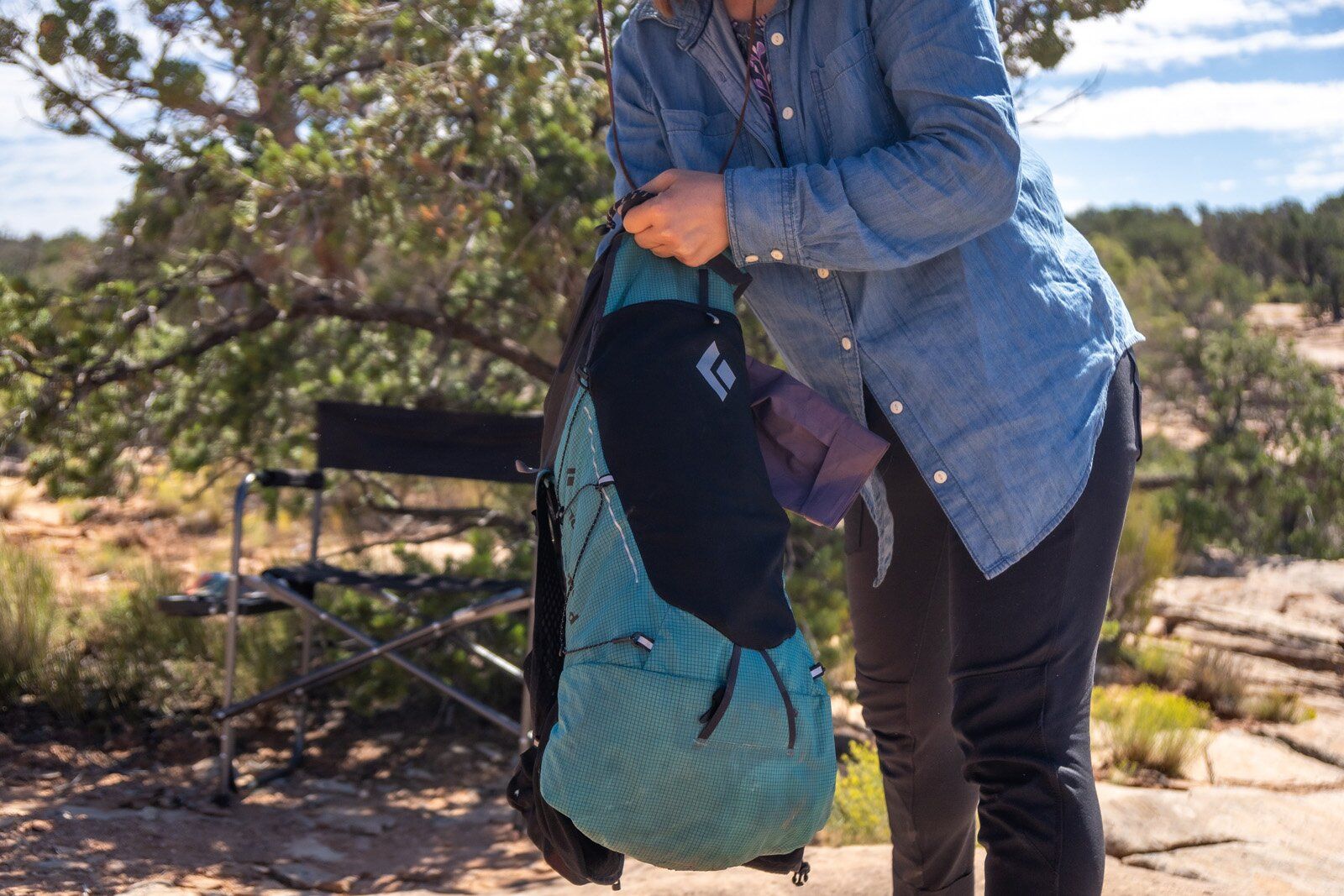
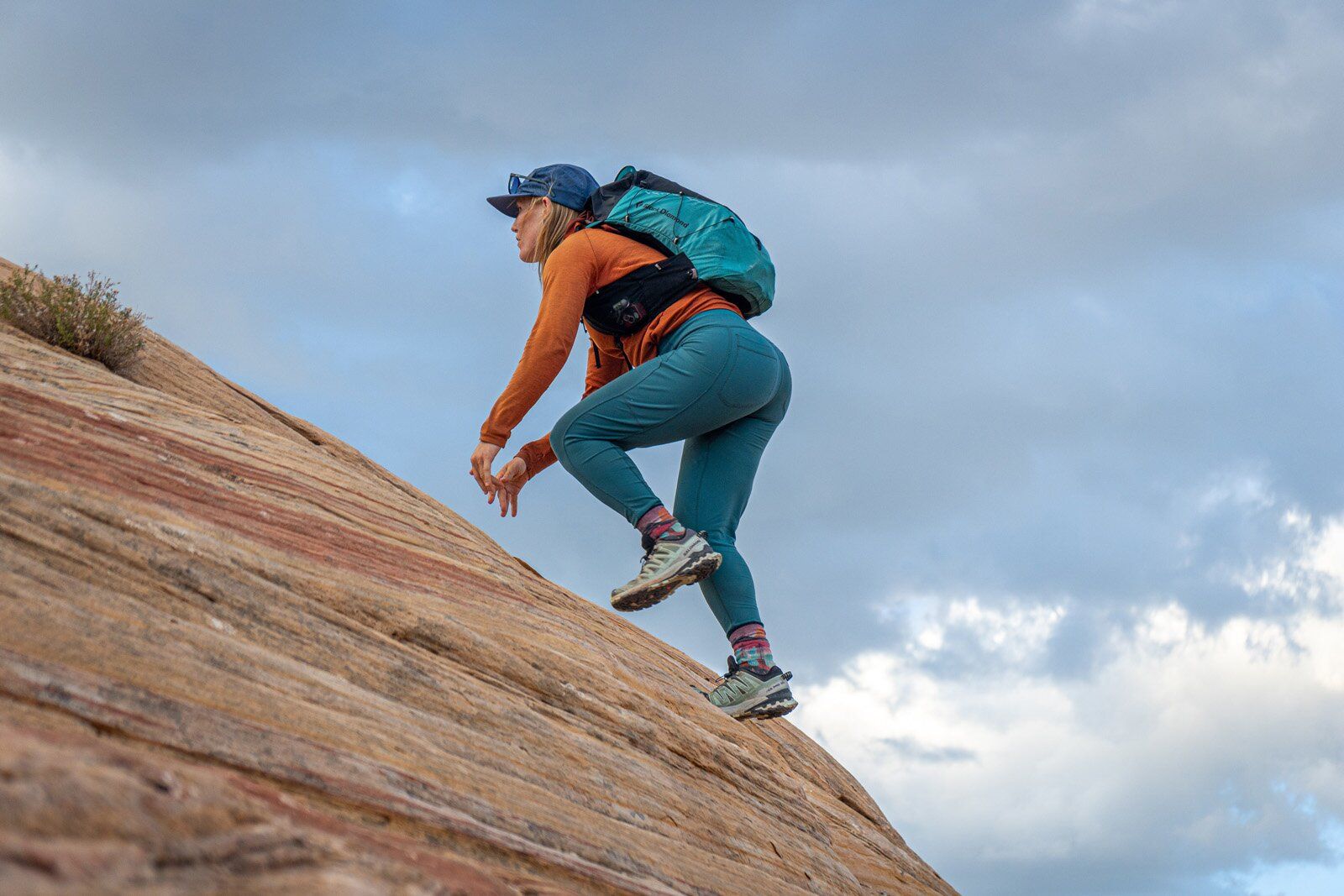
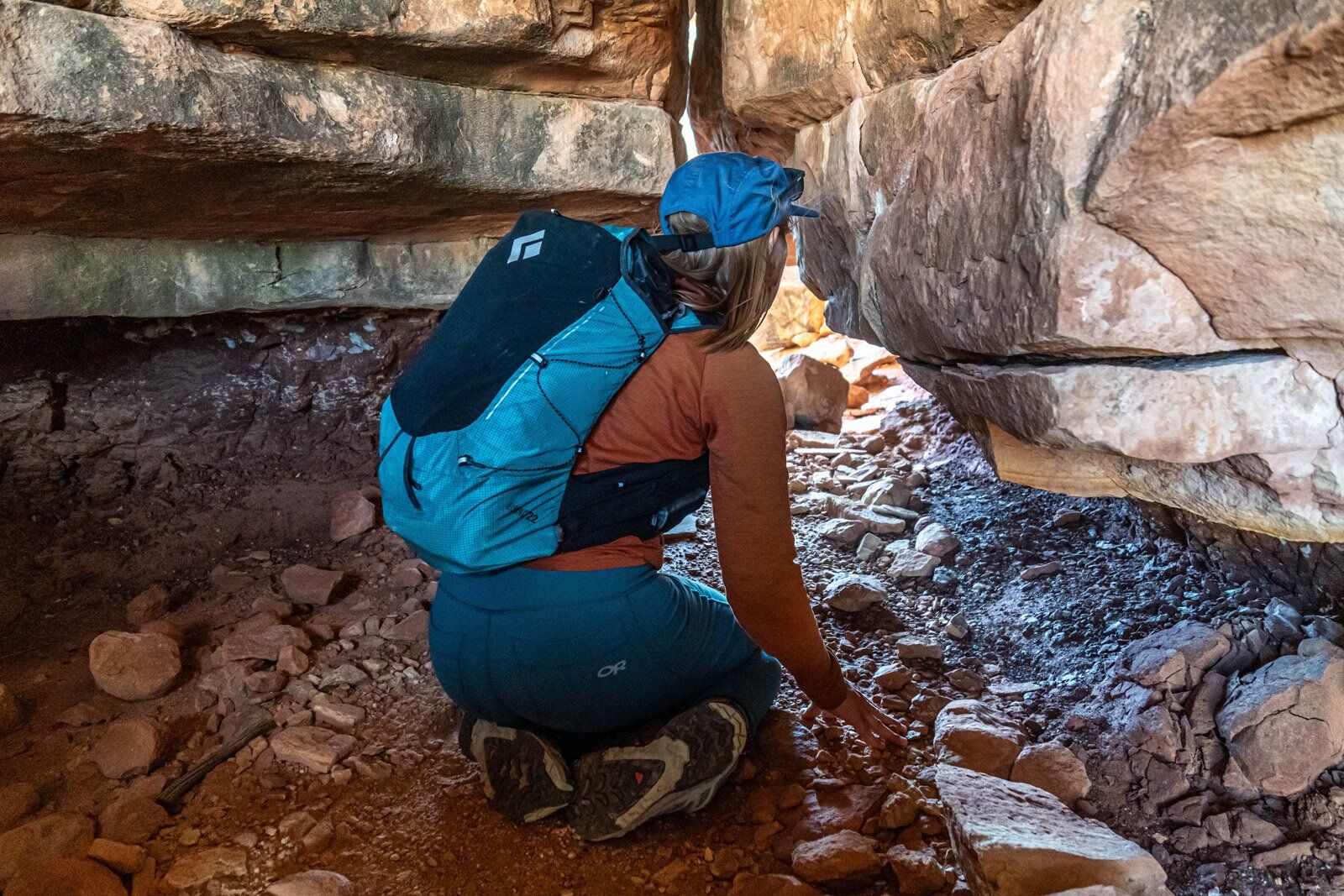
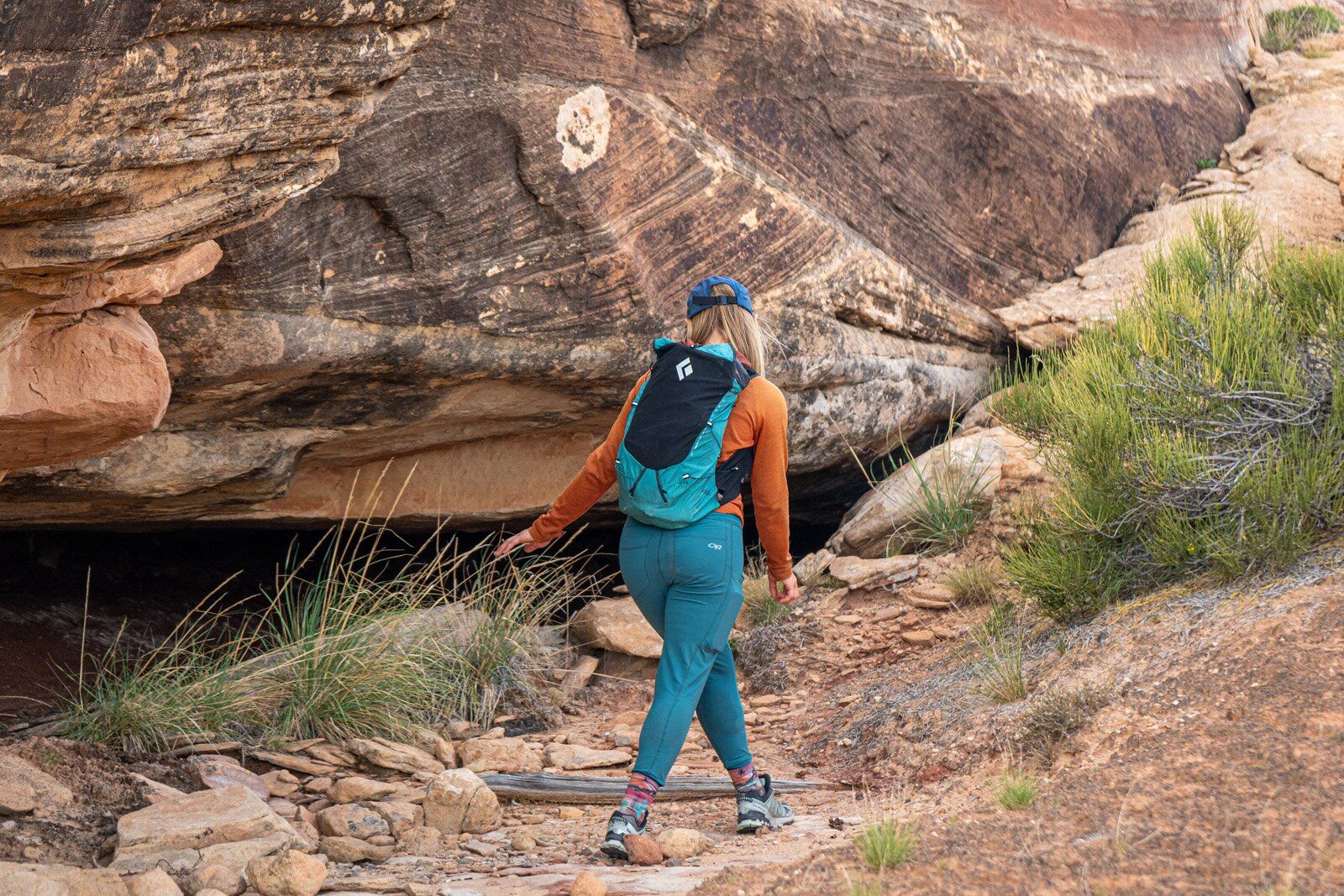
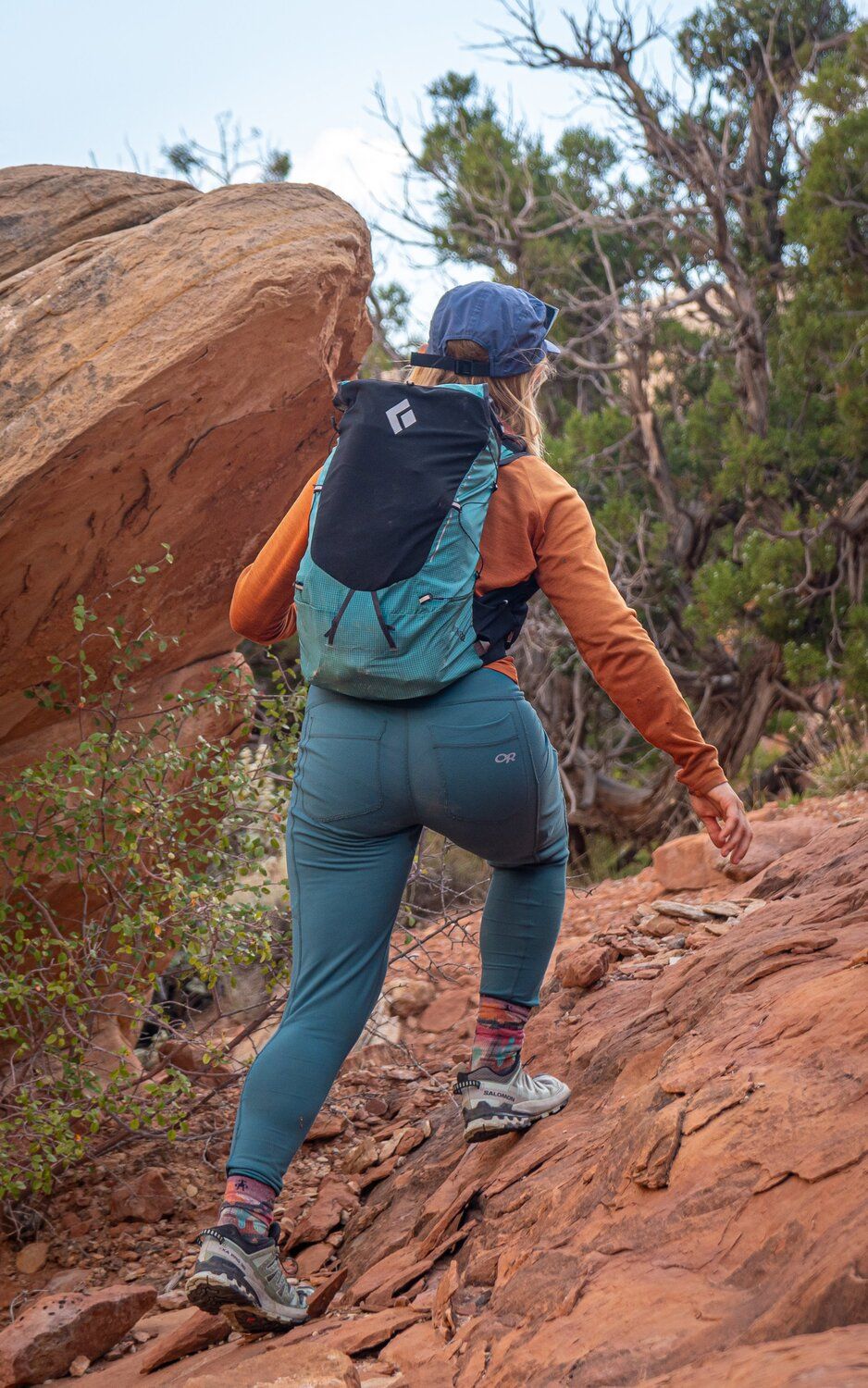
The Distance wants to turn you into a mountain-eating speed demon. This light pack has storage for every gel packet and wicking layer you possess, and its beefy running vest-style harness hugs it close to your body on scrambles and trail runs. Make sure not to overload what little support it offers, though.
Comfort & Support
Organization
Weight
Durability
Water Resistance
Sustainability
Weight
14.5 oz.
Capacity
22L (15L)
Hipbelt
None
Suspension
Frameless
Pros
Cons
If your ideal trail day involves leg-quivering vert, technical moves, and possibly finishing after sundown, the Black Diamond Distance 22 might be the perfect pack for you. Designed for high-mileage, fast-moving adventures, it’s business in the front and party in the back (or maybe the other way around?), combining a bounce-minimizing running vest-style chest harness with an impressive 22 liters of carrying capacity at the rear. Unlike many fastpacking-specific packs with similar capacity, the Distance is built for mountain pursuits, with ultra-durable UHMWPE ripstop fabric, trekking pole stashes for those fourth-class scrambles, an ice axe attachment, and more. Best of all, it rides higher on the torso than a typical daypack or fastpacking hauler, keeping the weight close to the body for better stability on rugged terrain. There’s simply no other pack that blends this level of alpine performance with fast-and-light efficiency.
That said, the Black Diamond Distance 22 has some quirks. While the running vest-style harness is comfortable, the pack lacks a hipbelt—a surprising omission for a 22-liter design. This was an intentional choice by BD, aiming for a high-riding fit akin to a running vest. But the execution isn’t flawless. The pack still sits low enough to rub on that one vertebra (yes, you know the one) and can feel overburdened on the shoulders if you load it too heavy. That said, this is arguably still a better solution for scrambling and downhill shuffling than daypack-style fastpacking alternatives like the Osprey Talon Velocity. Fit is another limiting factor—the Distance is only available in three sizes (BD, can we get an XS and XL?). But if you fall within the size range—and are willing to make the $200+ investment—it’s a phenomenal companion for long, technical days in the alpine. To learn more, check out our Black Diamond Distance 22 review.

The Manta feels bigger than its specs suggest, thanks to loads of pockets and a full suspension. The included hydration reservoir is also a boon for hikers who are building their kit from scratch. If you already have a reservoir, there are more affordable and lighter-weight options.

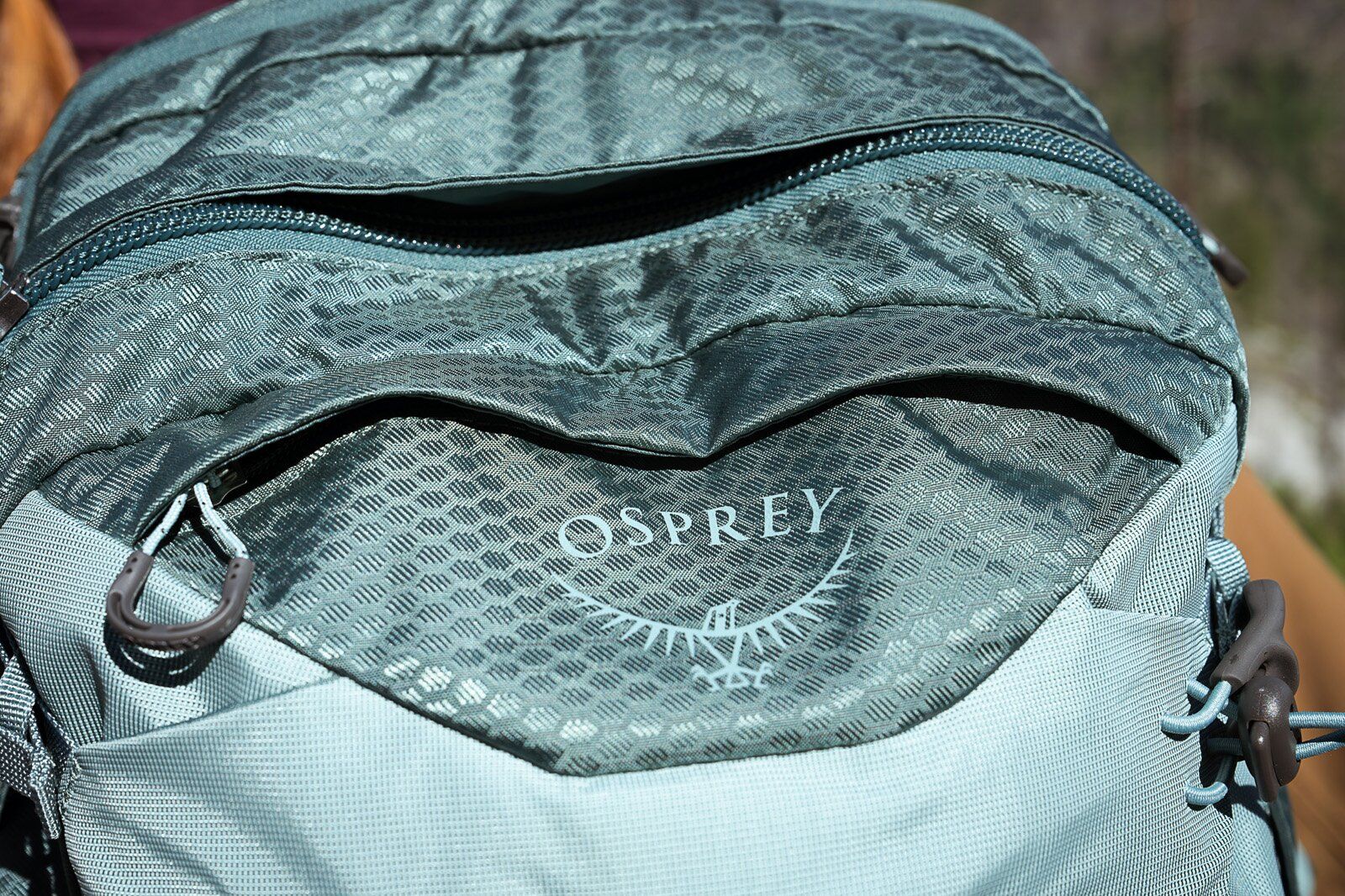
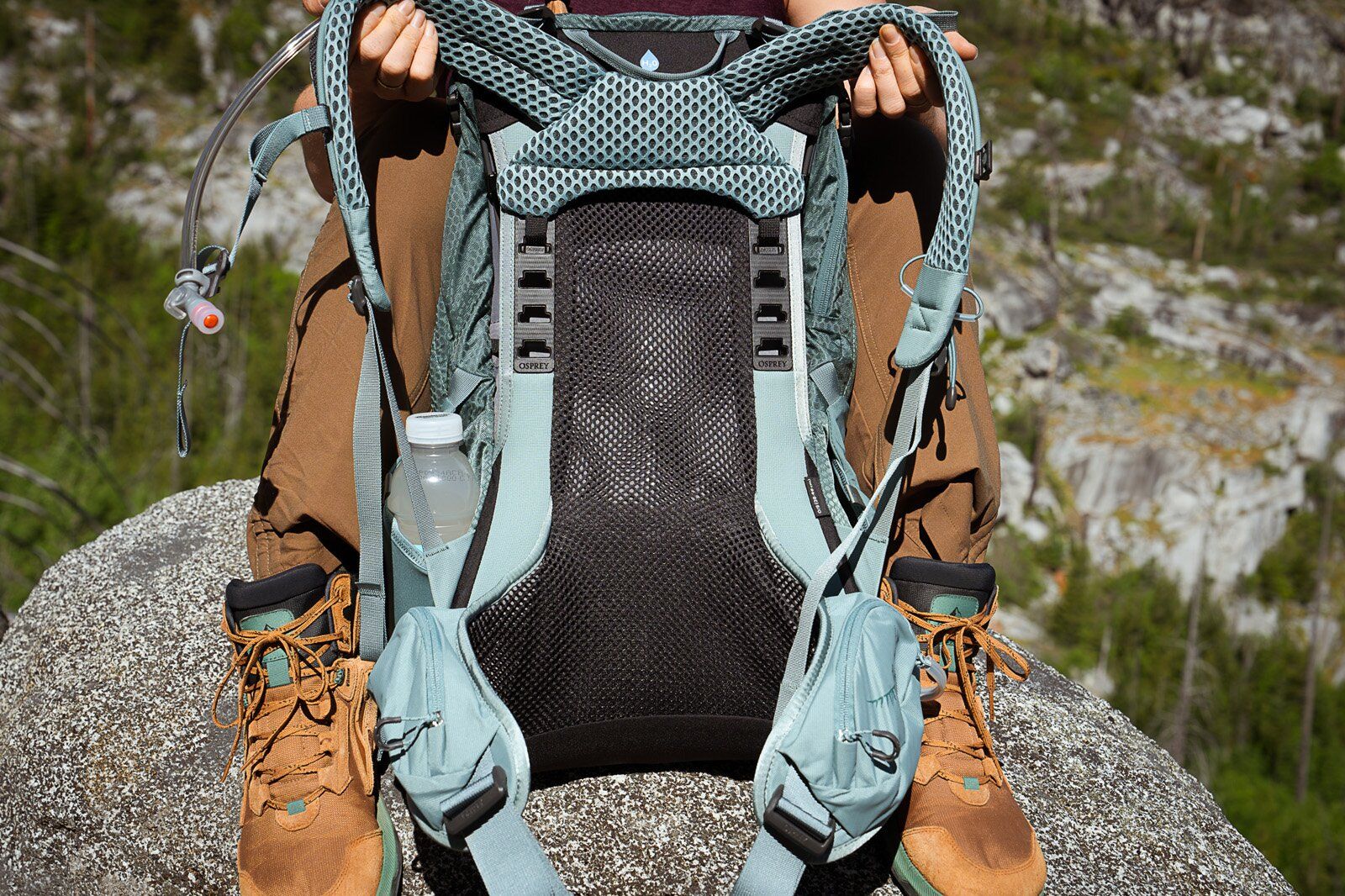
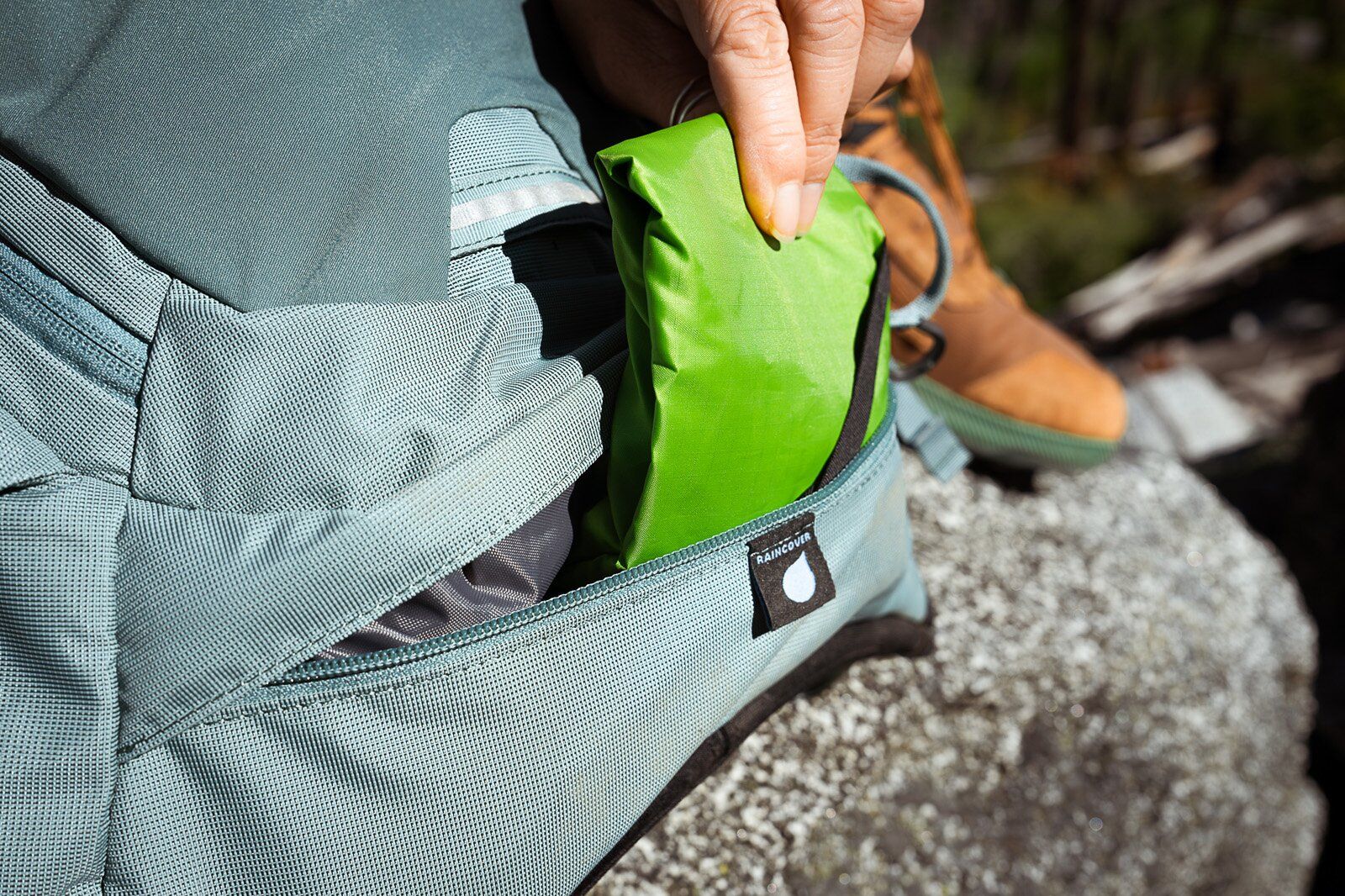
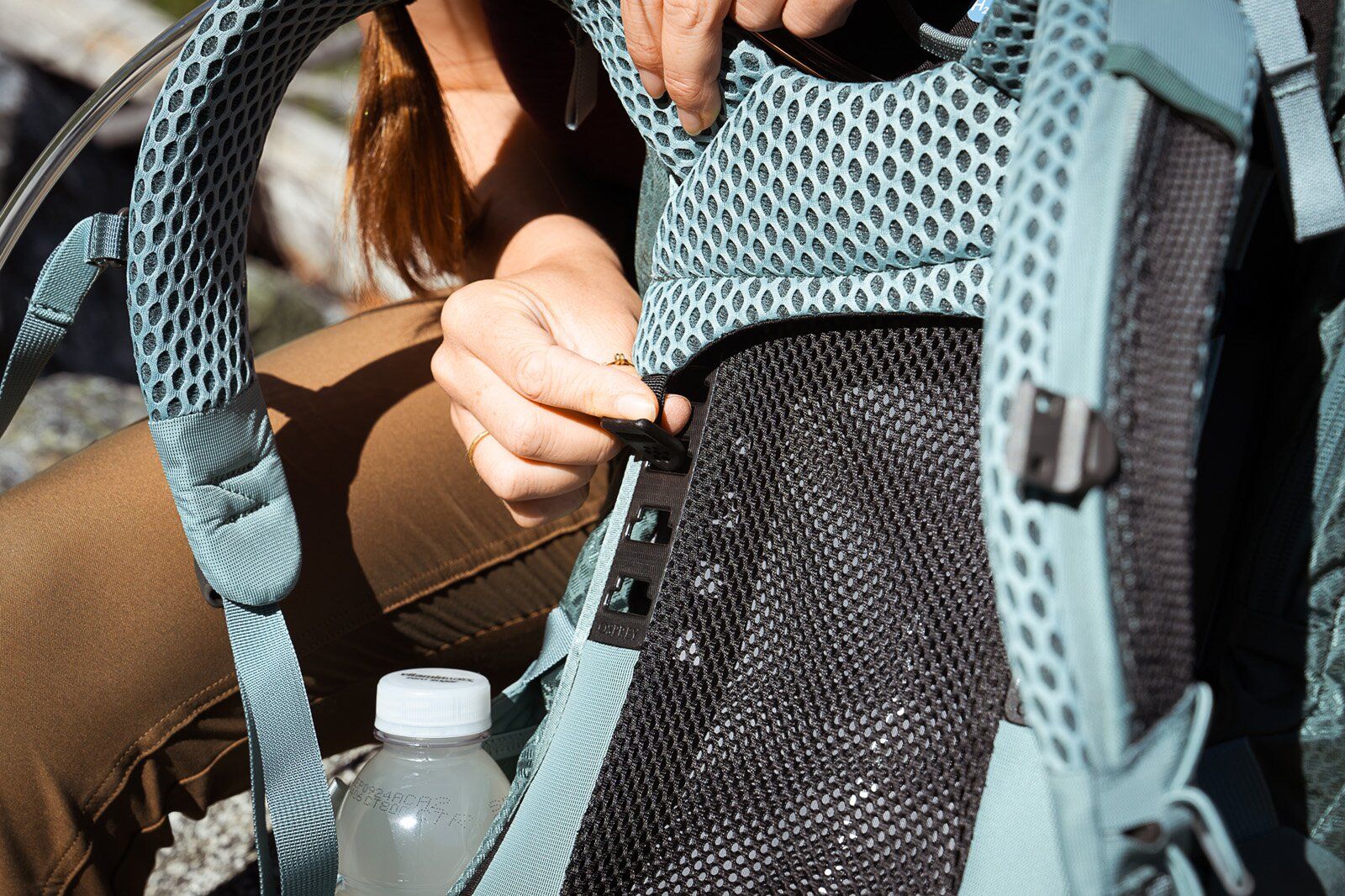
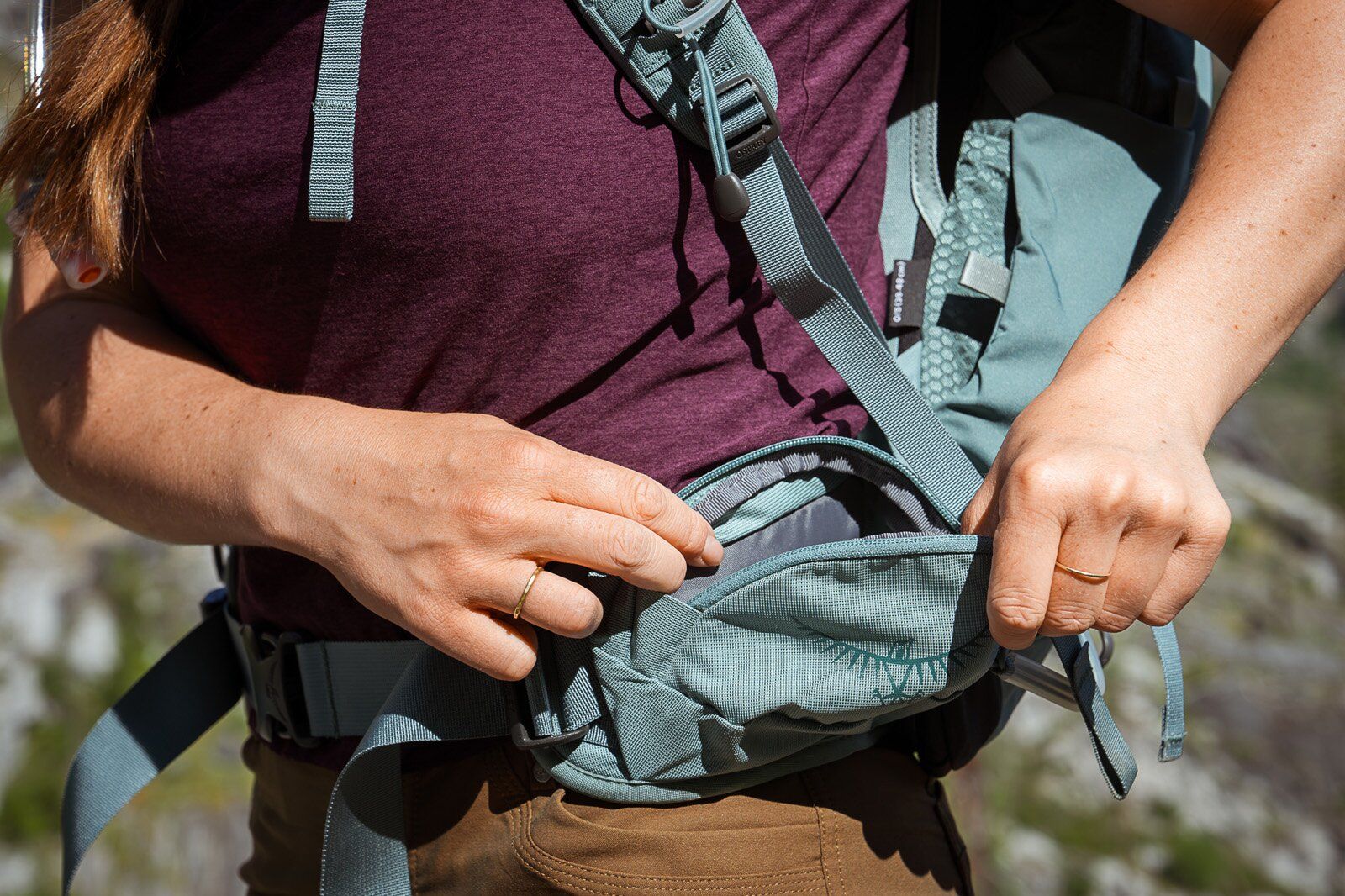
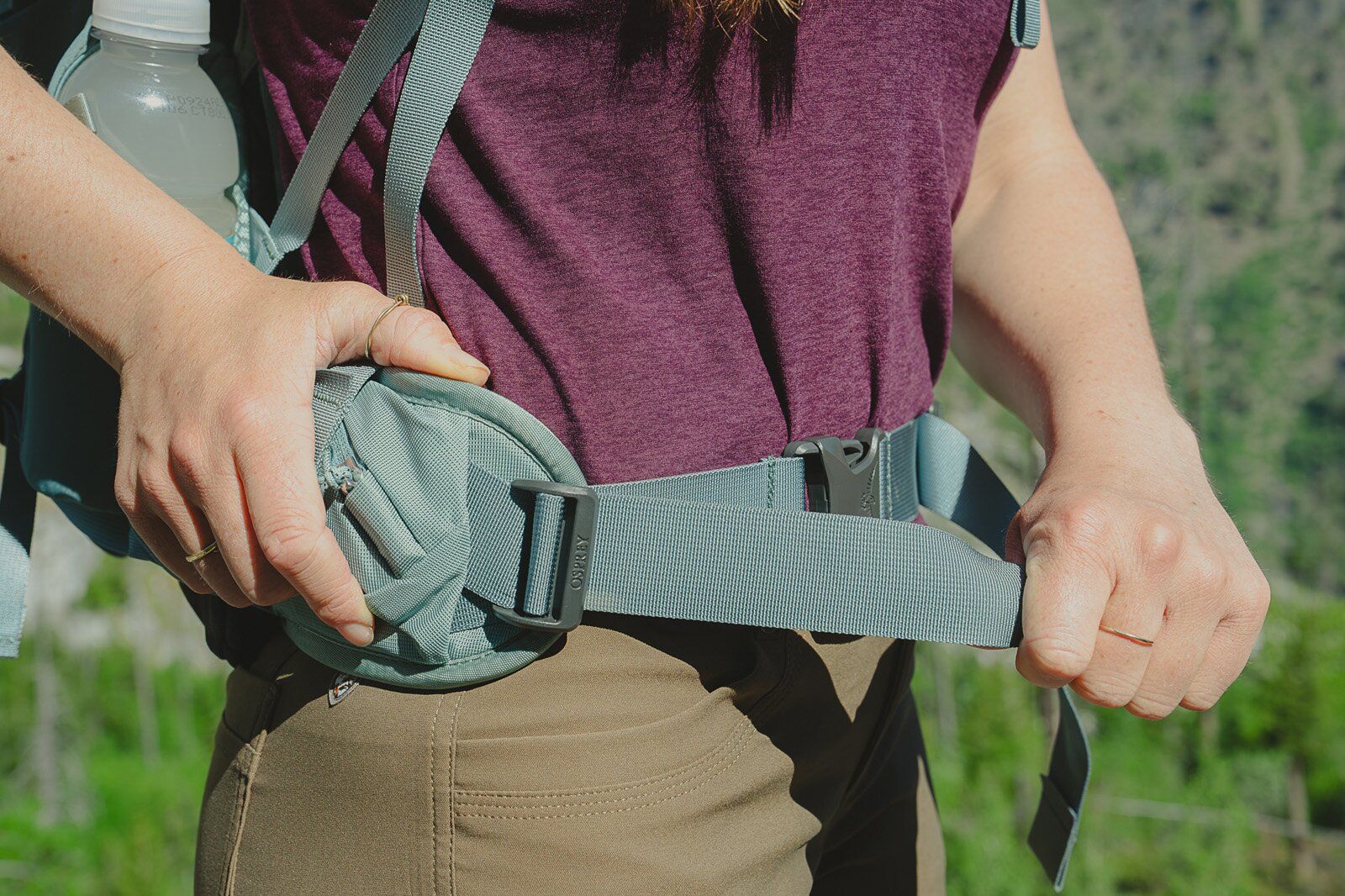
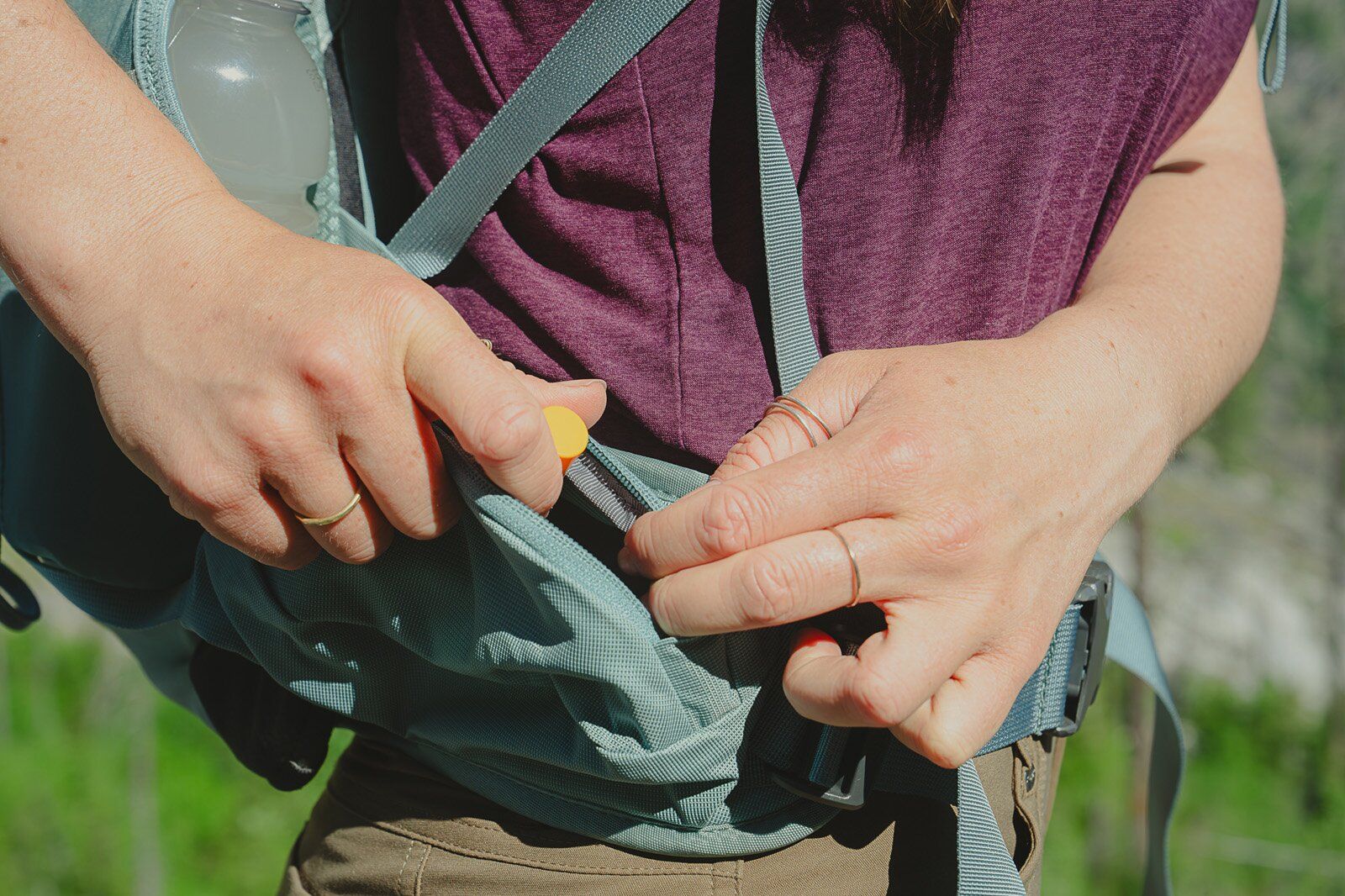
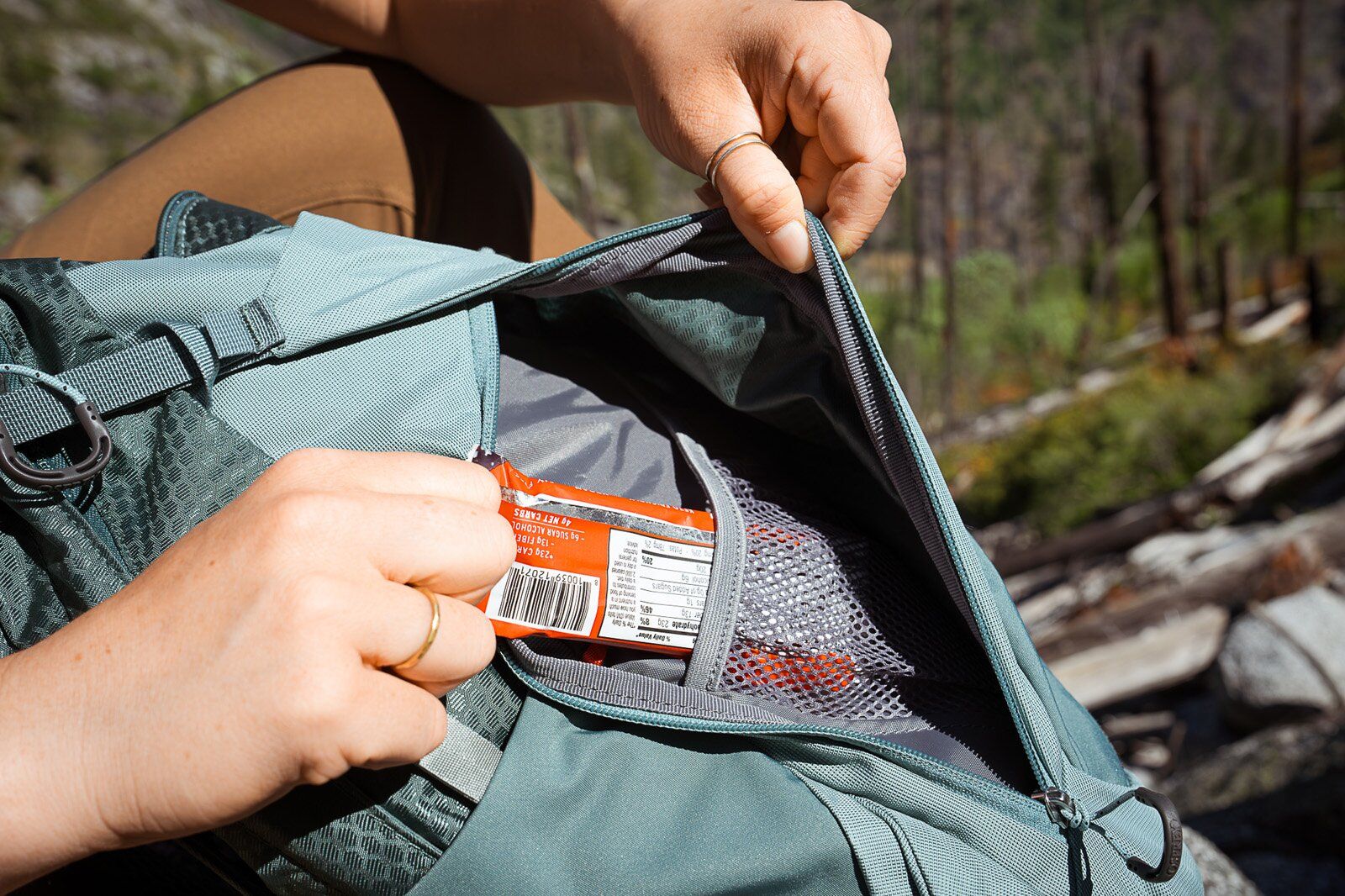
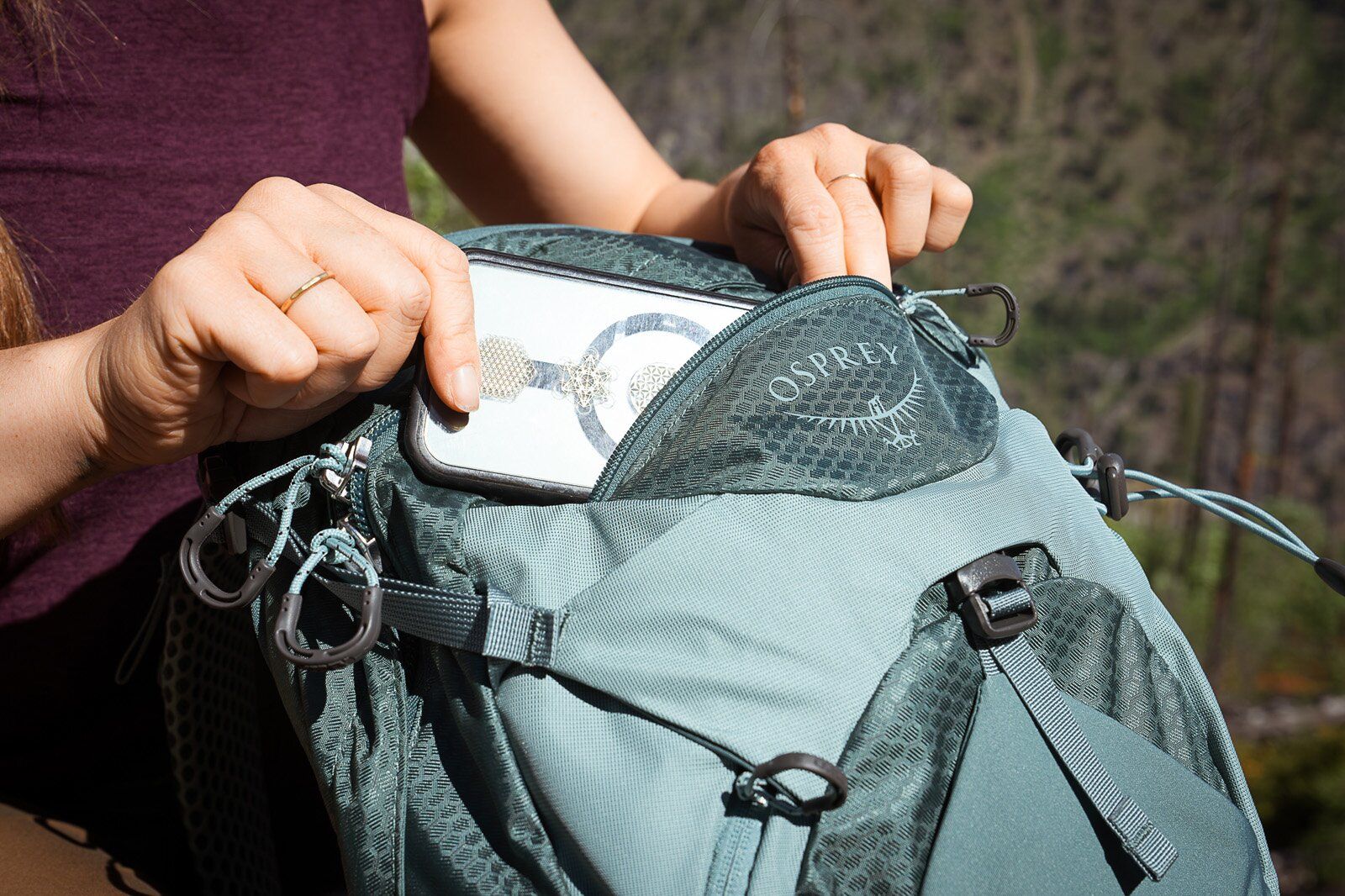
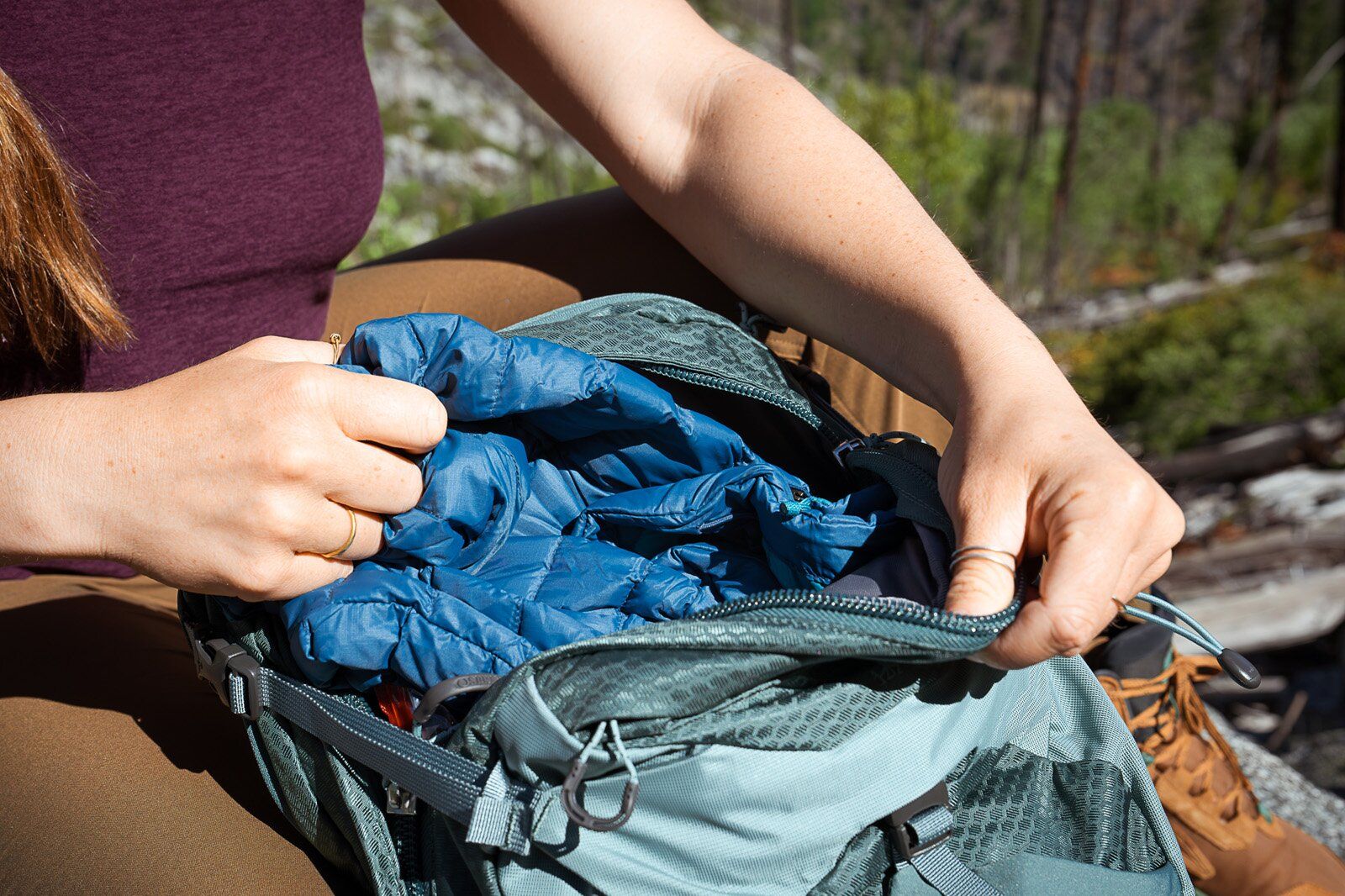
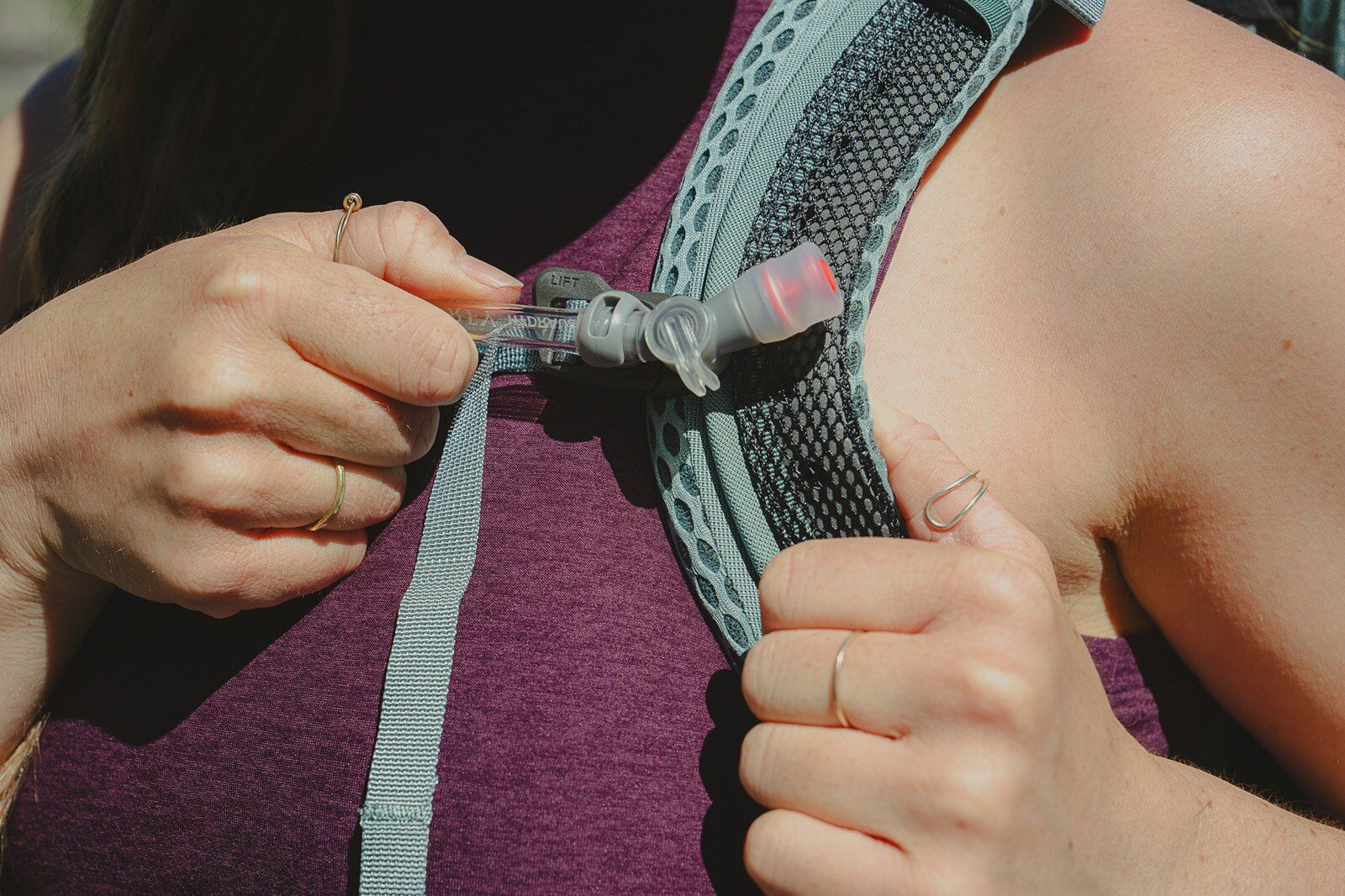
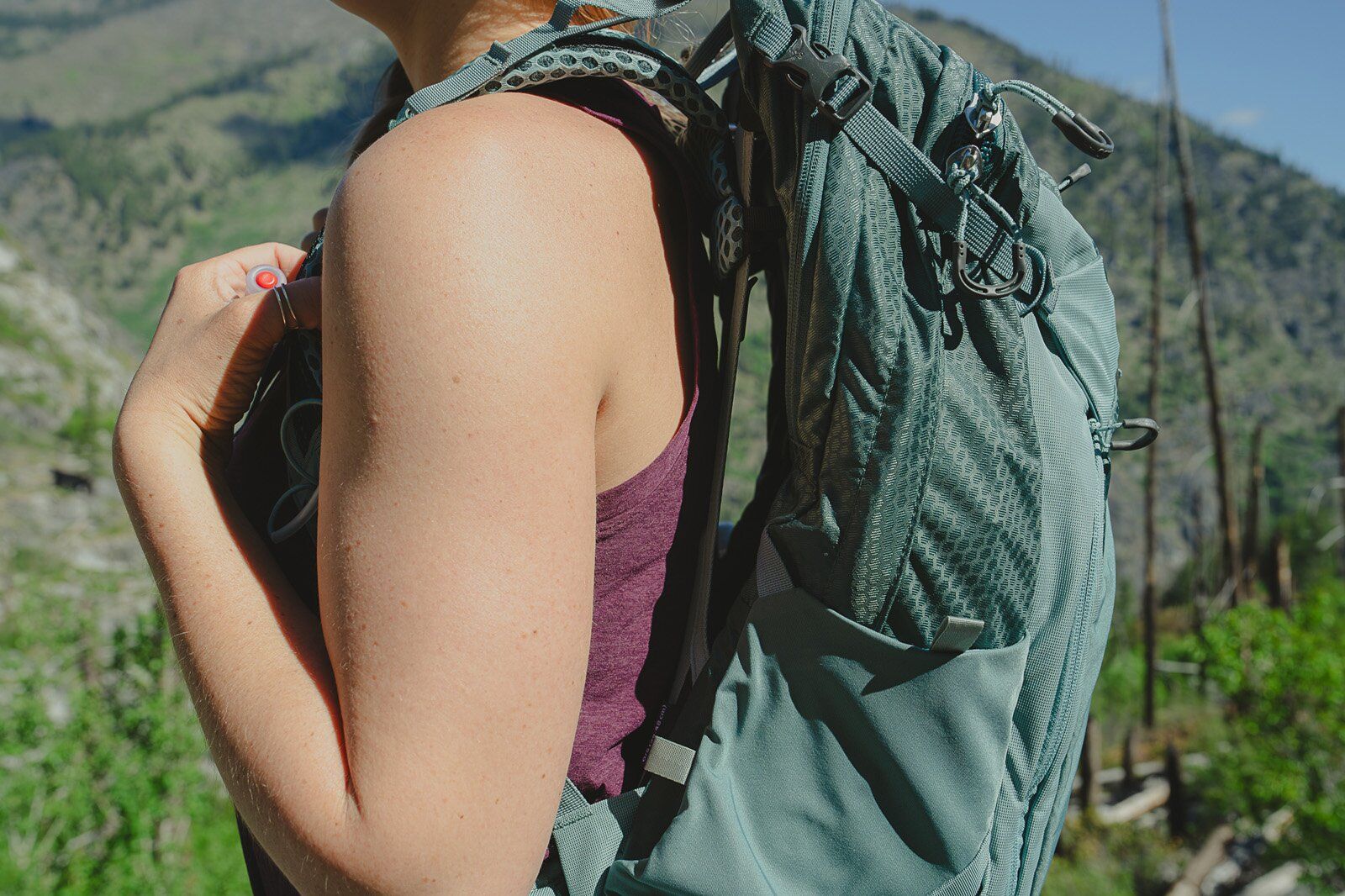
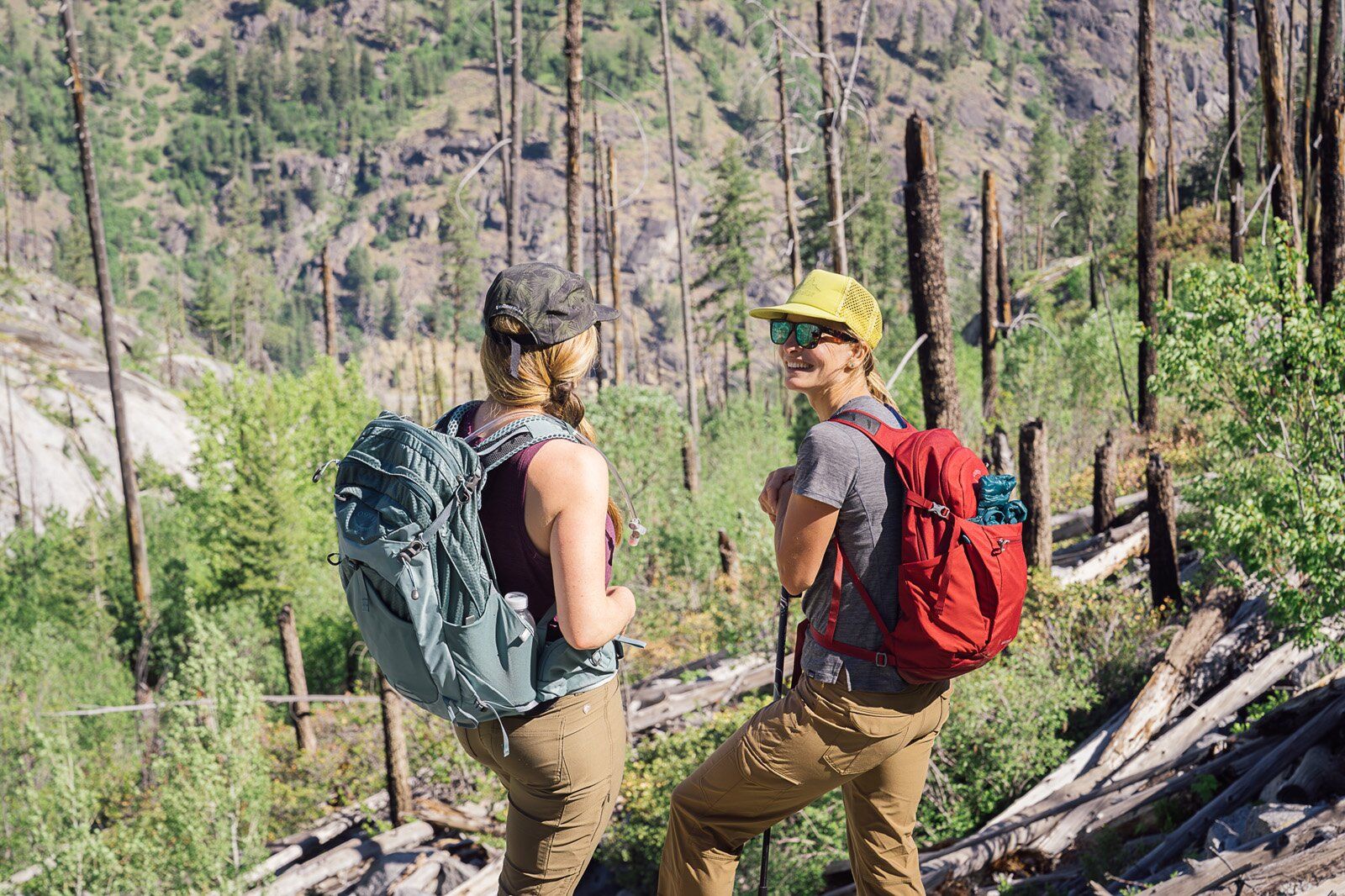
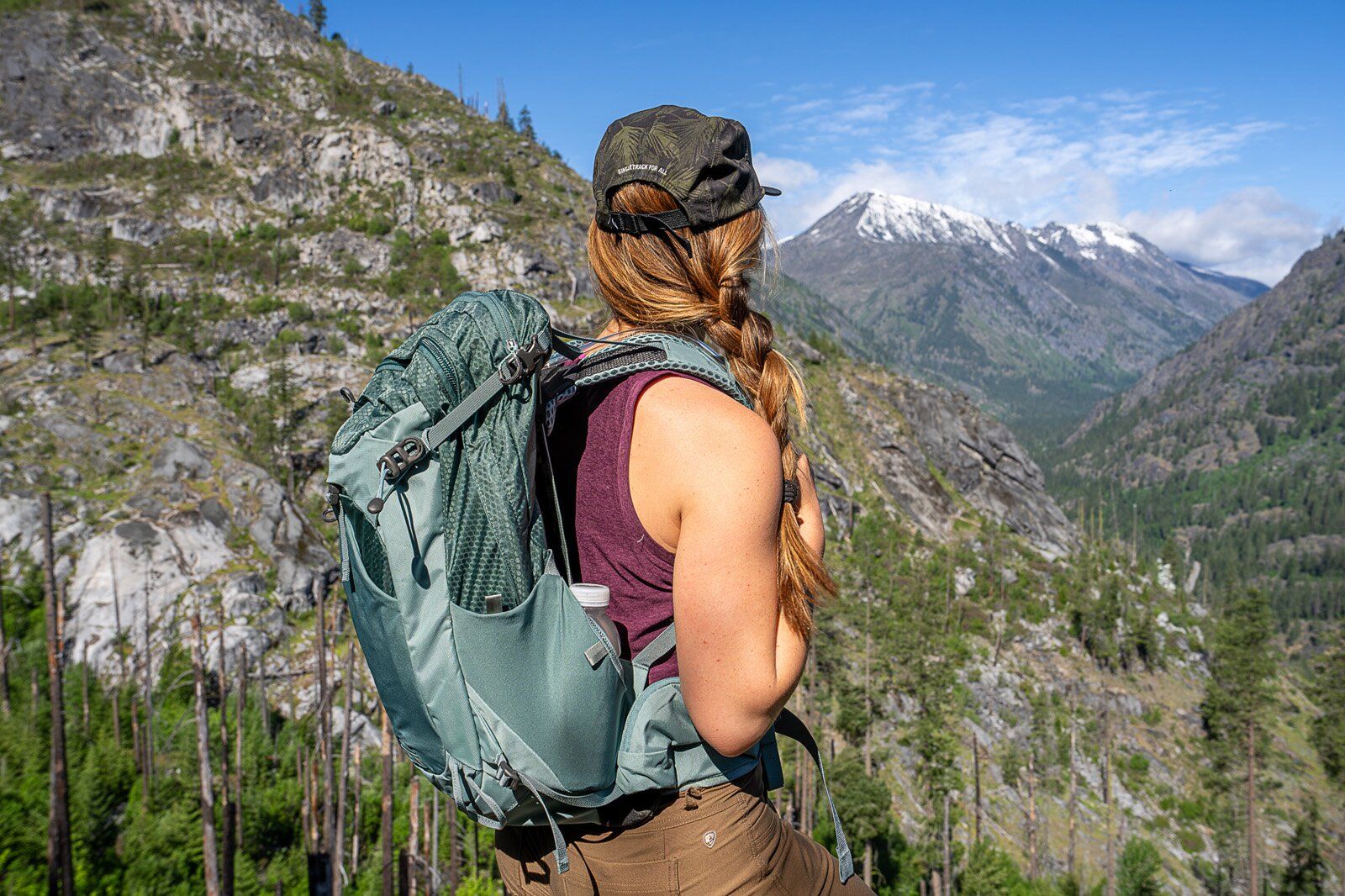
The Manta feels bigger than its specs suggest, thanks to loads of pockets and a full suspension. The included hydration reservoir is also a boon for hikers who are building their kit from scratch. If you already have a reservoir, there are more affordable and lighter-weight options.
Comfort & Support
Organization
Weight
Durability
Water Resistance
Sustainability
Weight
2 lb. 15.4 oz.
Capacity
24L (34L)
Hipbelt
Padded
Suspension
Perimeter frame
Pros
Cons
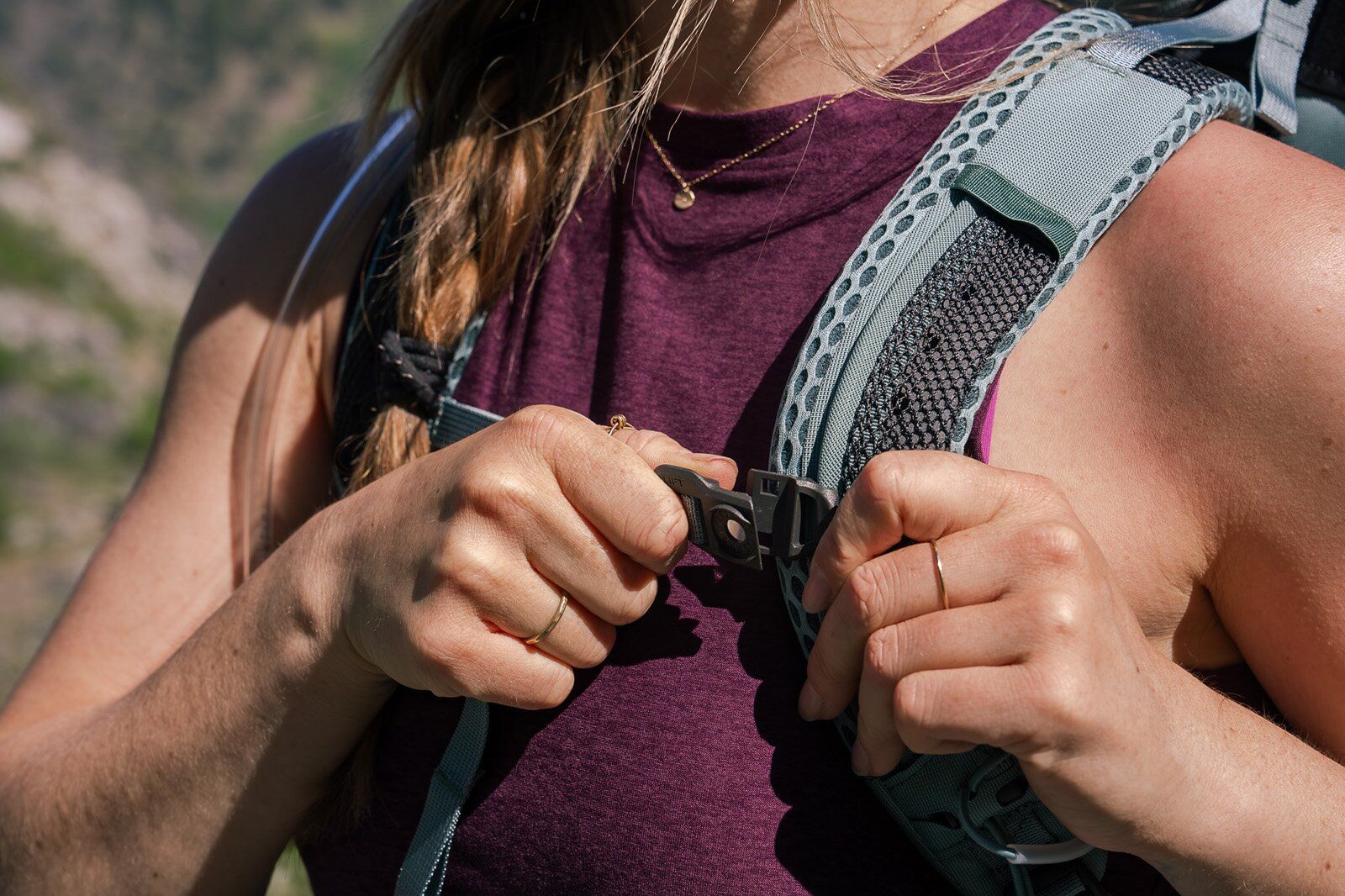
The Osprey Manta (women’s Mira) is the antidote to the light-and-fast movement, merging the capacity of a daypack with the suspension and comfort of a backpacking pack. For some, it will feel like overkill—especially for a simple day hike—but those who prioritize a plush, supportive ride will appreciate its trampoline-style back panel and adjustable torso length, both rare features in a daypack. The heavy-hauling frame and close fit have kept us comfortable on numerous outings, even when toting loads north of 15 pounds. And unless you’re carrying bricks (or gallons of water), you’d be hard-pressed to squeeze in much more weight in the 24-liter version.
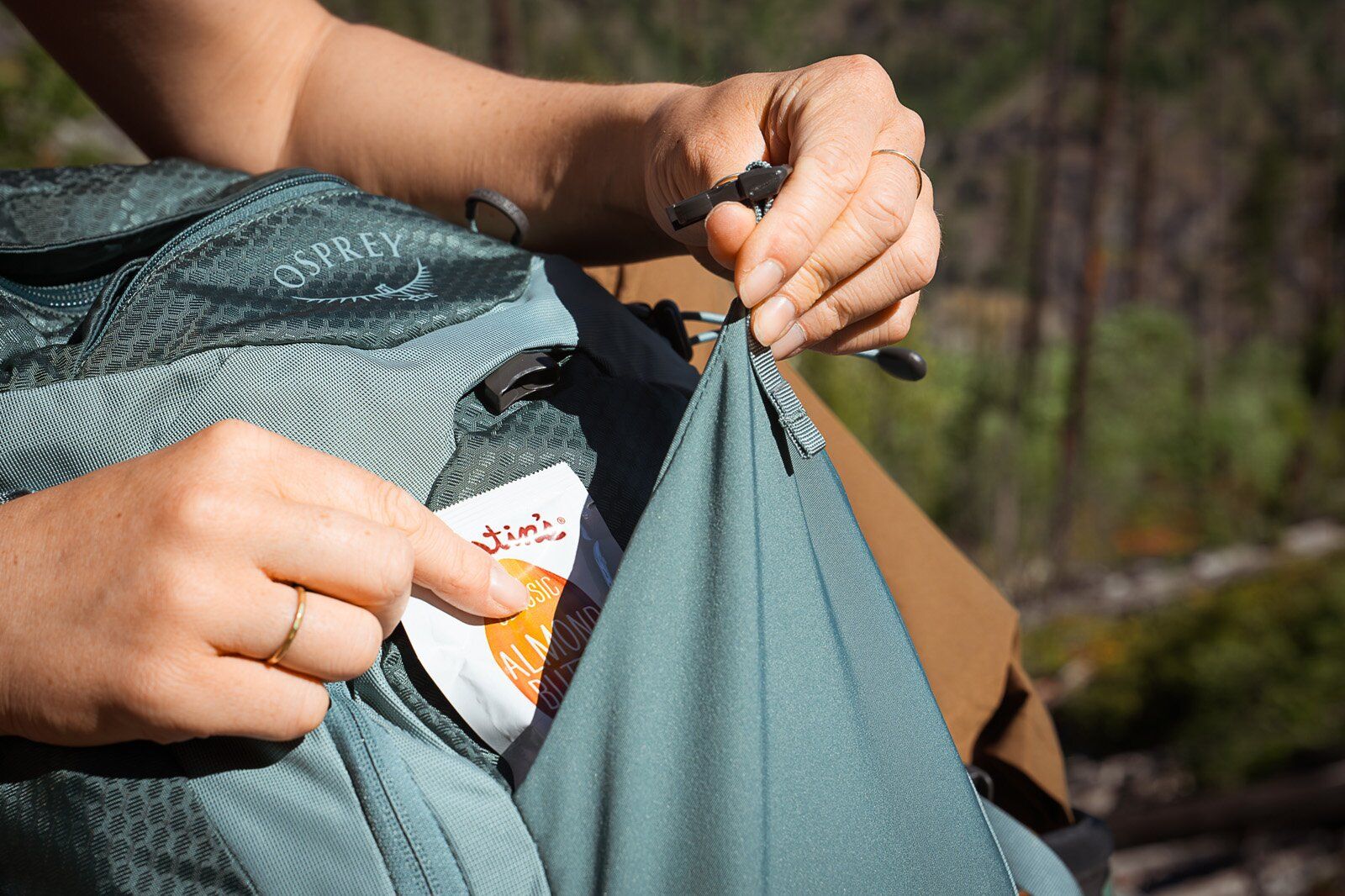
The Manta doesn’t skimp on storage, featuring a whopping seven pockets in addition to the main compartment. We never found ourselves wishing for more space, even when packing a midlayer, down jacket, gloves, and an abundance of snacks. There’s also external storage for an ice axe and trekking poles, adding to its versatility. As for durability, the Manta’s 210-denier nylon construction (with a reinforced 420D bottom) is plenty tough for a daypack, and its buckles and zippers feel built to last. After a season of use—including tight passageways and brushy trails—our model has held up remarkably well.
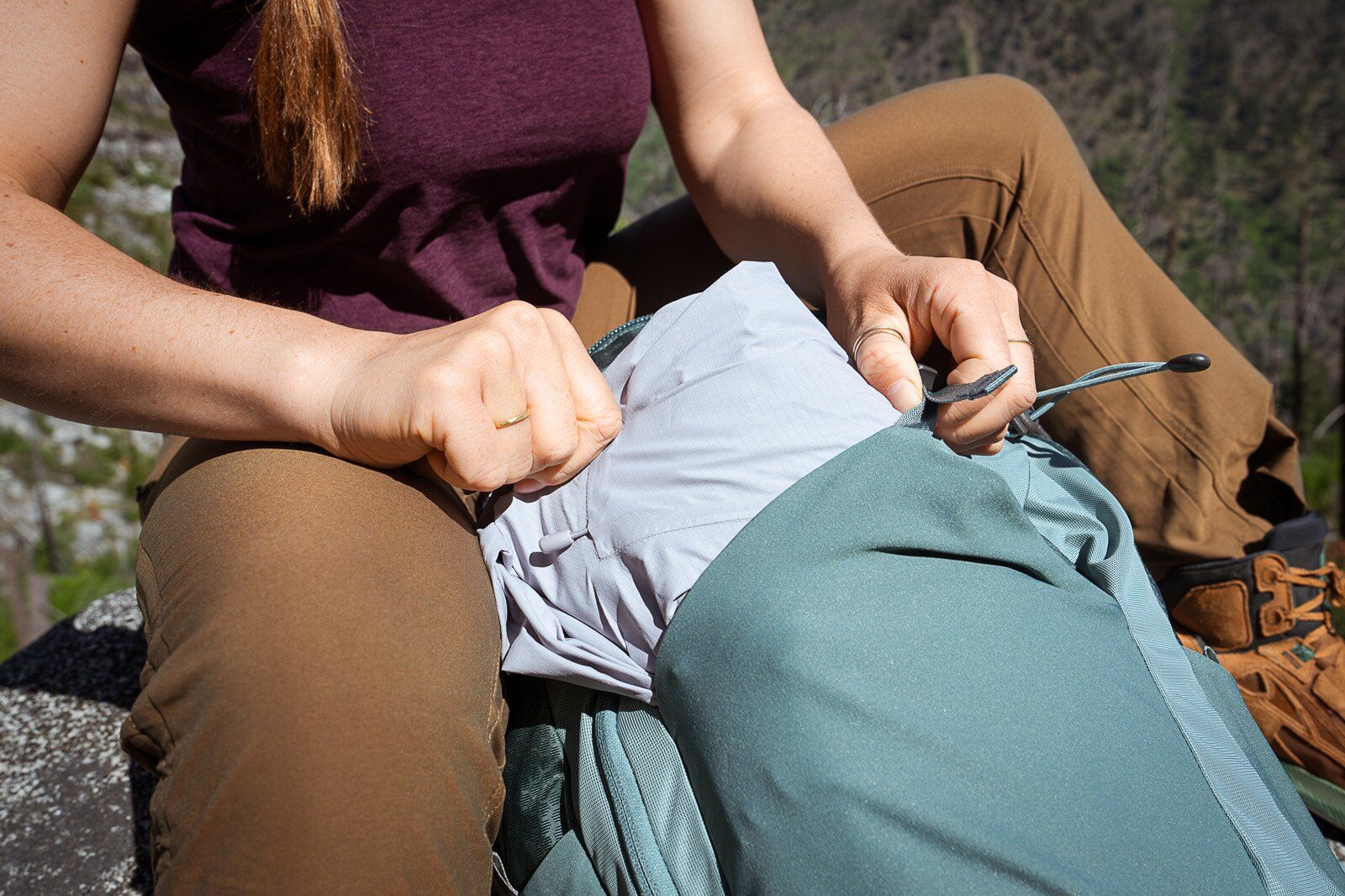
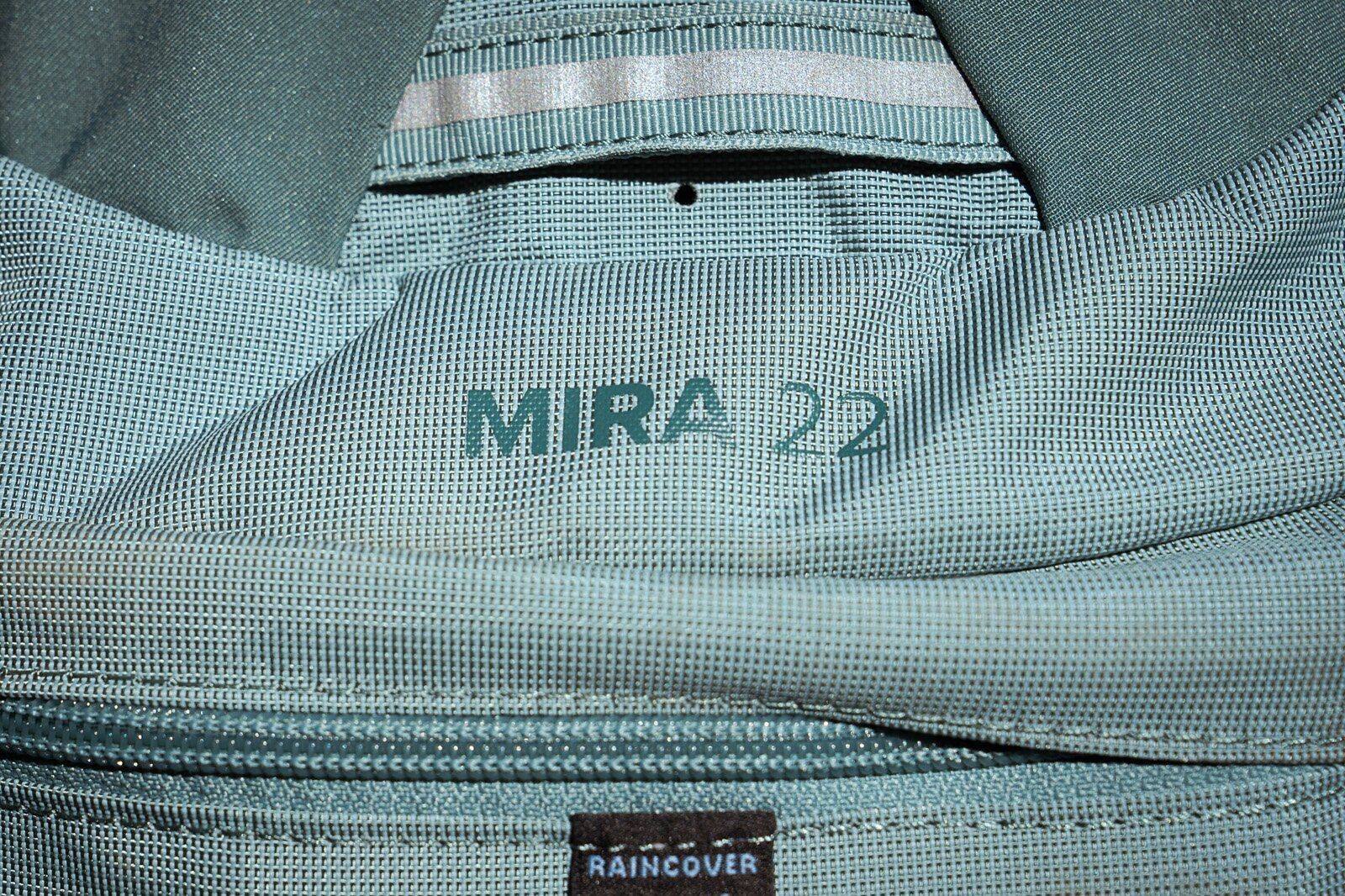
At $200, the Manta’s price tag might raise eyebrows given its modest size, but Osprey helps justify the cost by including a Hydraulics LT 2.5L reservoir (a $42 value) and an integrated rain cover. For those looking for an all-in-one purchase, it’s a reasonable deal—assuming you don’t mind the overbuilt design. But if you already own a reservoir or prefer bottles, we suggest looking elsewhere. Similar models, like the Osprey Stratos 24, offer comparable organization and support but without the added cost of a bundled hydration system. For more, check out our review of the women’s Osprey Mira 22.
The Stratos is a pack for hikers with big days and long gear lists. This feature-heavy model doesn’t skimp on organization and support, but it’s probably too overbuilt for most daytrippers.
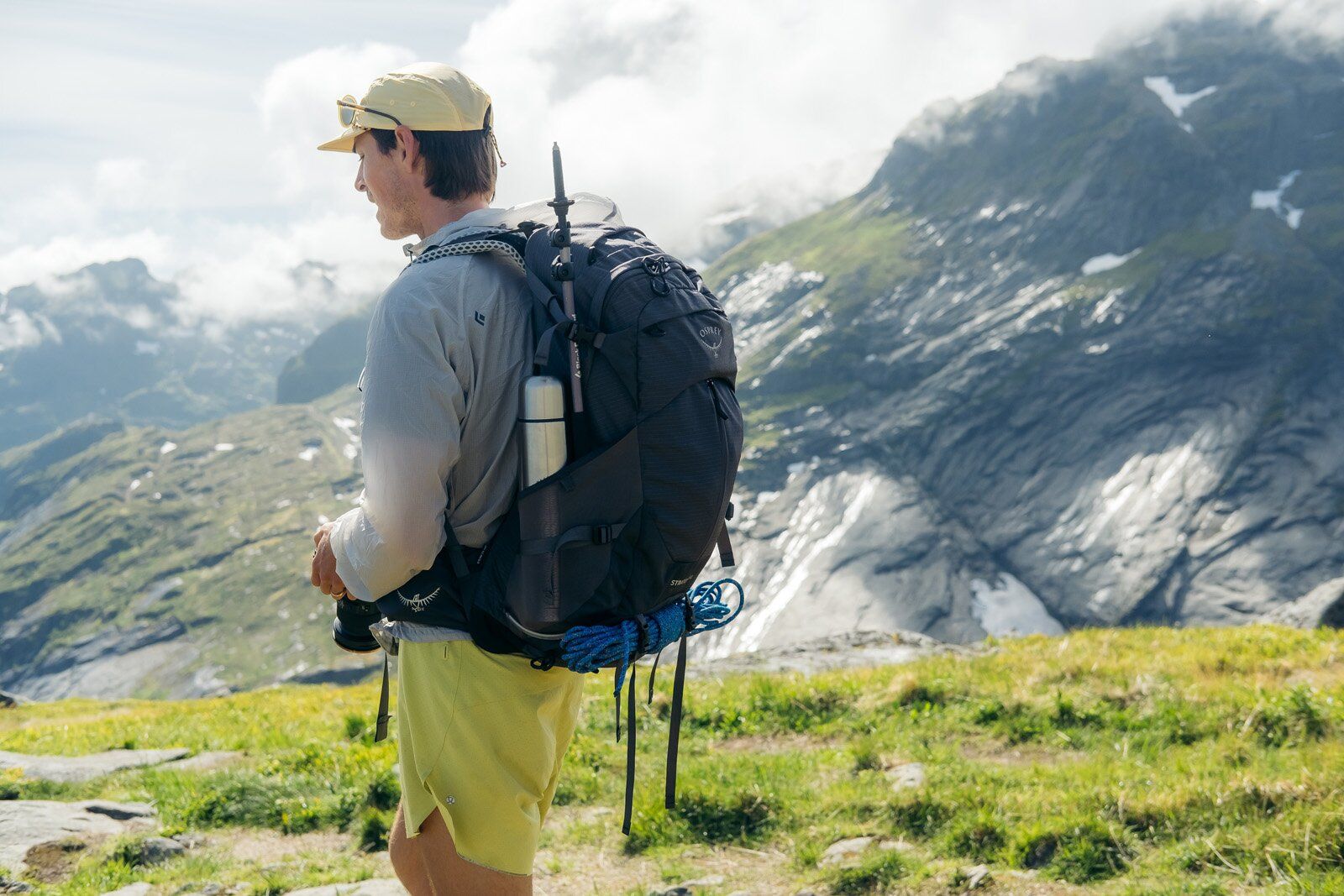
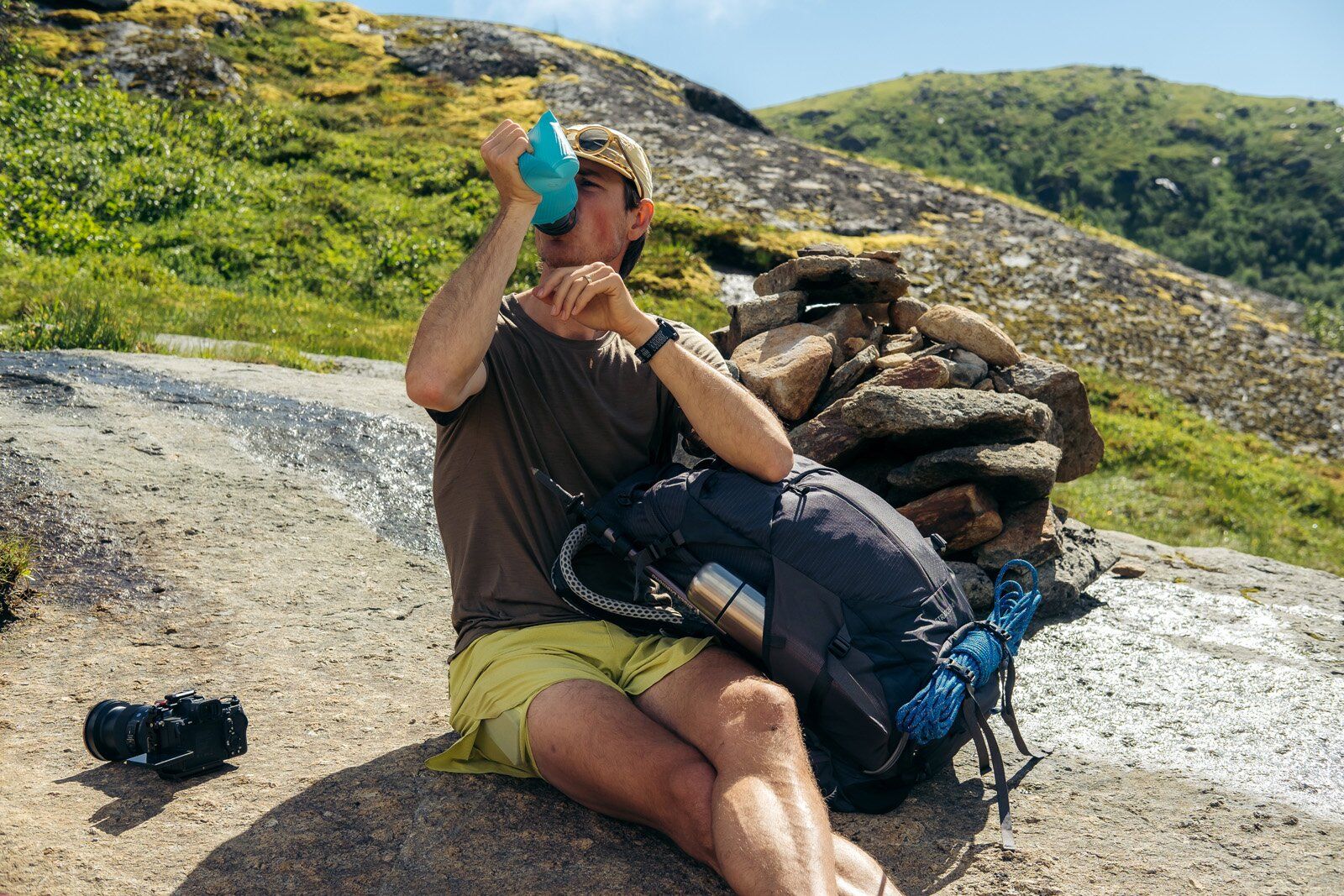
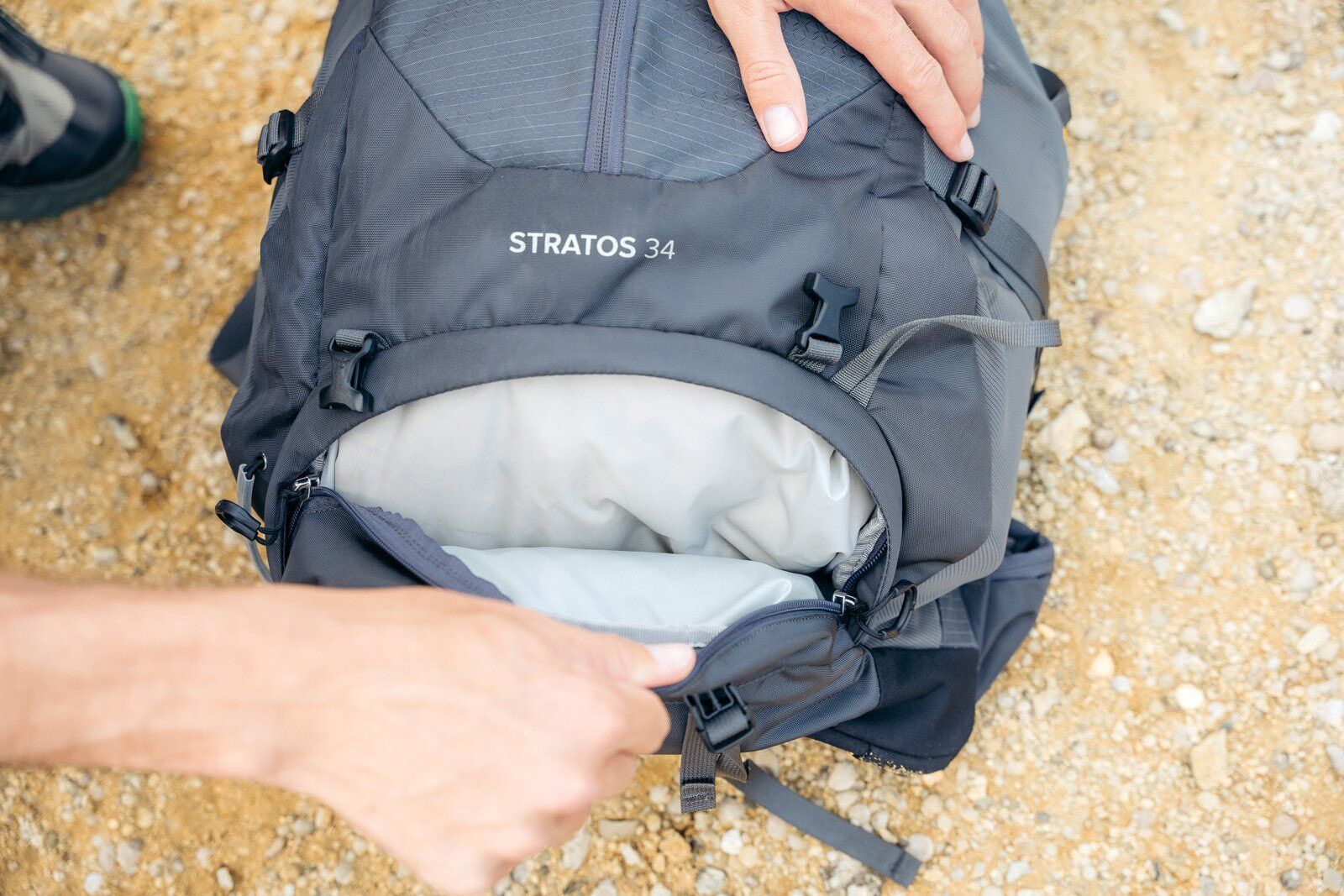
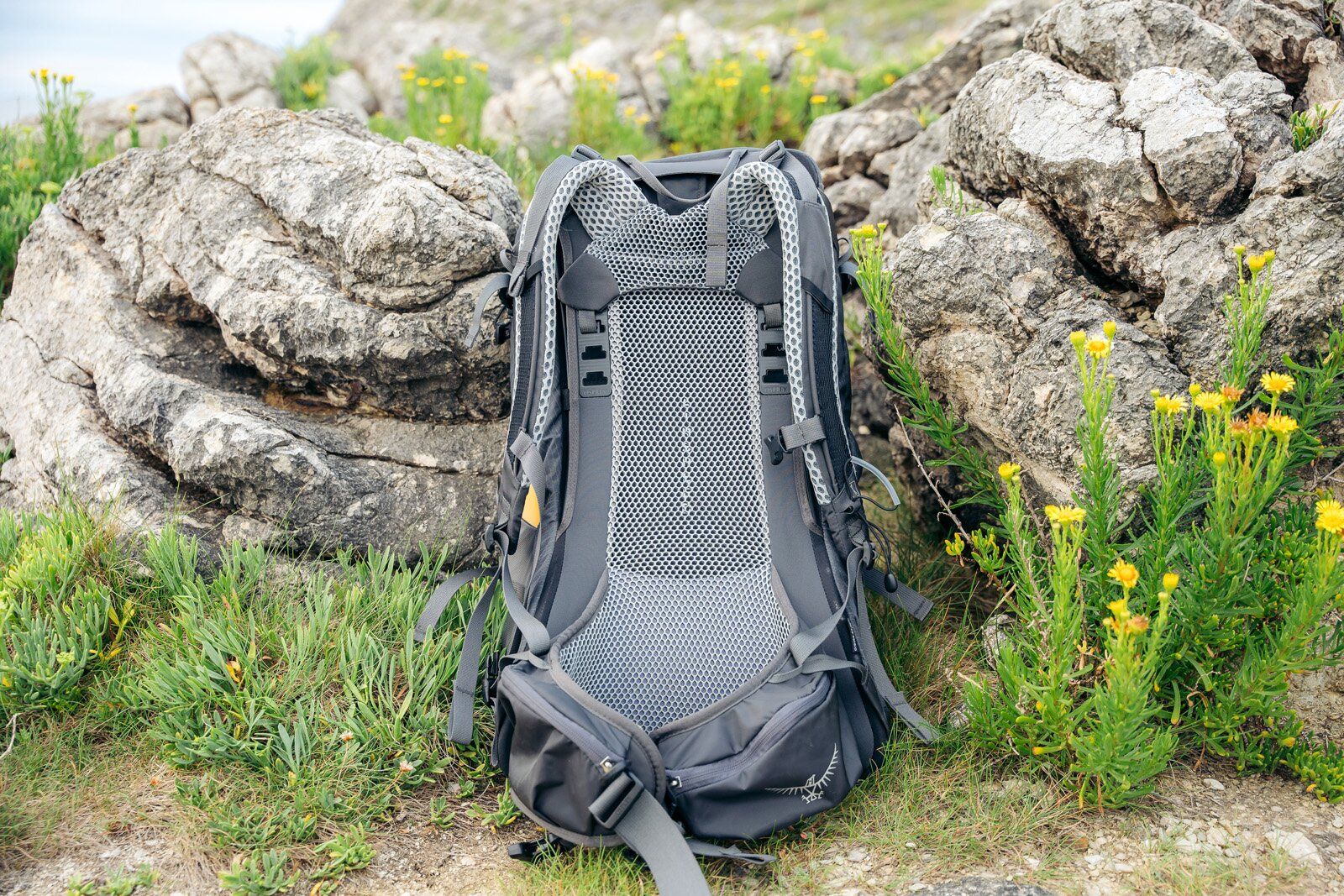
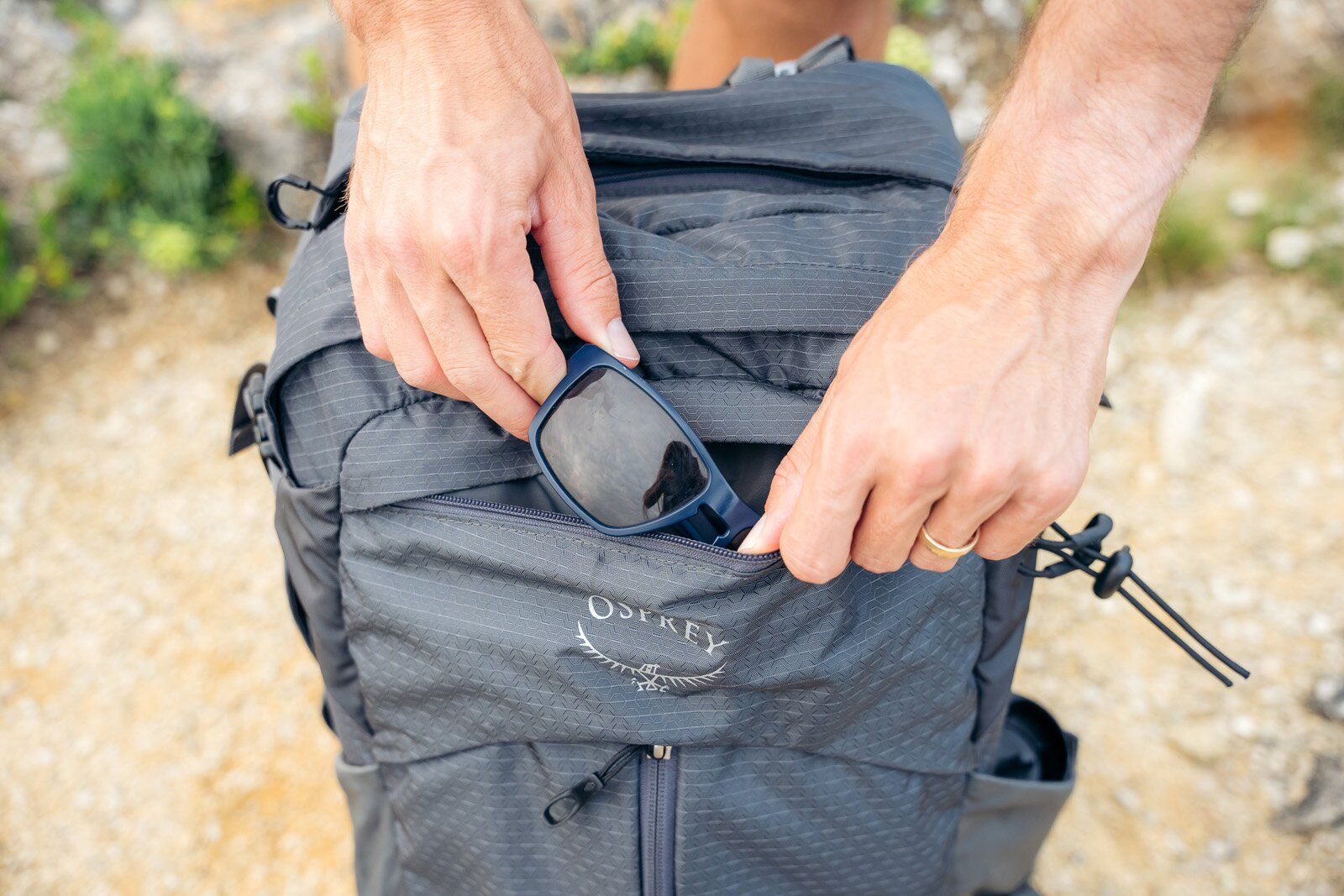
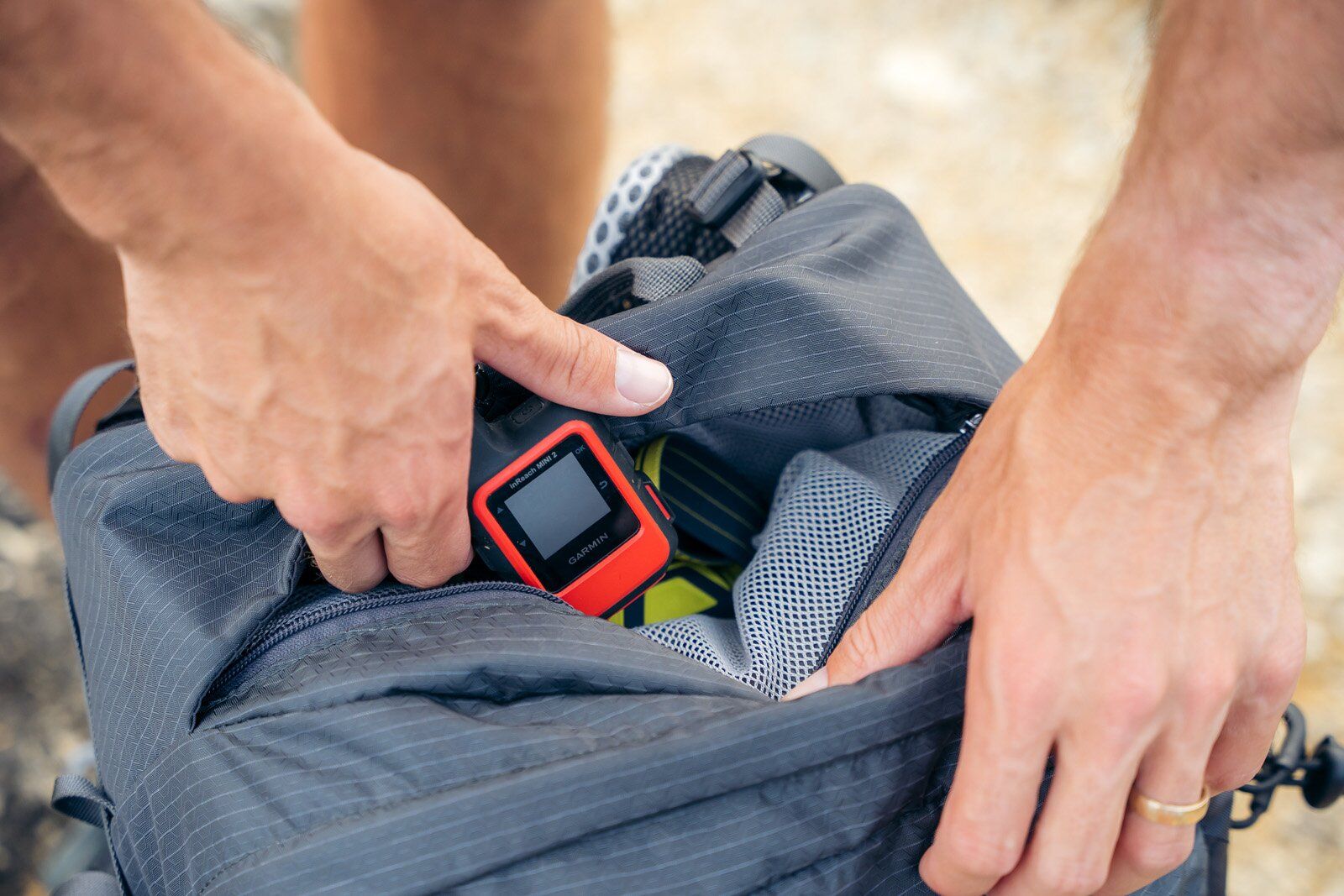
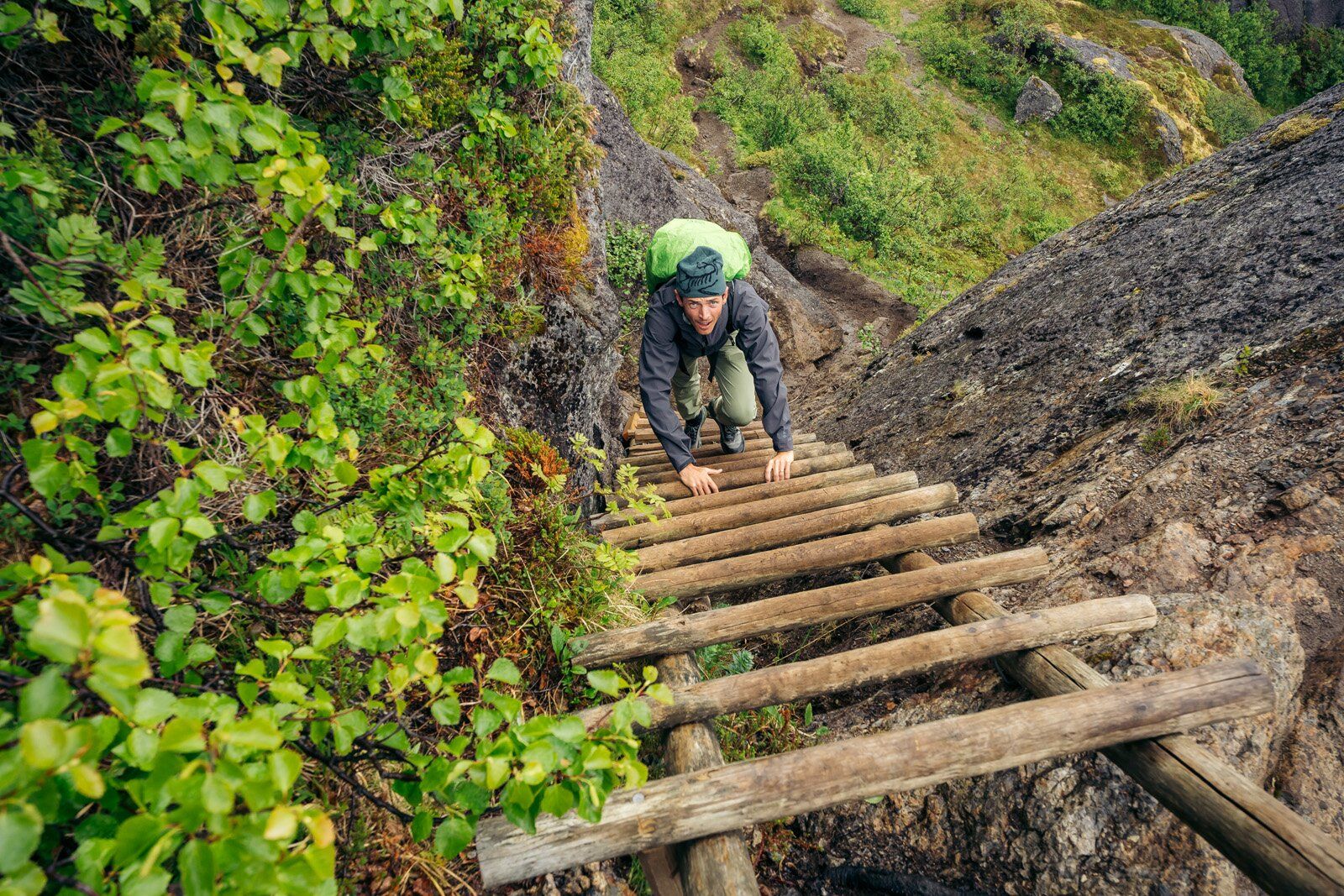
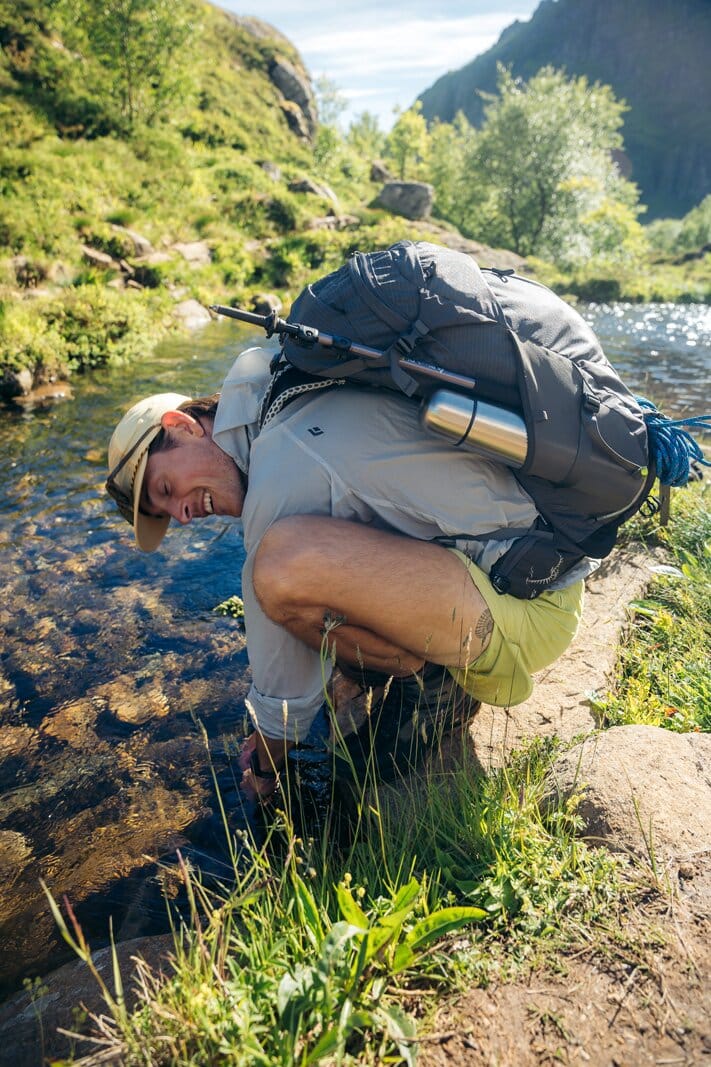


The Stratos is a pack for hikers with big days and long gear lists. This feature-heavy model doesn’t skimp on organization and support, but it’s probably too overbuilt for most daytrippers.
Comfort & Support
Organization
Weight
Durability
Water Resistance
Sustainability
Weight
3 lb. 2.5 oz.
Capacity
34L (24, 36, 44L)
Hipbelt
Padded
Suspension
Perimeter frame
Pros
Cons
The Osprey Stratos (women’s Sirrus) is perfect for the day-hiking maximalist—someone who wants to bring every layer, all the snacks, plenty of water, a full med kit, and maybe even a camp chair to enjoy summit views. It’s large, roomy, and packed with features, and its suspension system mirrors that of a backpacking pack, featuring a metal perimeter frame rated to carry up to 30 pounds. We’d honestly question your packing list if you’re shouldering that much weight on a day hike, but if you do find yourself carrying 20 pounds of picnic supplies, rest assured that the Stratos has the backbone to handle it. Our tester noted that the hipbelt and shoulder strap padding live up to the pack’s capacity potential, staying comfortable even with a load of camera gear.
Osprey equipped the Stratos with plenty of useful features, including a rain cover, breathable mesh-covered back panel, ice axe loop, trekking pole holder, and even two buckled straps near the base for securing a foam sleeping pad or small tent. While external carry straps may seem out of place on a smaller daypack, they make sense here, adding overnight versatility for lightweight trips.
The Stratos shares the same 210-denier nylon (with a 420D bottom) found in Osprey’s best-known backpacking models, so it’s built to withstand serious wear and tear. However, its durability comes at a cost—at 3 pounds 2.5 ounces, it’s heavier than some full-on backpacking packs and probably overkill for hikers who don’t need to bring the kitchen sink. And while it handles weight well, it can’t compete with packs explicitly designed for hauling massive loads, such as the hunting-focused Mystery Ranch Pop Up 30. But unless you’re lugging an elk quarter, the Stratos’s 30-pound limit should be more than enough for a day’s worth of gear—and then some. For more, read our review of the Osprey Stratos 34.
The Talon 22 is a do-all pack, up for everything from summit scrambles to biking around town. It offers both reliable comfort and versatile organization. While there are lighter, more supportive, and more specialized models, this is a great all-rounder for general outdoor use.
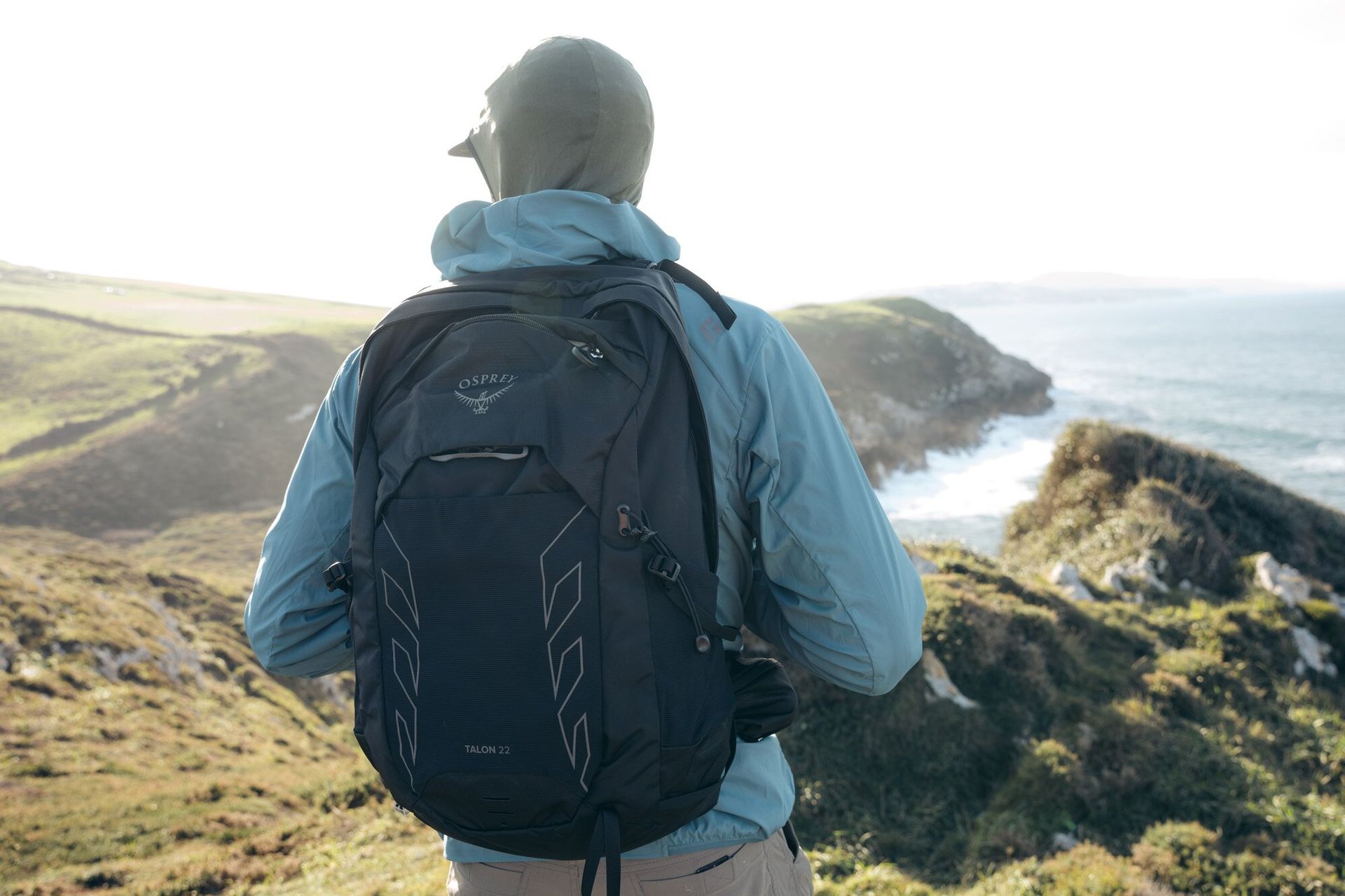

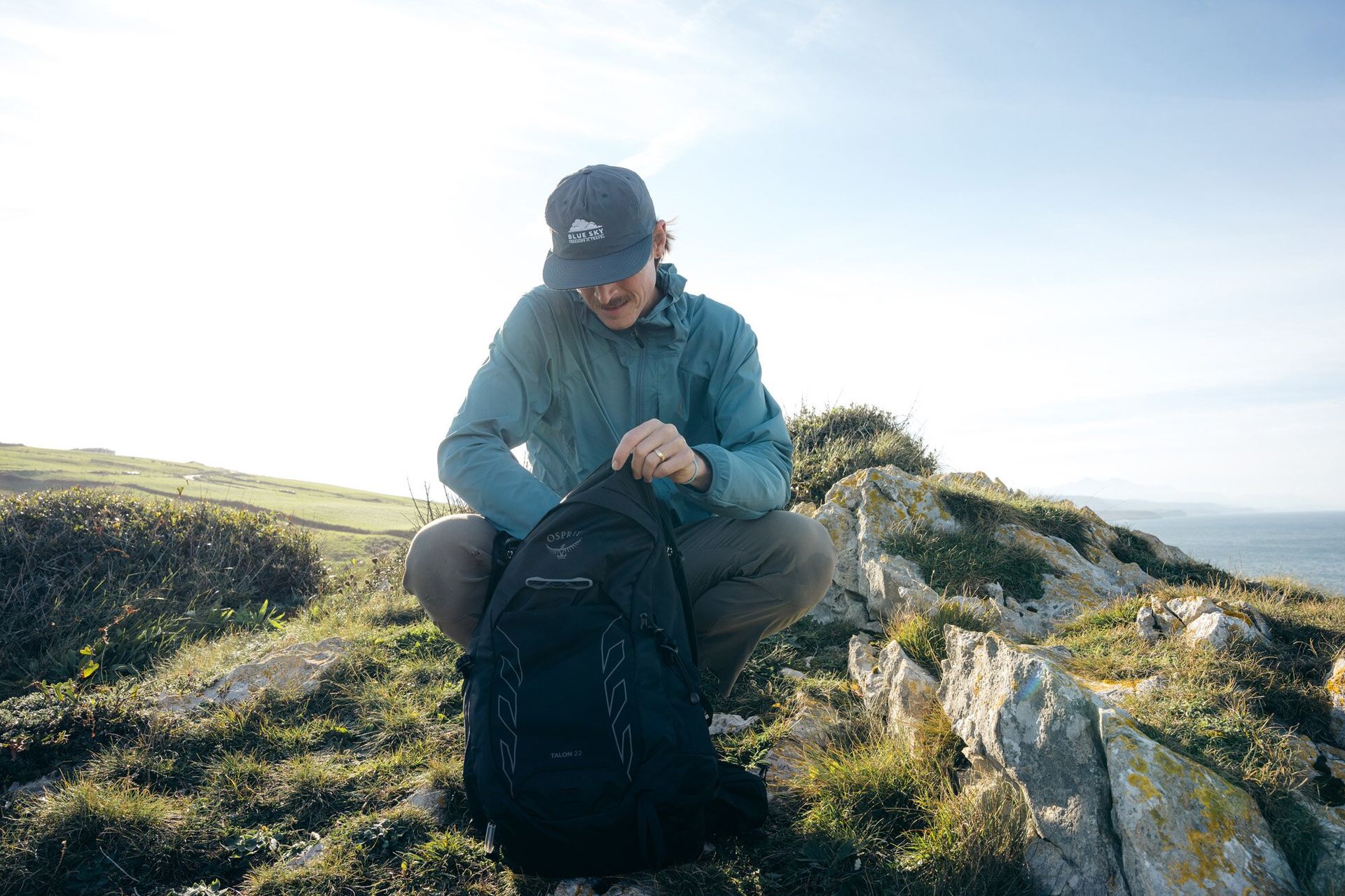
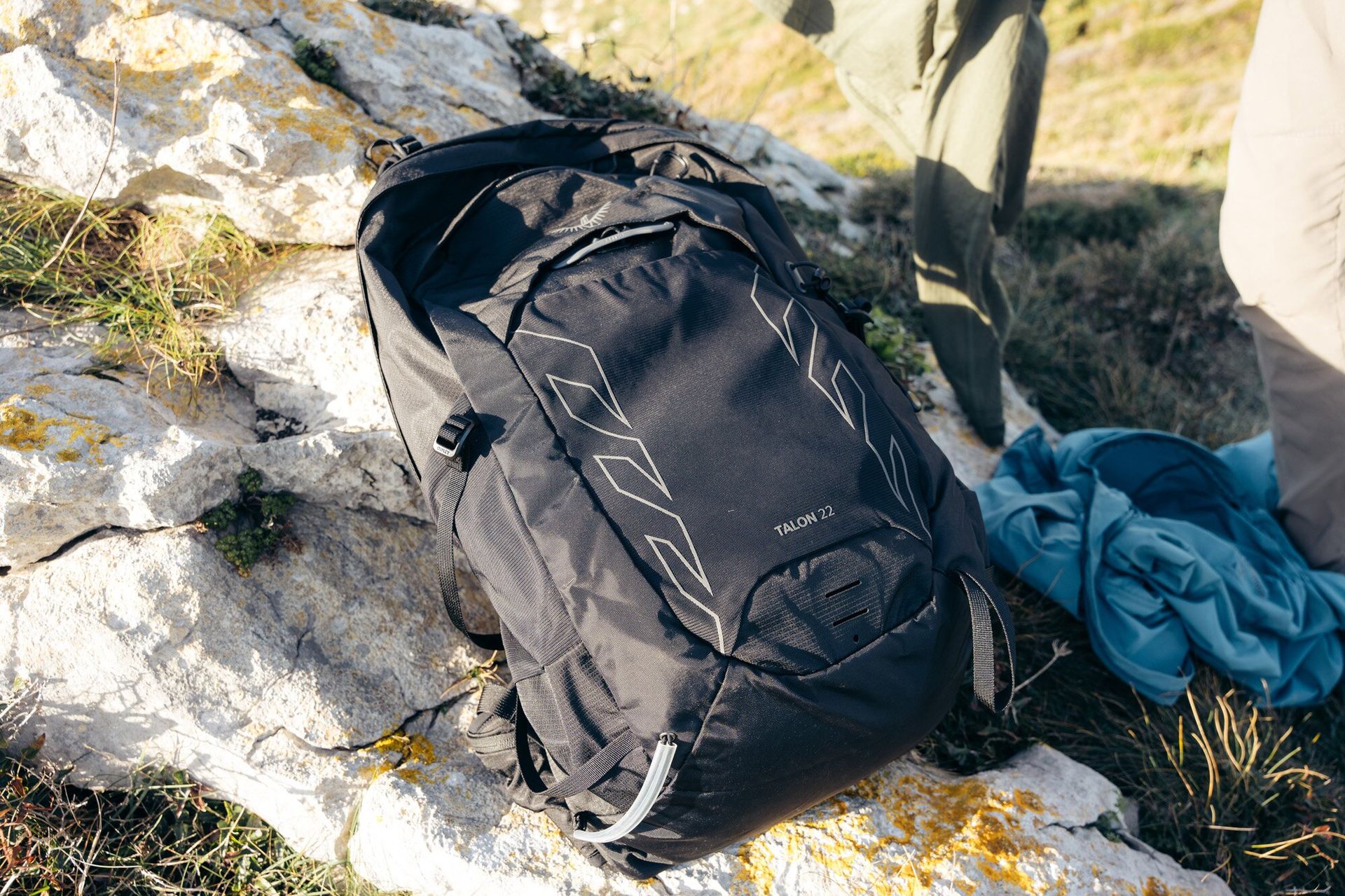
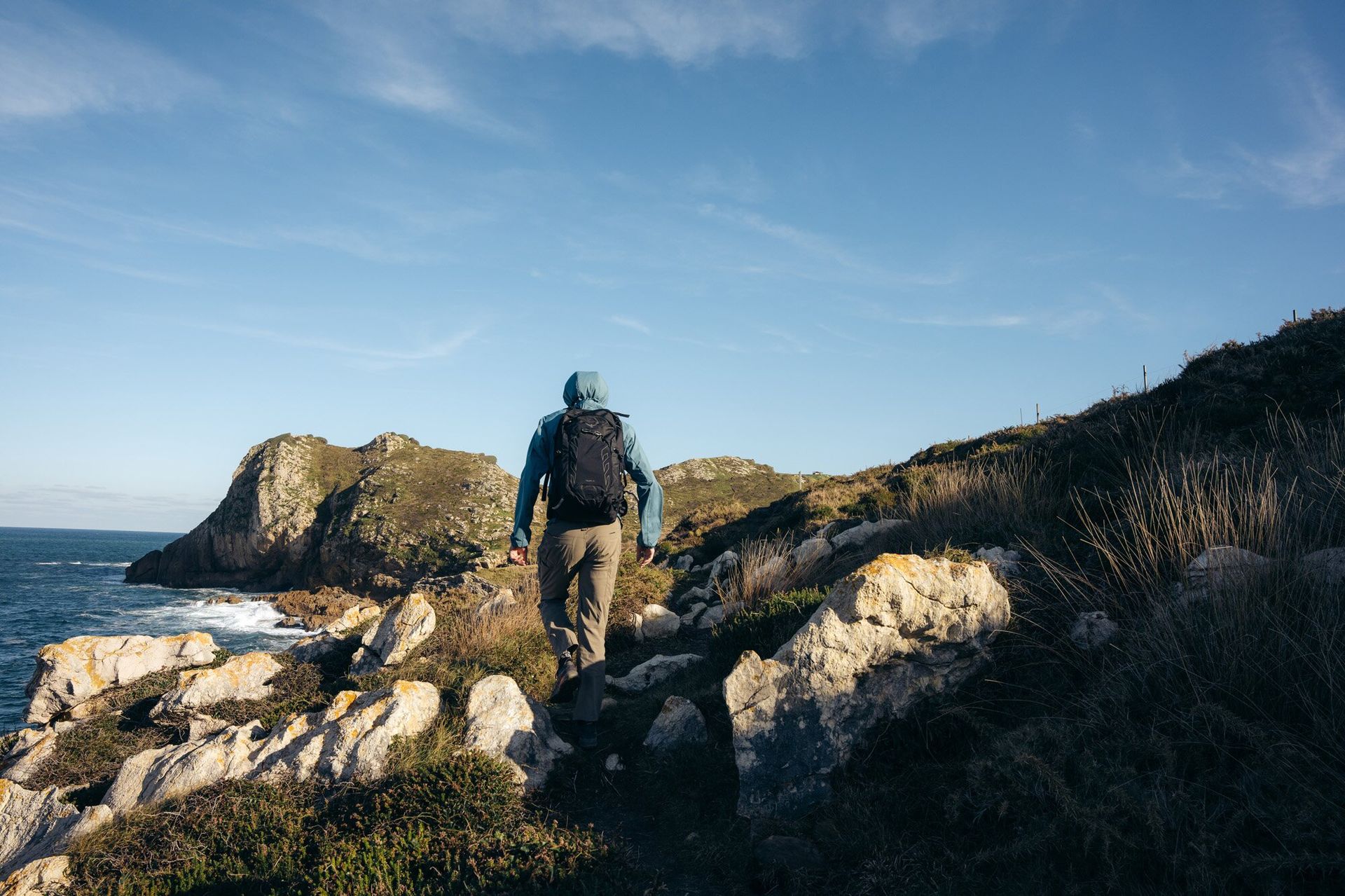
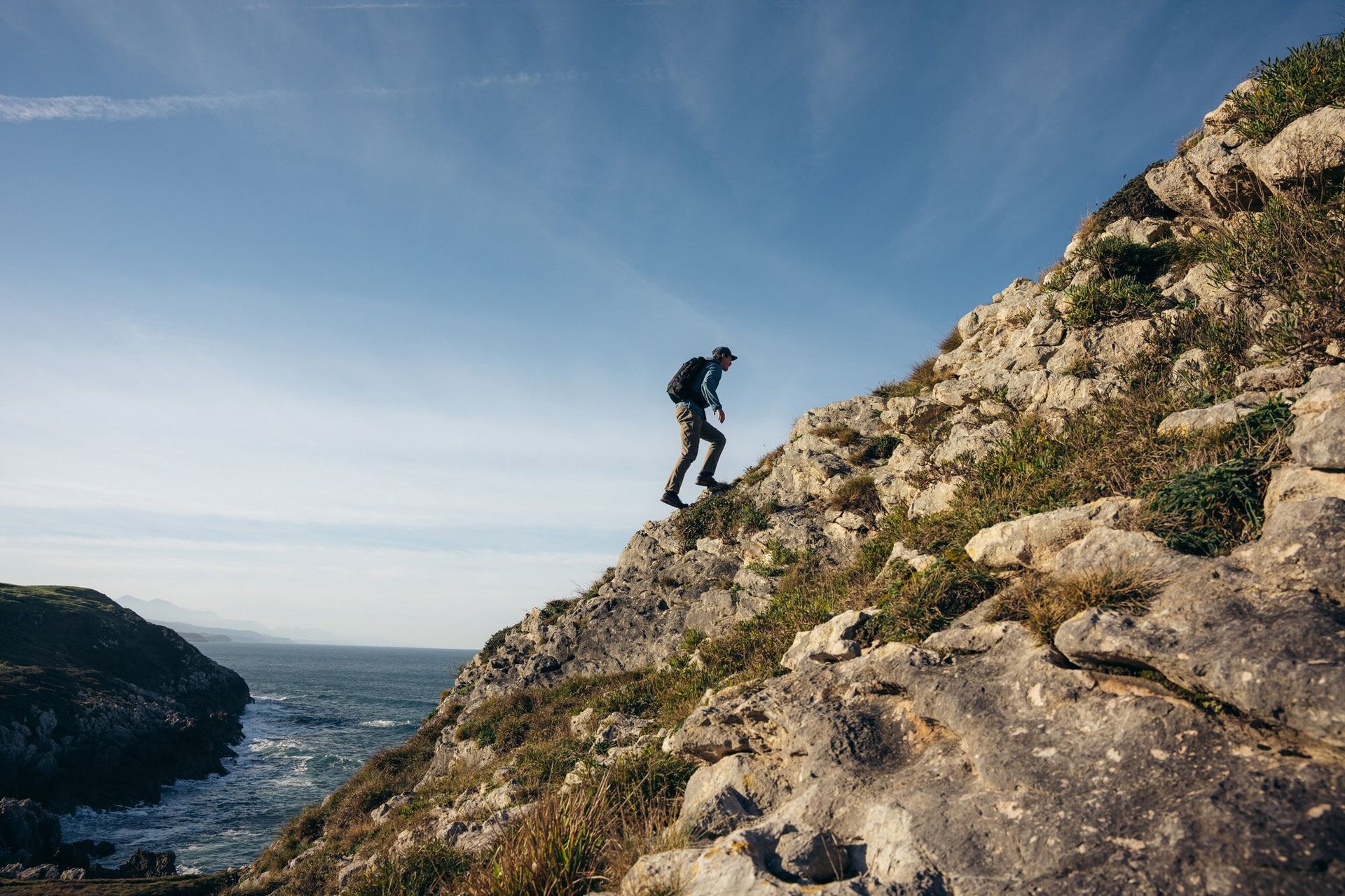

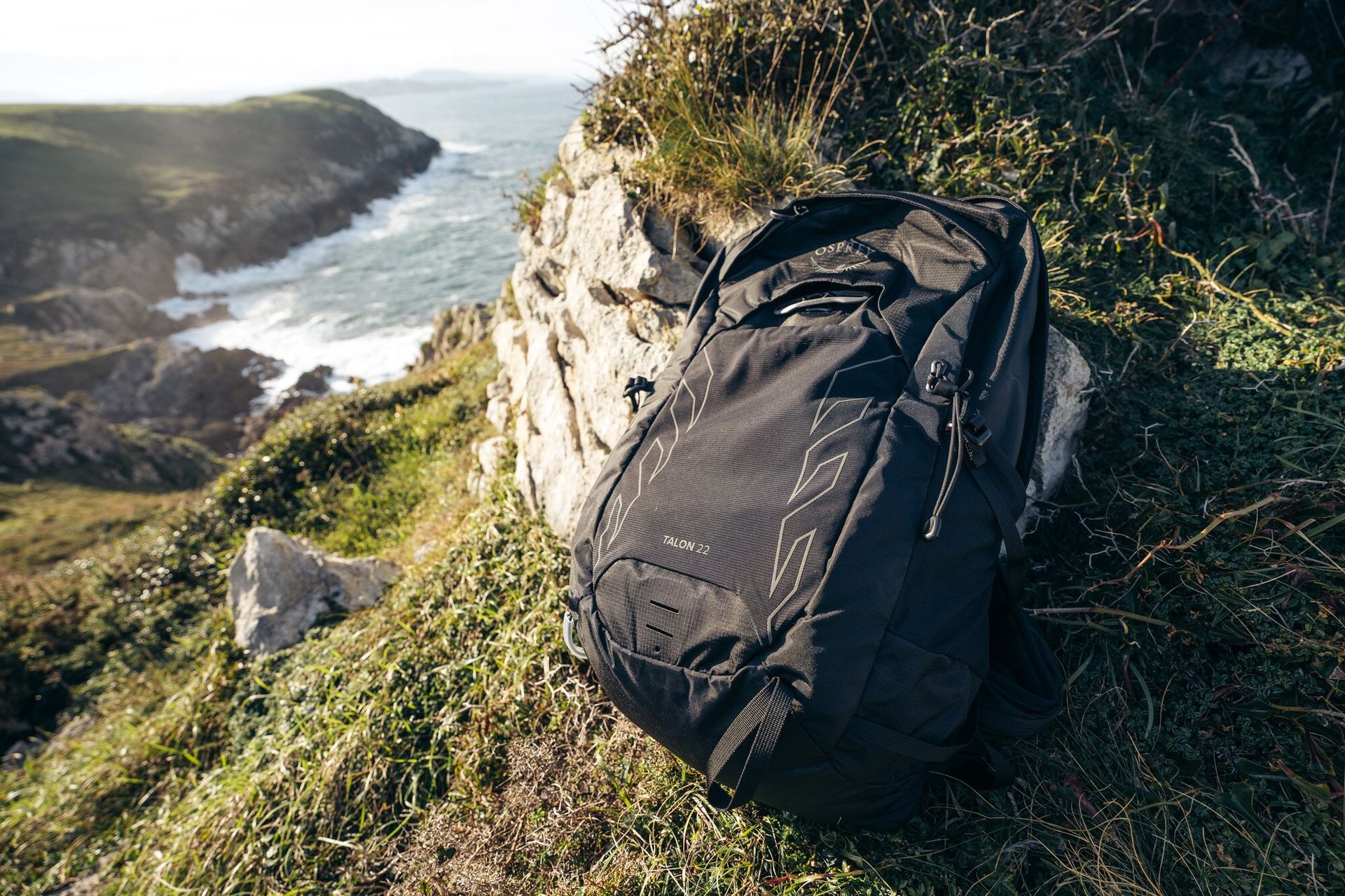
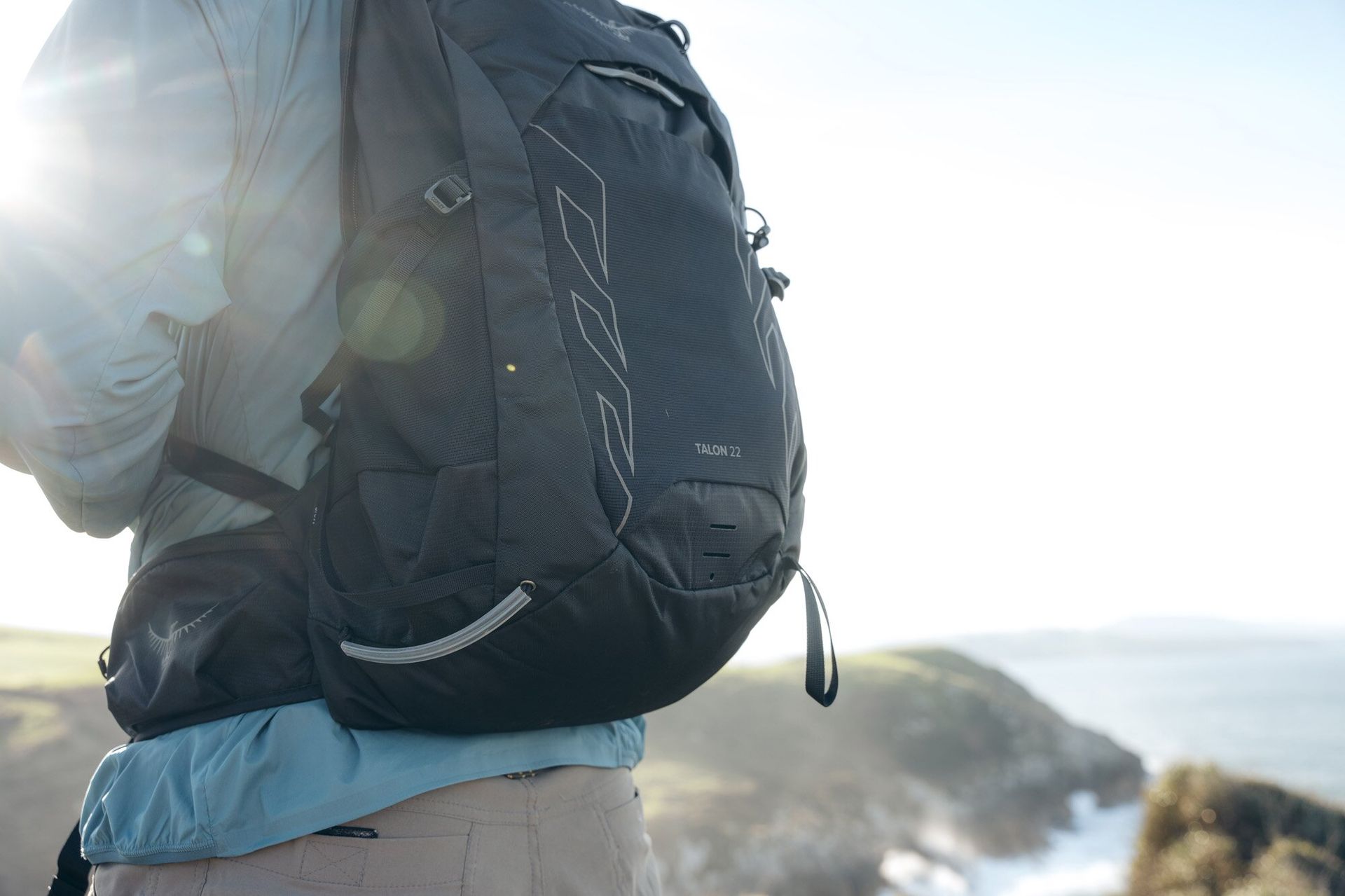
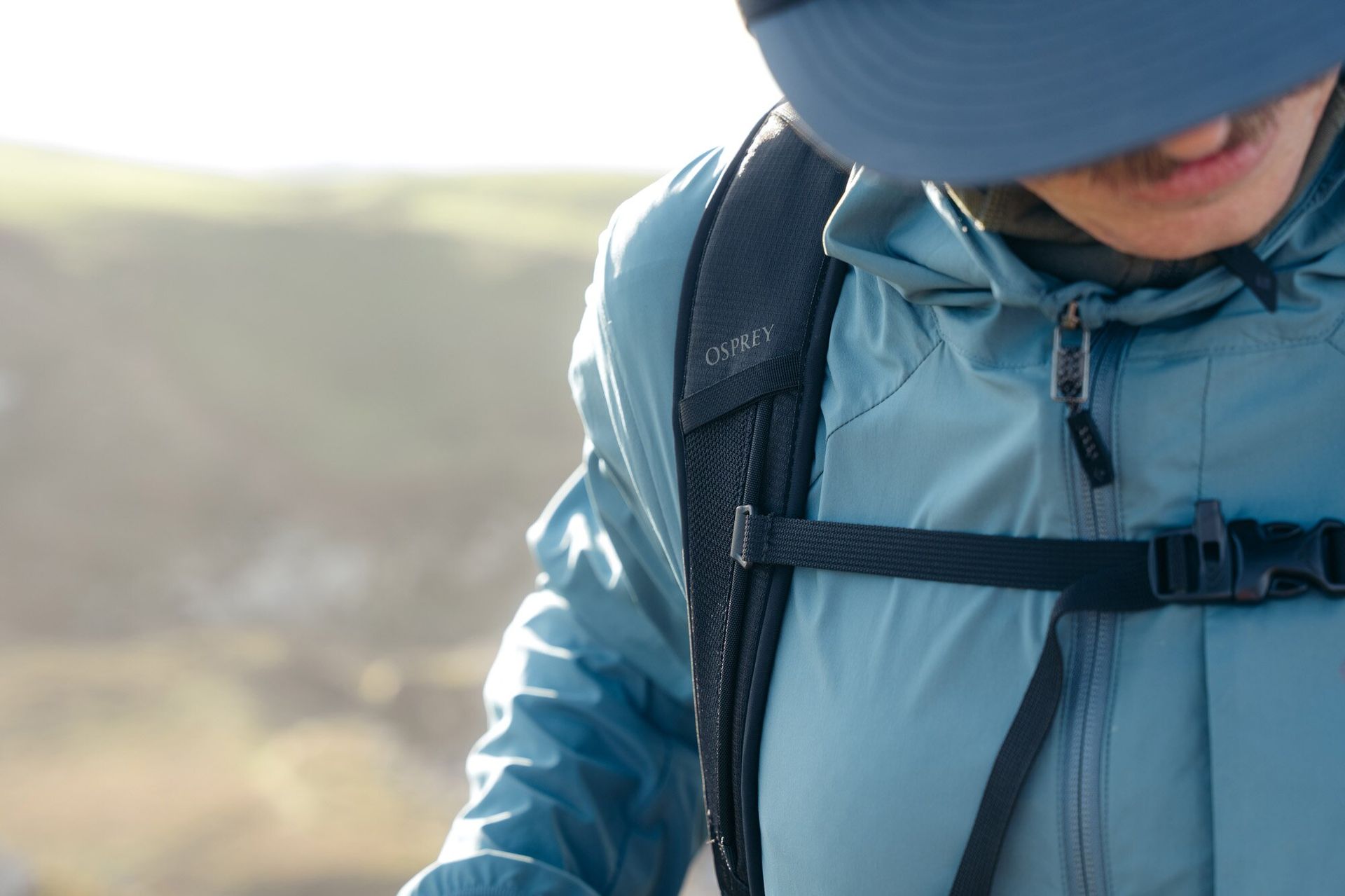
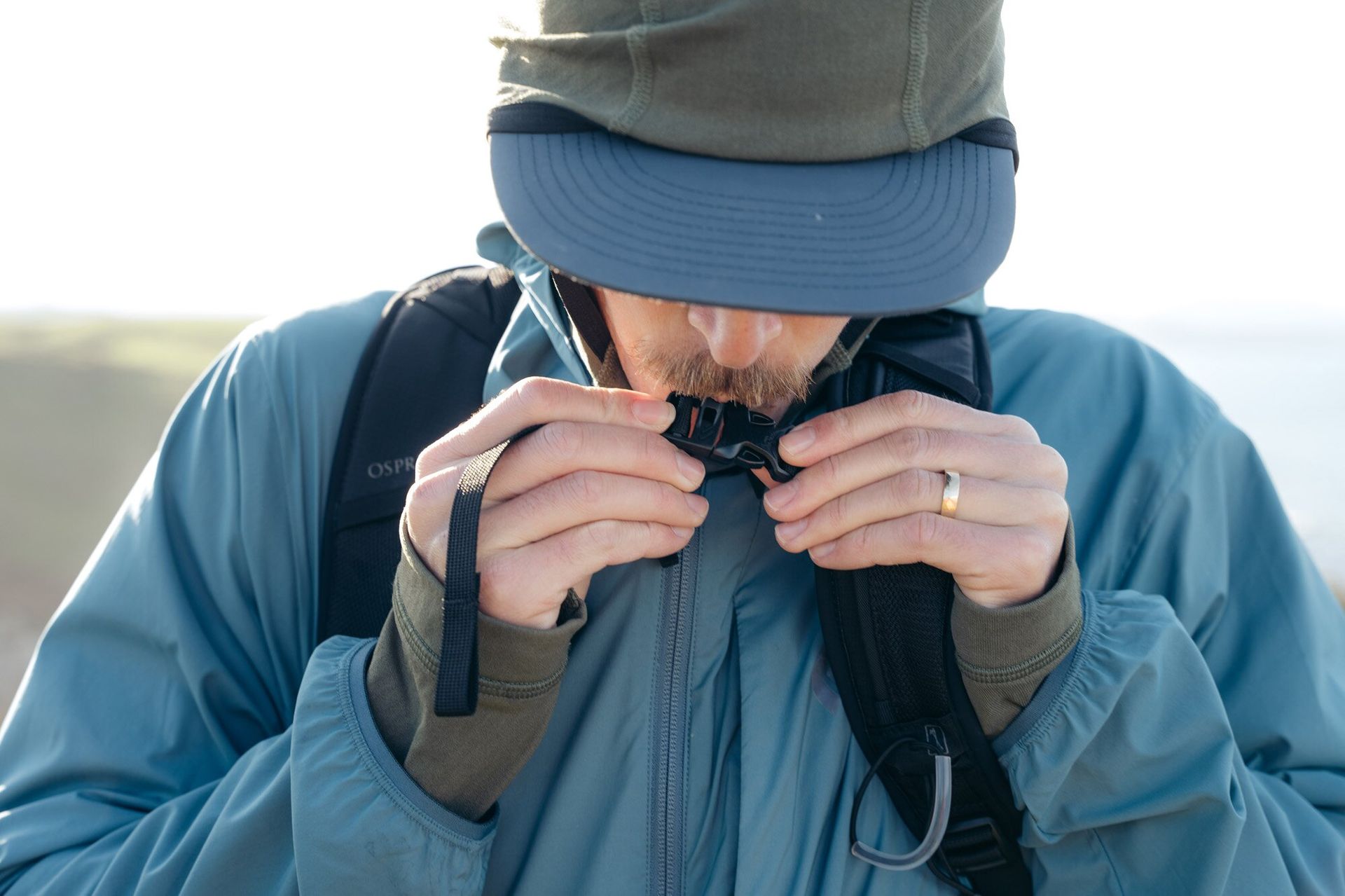
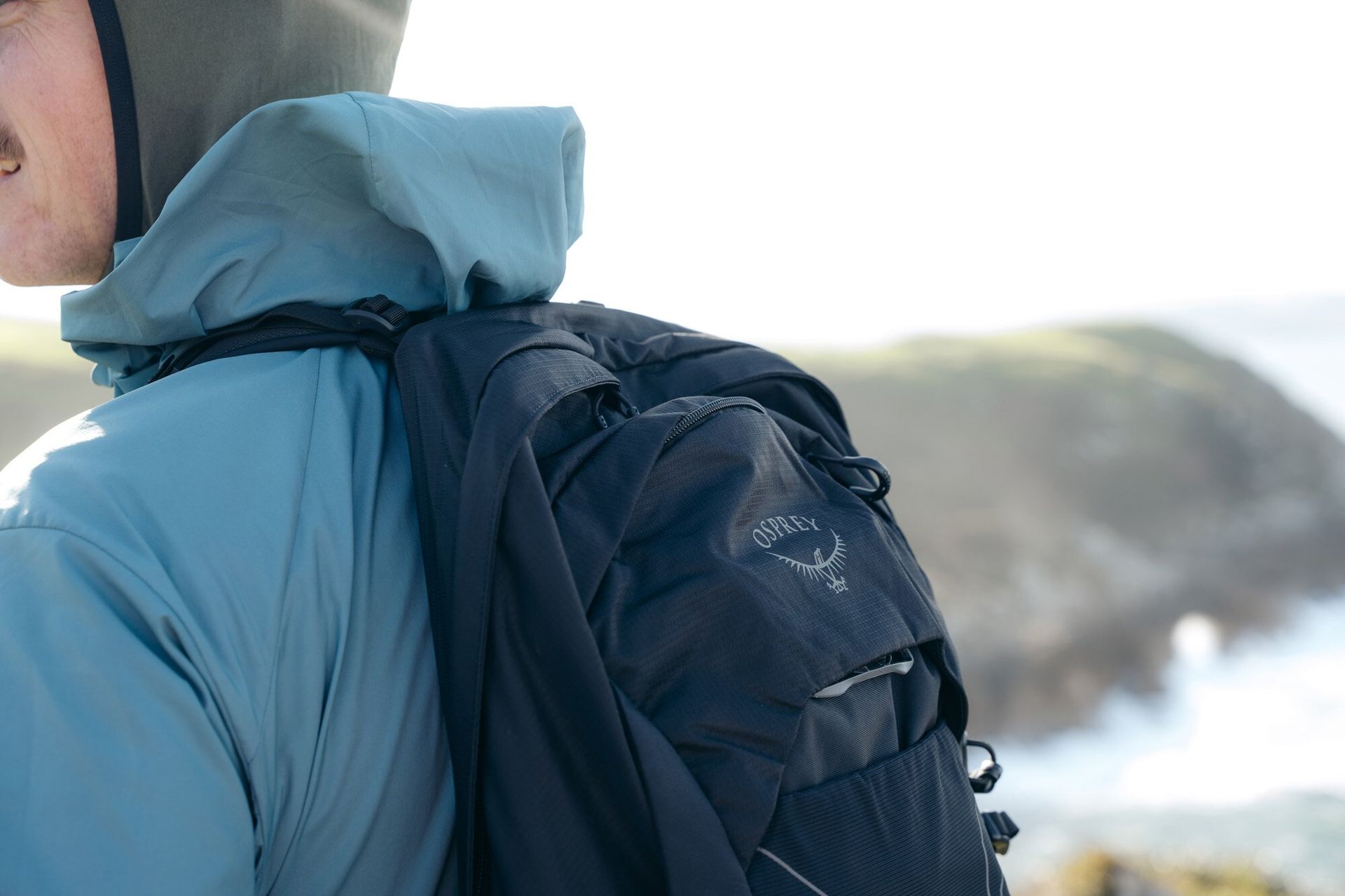
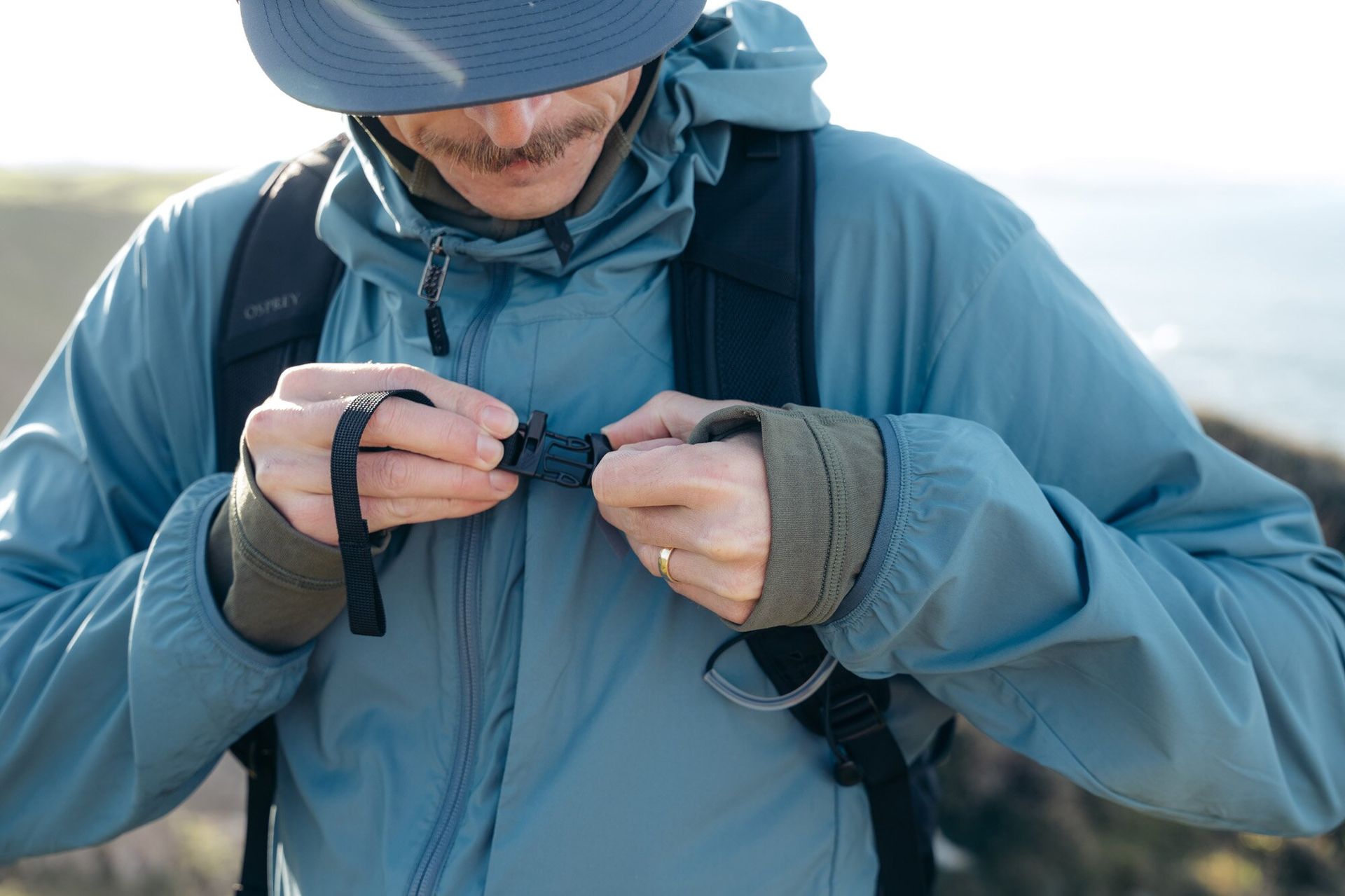
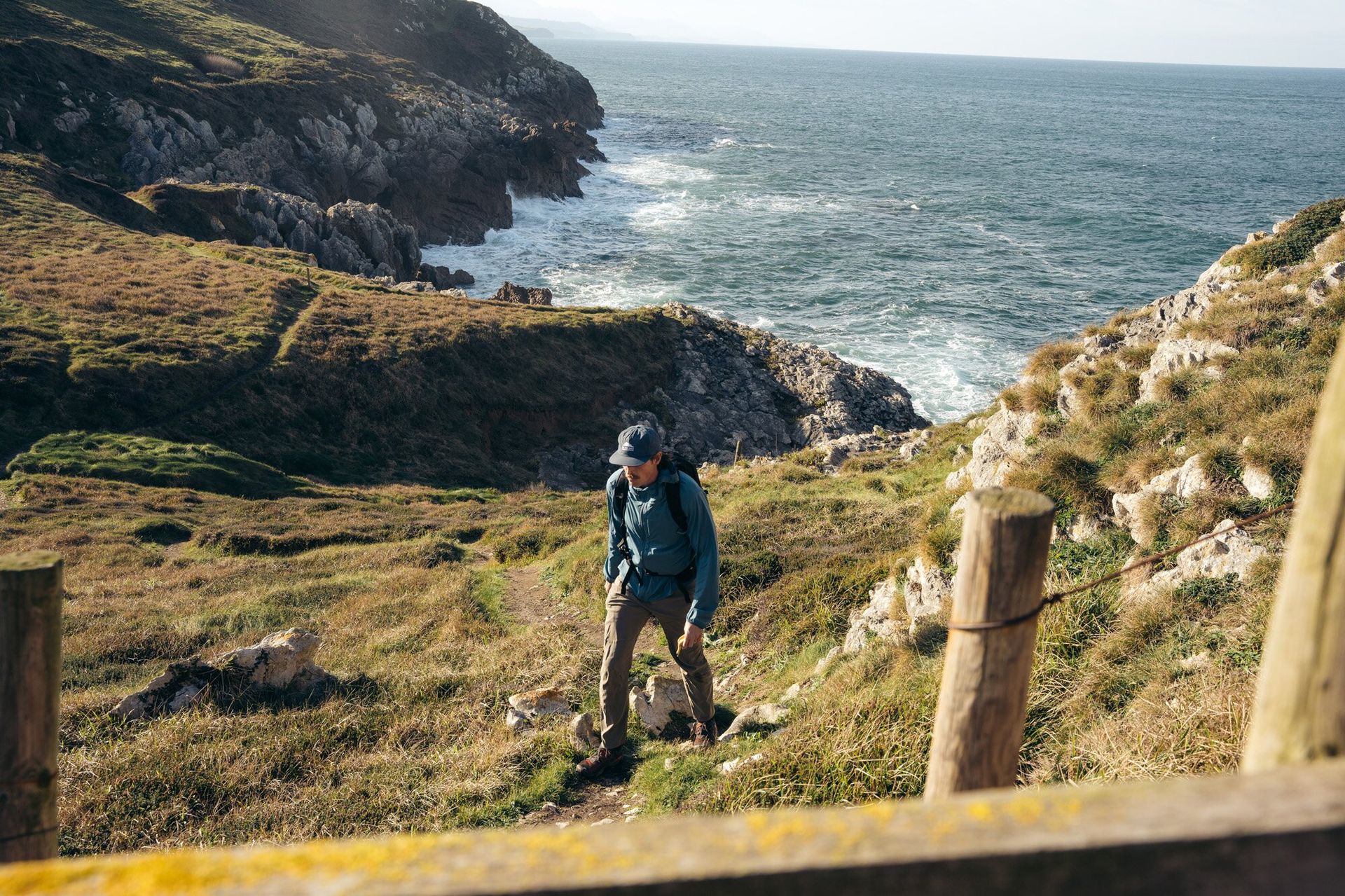
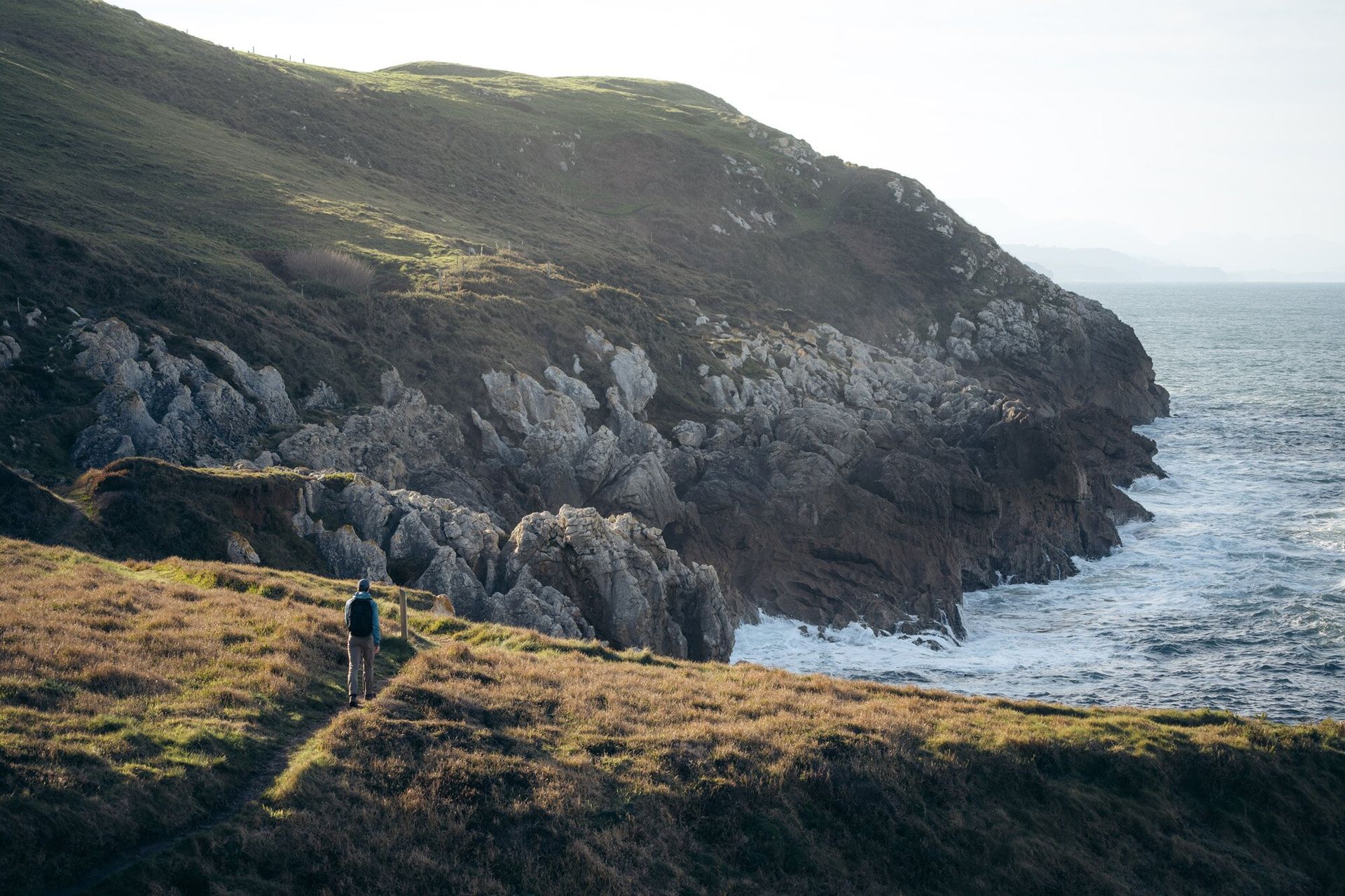
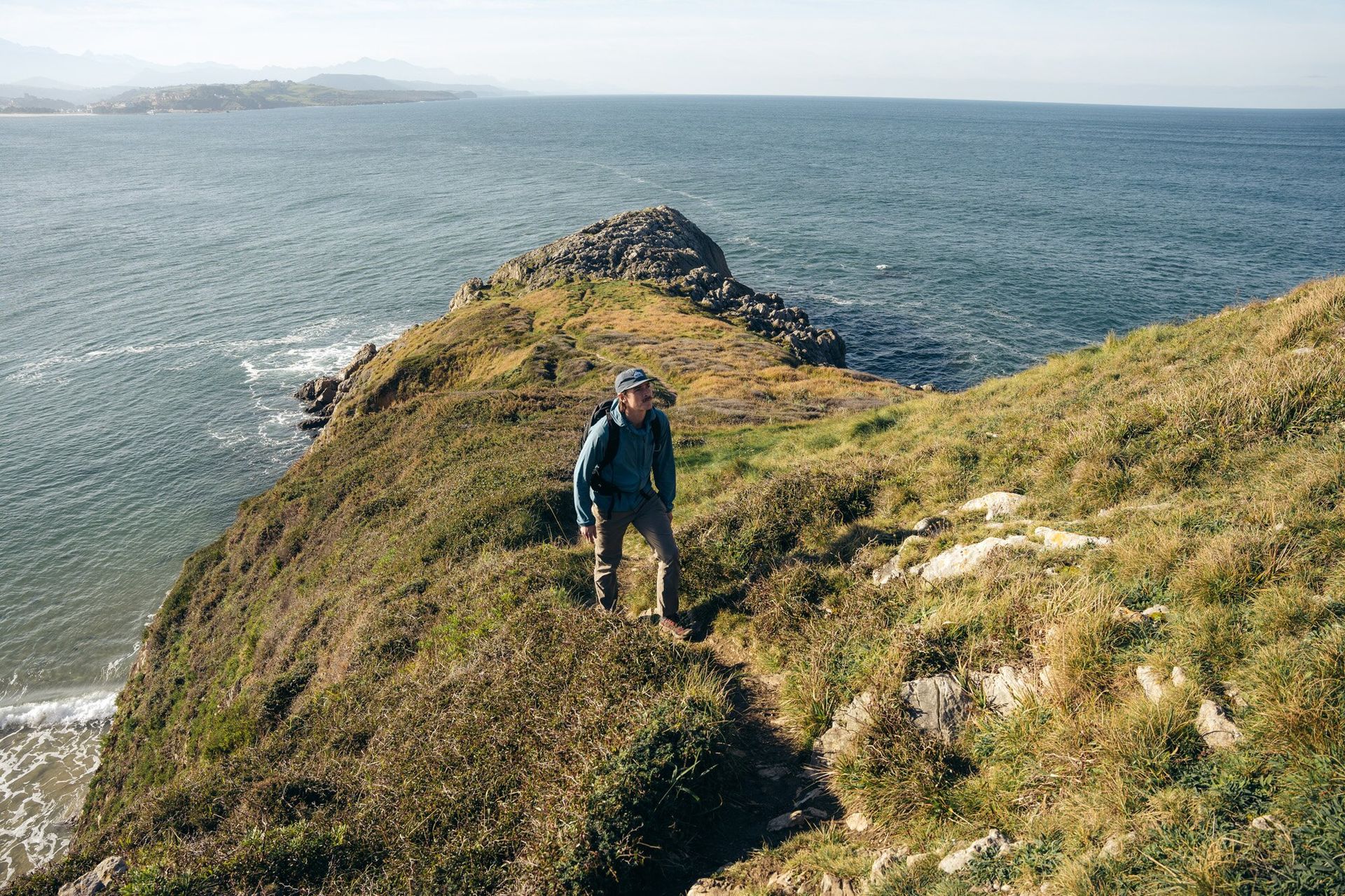


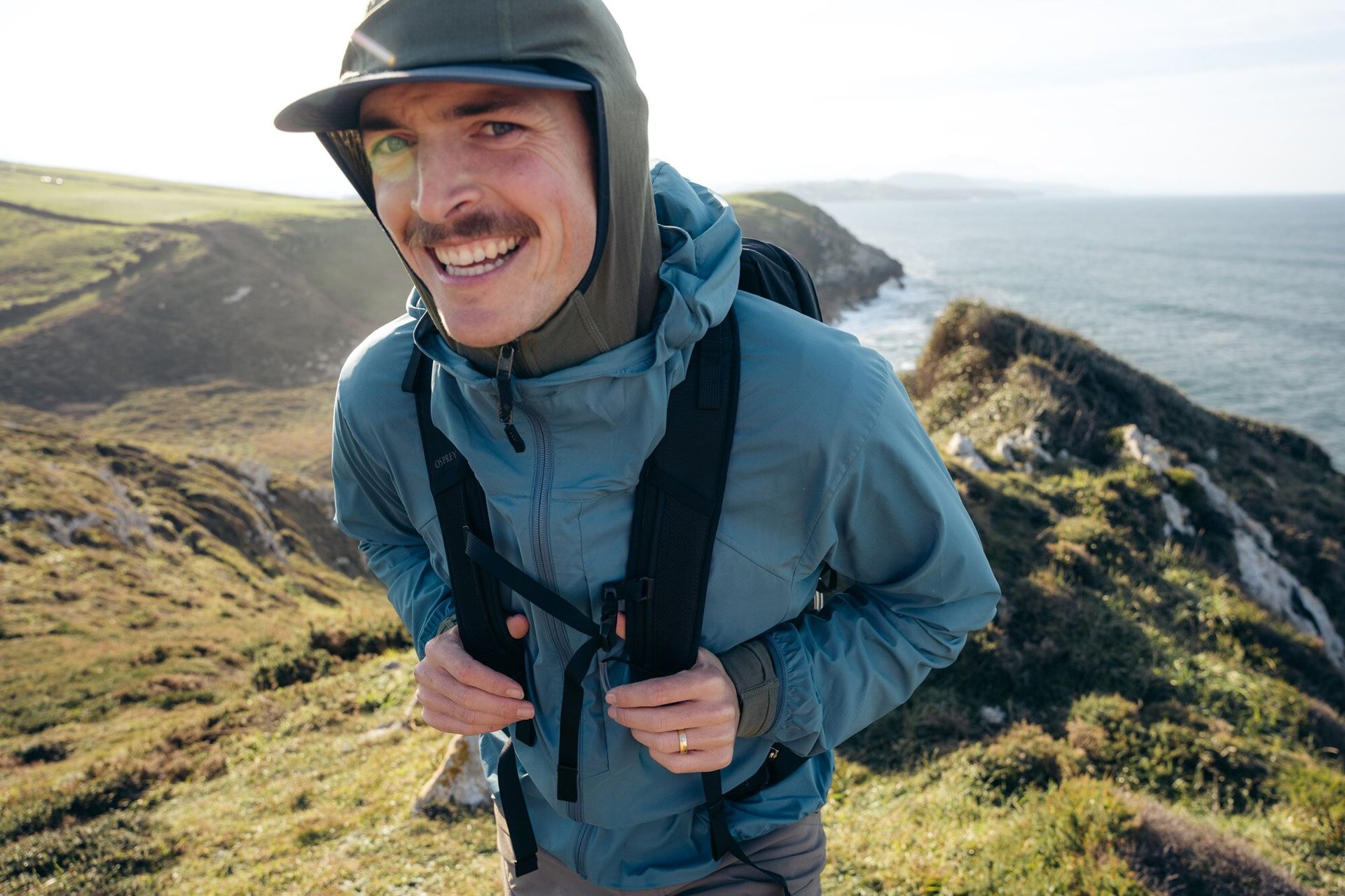


The Talon 22 is a do-all pack, up for everything from summit scrambles to biking around town. It offers both reliable comfort and versatile organization. While there are lighter, more supportive, and more specialized models, this is a great all-rounder for general outdoor use.
Comfort & Support
Organization
Weight
Durability
Water Resistance
Sustainability
Weight
2 lb. 6.1 oz.
Capacity
22L (6, 11, 26, 33, 44L)
Hipbelt
Padded
Suspension
Framesheet
Pros
Cons
Even in a crowded field of multifunctional daypacks, the Talon 22 (women’s Tempest) stands out for its versatility. We’ve used this pack for peak bagging, skiing, climbing, and even commuting (the handy helmet carry is perfect for stashing a bike lid). Part of the Talon’s appeal lies in its comfort, thanks to a nicely padded hipbelt that conforms well to the body and a semi-rigid framesheet that provides both breathability and load distribution up to about 15 pounds. This pack also has minimal bounce, making it stable enough for high-output activities—so much so that our tester wore it while climbing Washington State’s Mt. Stuart (7,780 ft. of vertical gain with some third-class scrambling) and even running short sections of the descent. The Talon balances support with a close-to-body fit, but it still can’t match the back-hugging design of vest-style packs like the Black Diamond Distance.
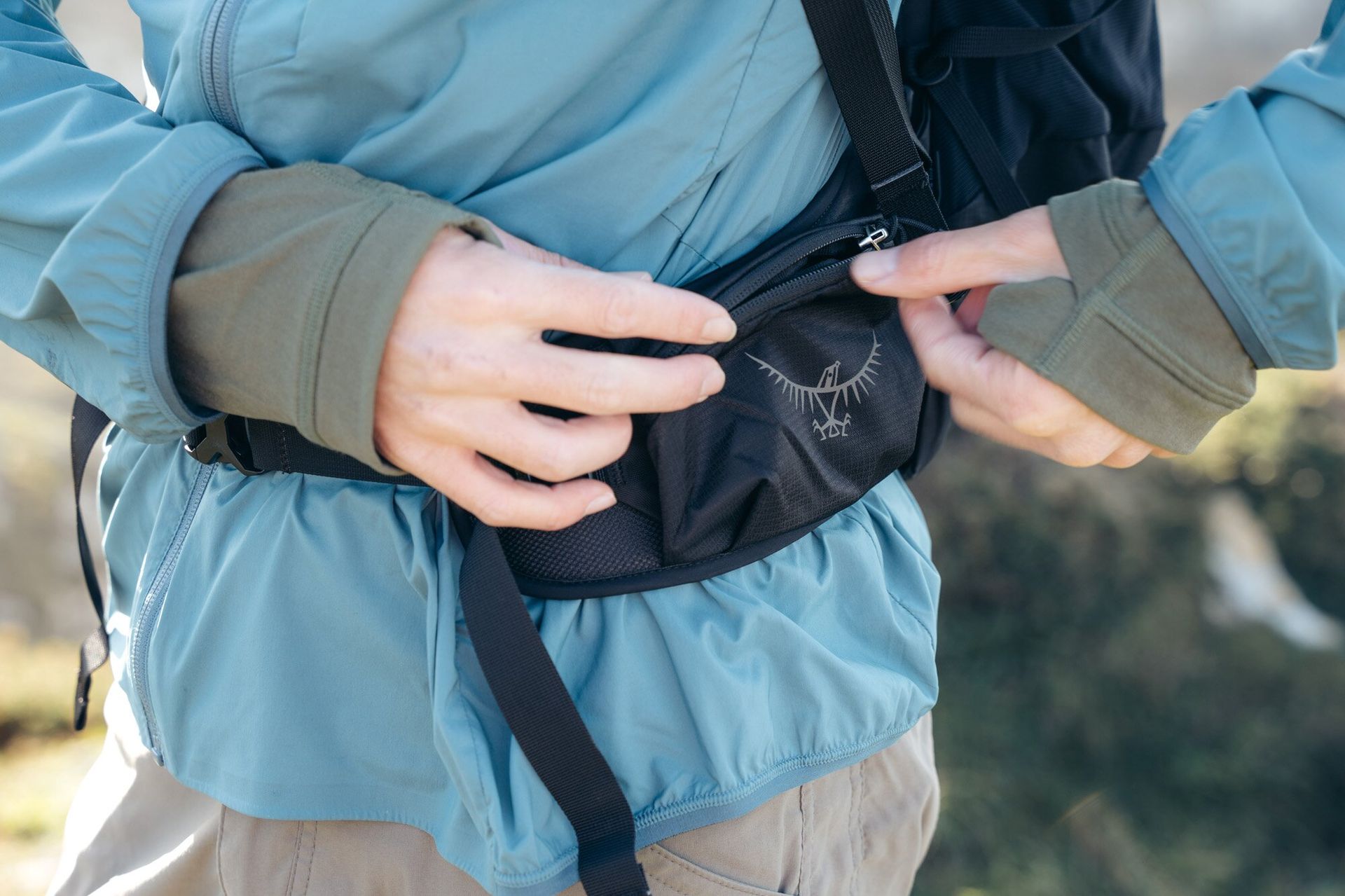
When it comes to storage, the Osprey Talon 22 packs in an impressive array of organization for a medium-sized pack. Features include dual stretch side pockets, zippered hipbelt pockets (great for storing snacks), a left-shoulder trekking pole loop, a back-mounted pole/ice axe loop, a small top pocket, and an internal zippered mesh pocket for keys, a wallet, and other small items. And yes, it’s hydration reservoir-compatible, with an internal sleeve to stash a bladder. If you're considering bringing something on your day hike, the Talon likely has a place for it—which aligns perfectly with its goal of being your go-to pack for almost any mission.
Despite its well-rounded feature set, the Talon isn’t without flaws. With a 100-denier nylon body and a 420-denier bottom, it’s not the most durable pack out there, and we’ve noticed that the semi-rigid back panel doesn’t do much to protect against pokey items. That said, with careful packing and reasonable care, the Talon should hold up fine in the long run. At nearly 2.5 pounds, it’s too heavy and bulky to bring along as a summit pack on a backpacking trip, but for just about every other activity (except trail running), it’s a worthy companion. For more, read our review of the Osprey Talon 22.
A speed-oriented pack that takes some inspiration from running vests, the Talon Velocity 30 is made for hikers who think “snack break” is an offensive term. This specialized model’s relative lack of structure and support and its high price tag might be offputting for more casual adventurers.
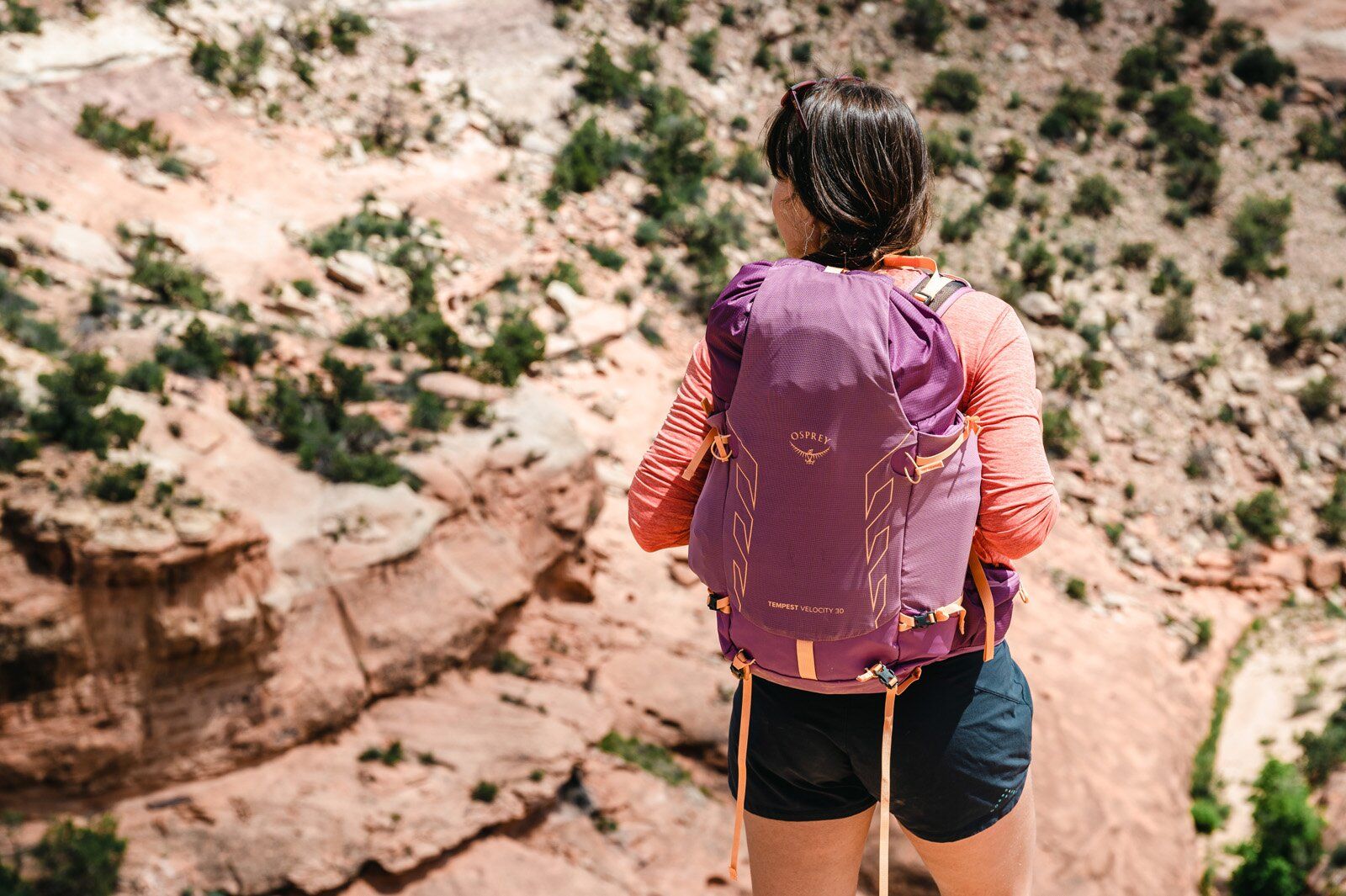
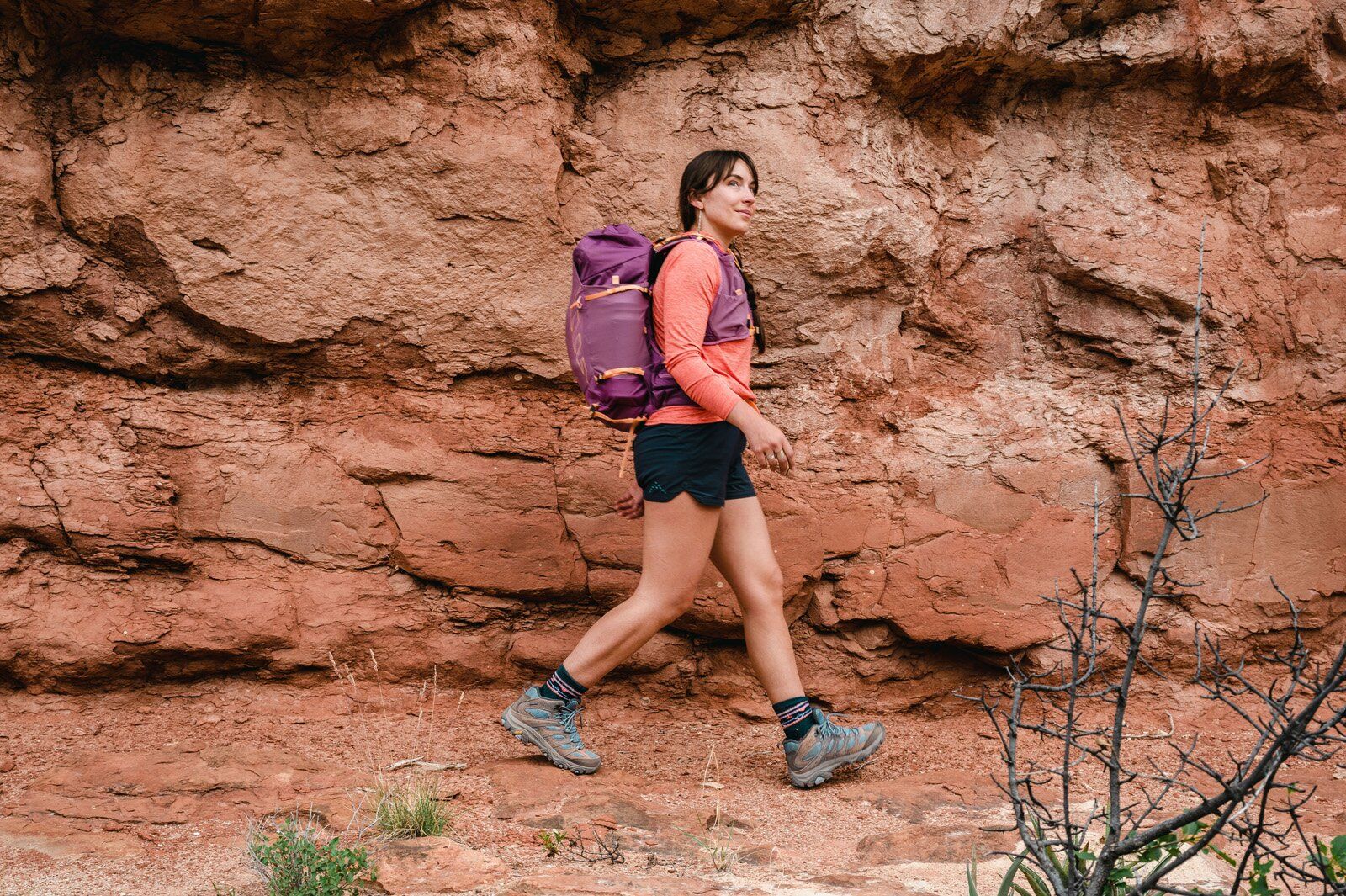
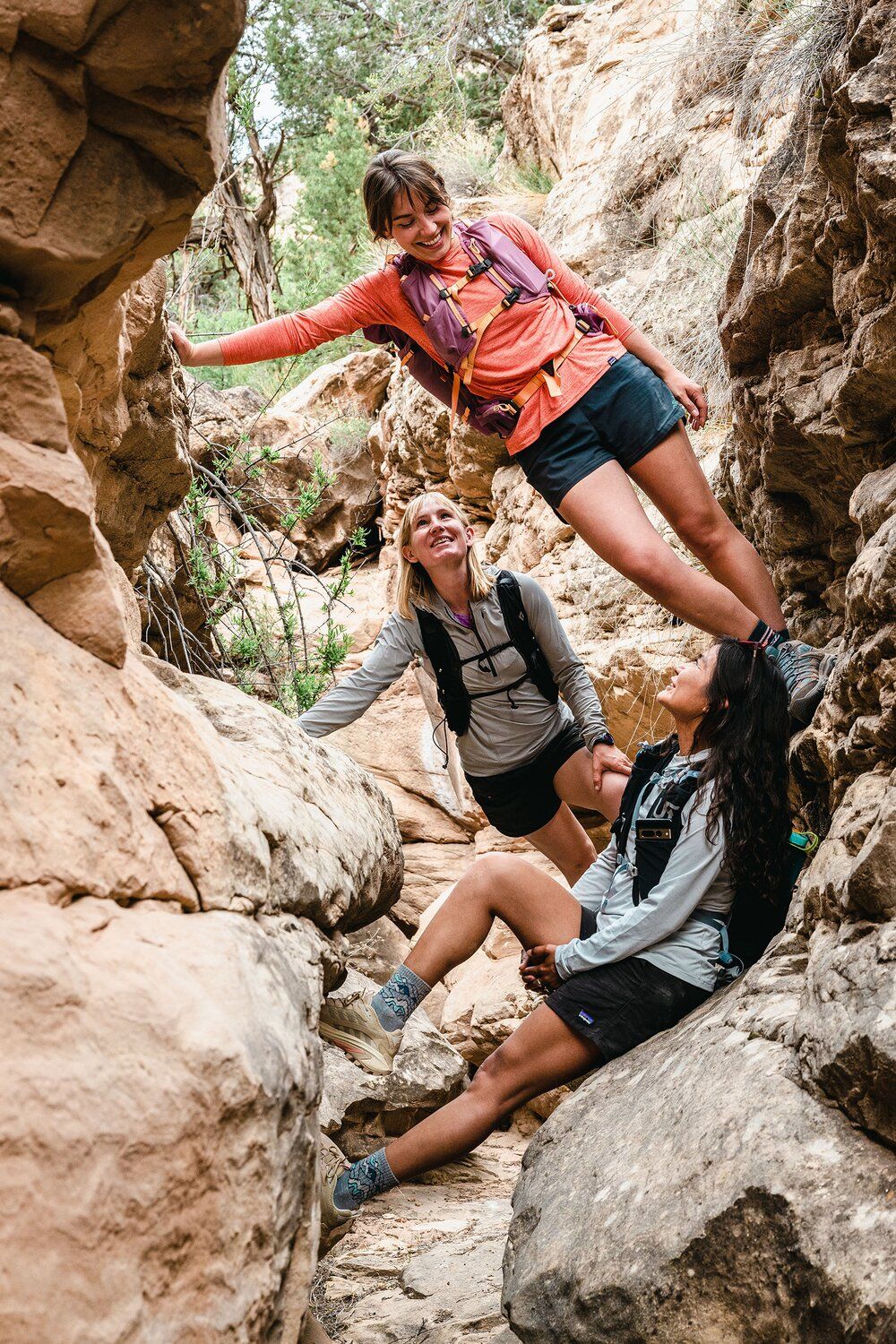
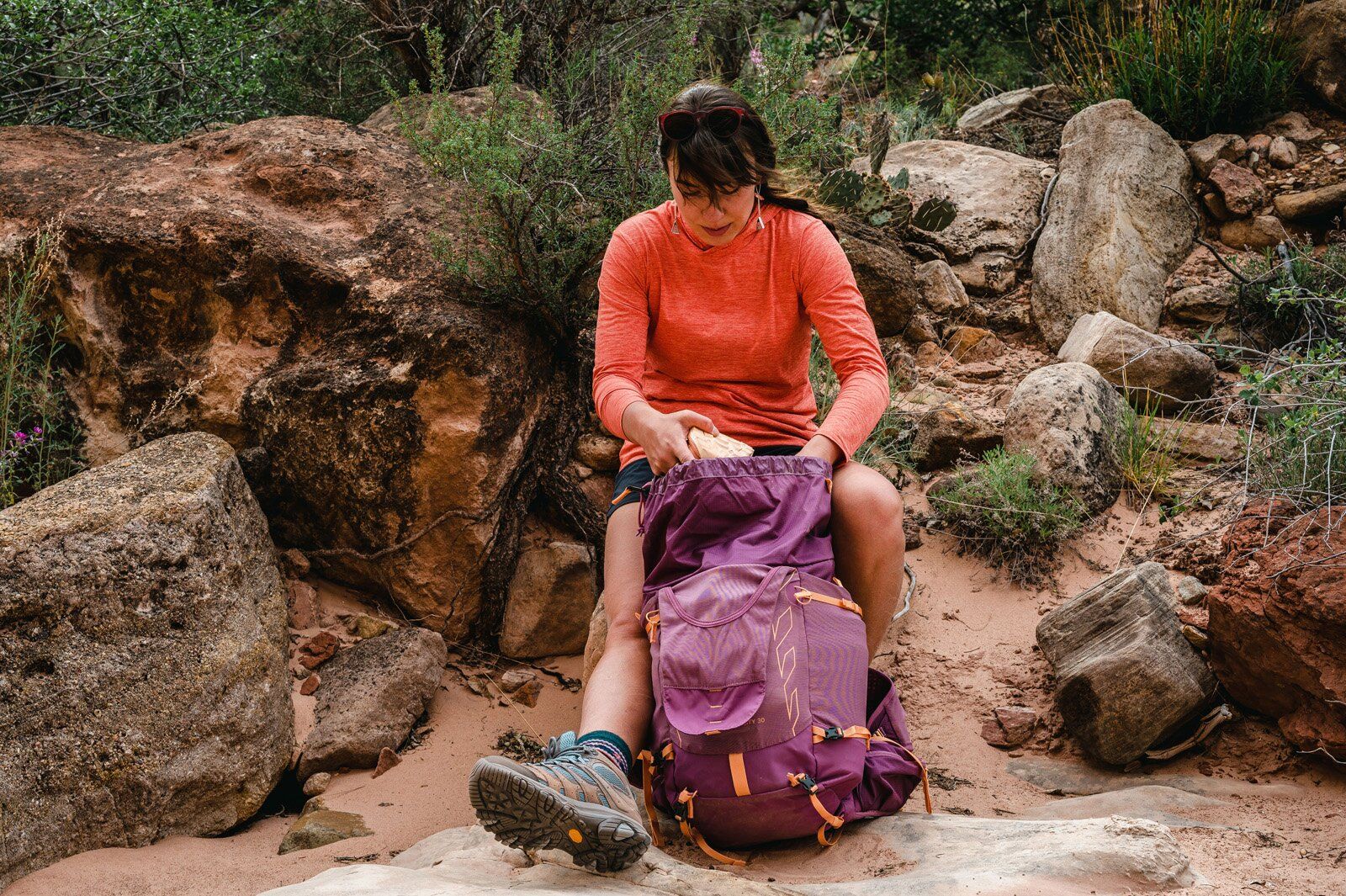
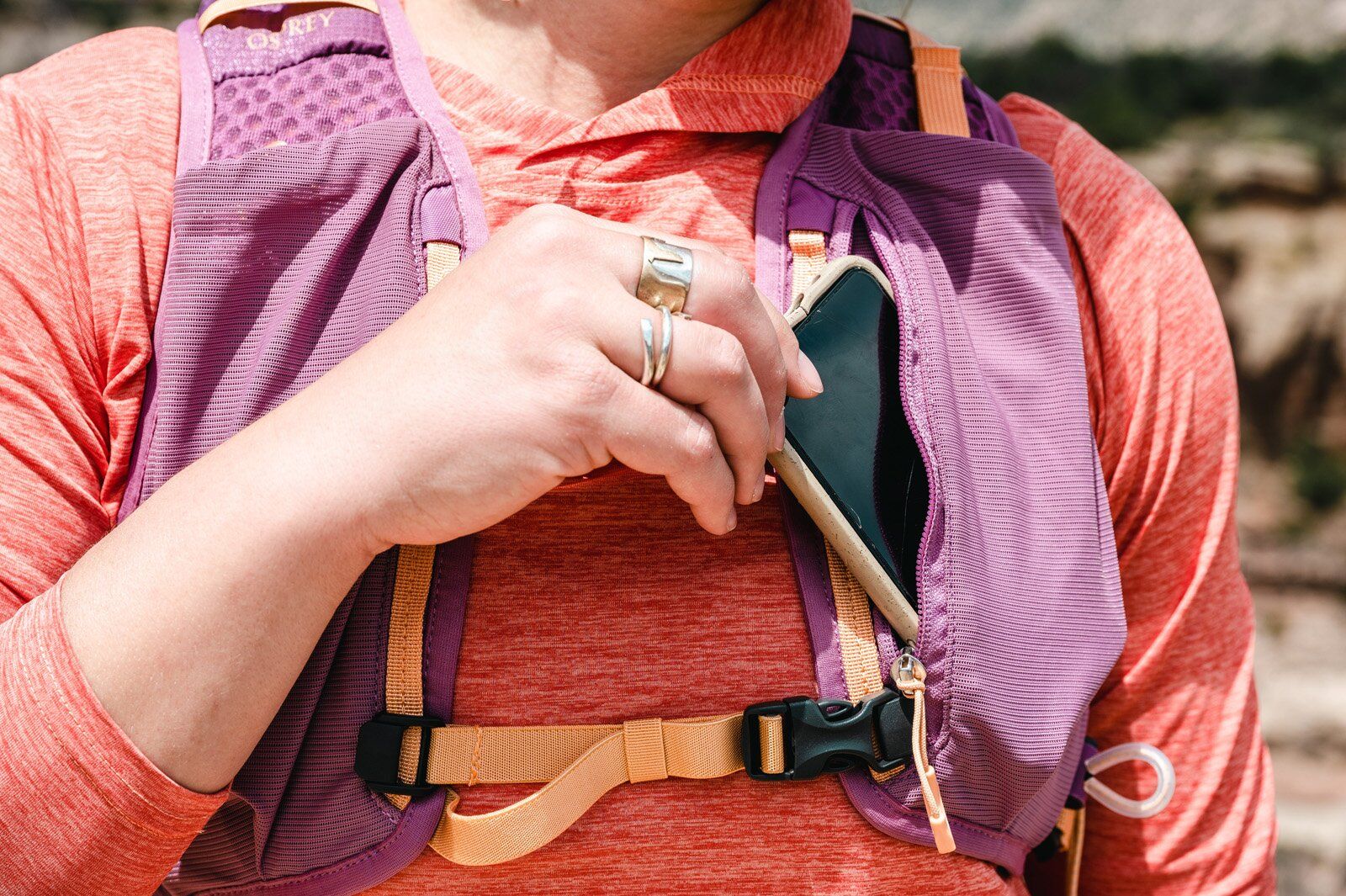
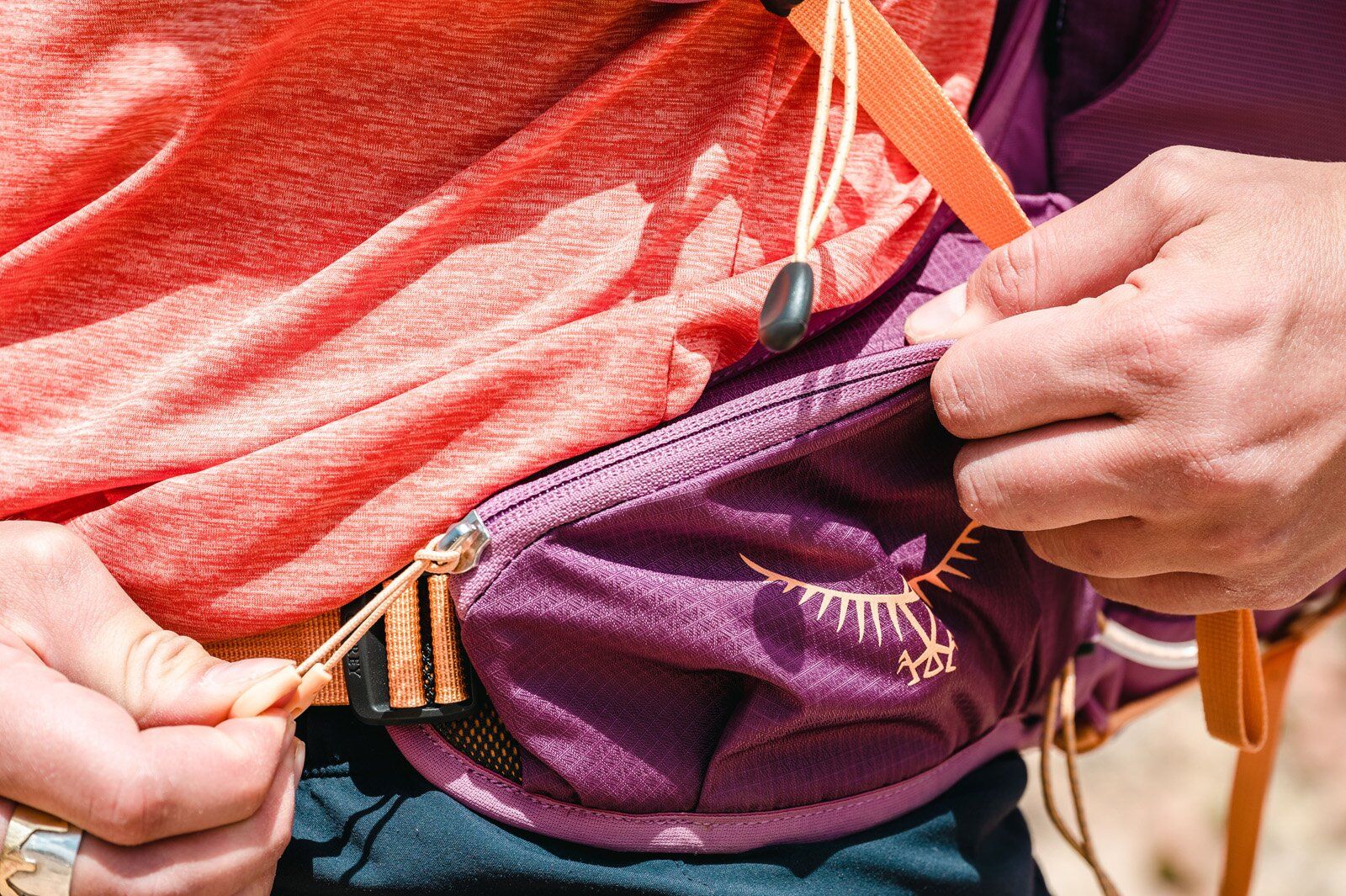

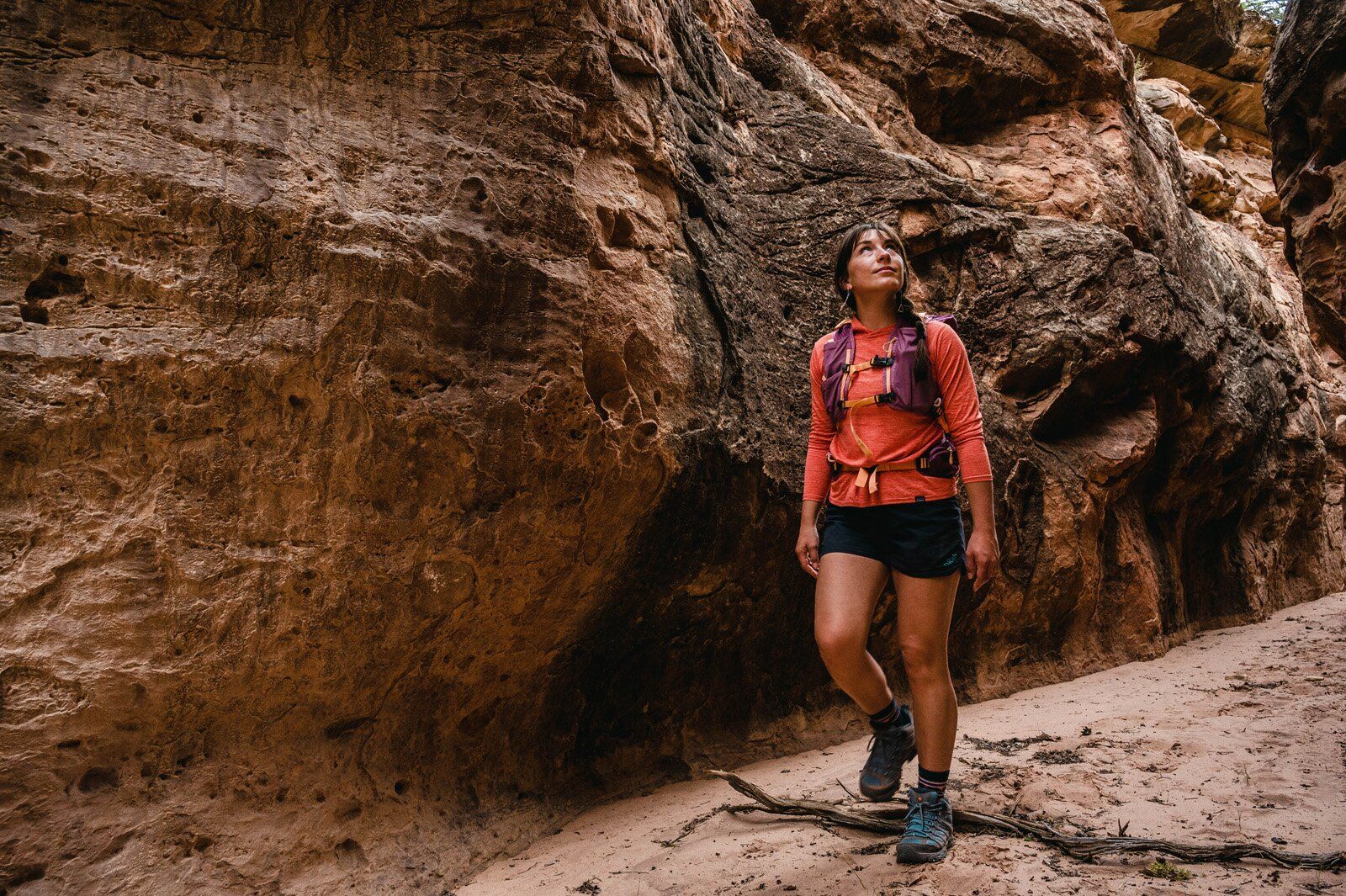
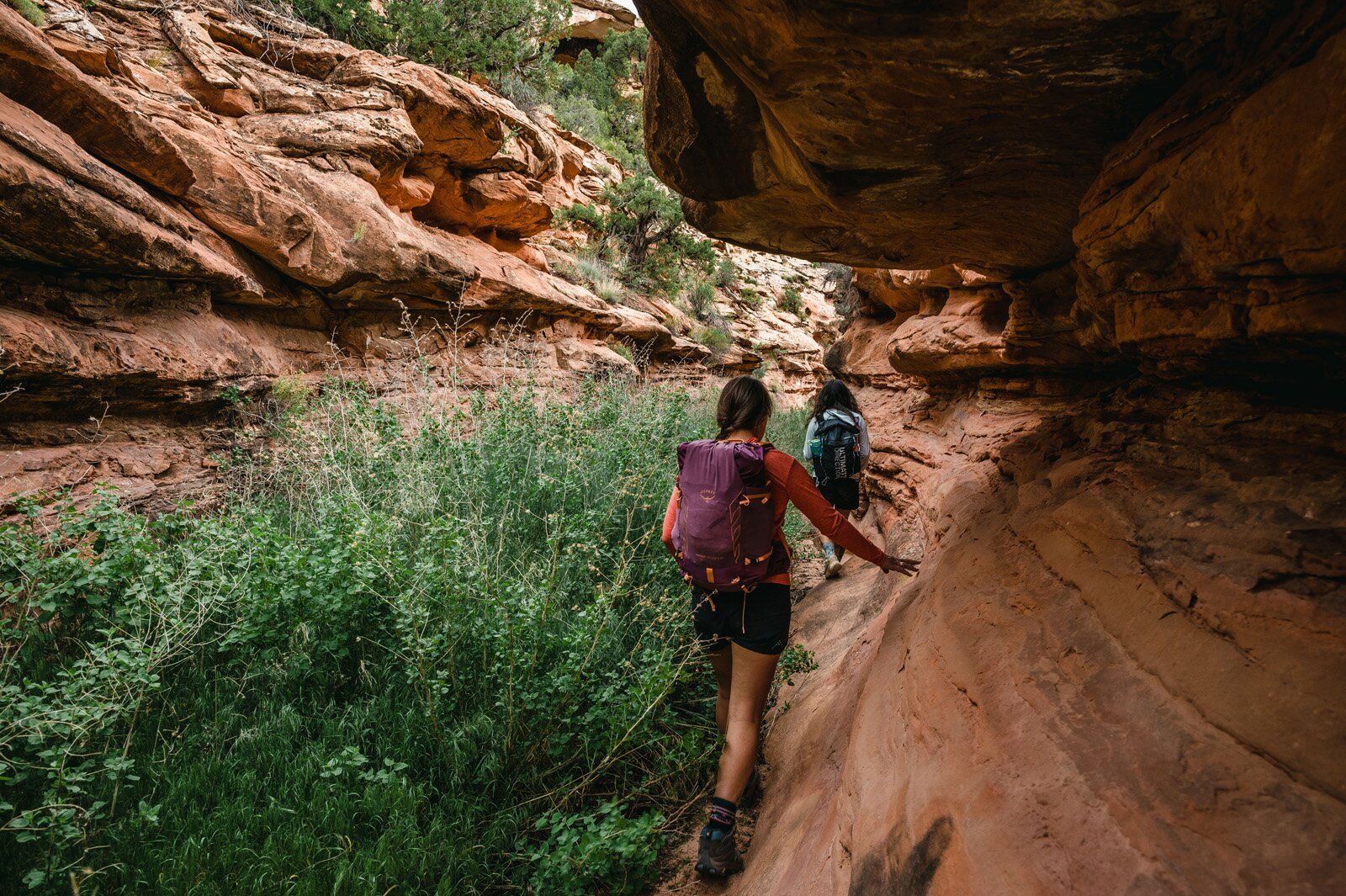
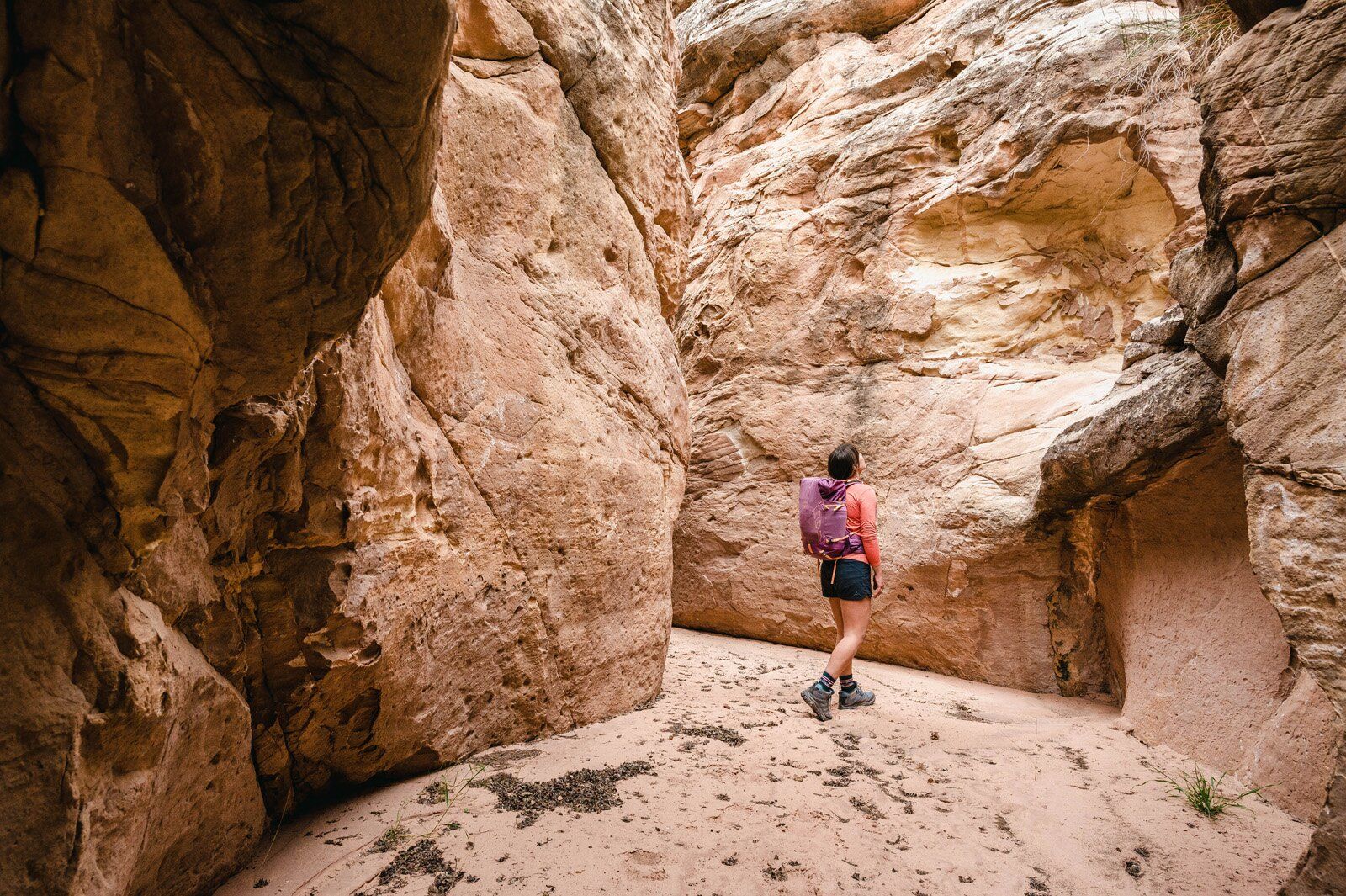
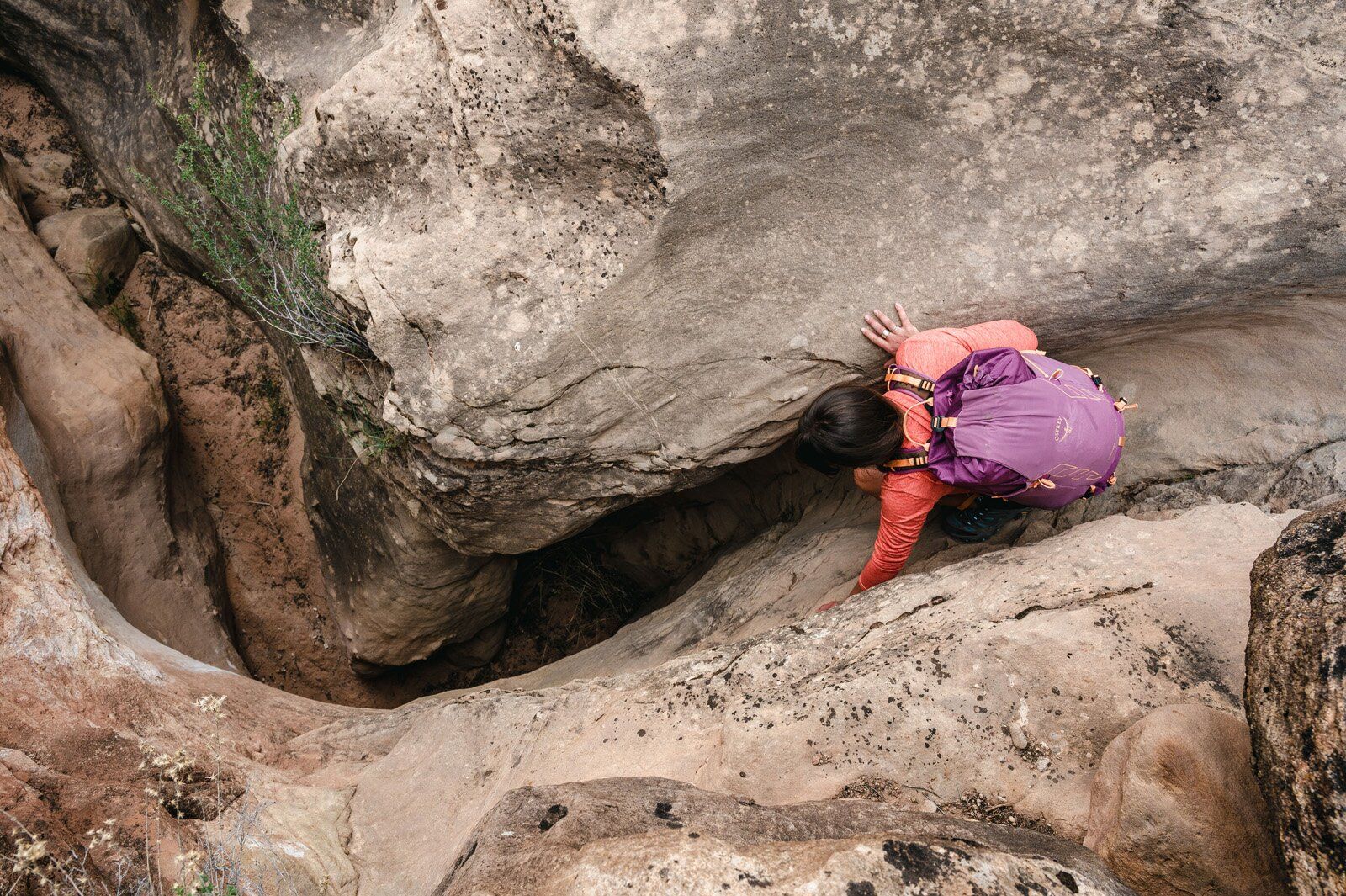
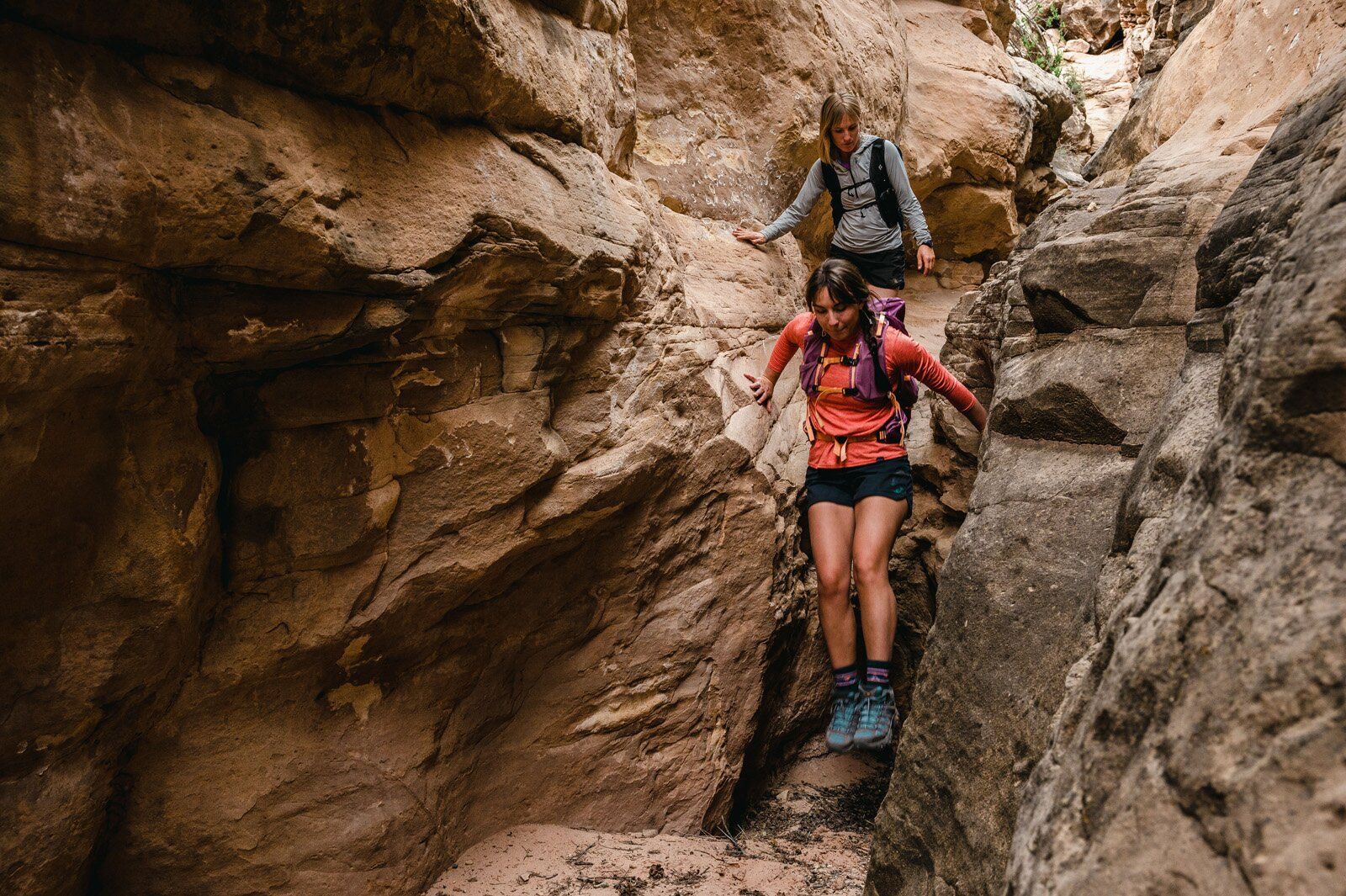
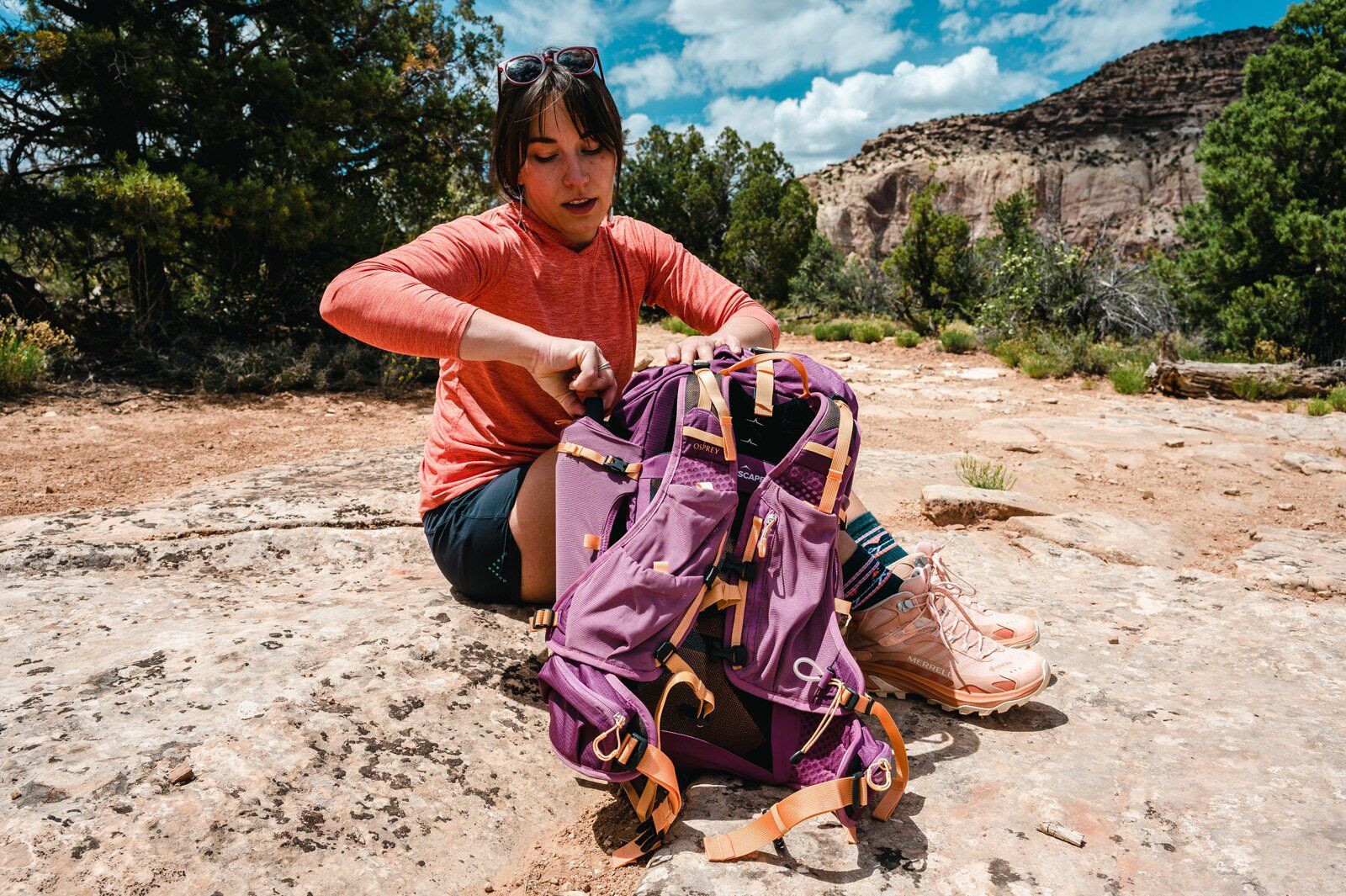
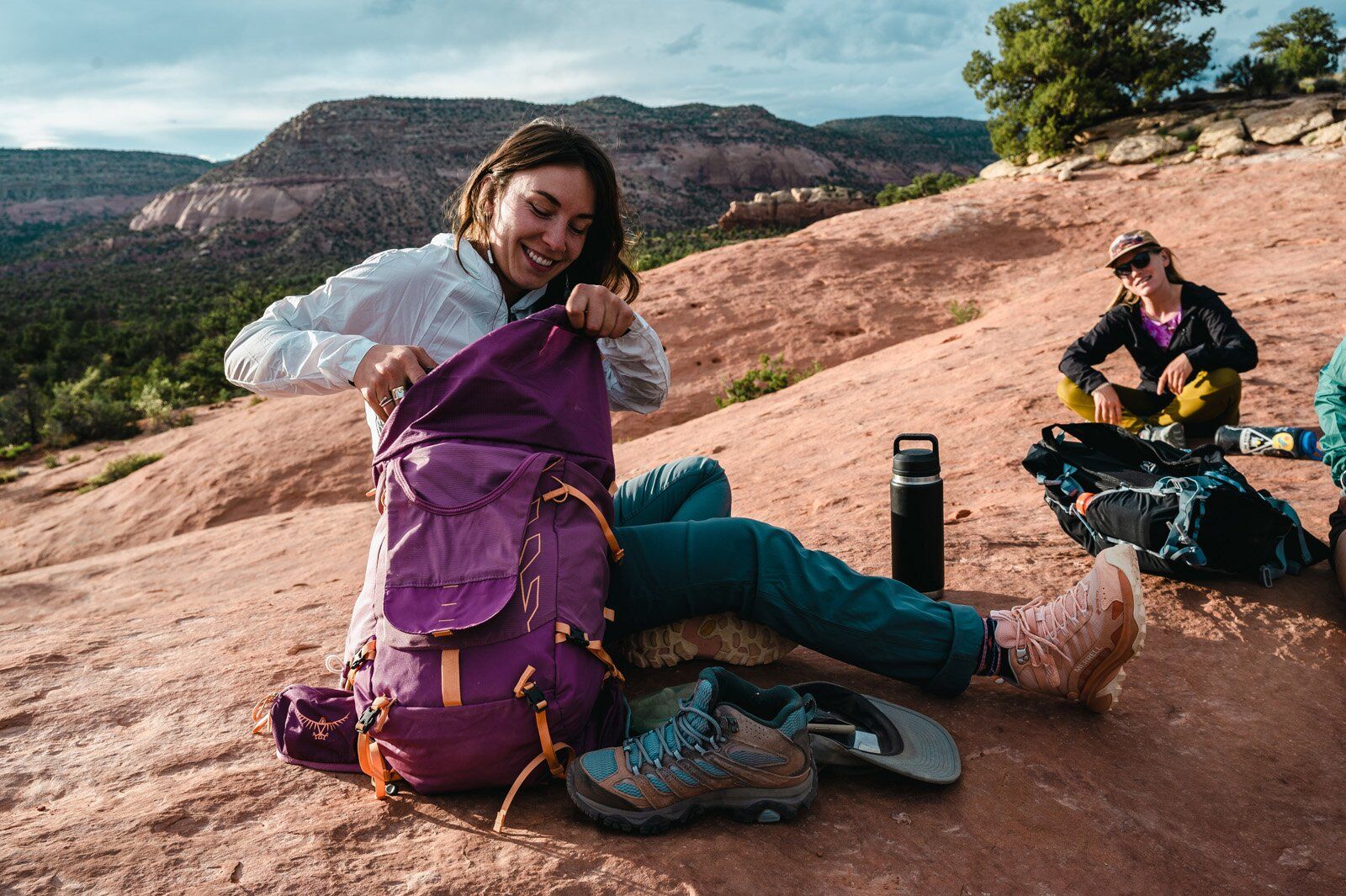
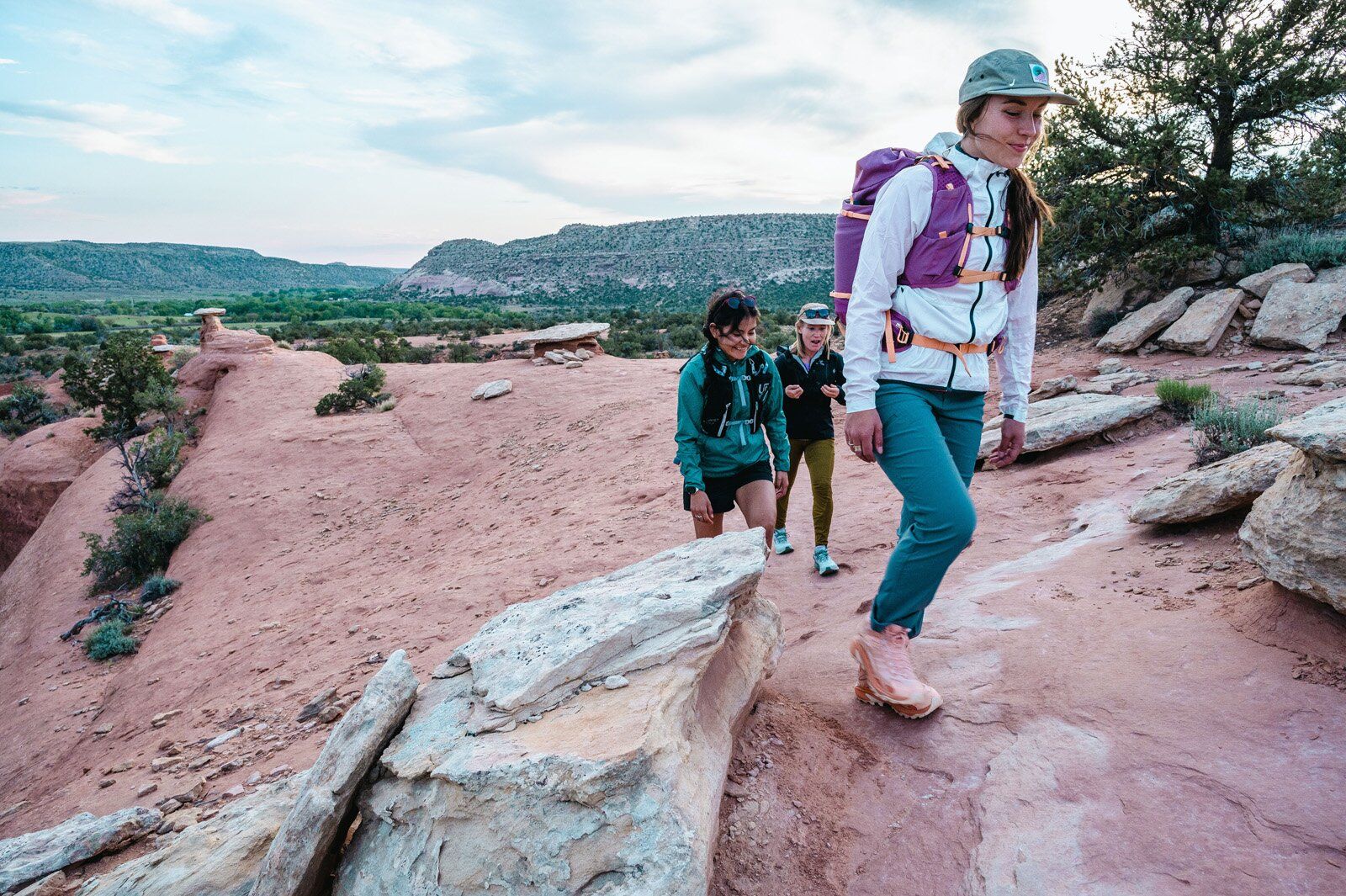
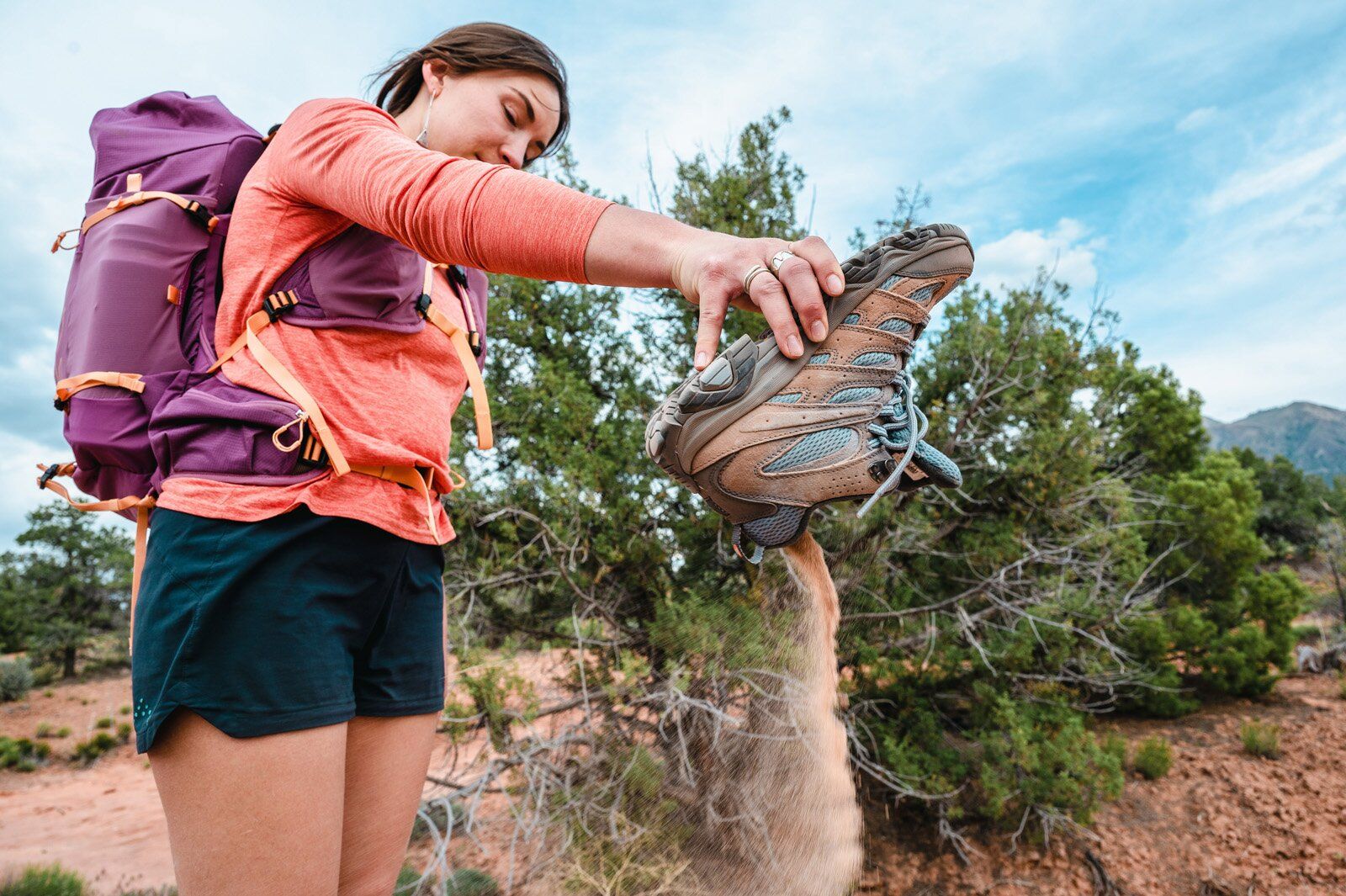
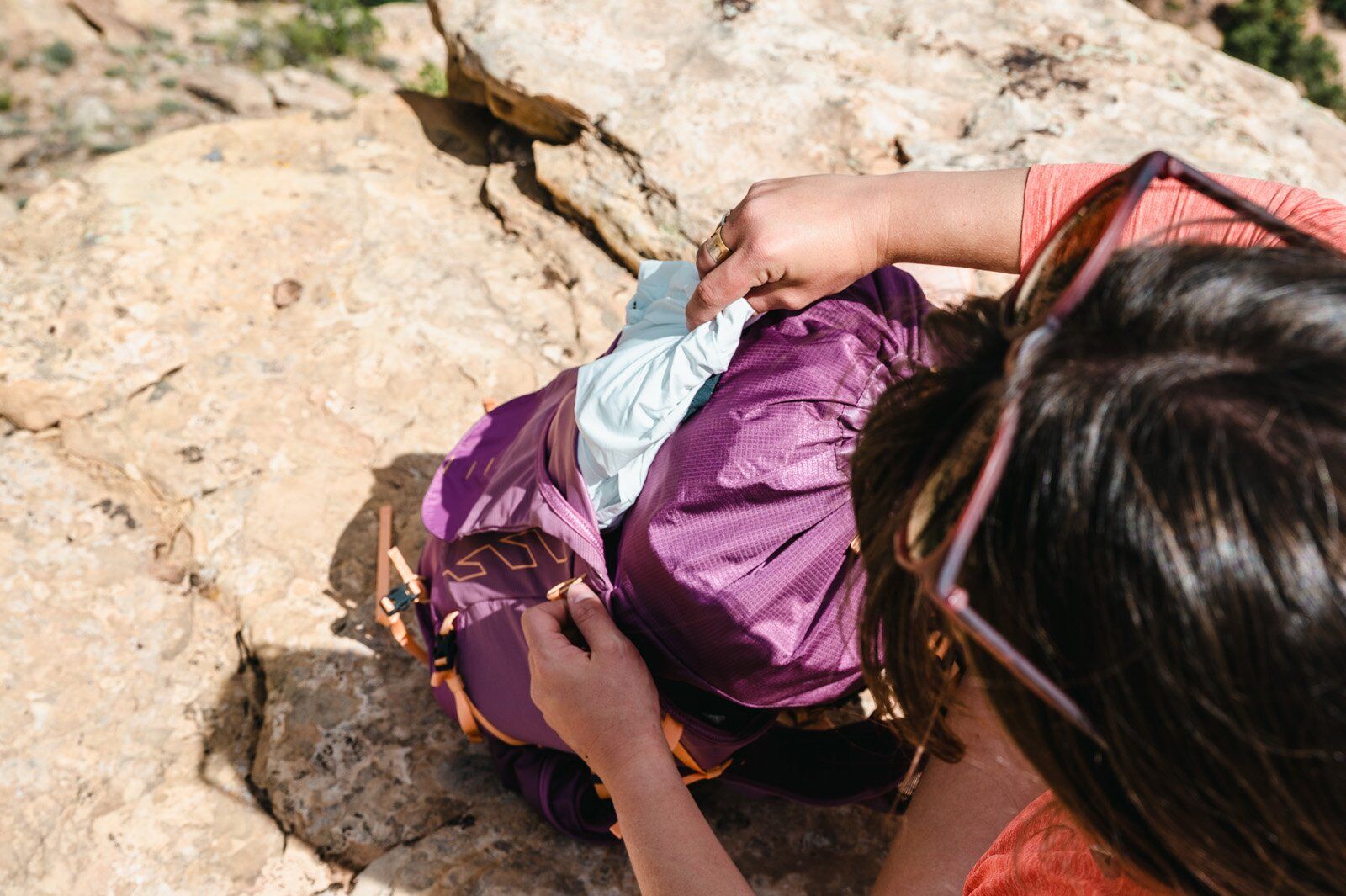

A speed-oriented pack that takes some inspiration from running vests, the Talon Velocity 30 is made for hikers who think “snack break” is an offensive term. This specialized model’s relative lack of structure and support and its high price tag might be offputting for more casual adventurers.
Comfort & Support
Organization
Weight
Durability
Water Resistance
Sustainability
Weight
2 lb. 6 oz.
Capacity
30L (20L)
Hipbelt
Padded
Suspension
Framesheet
Pros
Cons
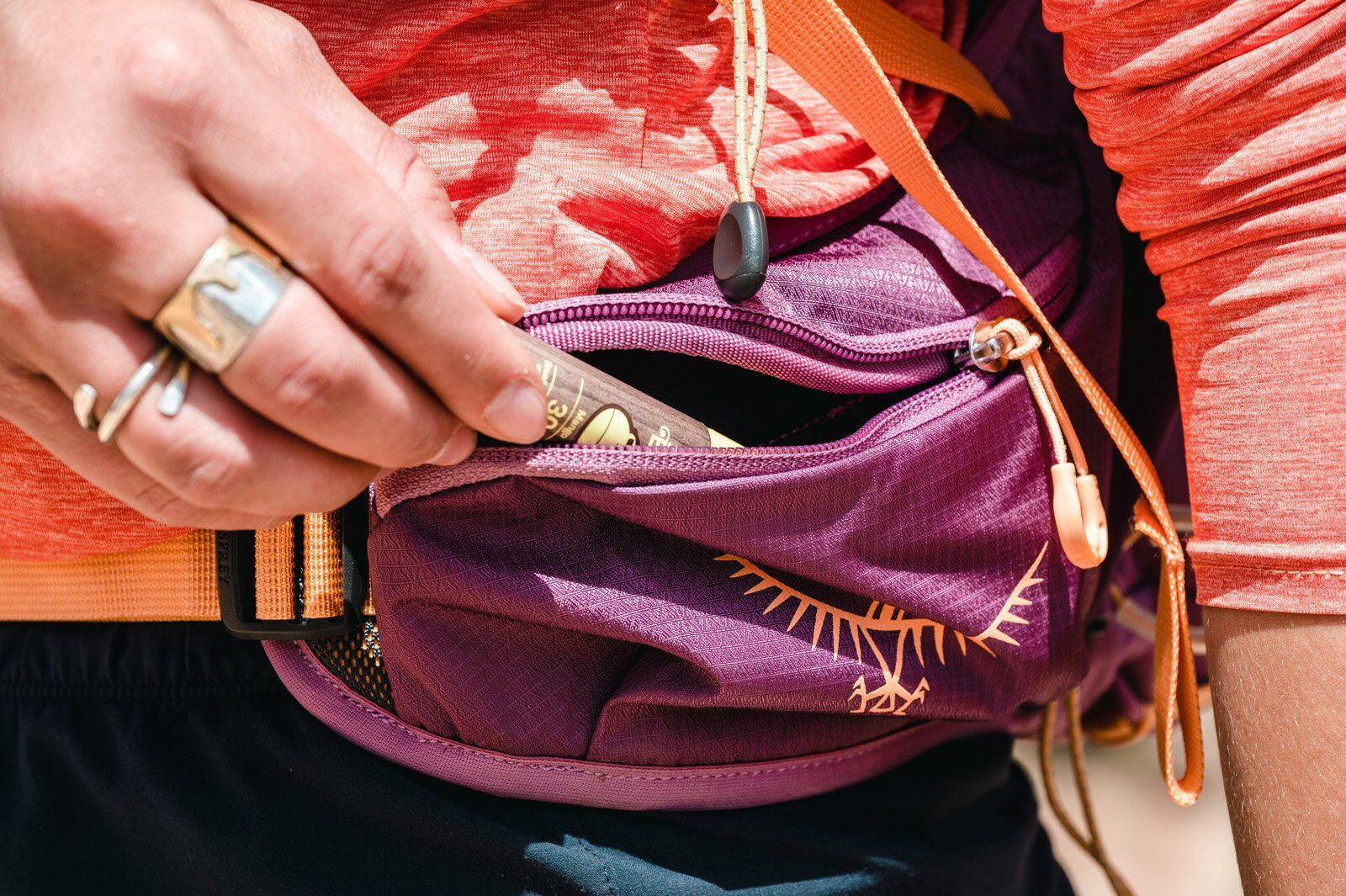
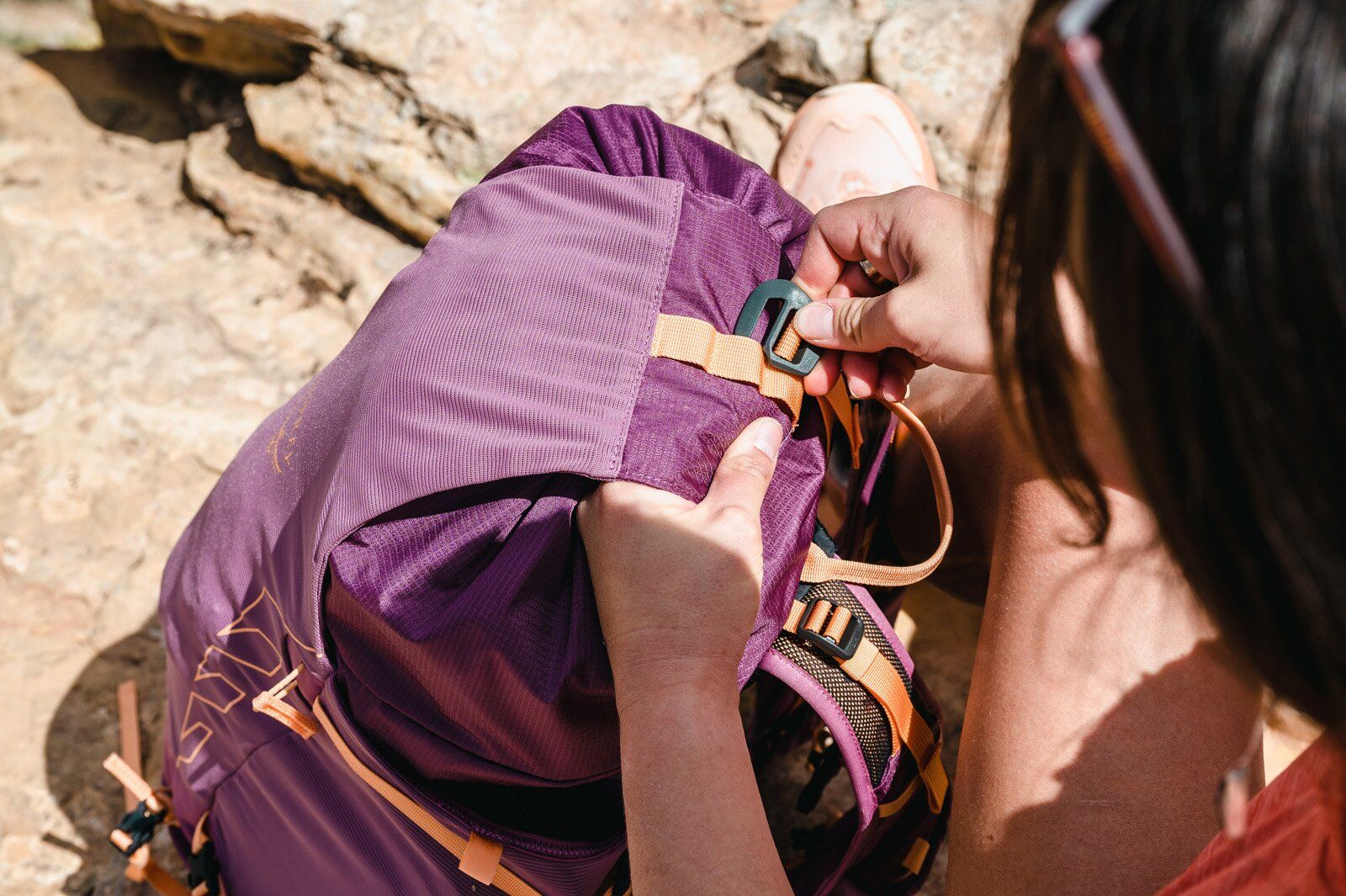
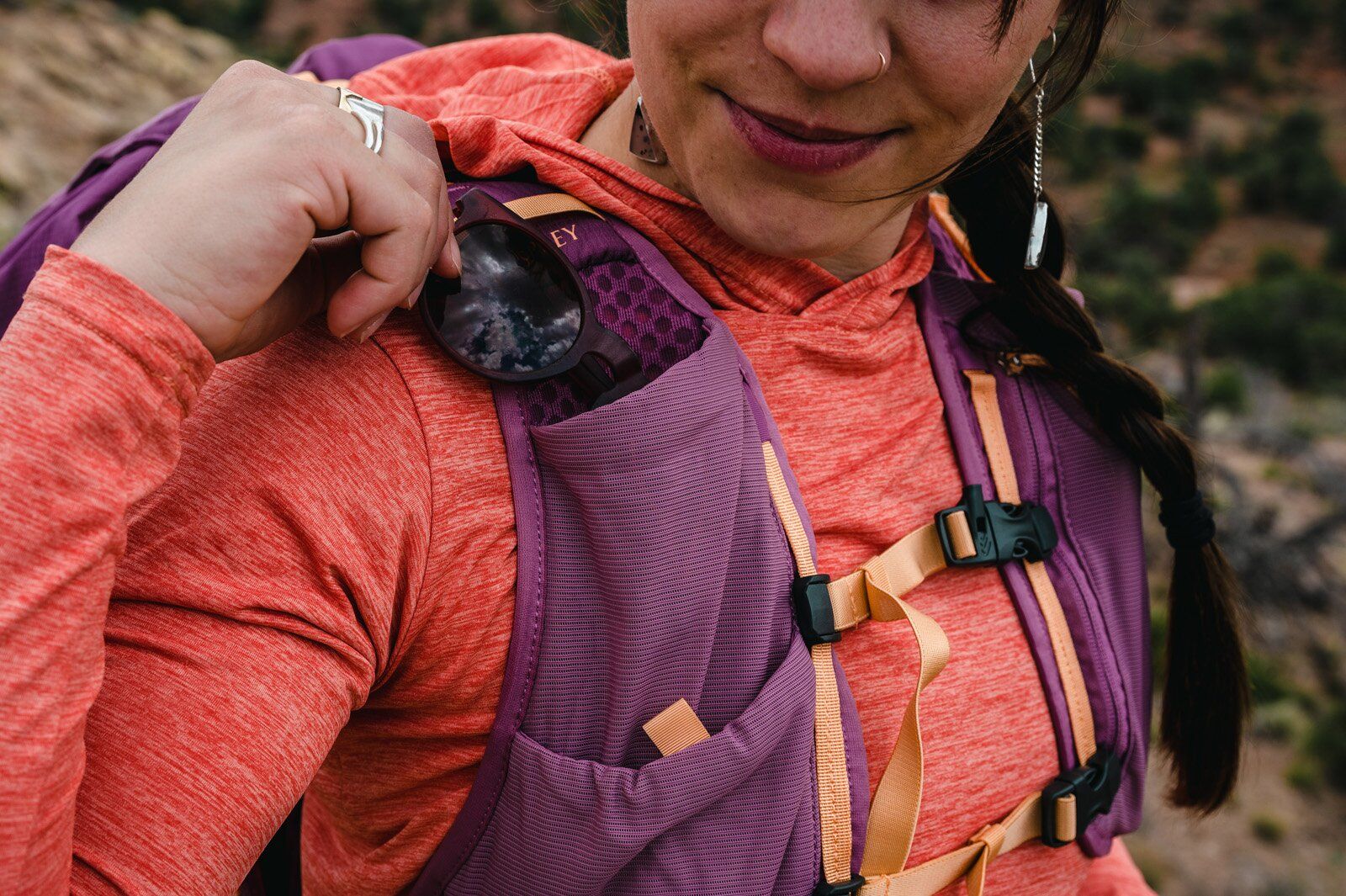
If a running vest and a daypack had a kid, it would look like the Frankenstein-style Talon Velocity (women’s Tempest Velocity). And indeed, this pack is a monster on the trail—perfect for hikers who want to cover serious ground but need more capacity than a running vest can offer. The Talon Velocity’s standout feature is its chest storage, which includes two small stretch pockets on the right, a larger one on the left, and a small zippered compartment—perfect for soft flasks, snacks, a phone, bear spray, or all of the above. The rest of the pack is equally well-equipped for organization, featuring a back stretch-mesh pocket, hipbelt pockets, trekking pole/ice axe holders, and an external hydration sleeve for those who prefer a bladder over flasks.
Our tester took the Tempest Velocity on an overnight fastpack in Colorado’s San Juan Mountains. Spread across its many pockets was enough food, layers, and gear—including an ultralight sleeping bag and pad—to sustain her over the 30-hour mission. She emerged impressed with the pack’s overall comfort, noting that its flexible back panel and chest harness provided sufficient support and stability for loads up to 15 pounds.
Given the Talon/Tempest Velocity’s steep price tag and specialized design, those who prefer “normal” day hikes may want to look elsewhere. Likewise, trail runners who want to feel even less encumbered will likely be happier with a true running vest. But for hikers who regularly take on the type of trips this pack was made for—ultramarathon distances done quickly but not at a sprint, with the potential for overnighting—the Talon Velocity’s design is dialed. Just be mindful of sharp branches and surprise trailside boulders, as its 100- by 210-denier nylon main fabric offers only mediocre durability. For more, read our review of the women’s Osprey Tempest Velocity 30.
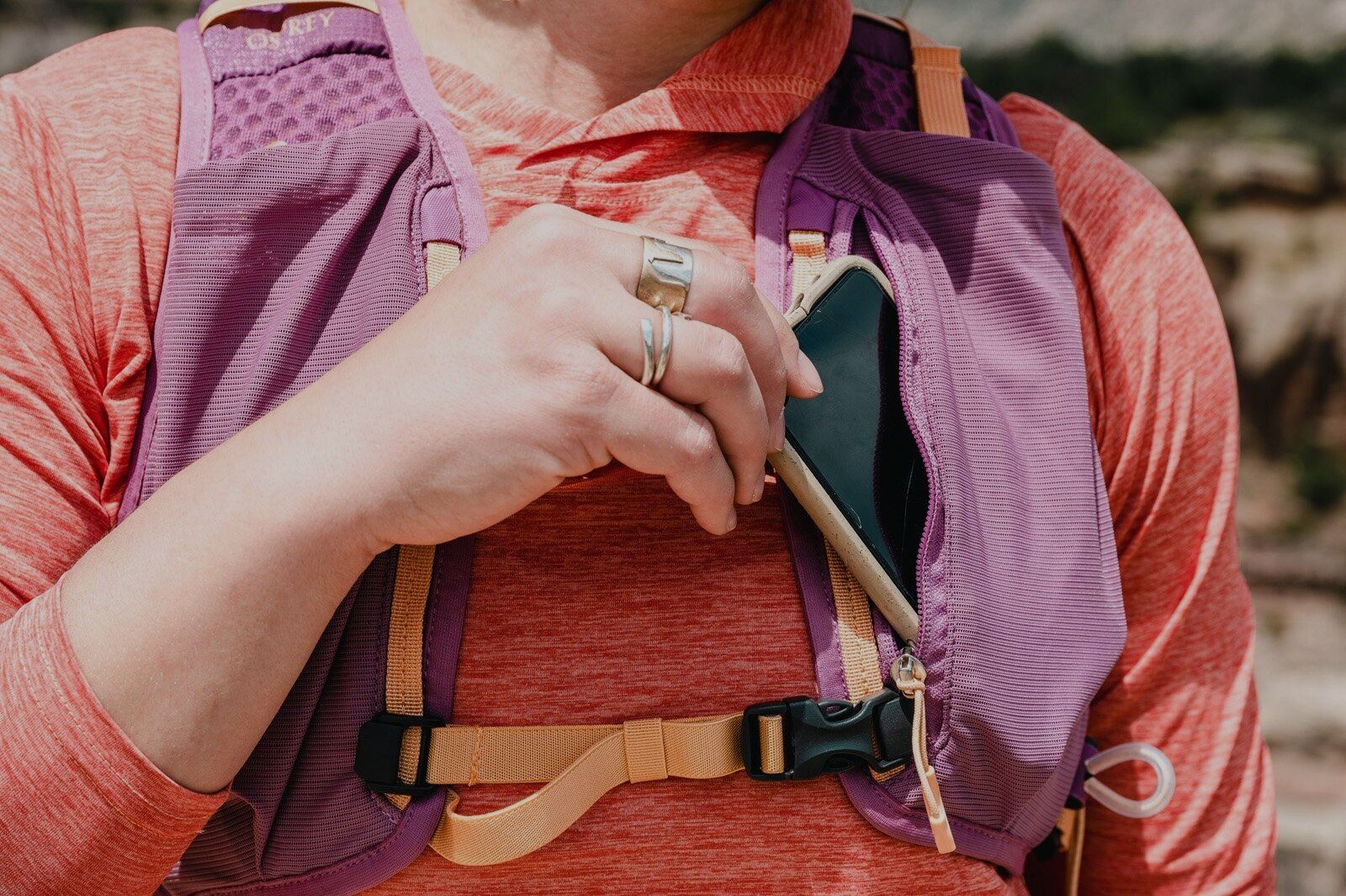
Despite the Fastpack 20’s specialized look, this pack can do almost anything. Add in its extremely reasonable price point, and you get one of our favorite overall models in this review. It does have some storage foibles, though.
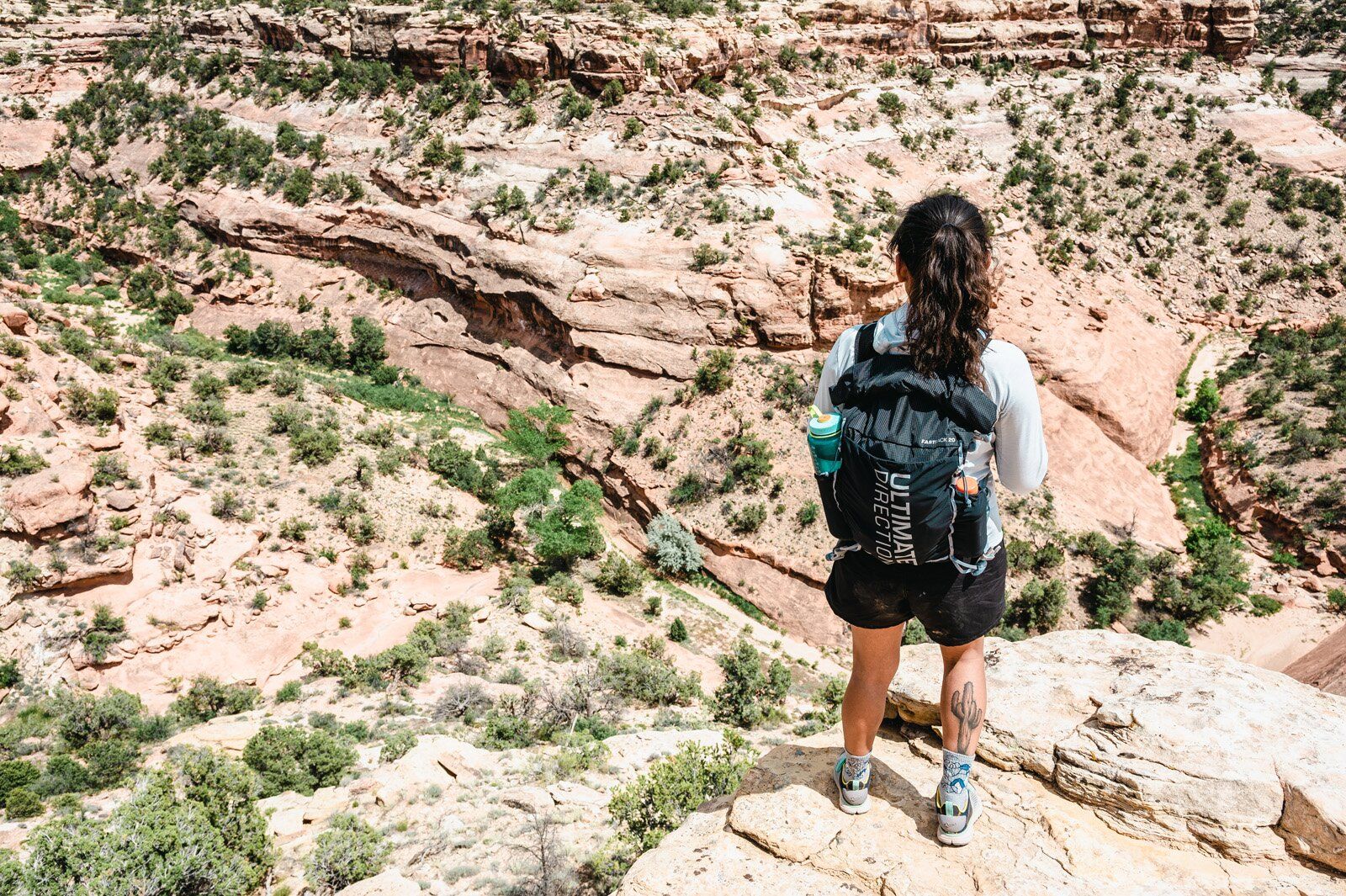
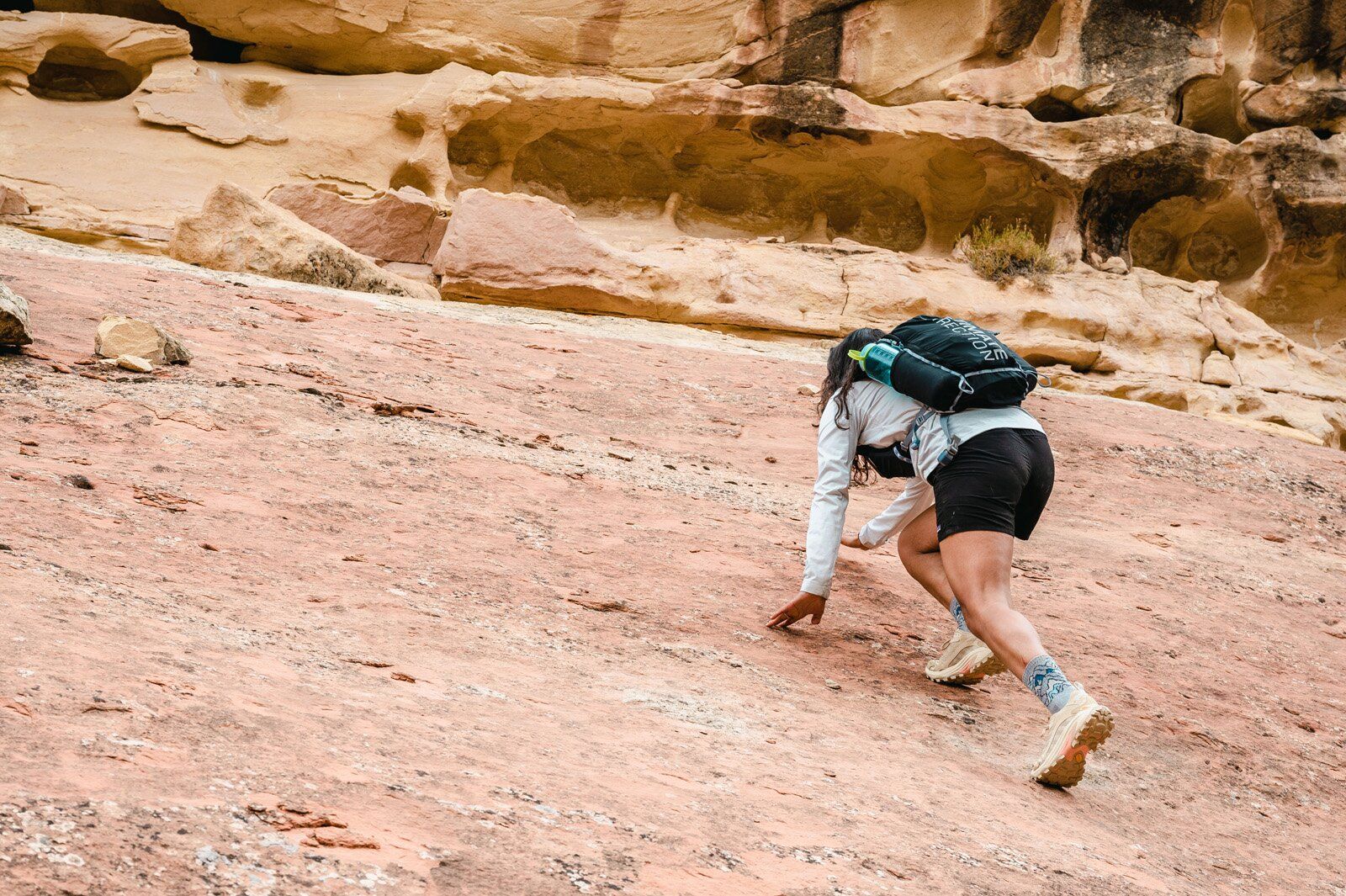
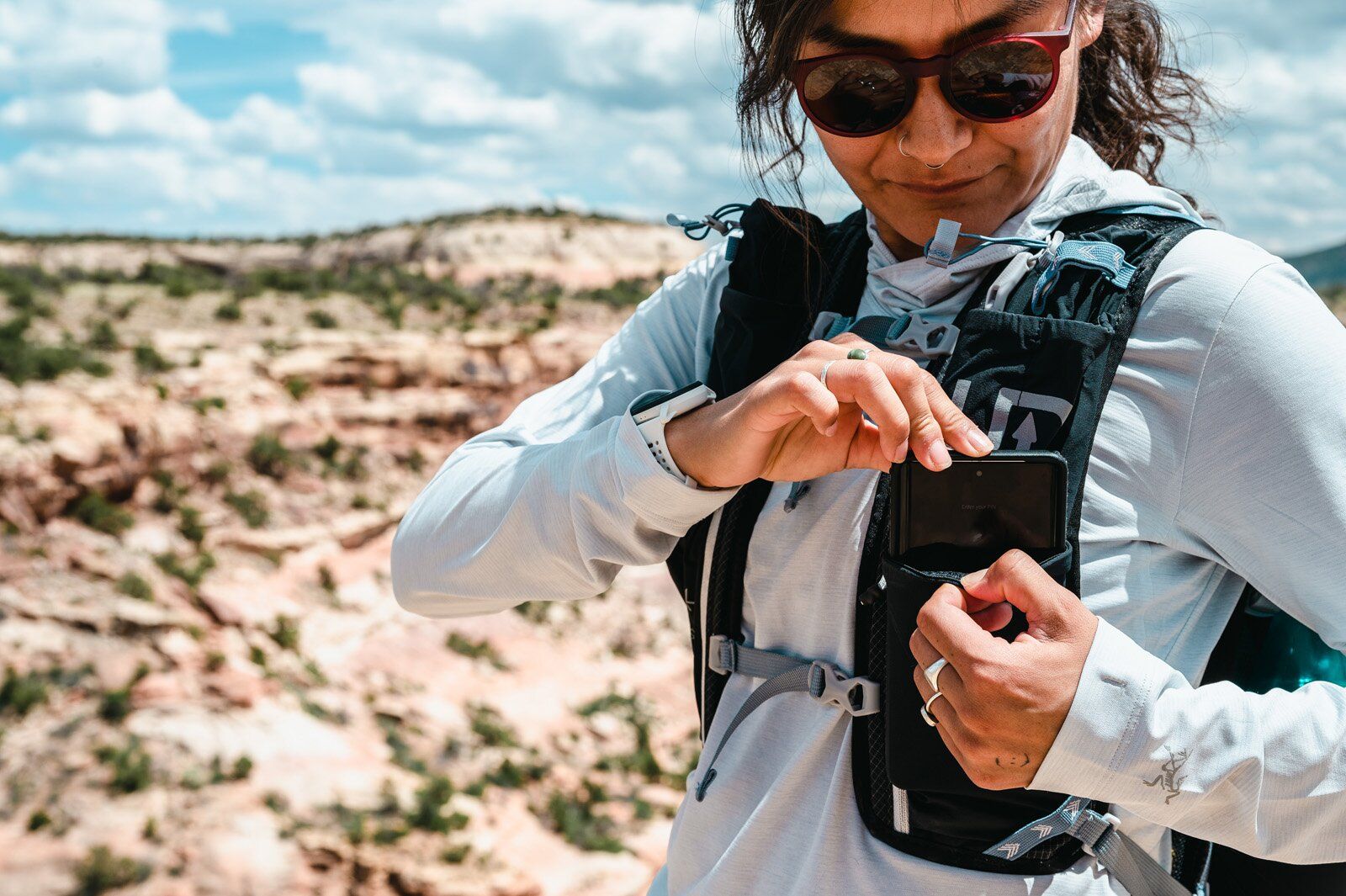
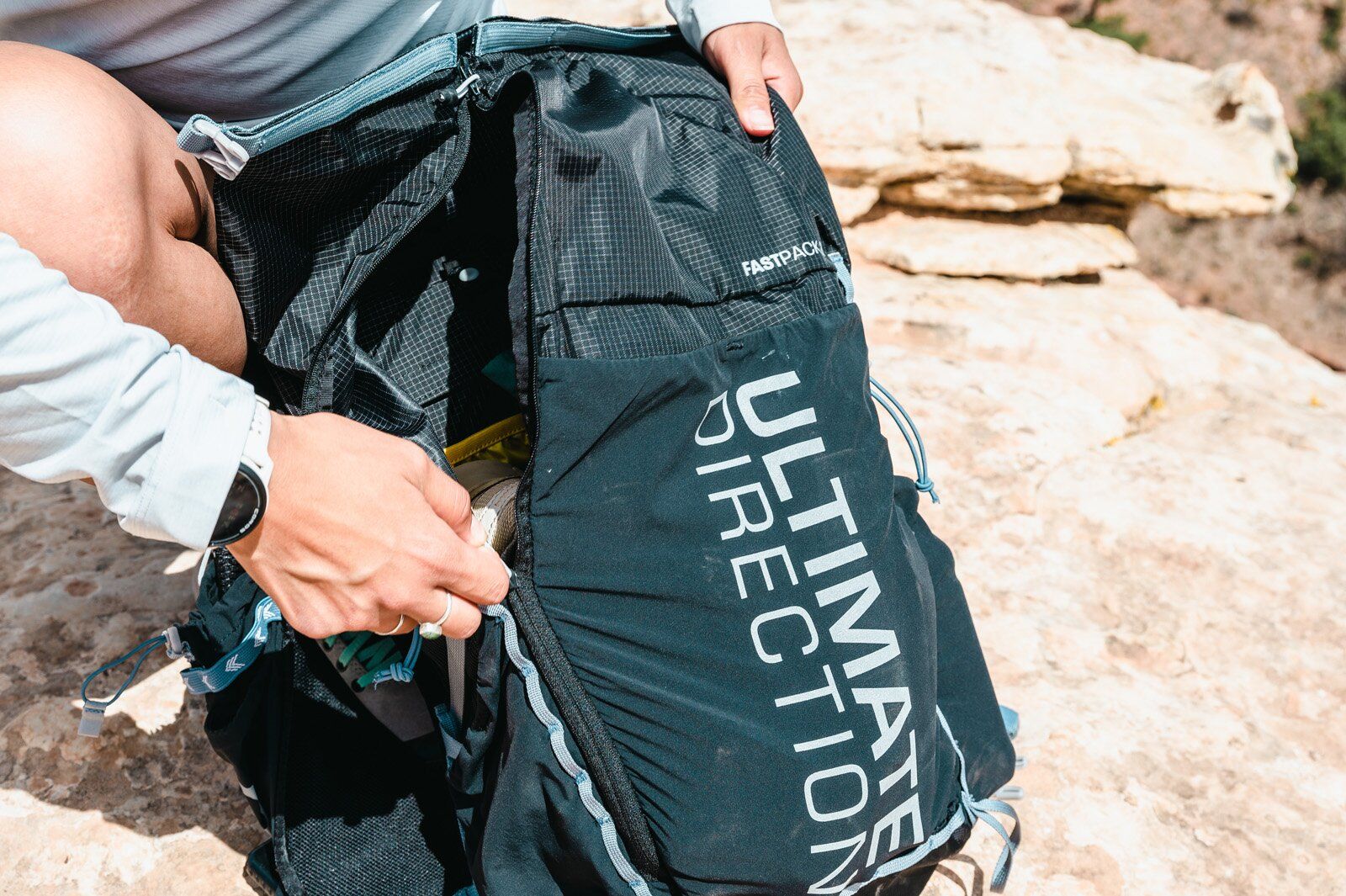
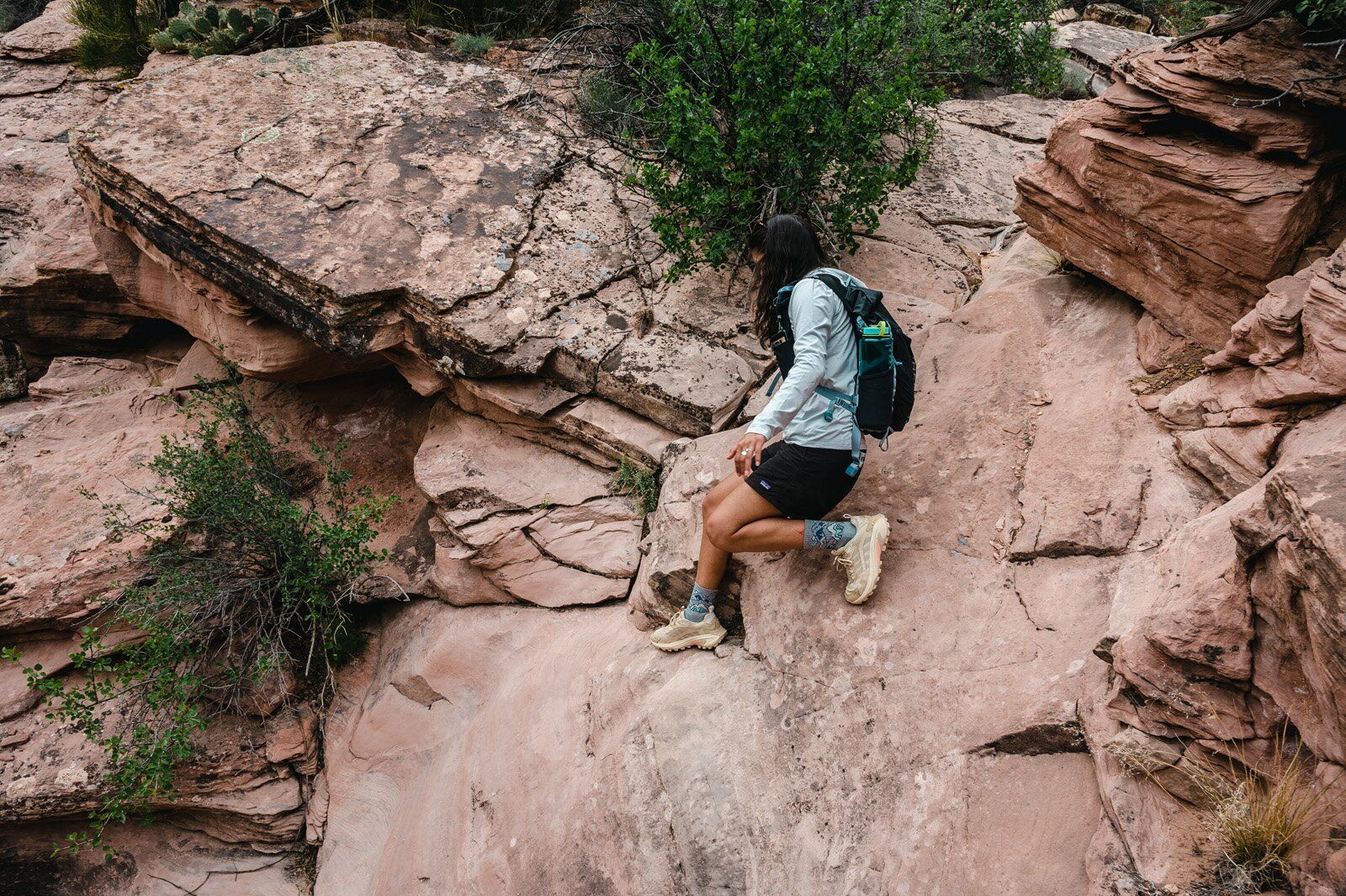
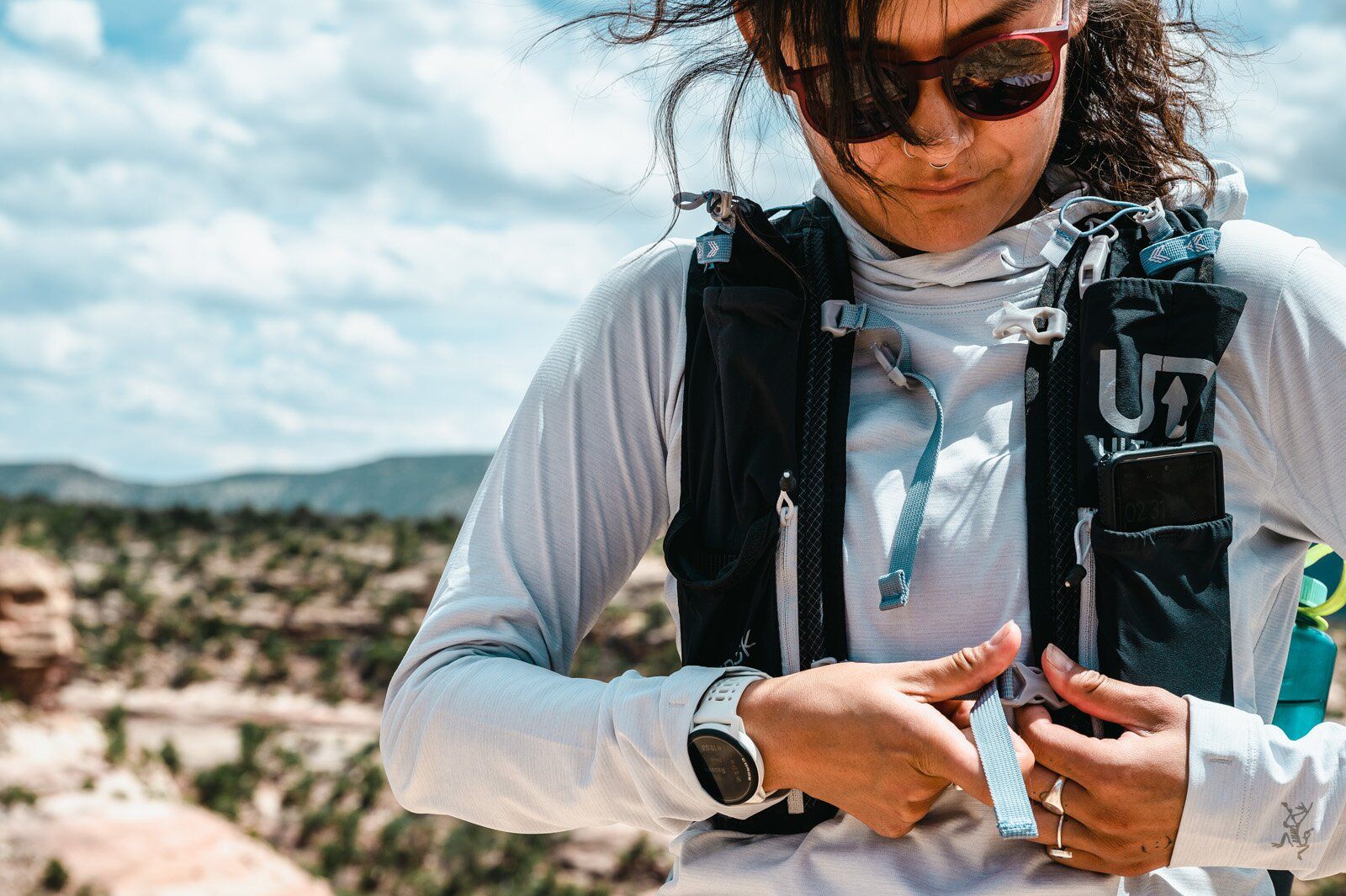
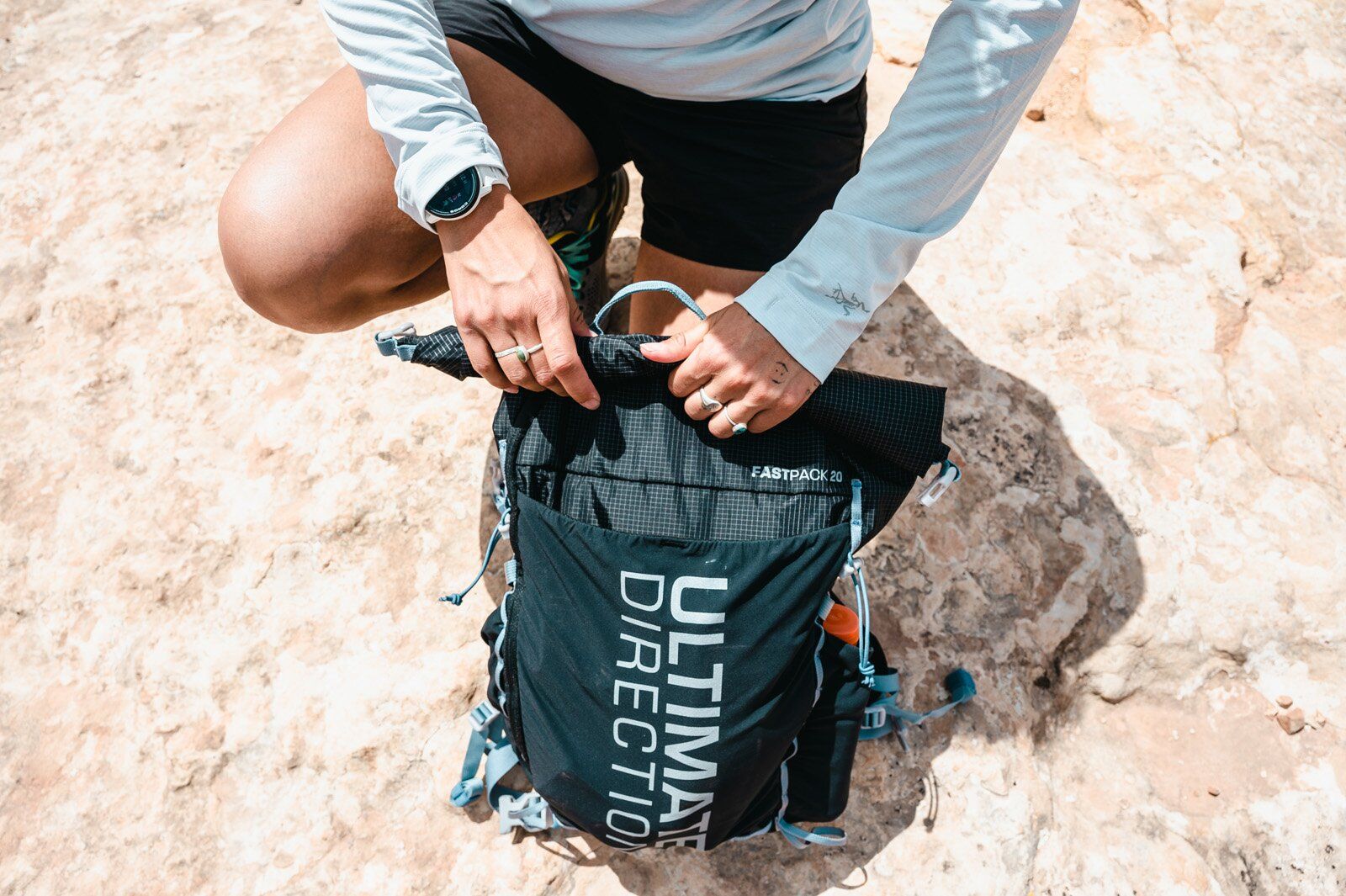
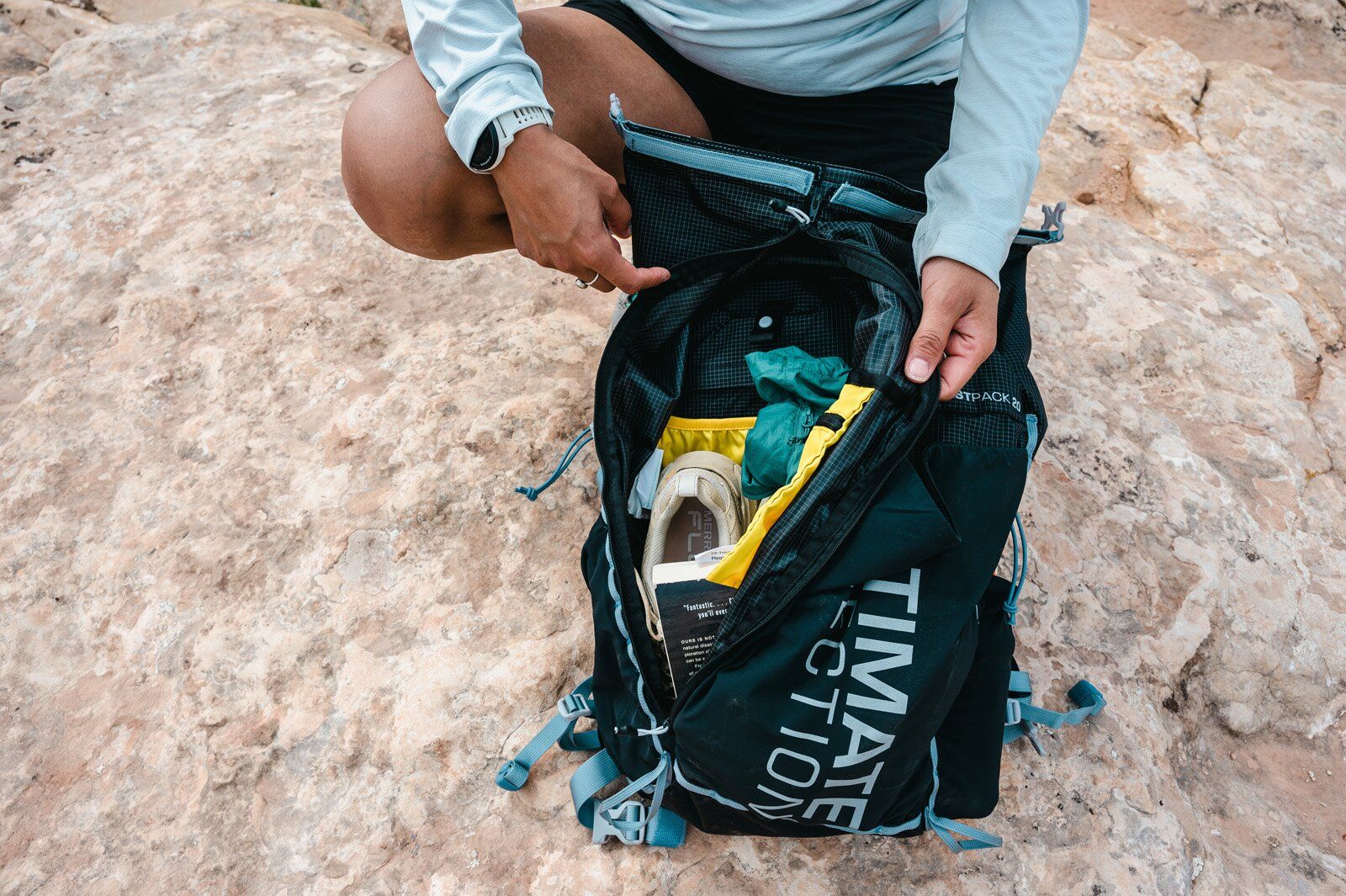
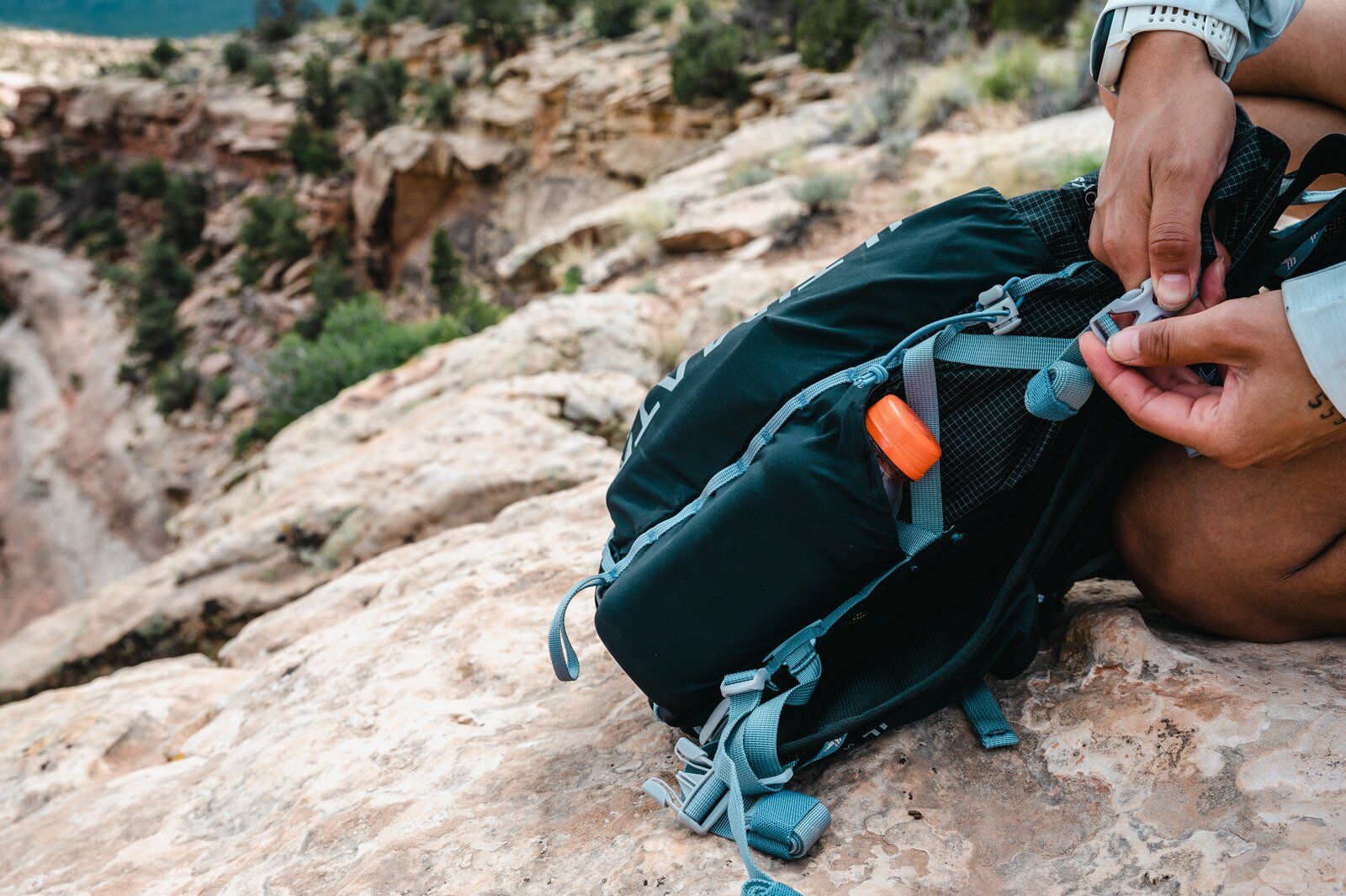

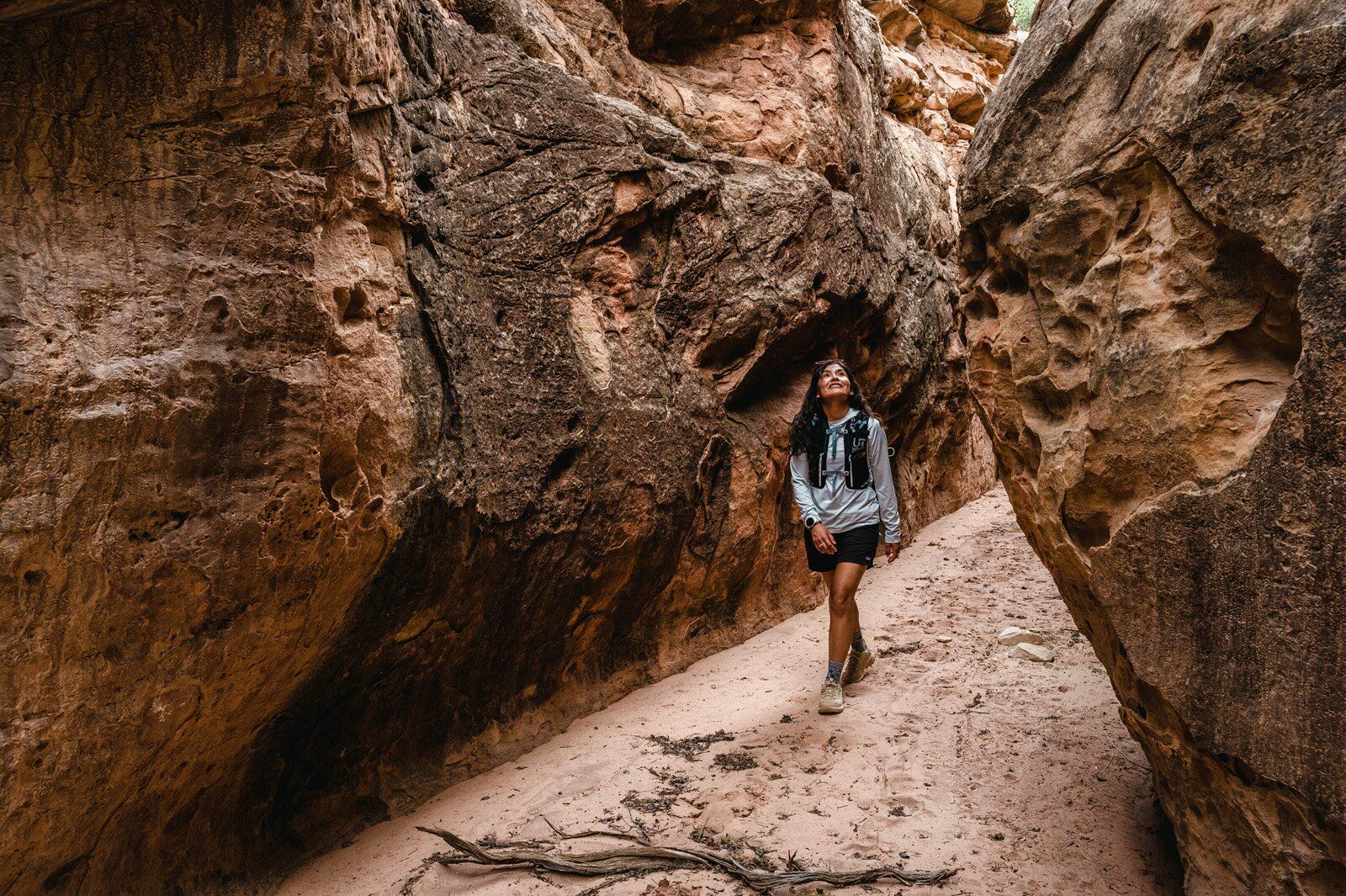
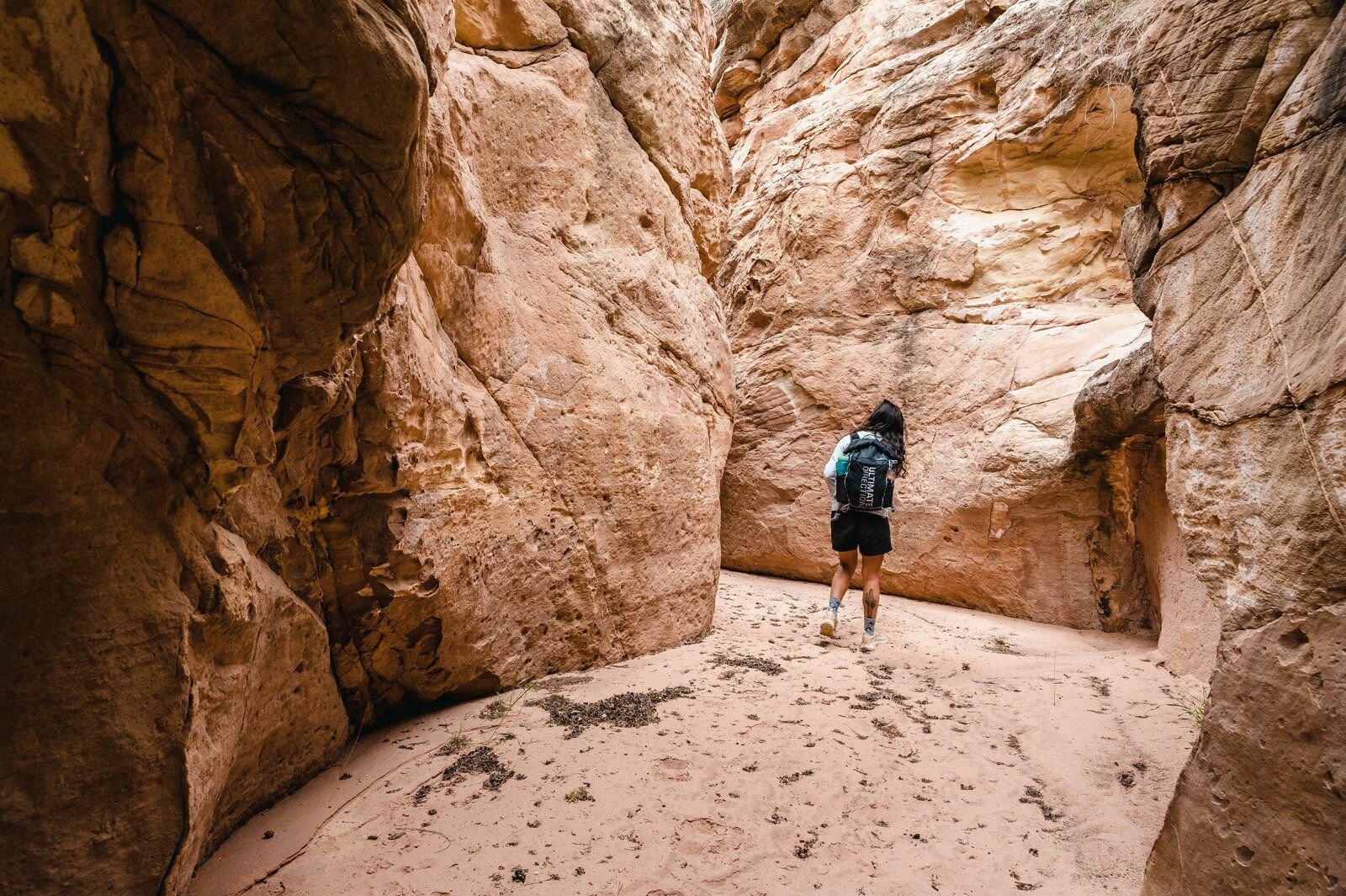
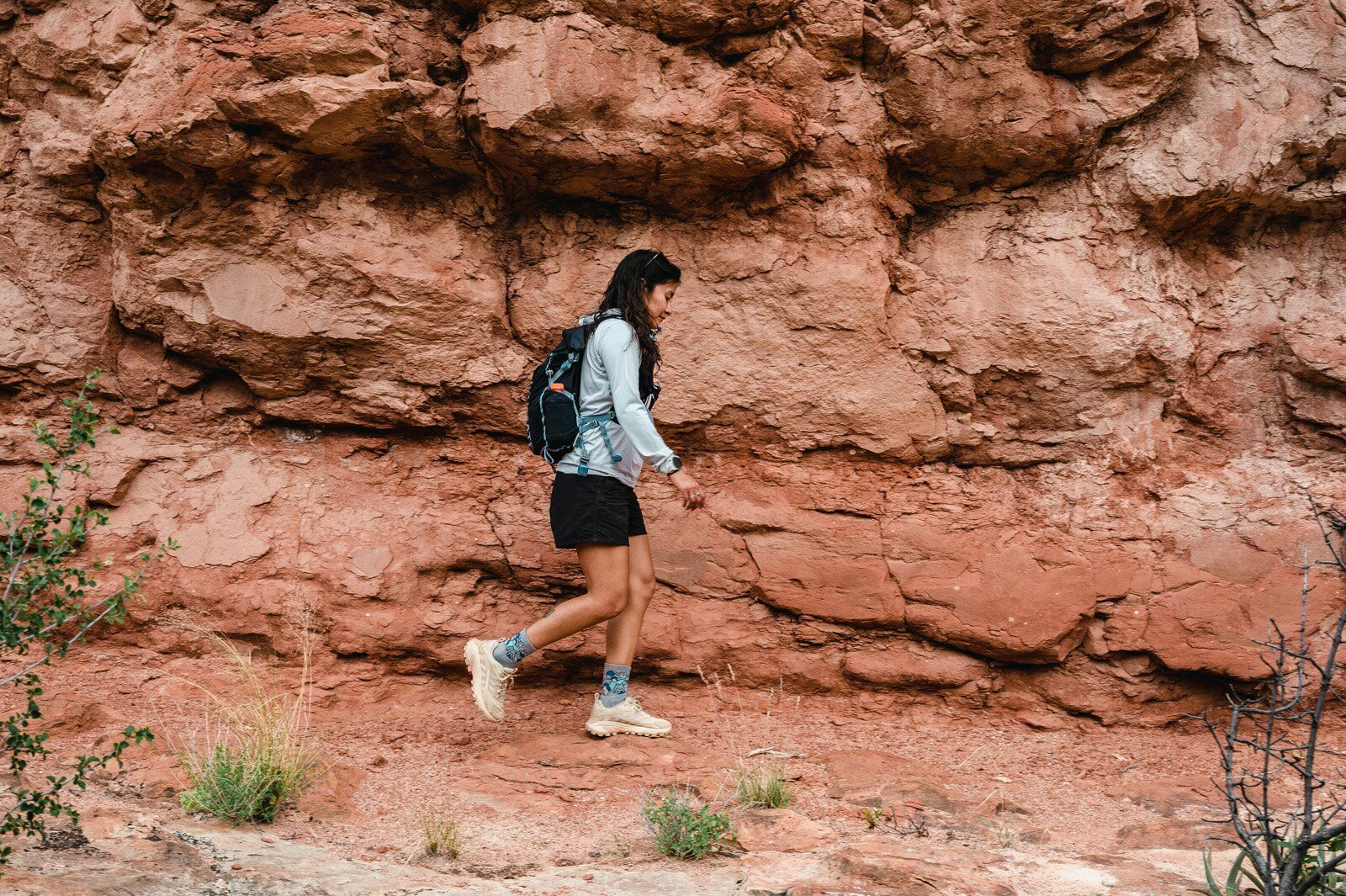
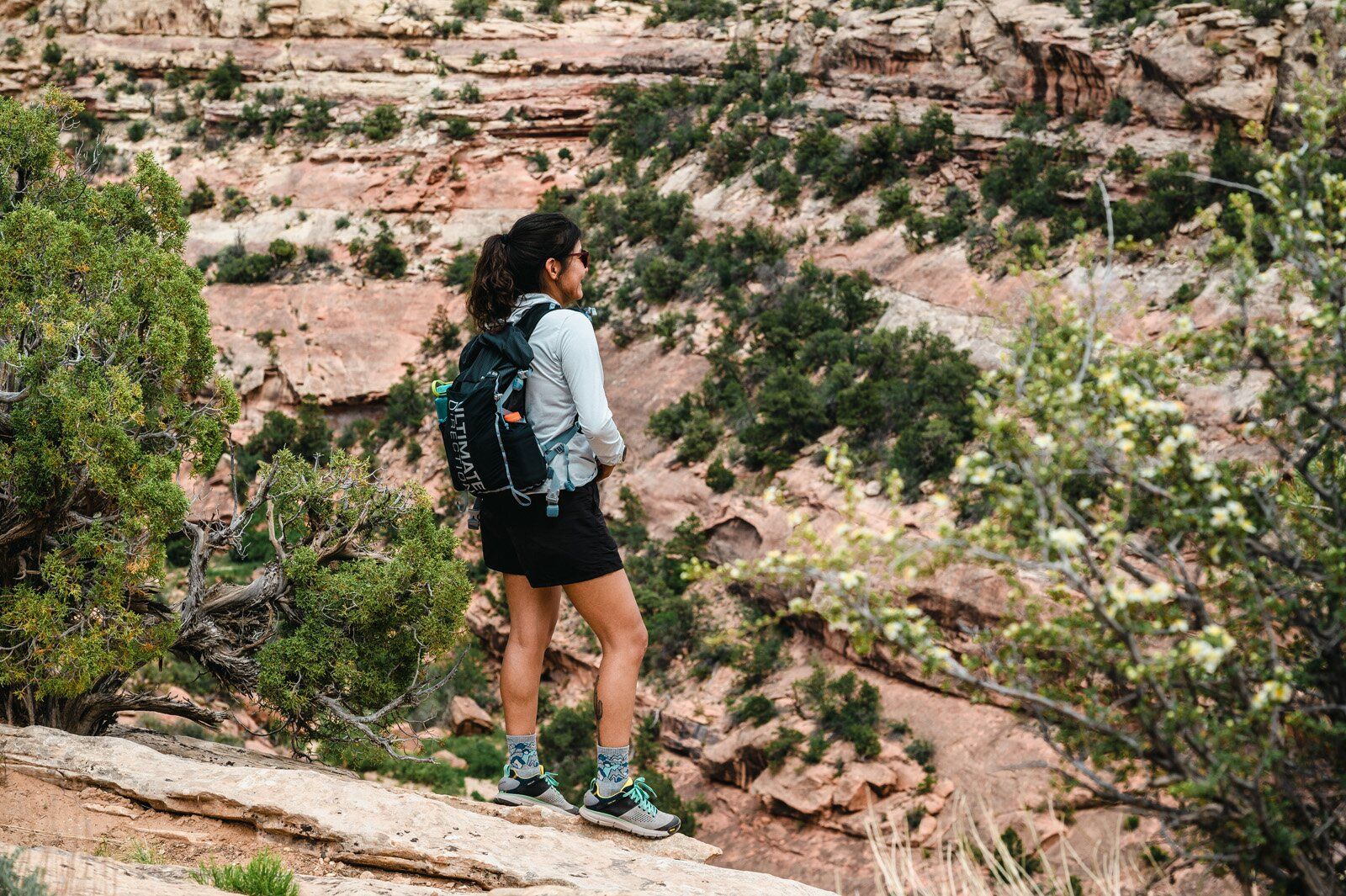
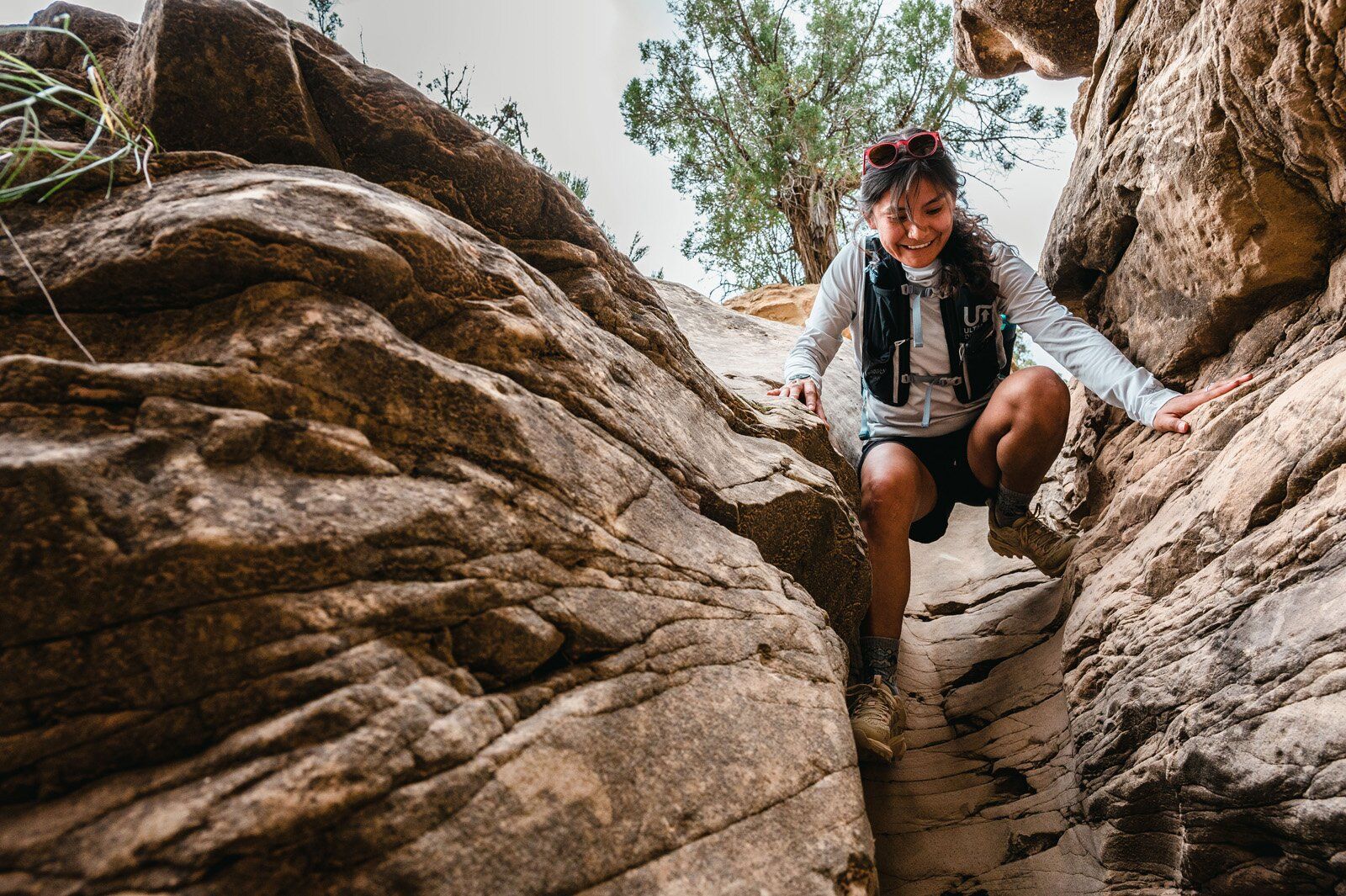
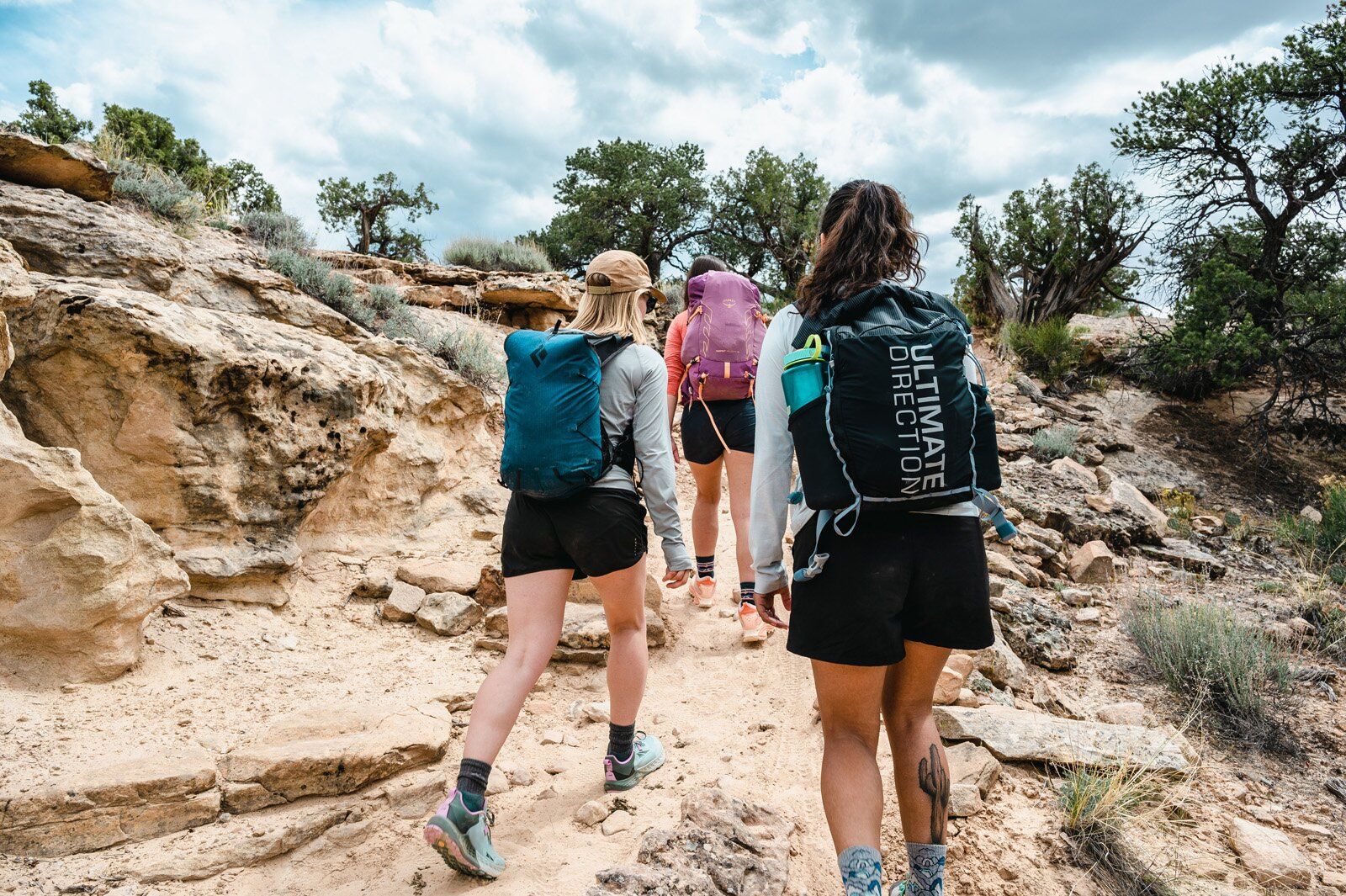
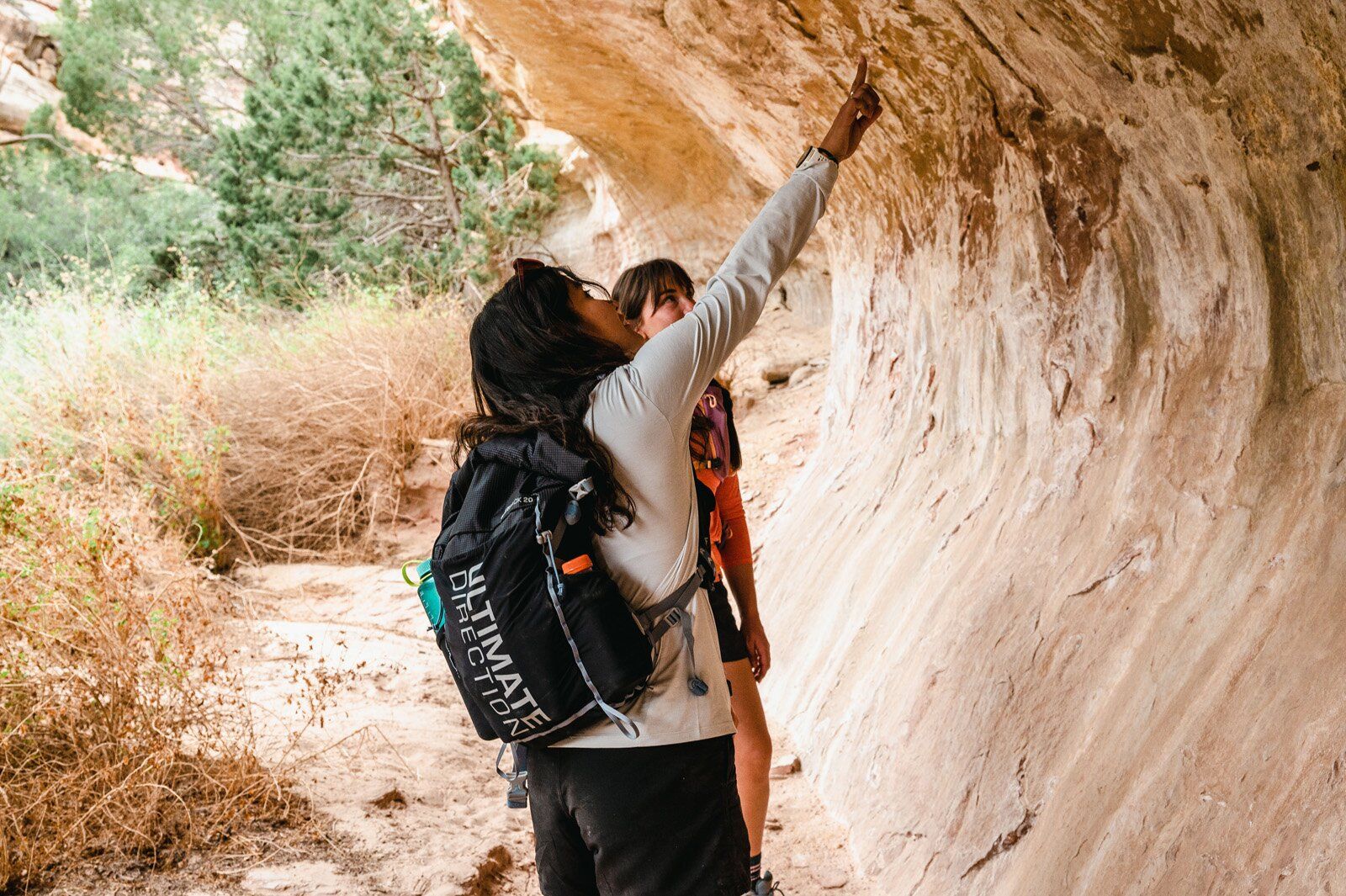


Despite the Fastpack 20’s specialized look, this pack can do almost anything. Add in its extremely reasonable price point, and you get one of our favorite overall models in this review. It does have some storage foibles, though.
Comfort & Support
Organization
Weight
Durability
Water Resistance
Sustainability
Weight
1 lb. 4.8 oz.
Capacity
20L (30, 40L)
Hipbelt
Webbing
Suspension
Frameless
Pros
Cons
At first glance, the Fastpack 20 seems purpose-built for one thing: covering long distances fast. And yet, this trail running-inspired pack—with its svelte main compartment and vest-style harness—has proven surprisingly versatile. We’ve used it to carry climbing gear on crag approaches, taken it on hikes, and even recommended it for light trail running if you want to move quickly on flats and downhills. Despite lacking a suspension, its plush foam backpanel, wide shoulder straps, and hipbelt make it comfortable up to 15-20 pounds—enough for everything you need for a long day hike. It’s clear that this is much more than just a minimalist speed pack.
Thankfully, the Fastpack takes another cue from running vests: smart organization. The chest harness features three tiers of drop pockets—ideal for soft flasks, a phone, and snacks. While the bisected middle pockets aren’t the easiest to access, the harness layout is otherwise excellent. The backside features a shove-it pocket, the main compartment includes a side-access zipper (a welcome alternative to digging through the roll-top closure), and dual side pockets handle water bottles with ease. While none of these features are groundbreaking, they’re impressive for a pack that costs much less than its competition.
Durability is so-so, with thin fabrics requiring a little extra caution around abrasive rock and rough gear. In addition, our tester noted that the buckles look and feel brittle. (She broke one but was able to replace it easily.) Handle it with care, and the Fastpack is a fantastic option for staying fueled, hydrated, and comfortable—whether you’re on a casual forest stroll or pushing your trail running shoes to the limit. For more, read our review of the Fastpack 20.
Hyperlite’s Dyneema backpacking packs are beloved in the ultralight community, and the Elevate unites the key elements of those designs in a daypack. This model’s weight and durability are unparalleled, but it’s not very supportive or pocket-laden.
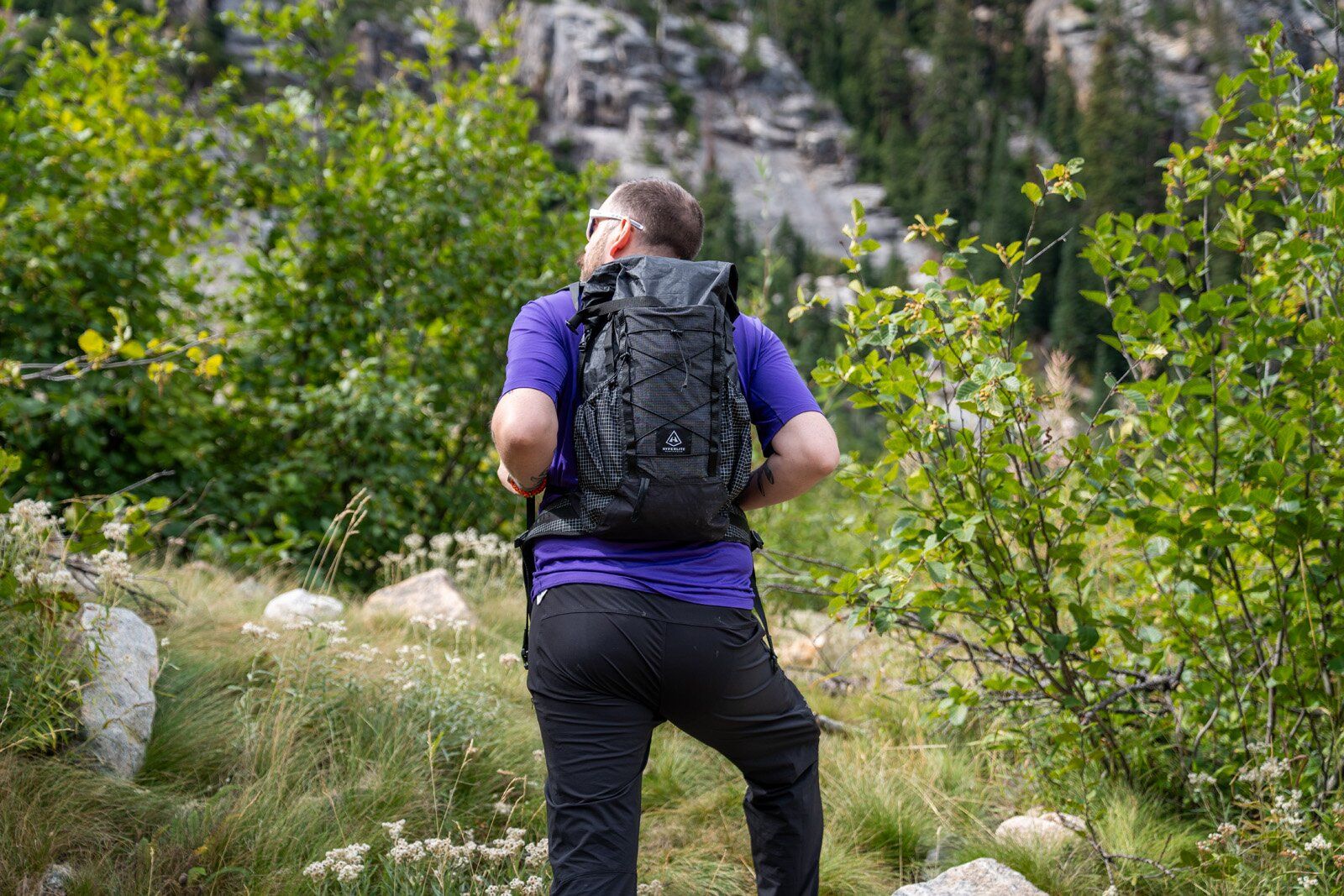
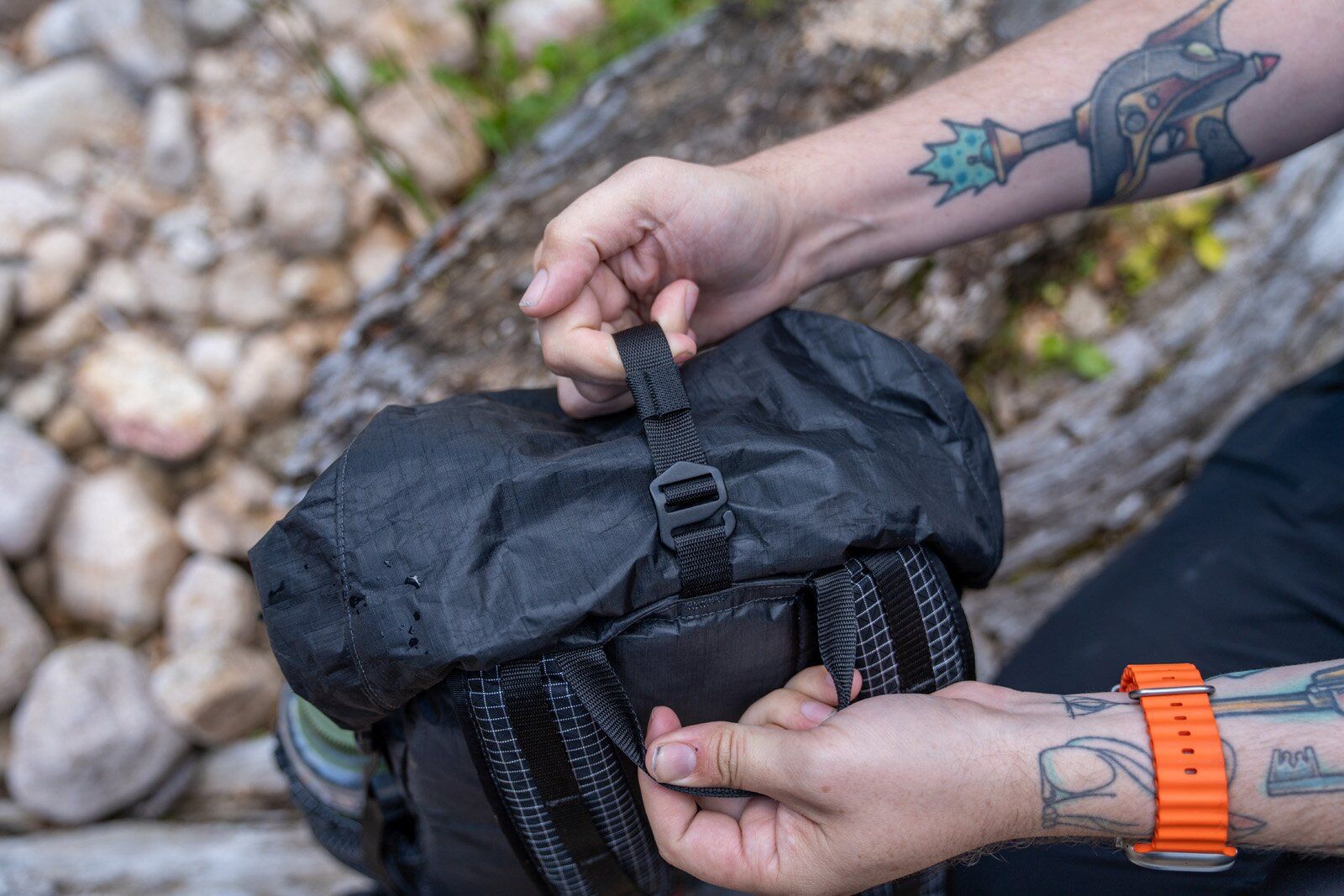
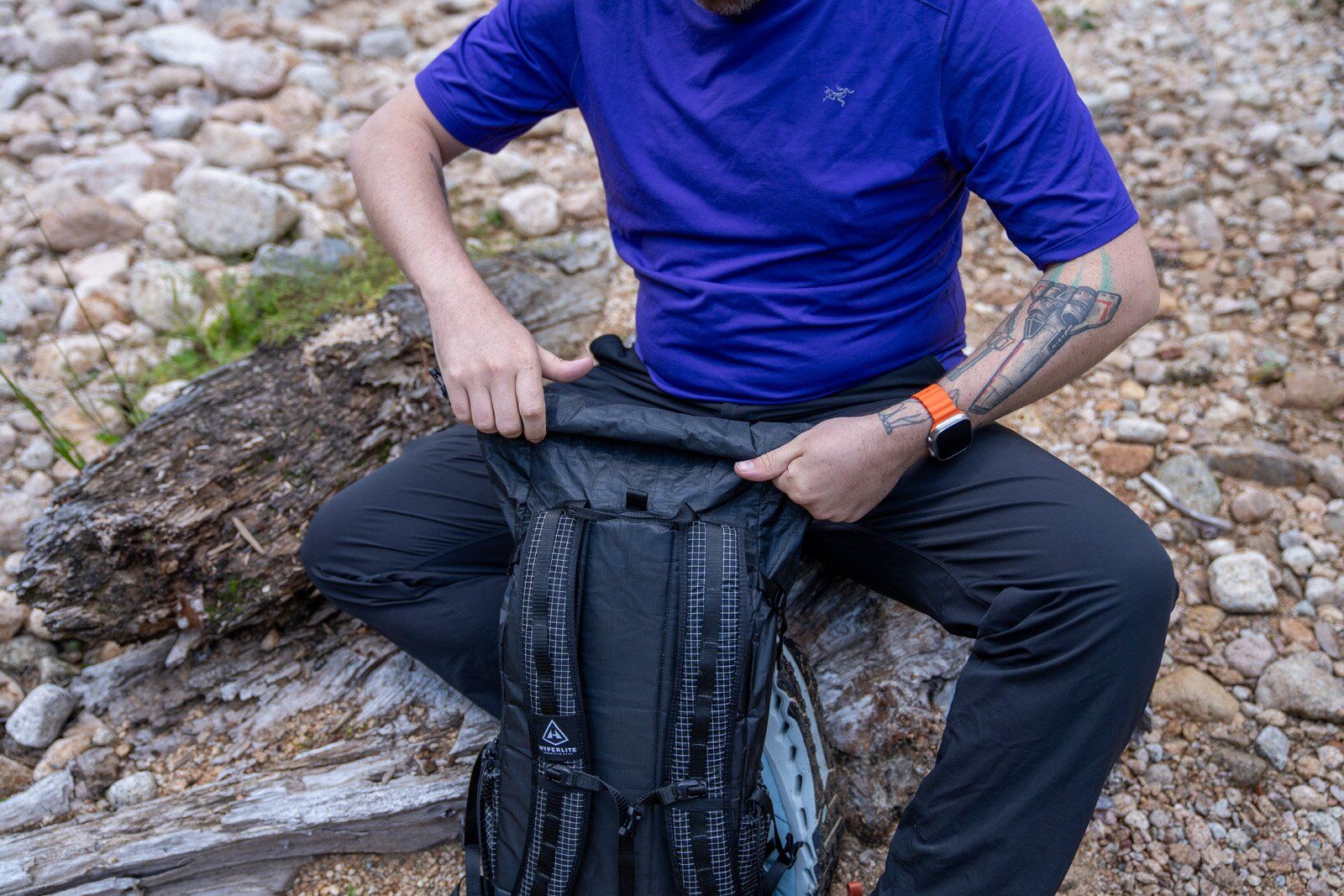
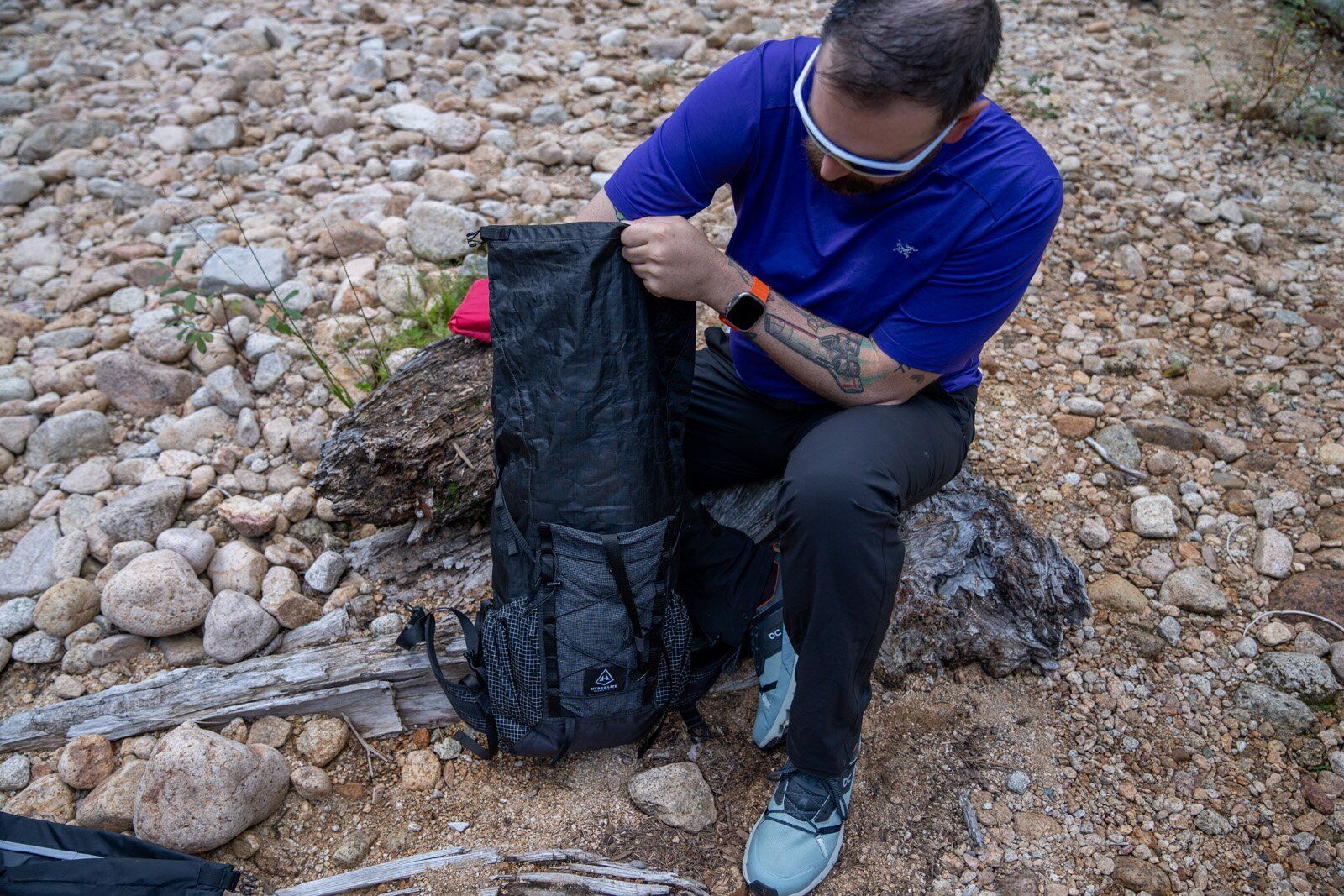
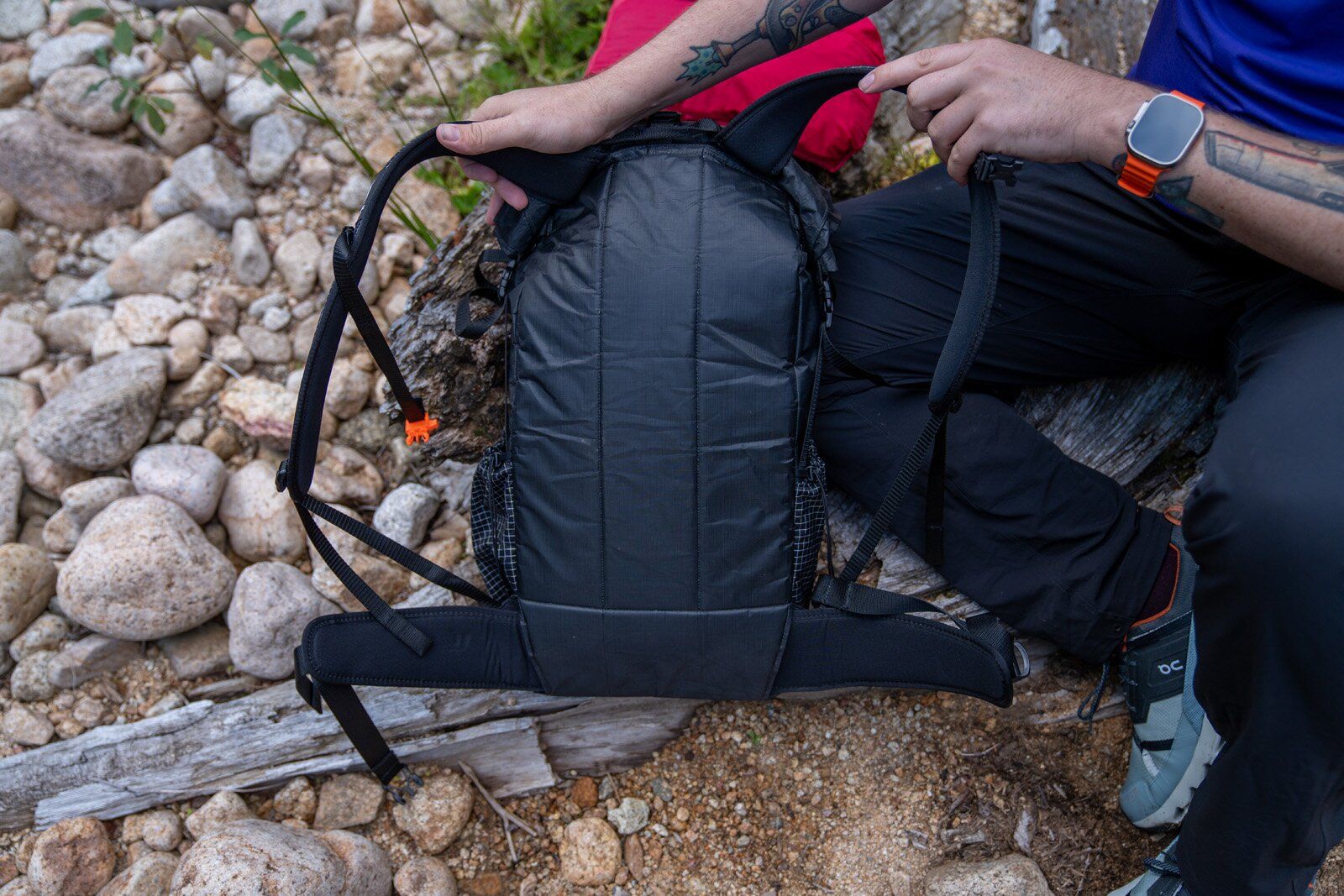
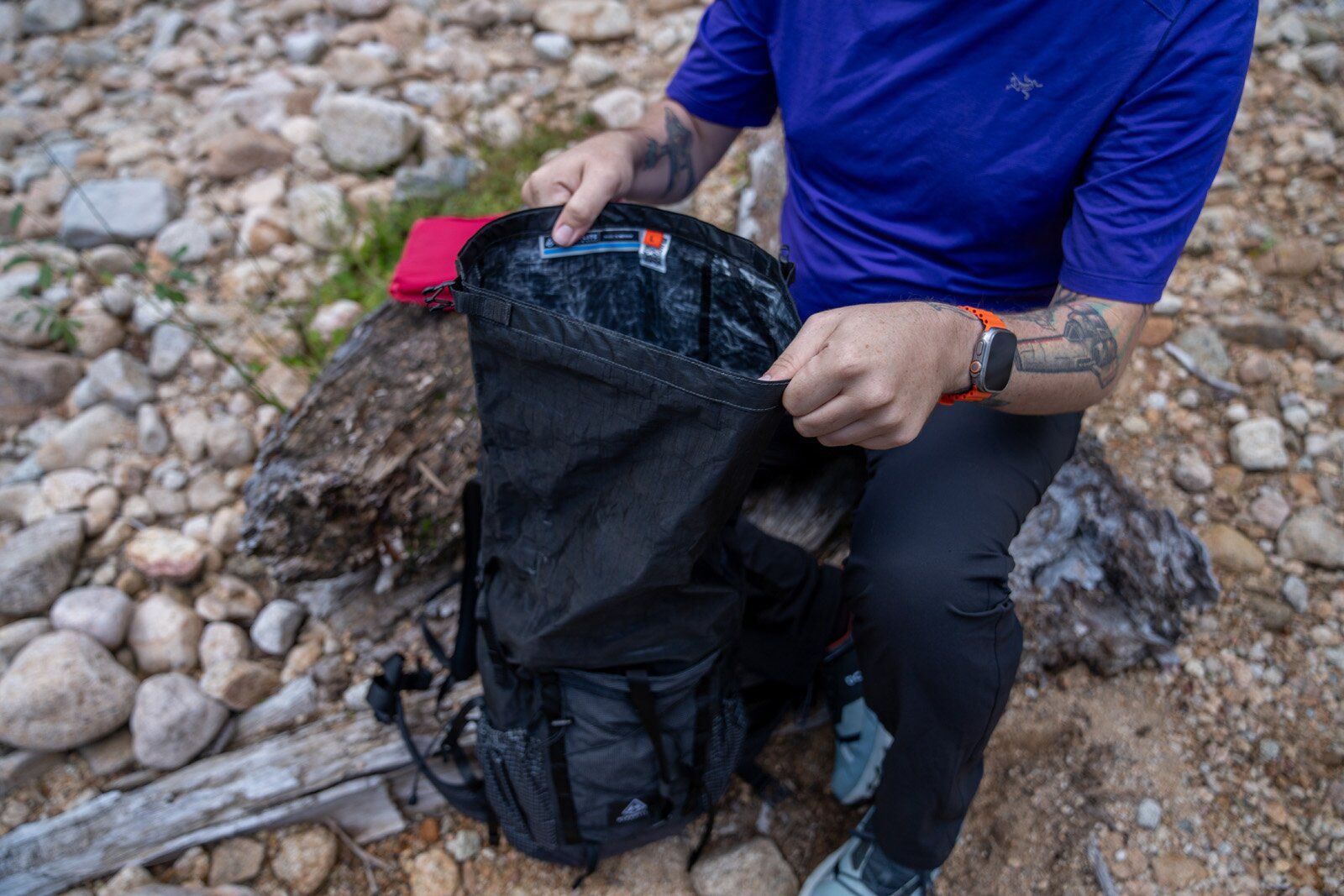
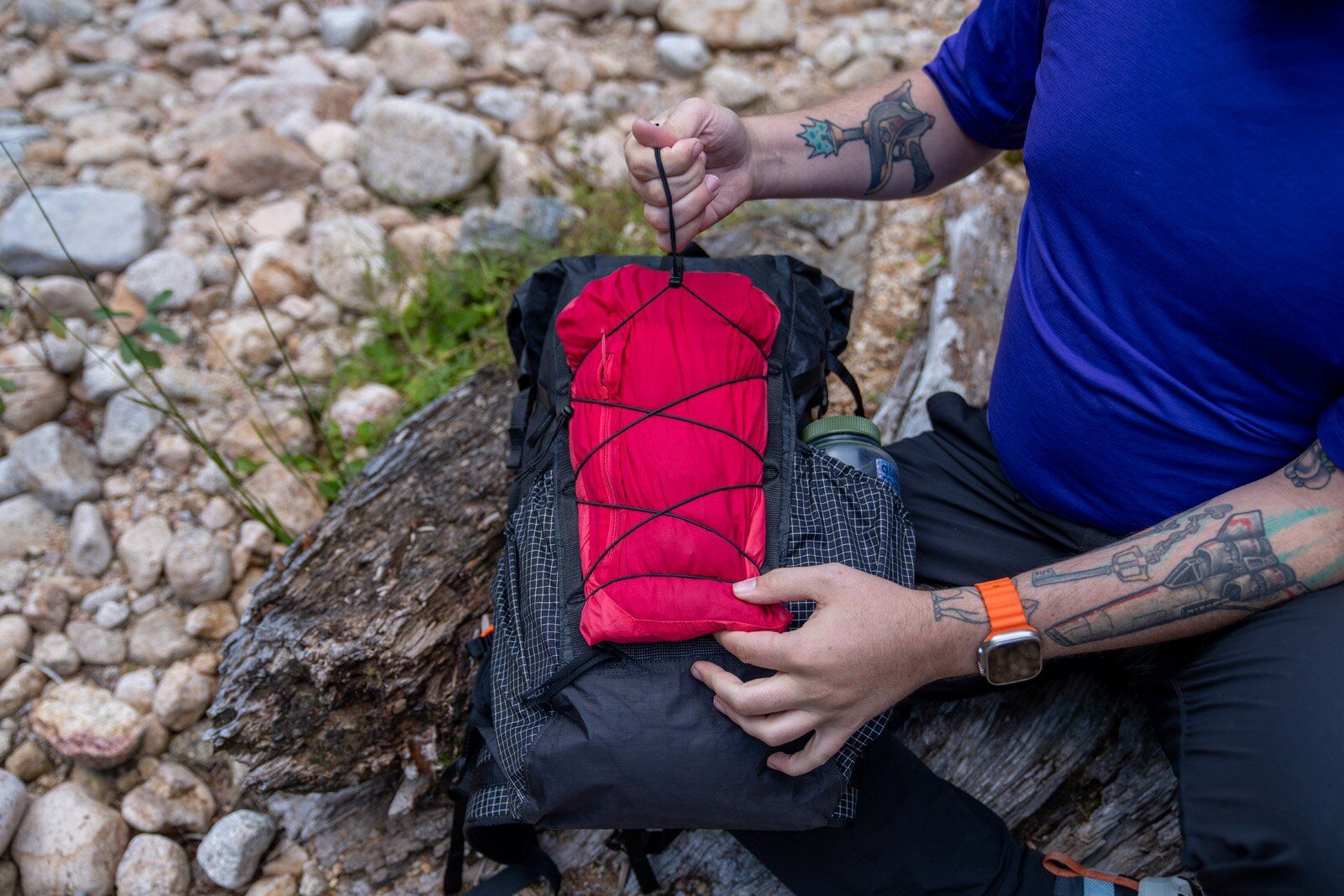
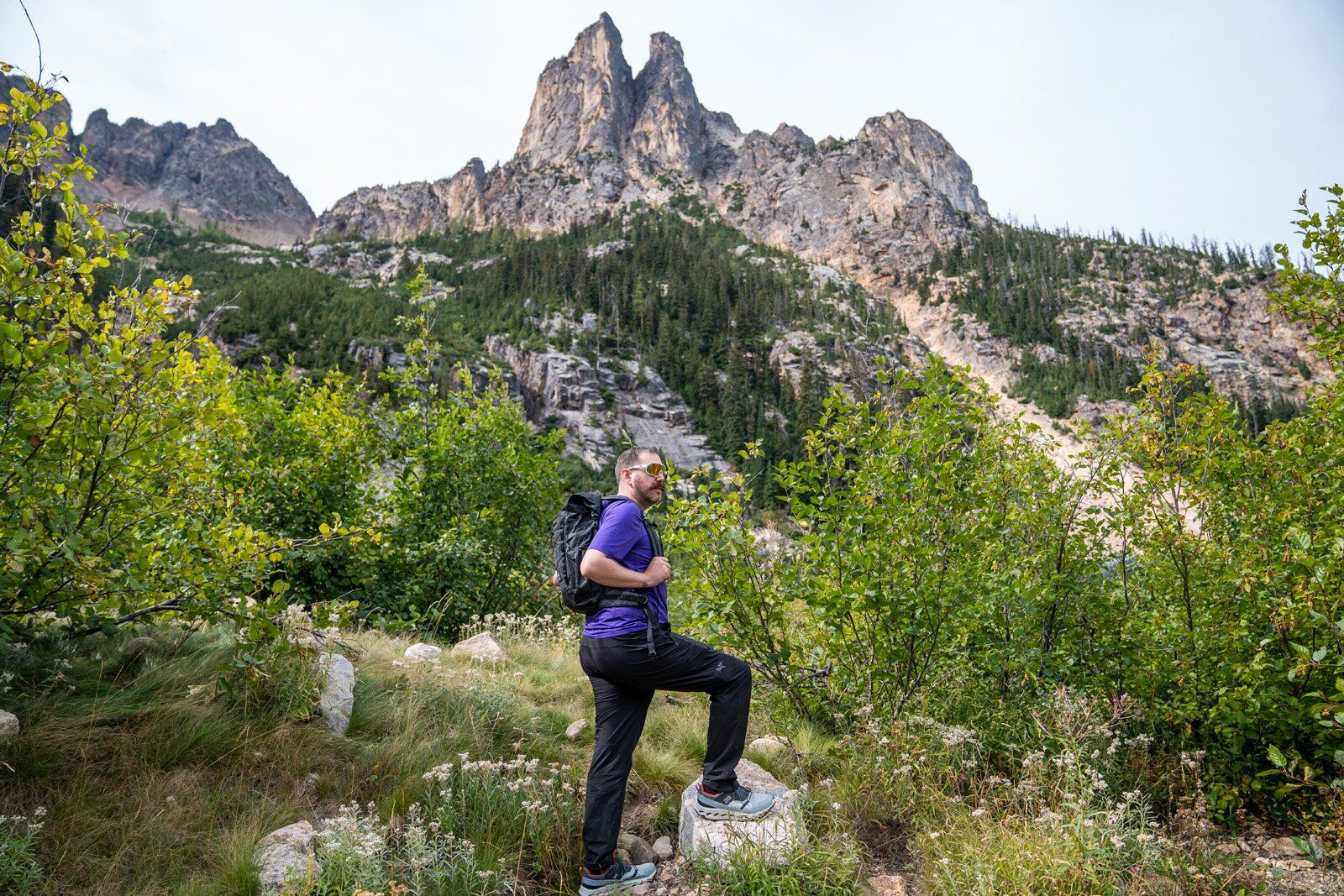
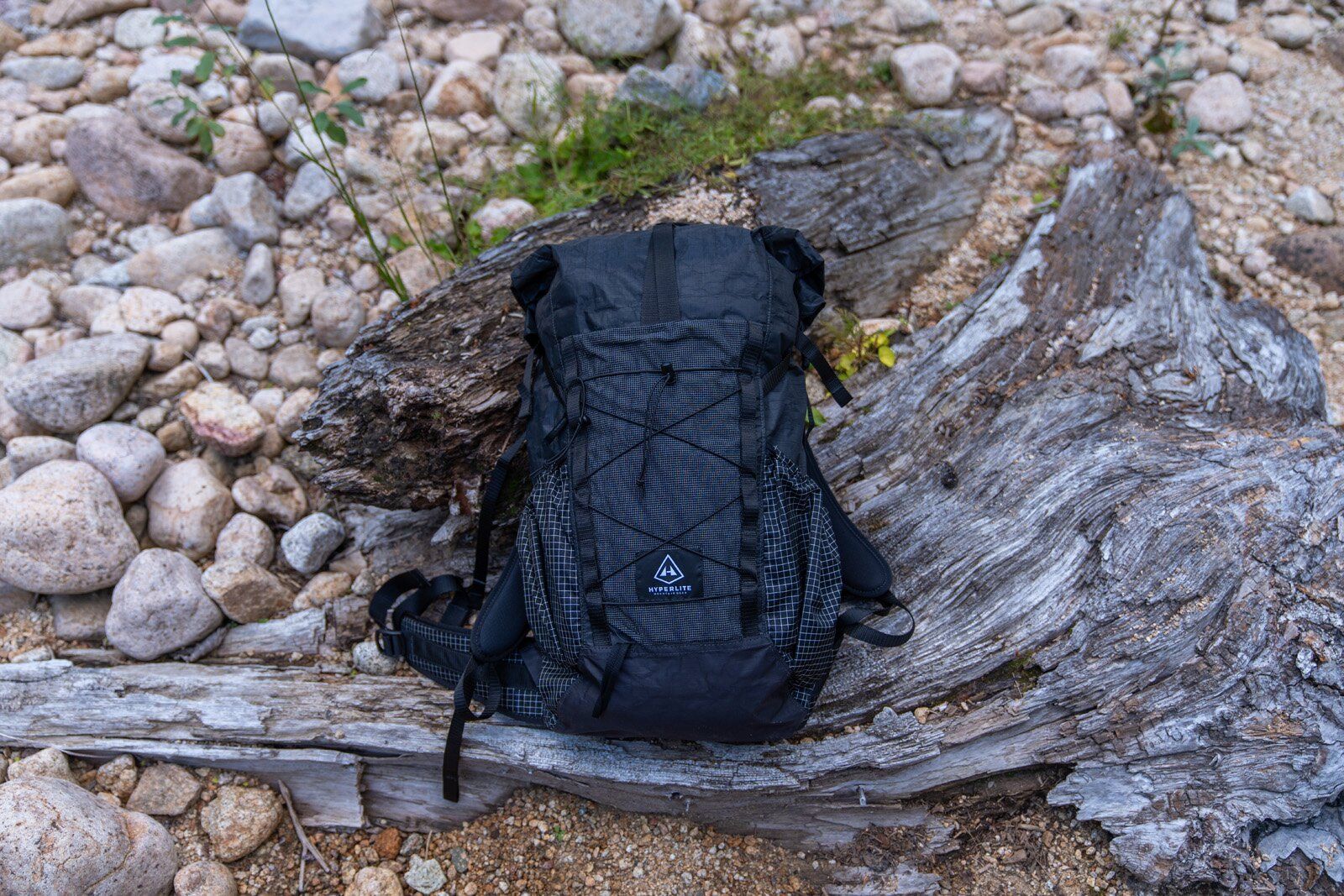
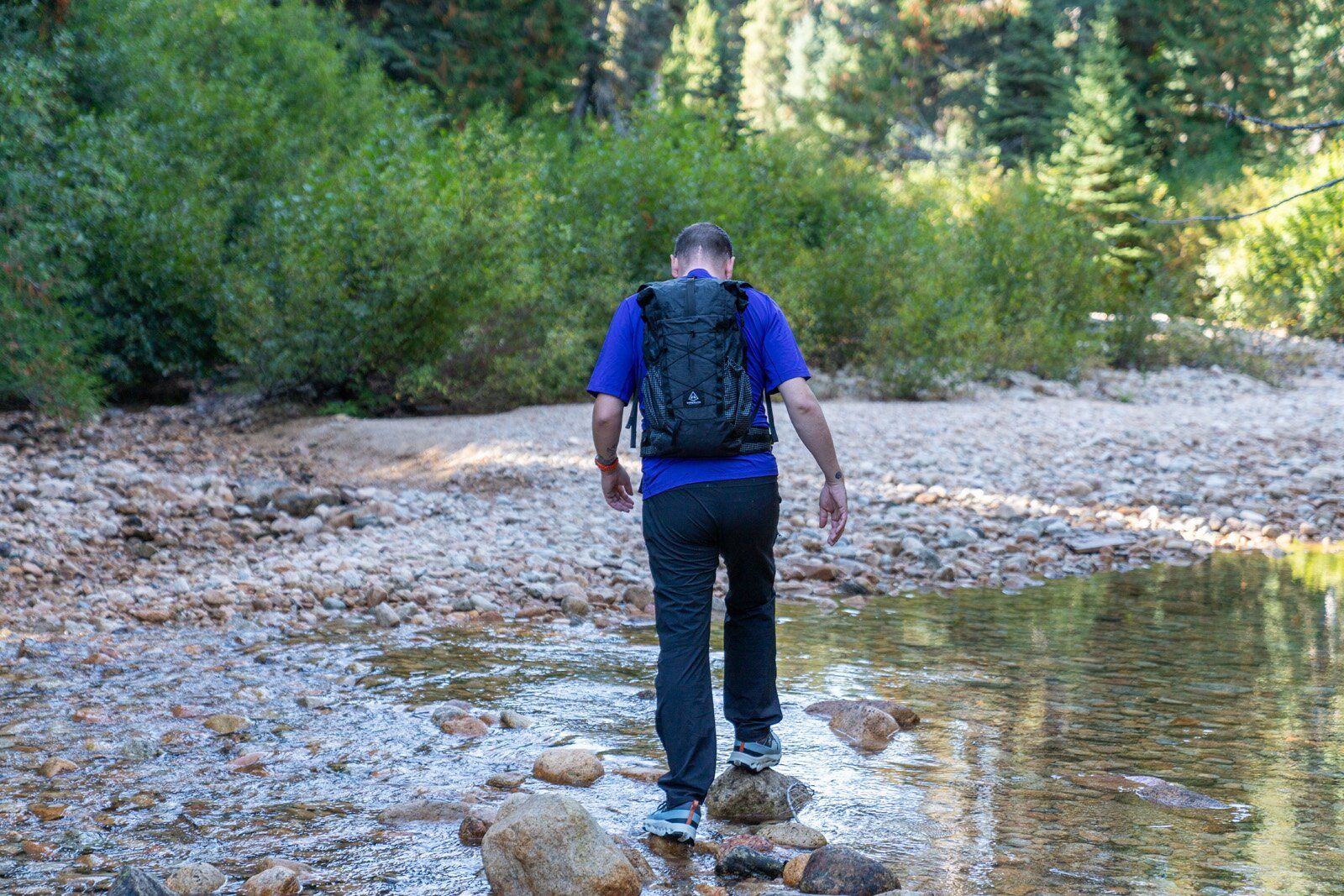
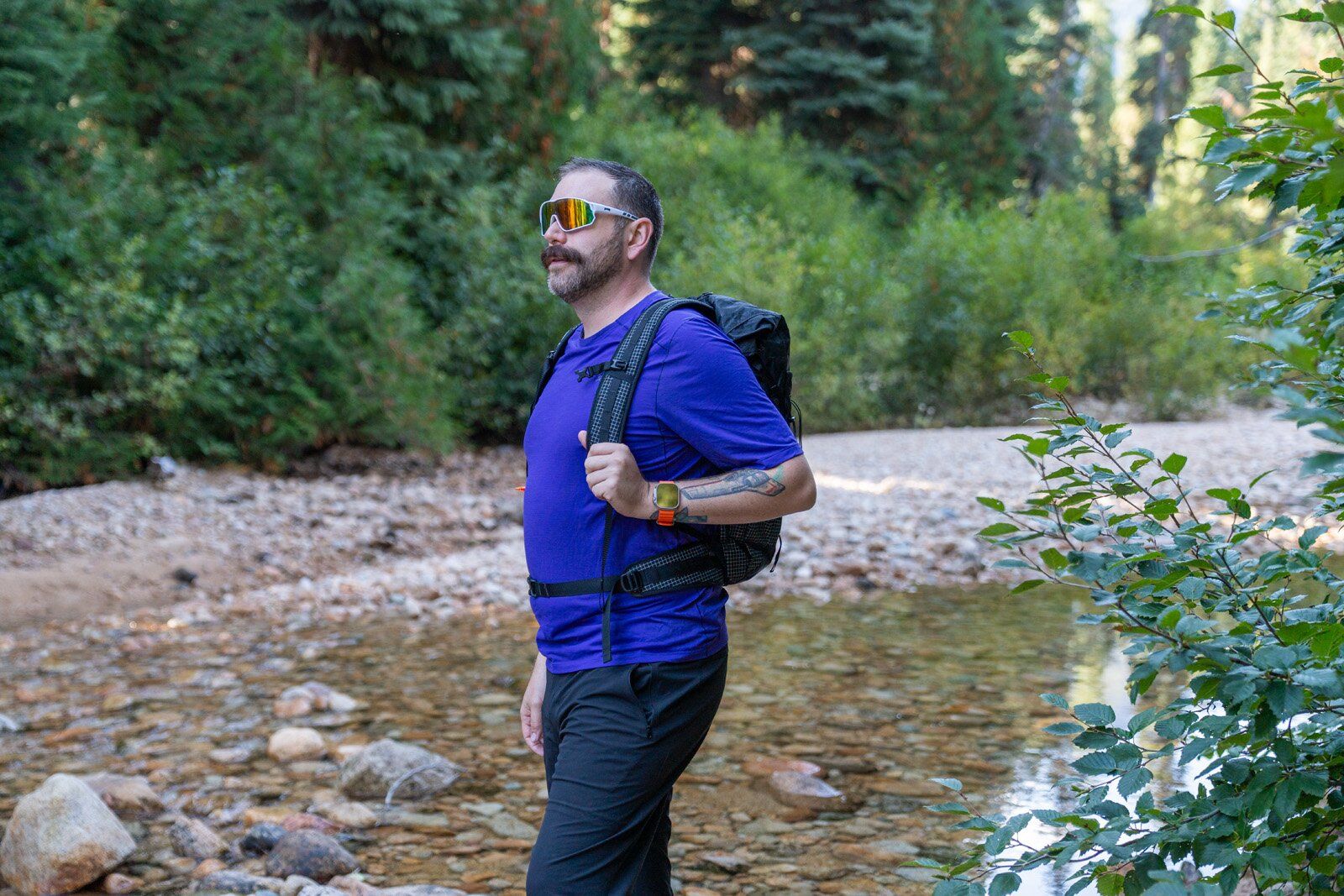
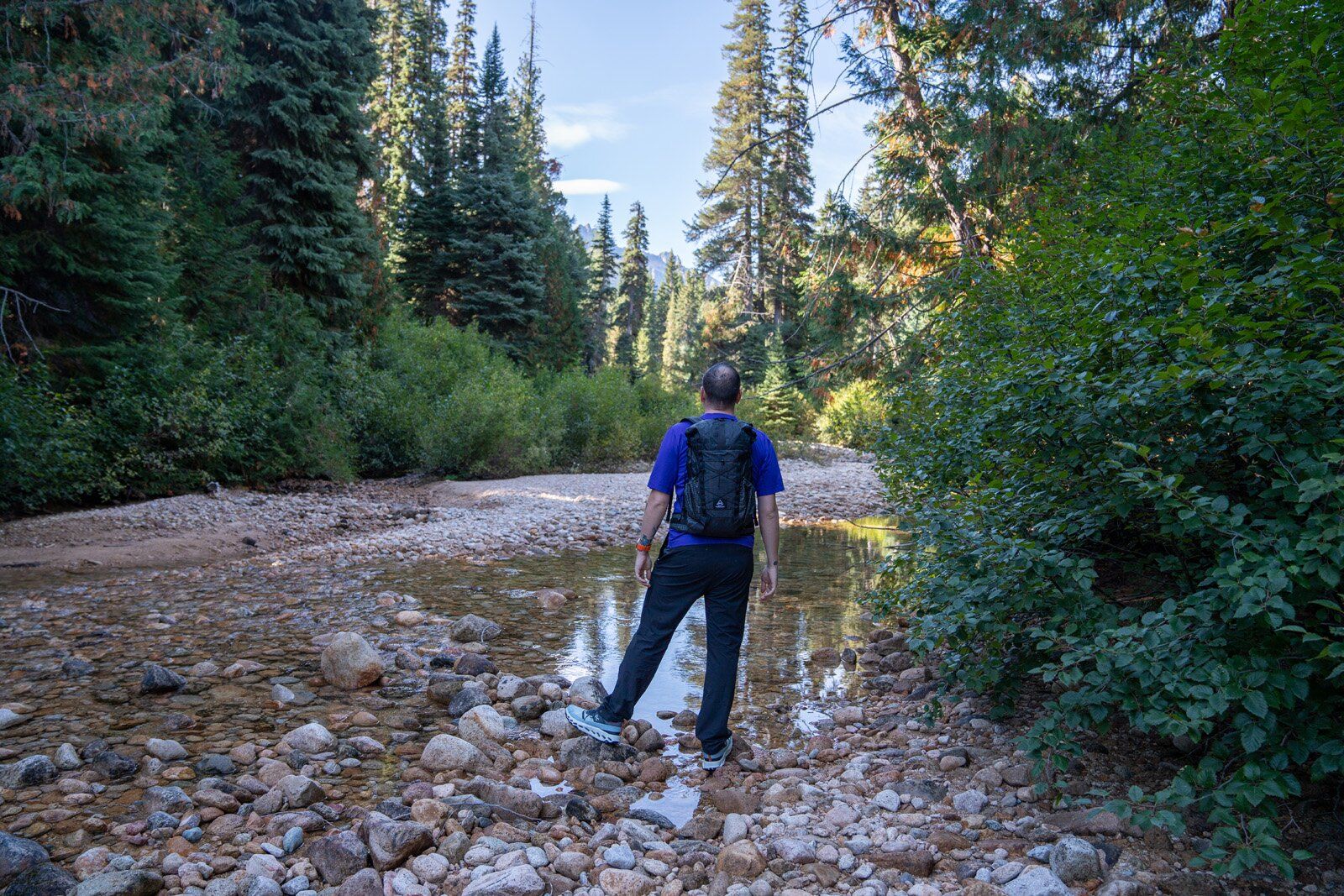
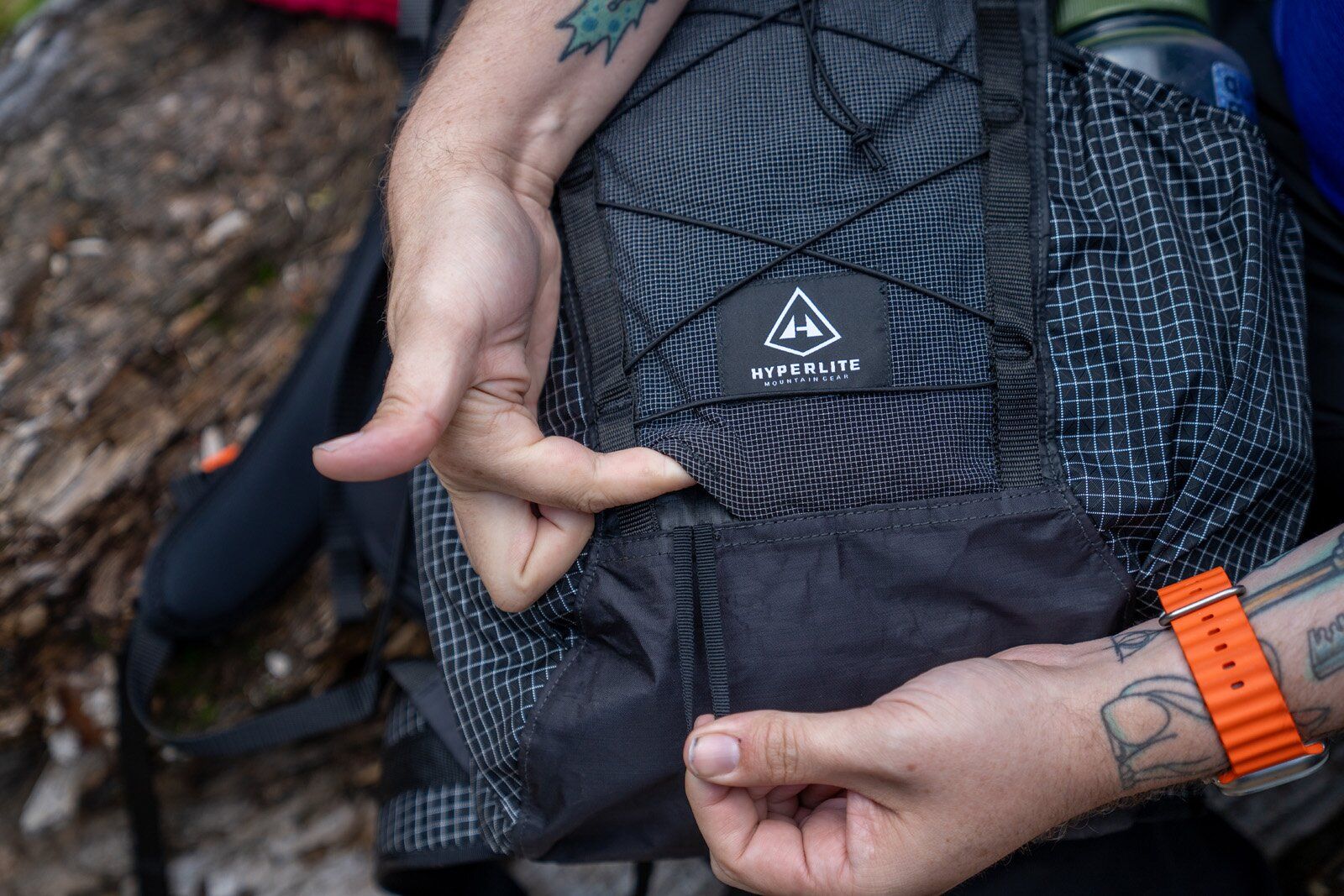
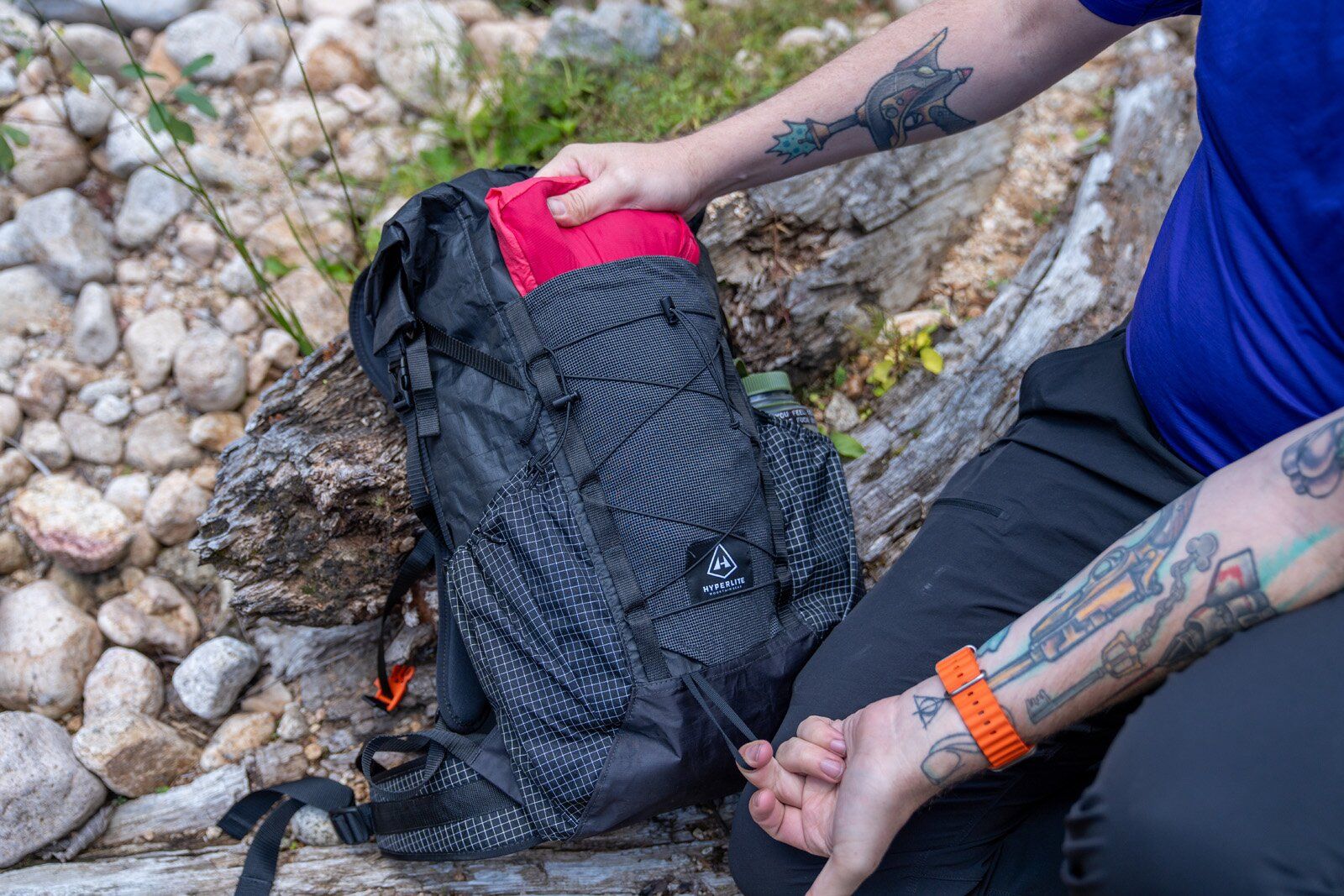
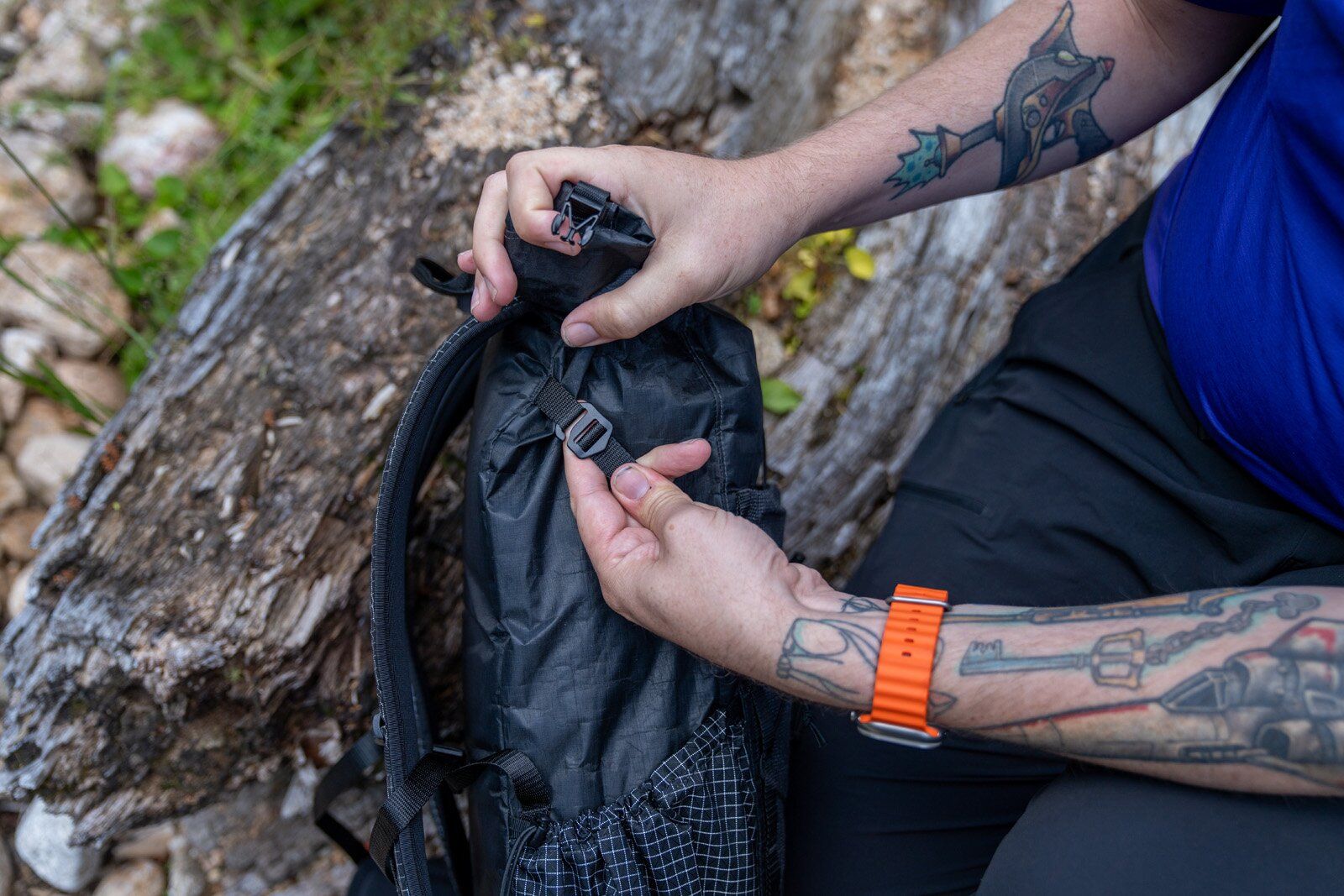
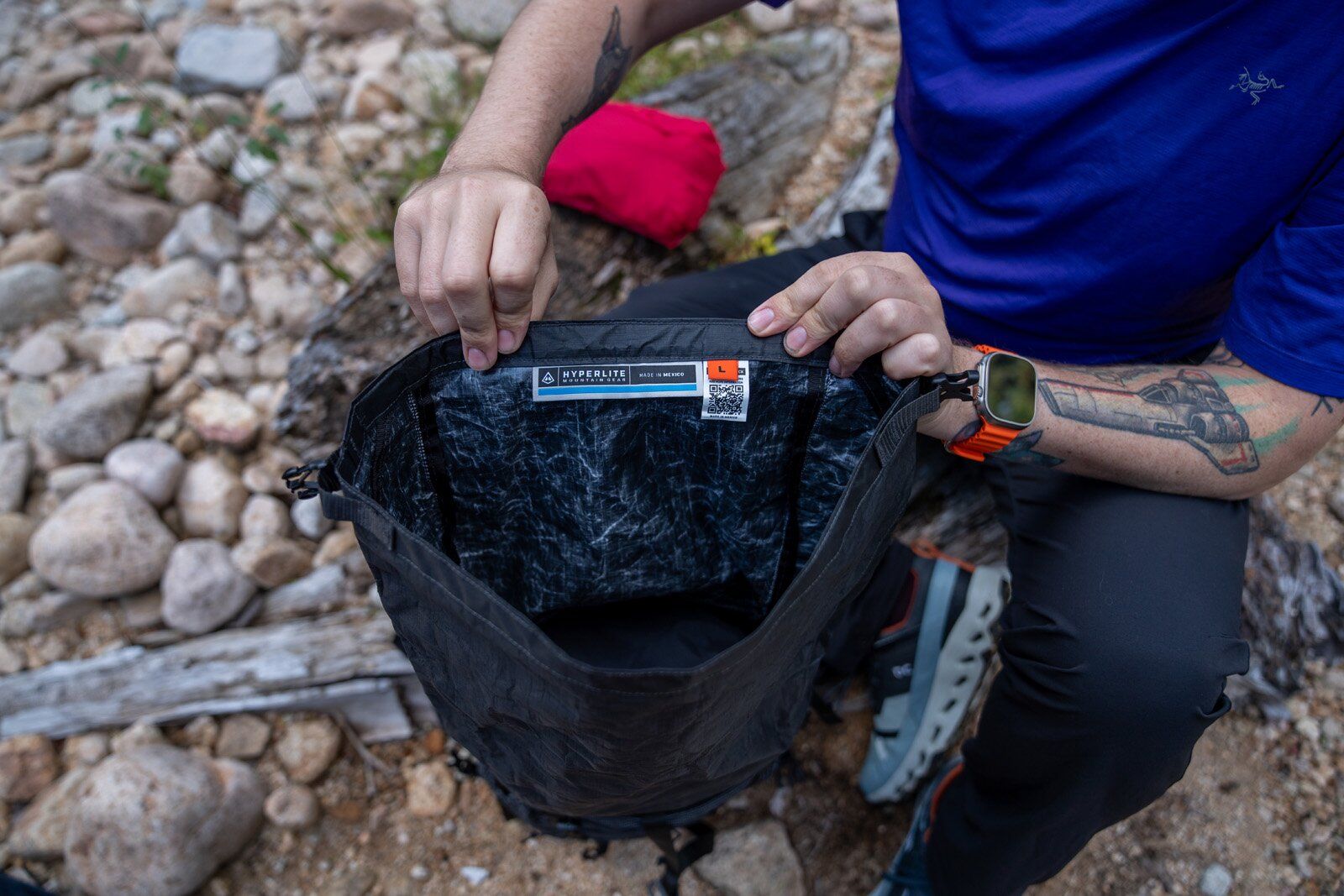
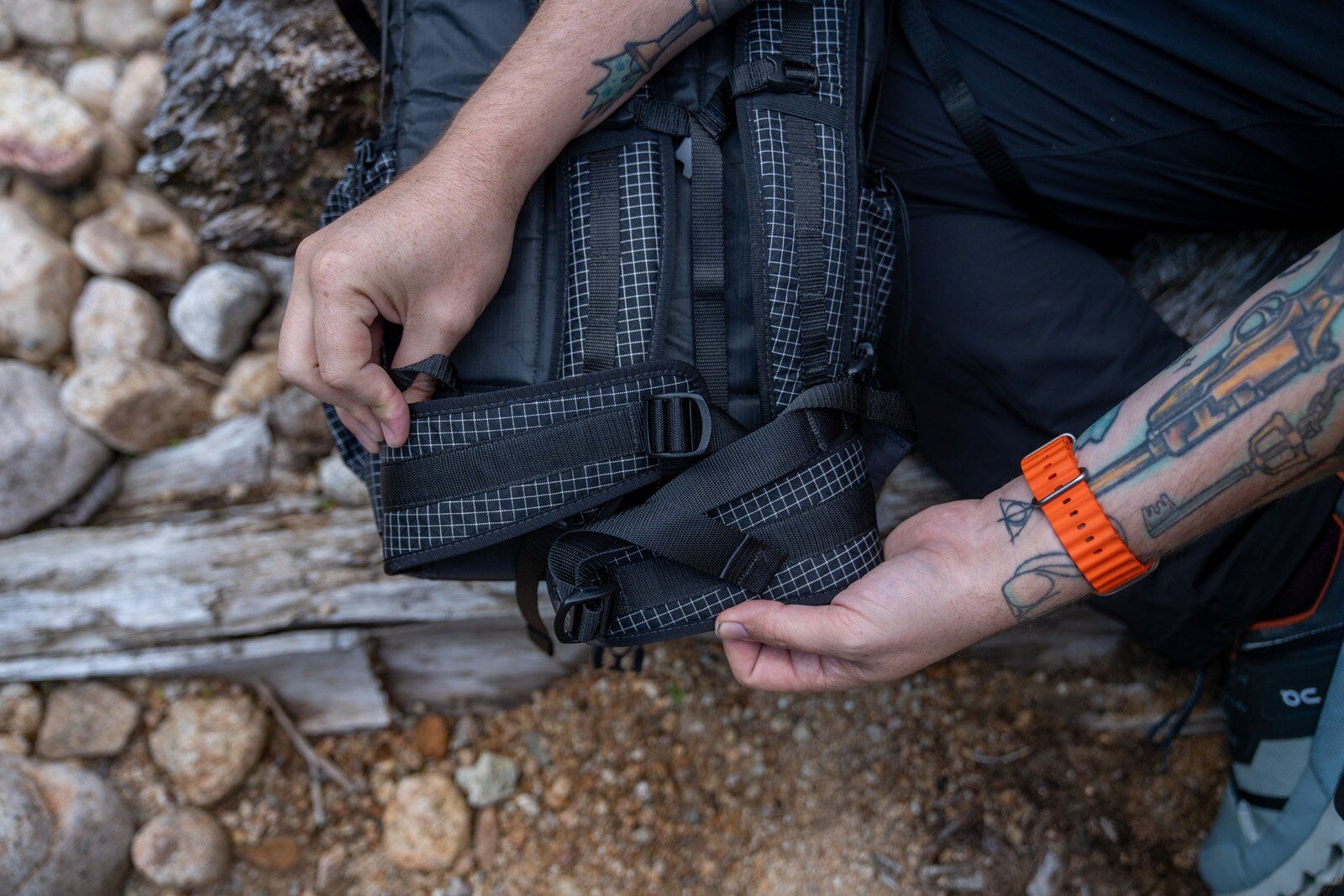
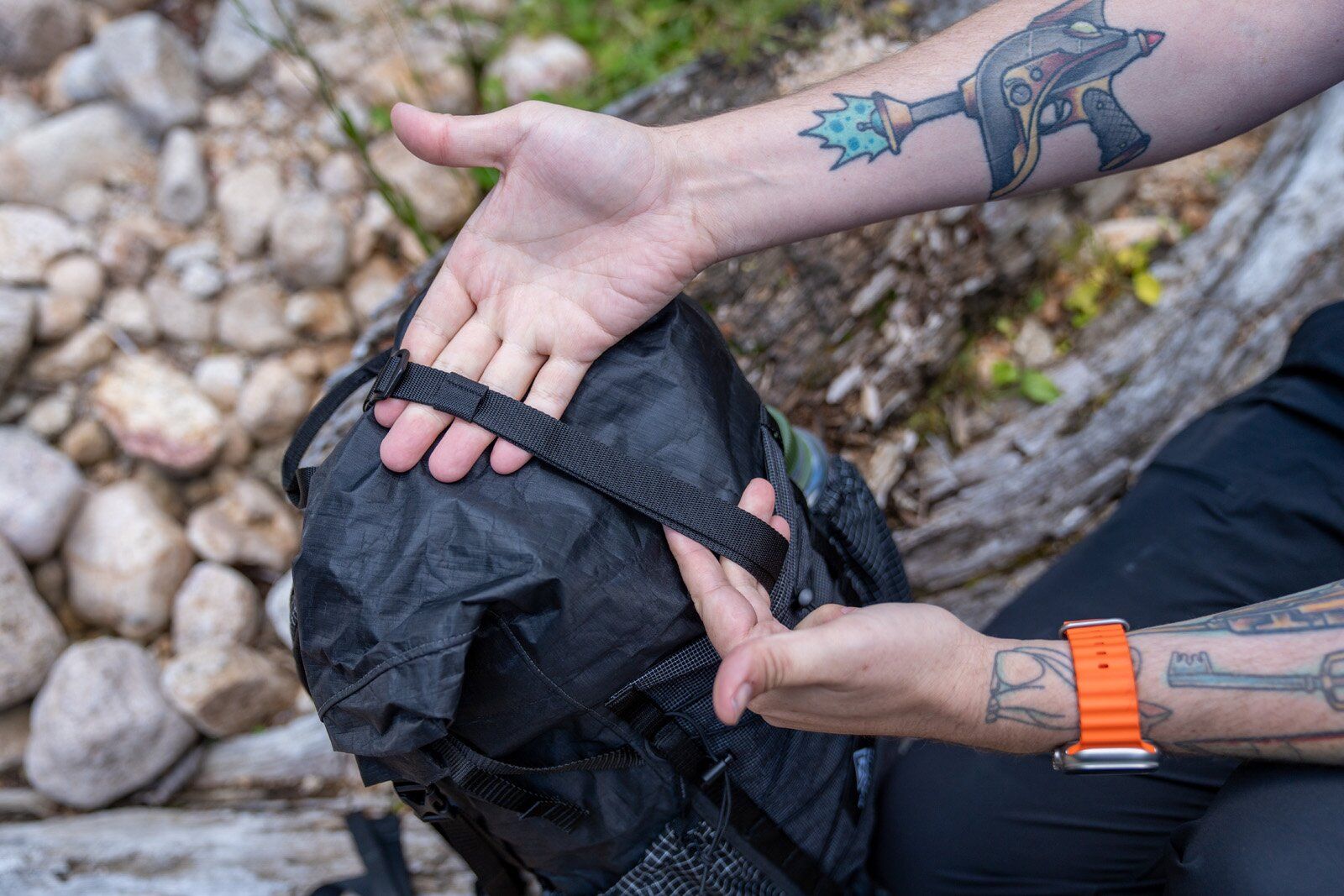
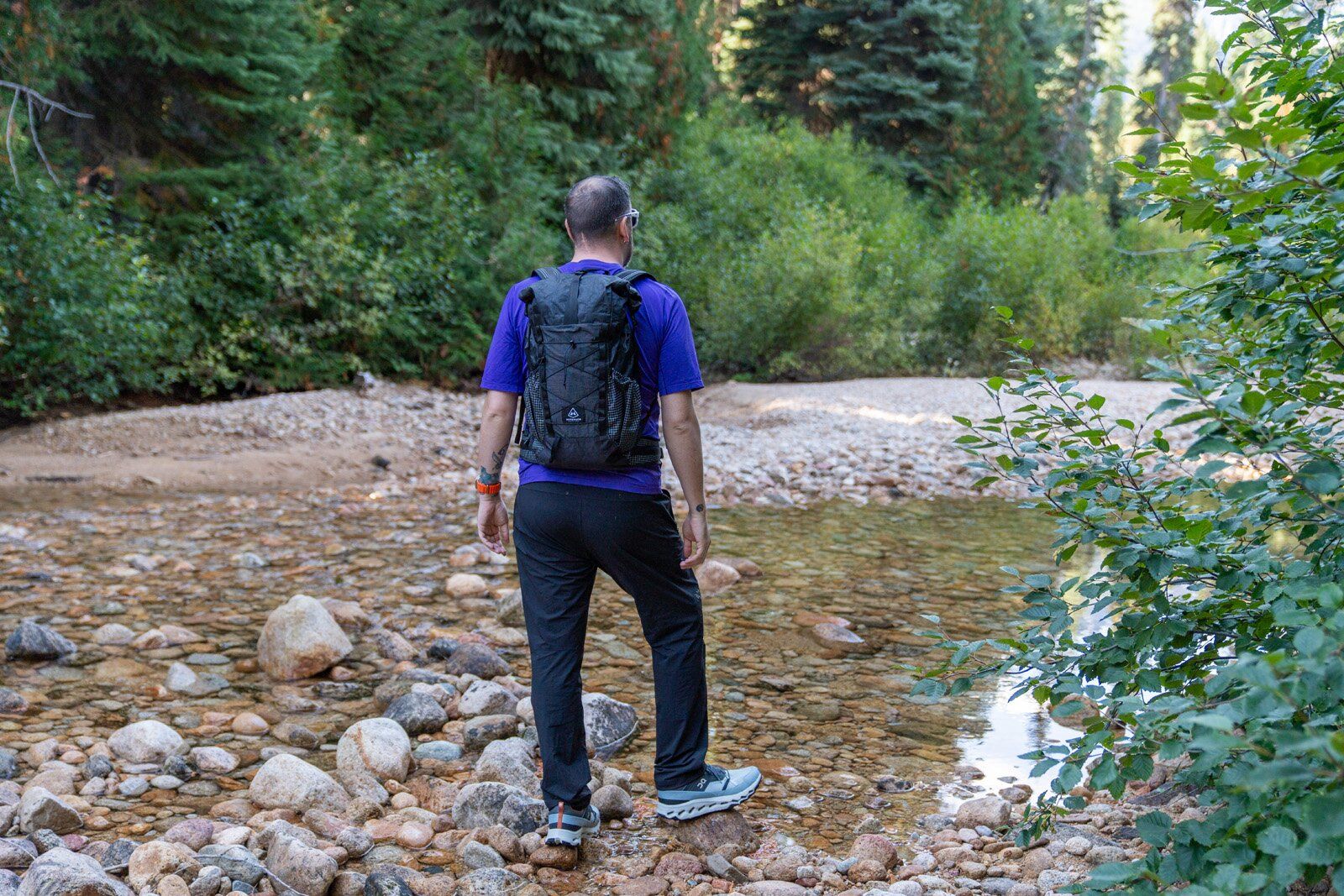
Hyperlite’s Dyneema backpacking packs are beloved in the ultralight community, and the Elevate unites the key elements of those designs in a daypack. This model’s weight and durability are unparalleled, but it’s not very supportive or pocket-laden.
Comfort & Support
Organization
Weight
Durability
Water Resistance
Sustainability
Weight
1 lb. 1.7 oz.
Capacity
22L
Hipbelt
Padded
Suspension
Frameless
Pros
Cons
Hyperlite has become virtually synonymous with Dyneema, so it’s no surprise that even the company’s medium-sized daypack is built from the ultralight yet nearly indestructible material. Much of the Elevate 22’s appeal comes down to this fabric—it can survive just about anything you throw at it while weighing just over a pound. Our tester, who has years of experience with Hyperlite packs, confirmed that the Elevate’s construction—from its fabric to its pockets and buckles—meets the high quality Hyperlite is known for. If you’re hard on your gear but want to avoid the bulk of a burly nylon pack, the Elevate just might be worth its sky-high price.
Of course, a featherweight design comes with trade-offs. With no real suspension system and only minimal shoulder strap padding, we felt some discomfort even with a 12-pound load. Like Hyperlite’s backpacking packs, you’ll want to keep your loadout light and compact—which the Elevate’s sparse organization might encourage anyway. The lack of zippered hipbelt pockets, a top lid, or even an internal reservoir sleeve (though there is a bladder hook) keeps the pack simple but also limits storage options. Overloading it isn’t fun—but at least you won’t be tempted by too many compartments.
That said, the Elevate isn’t all about just weight savings. The external mesh pocket is great for drying damp gear or stashing quick-access items like a headlamp or maps, while the Dyneema side pockets hold water bottles securely. And, as with all Dyneema packs, the waterproof fabric is a major plus—keeping gear in the main compartment dry during surprise downpours. Overall, the Elevate 22’s ultralight design is highly functional for those prioritizing durability and waterproofing—just don’t expect it to win awards for comfort or features. For more, read our Hyperlite Elevate 22 review.

The Aerios is an interesting mishmash of a pack, featuring elements of a running vest paired with a supportive suspension and a large capacity. This pack is plenty comfortable, but its priorities are a bit confusing and it’s super expensive.
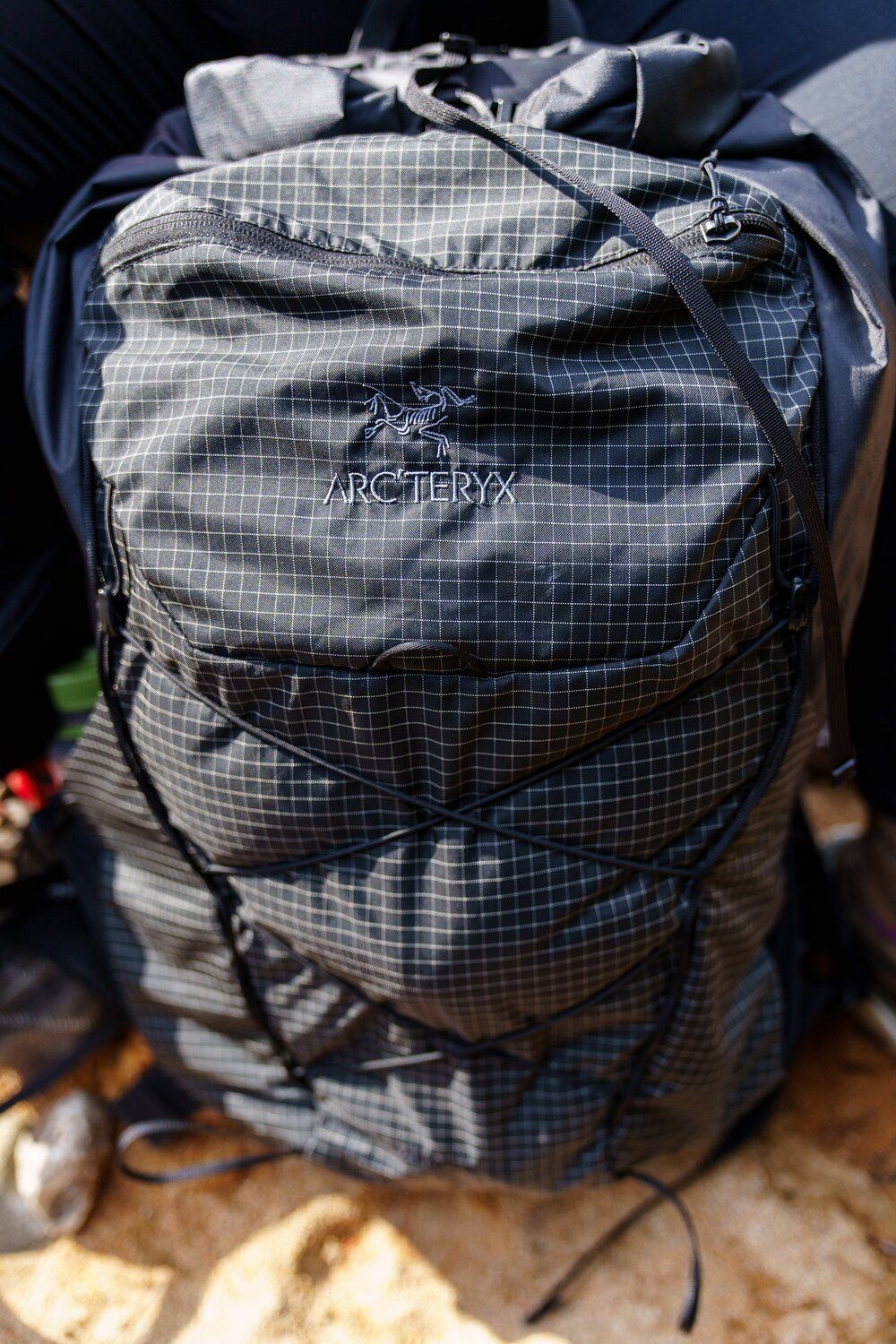
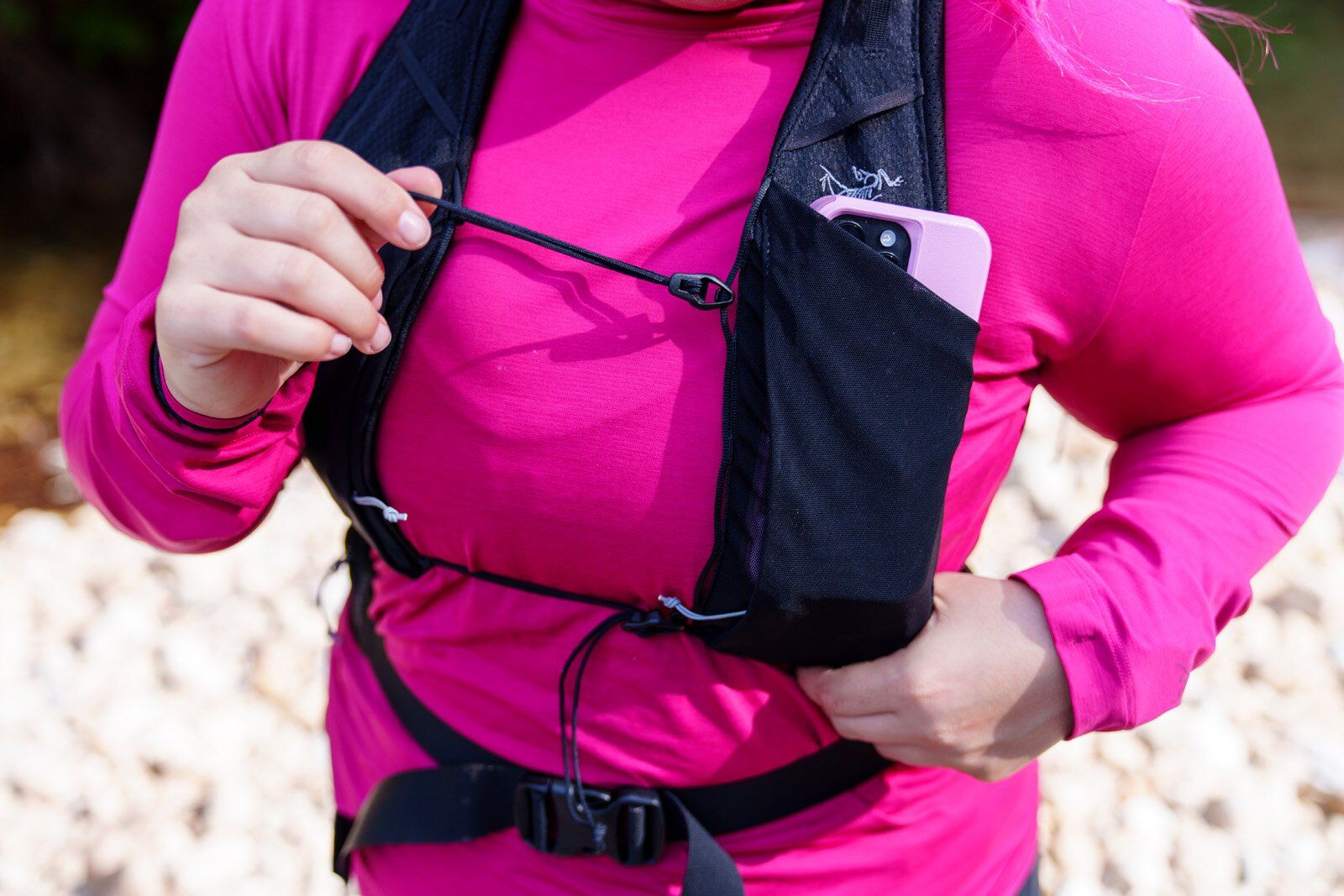
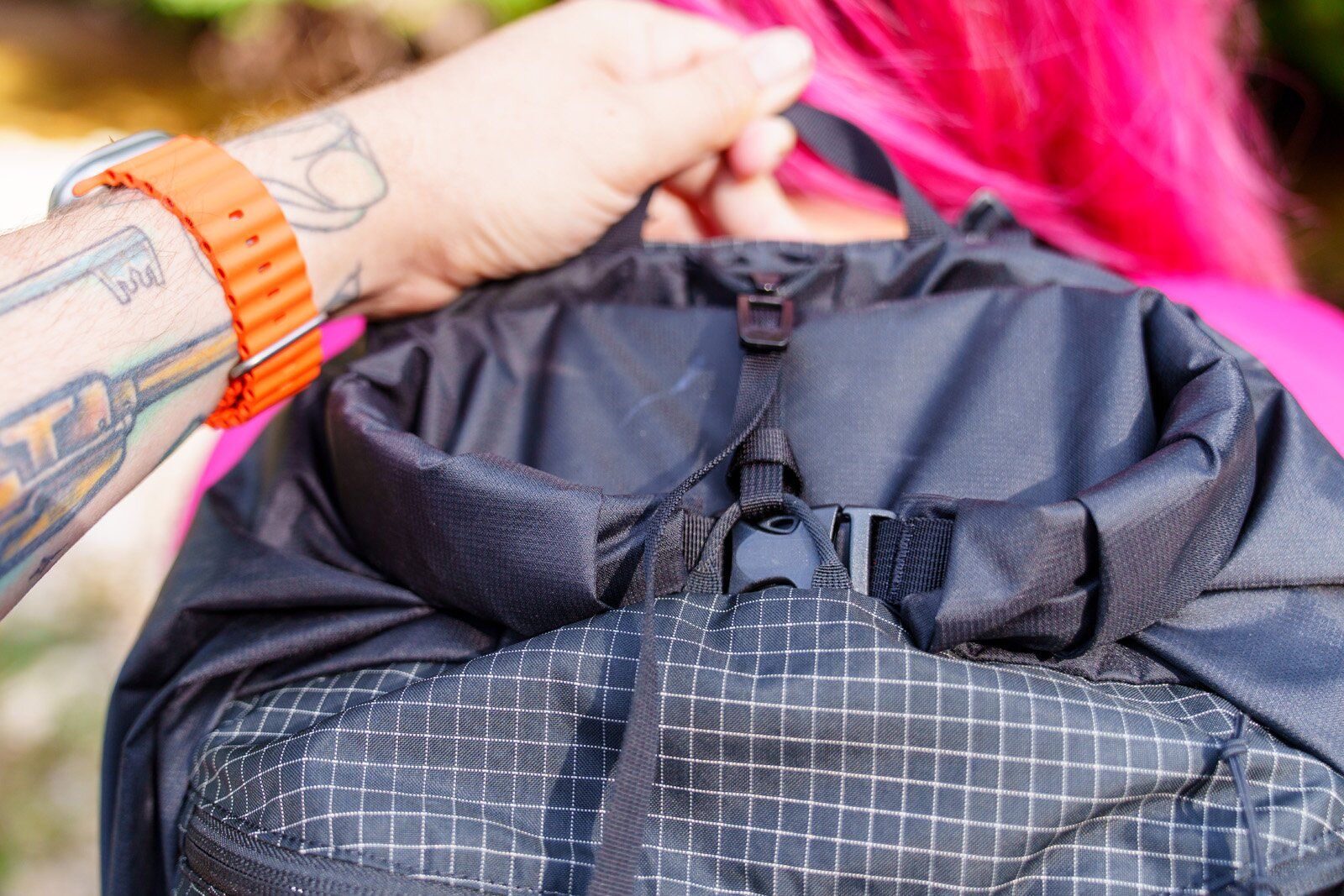
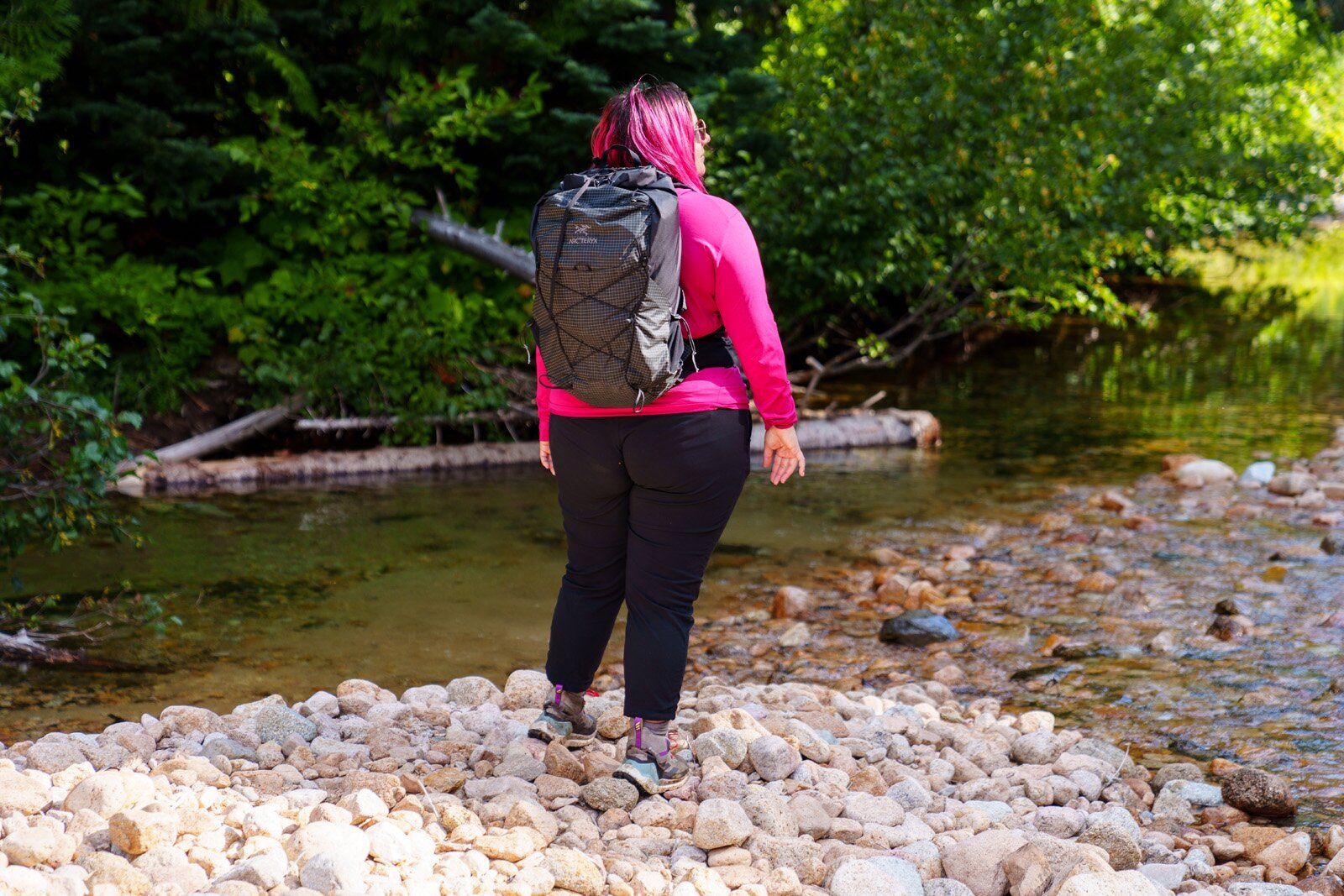
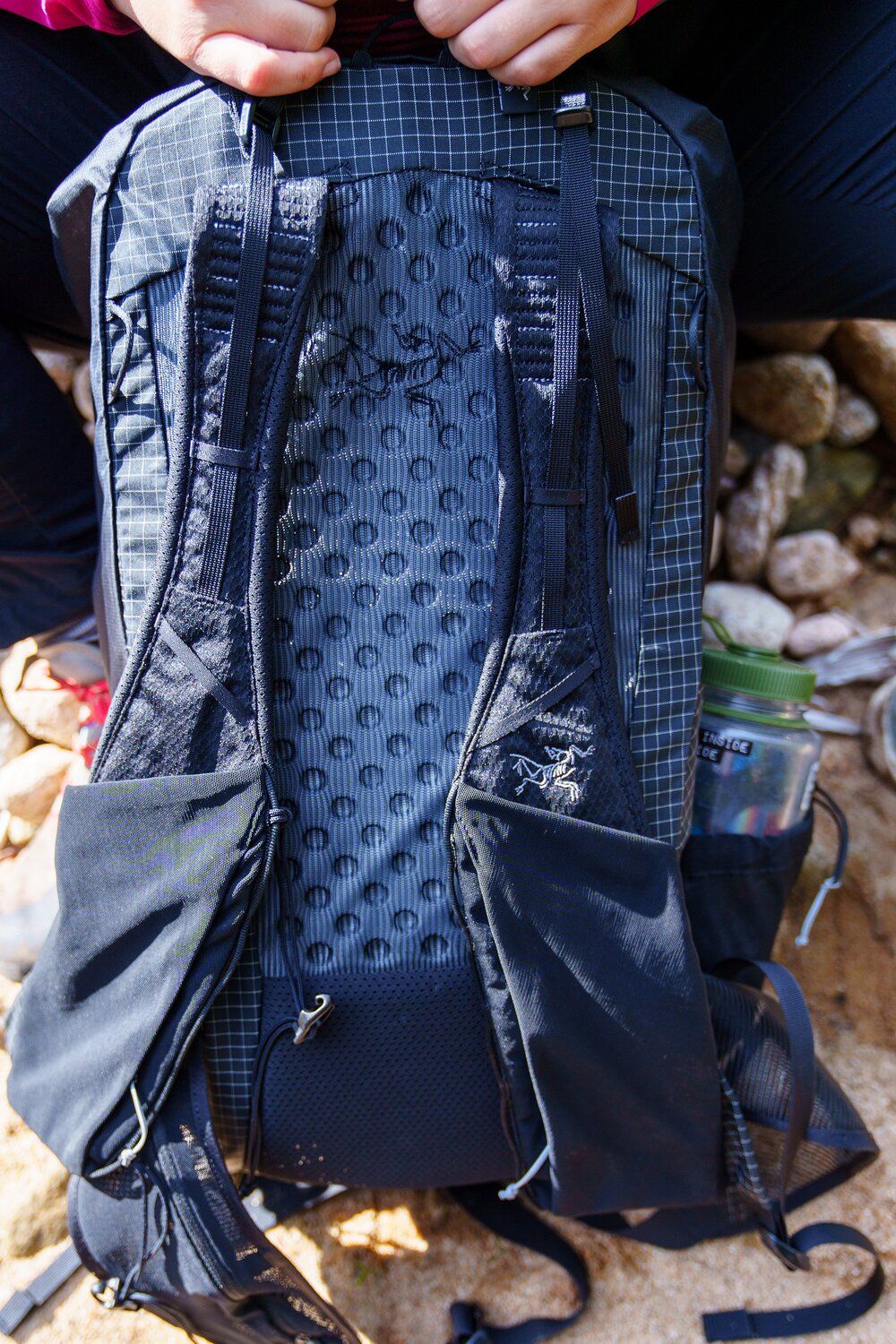
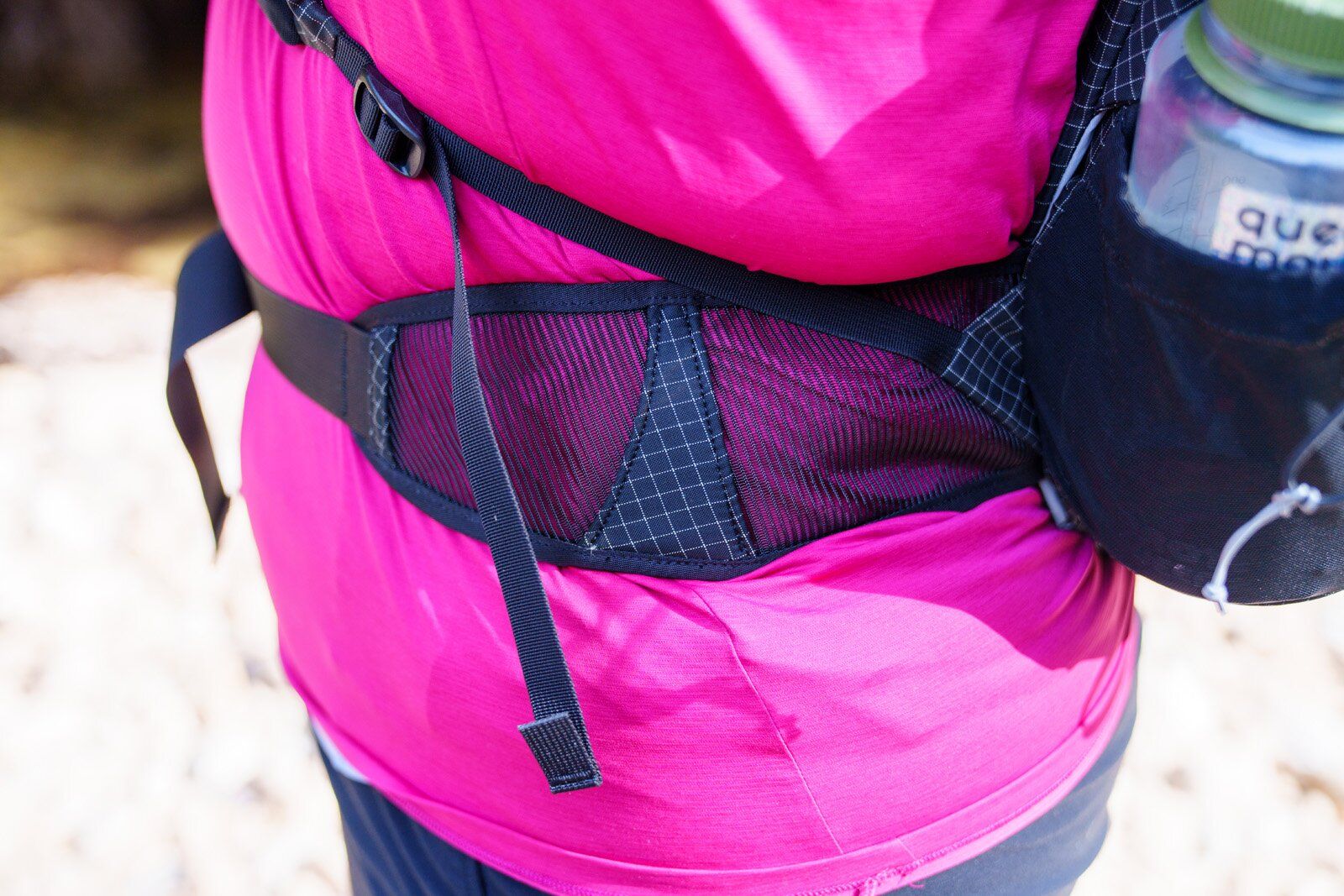
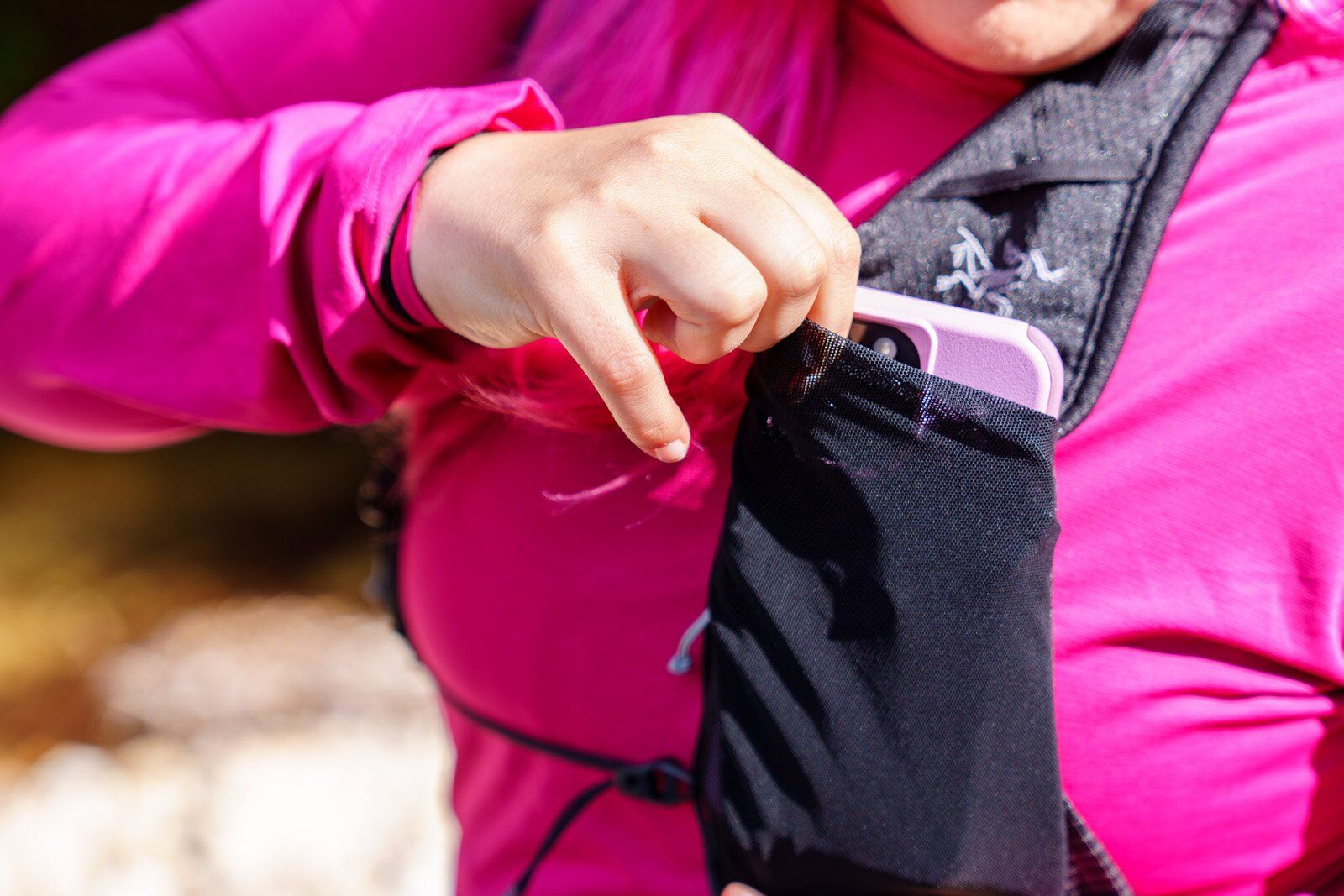
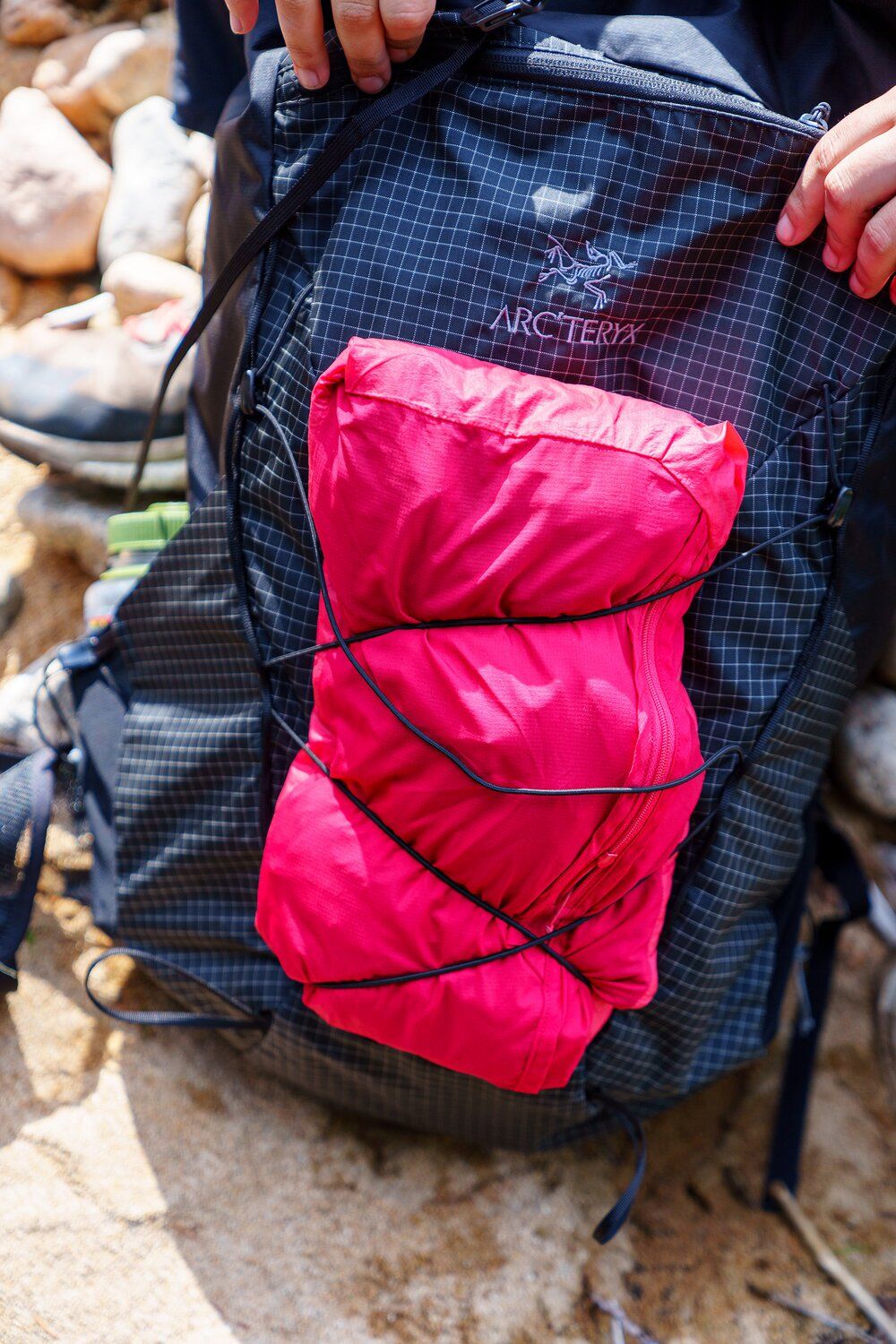
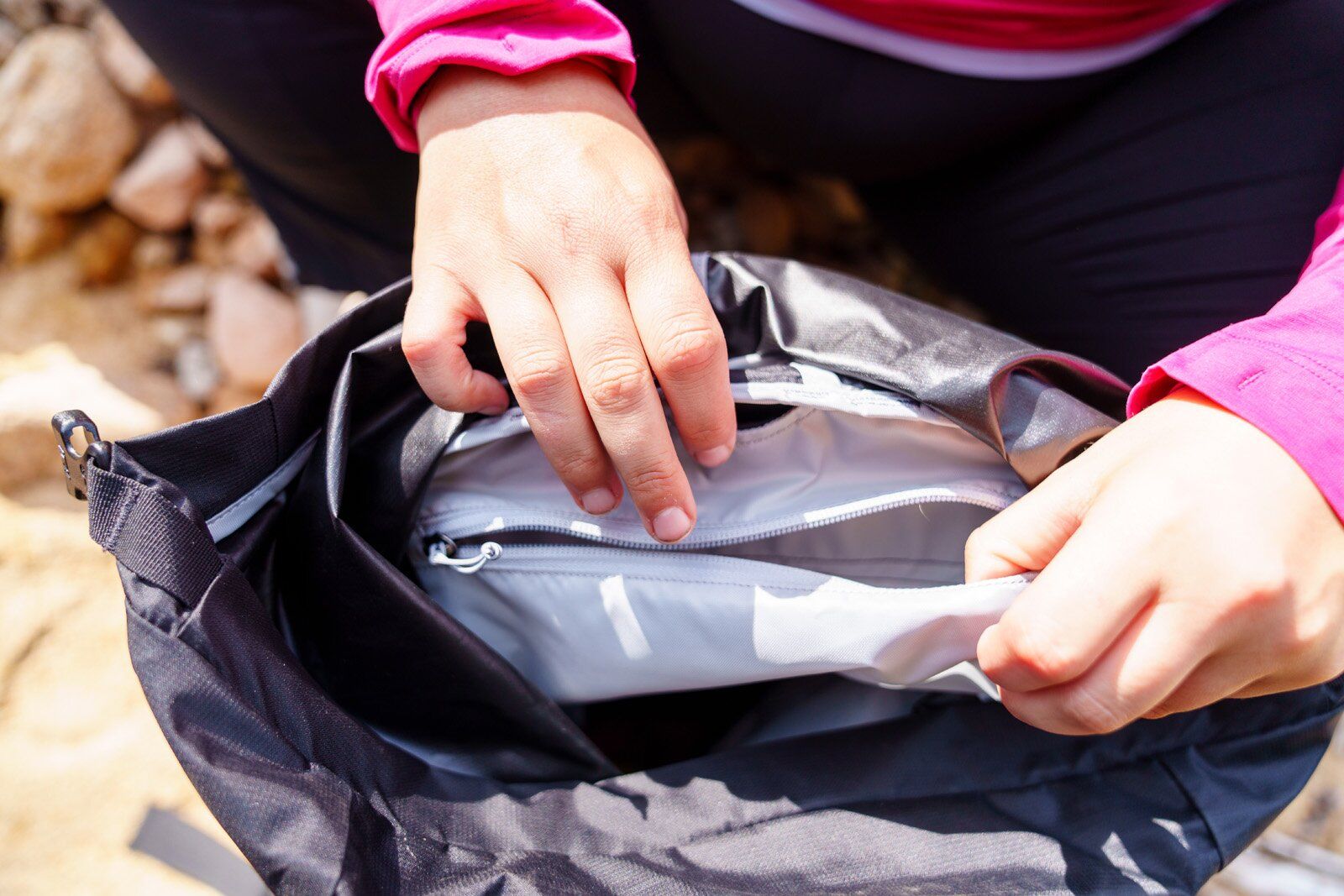

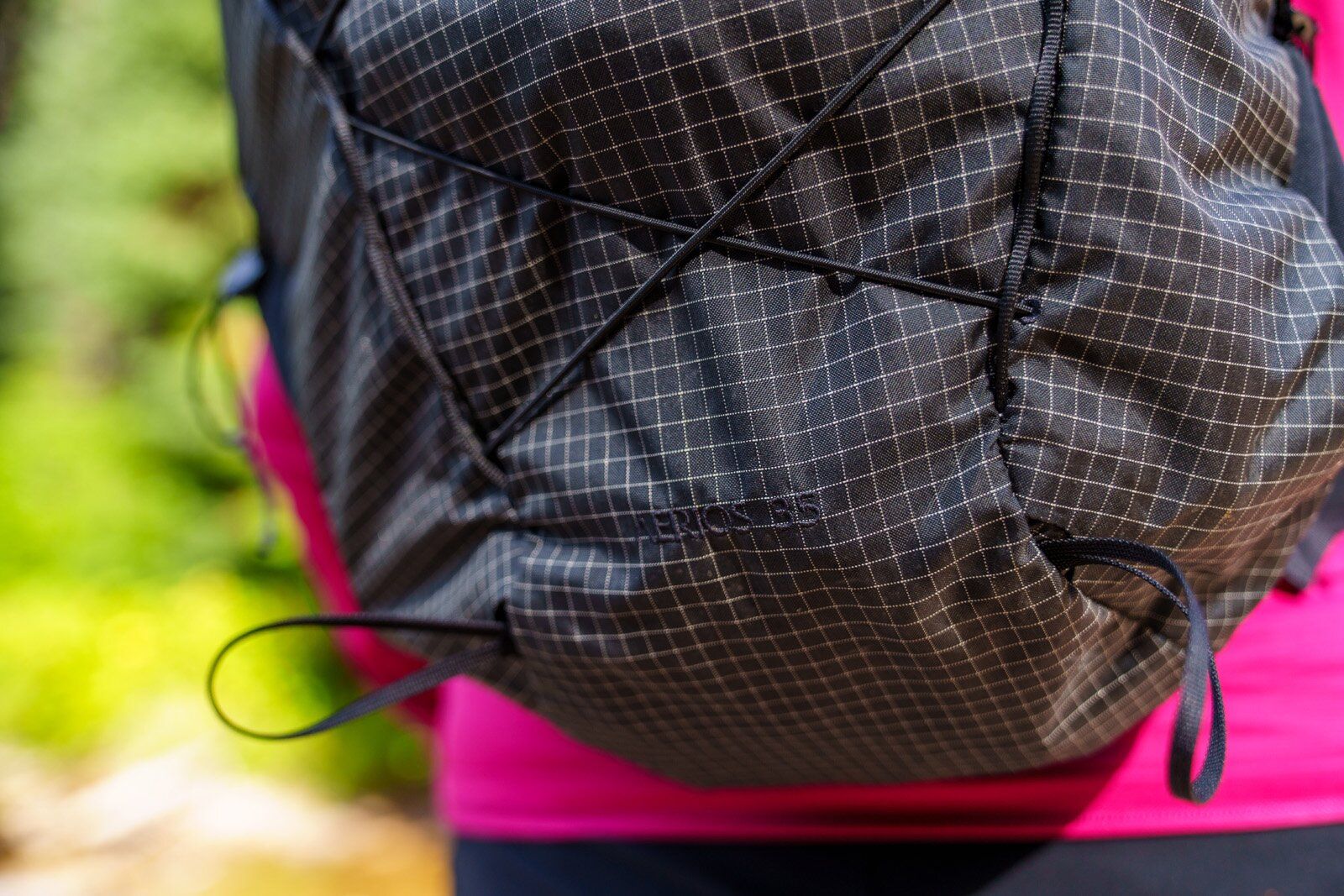
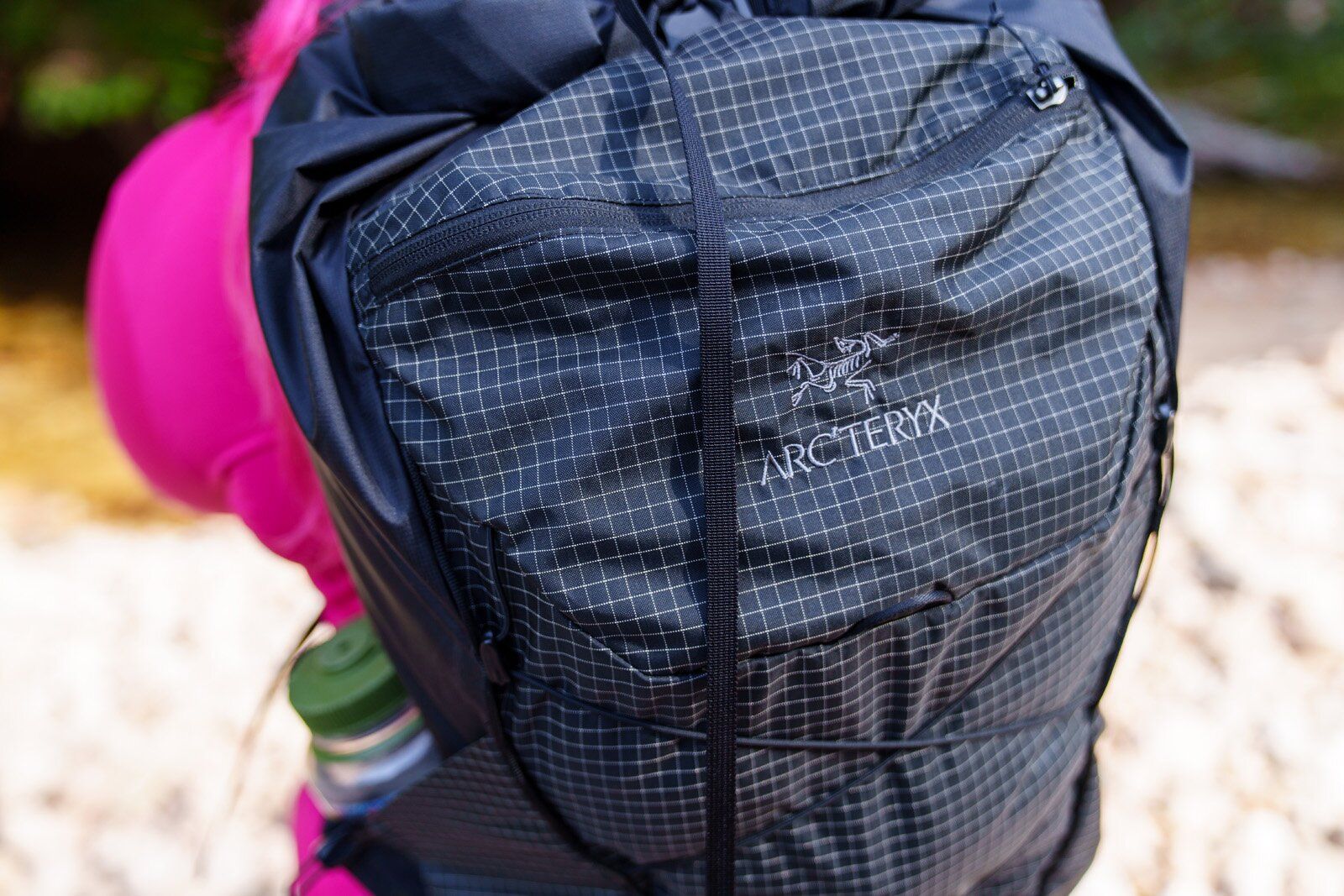
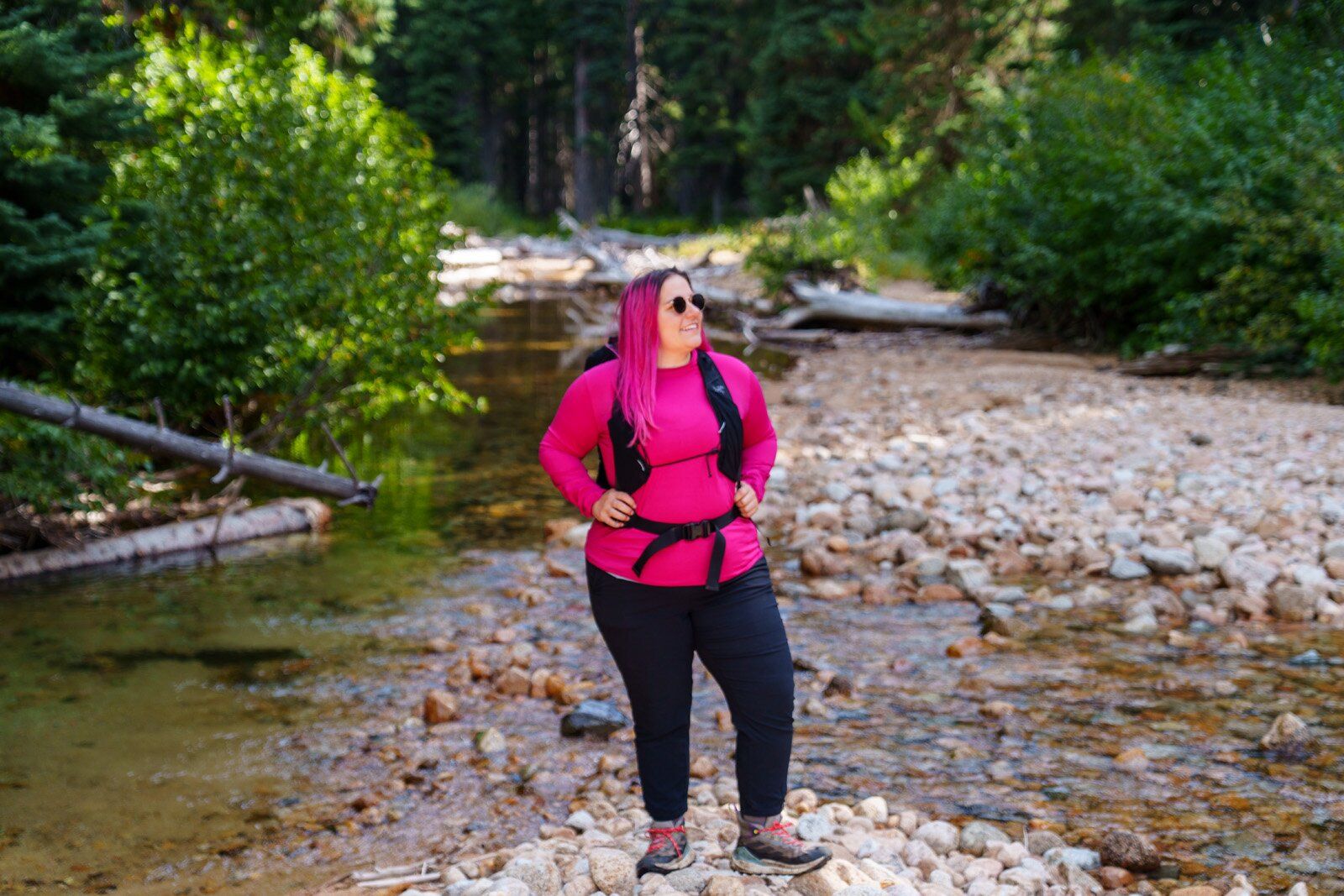
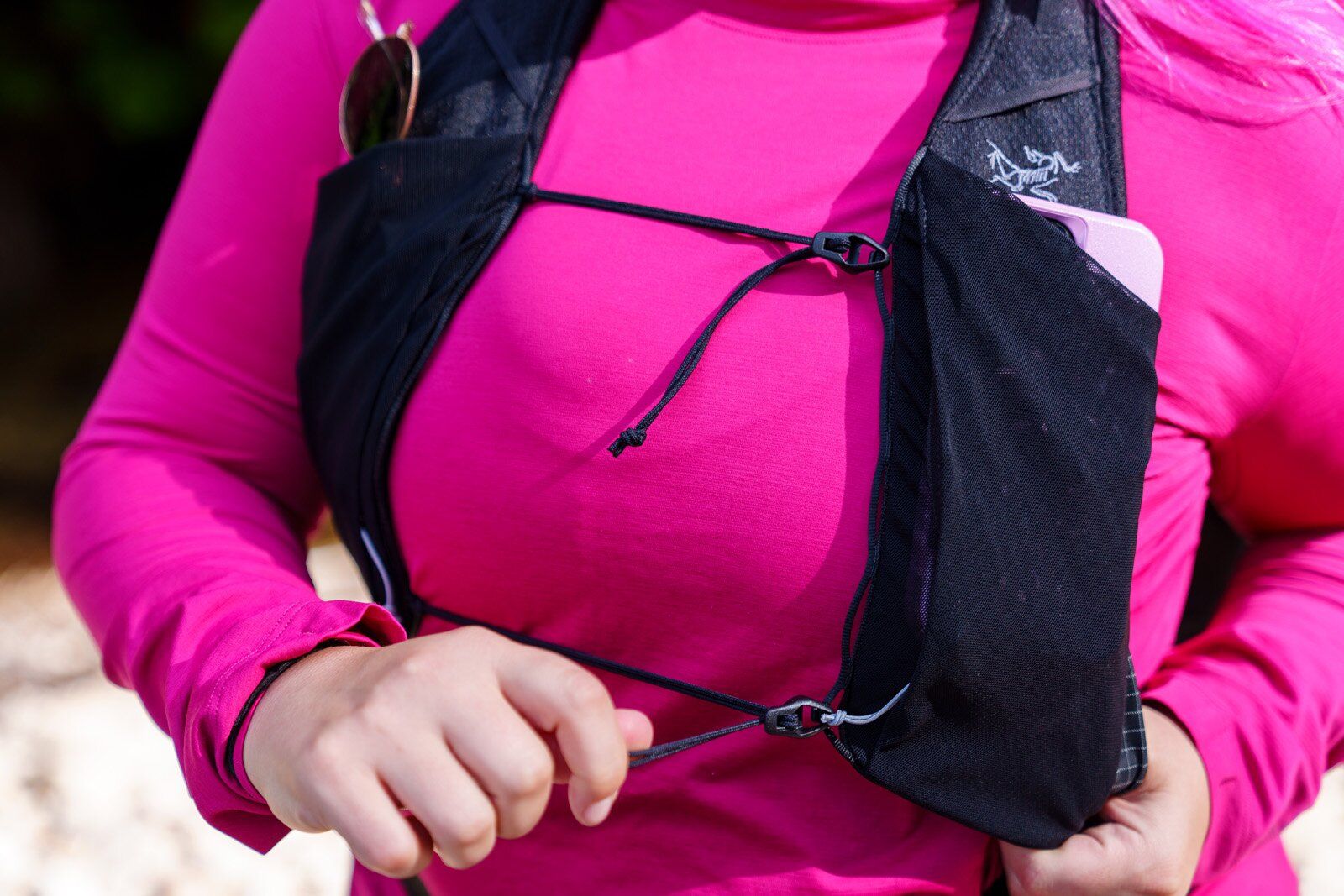
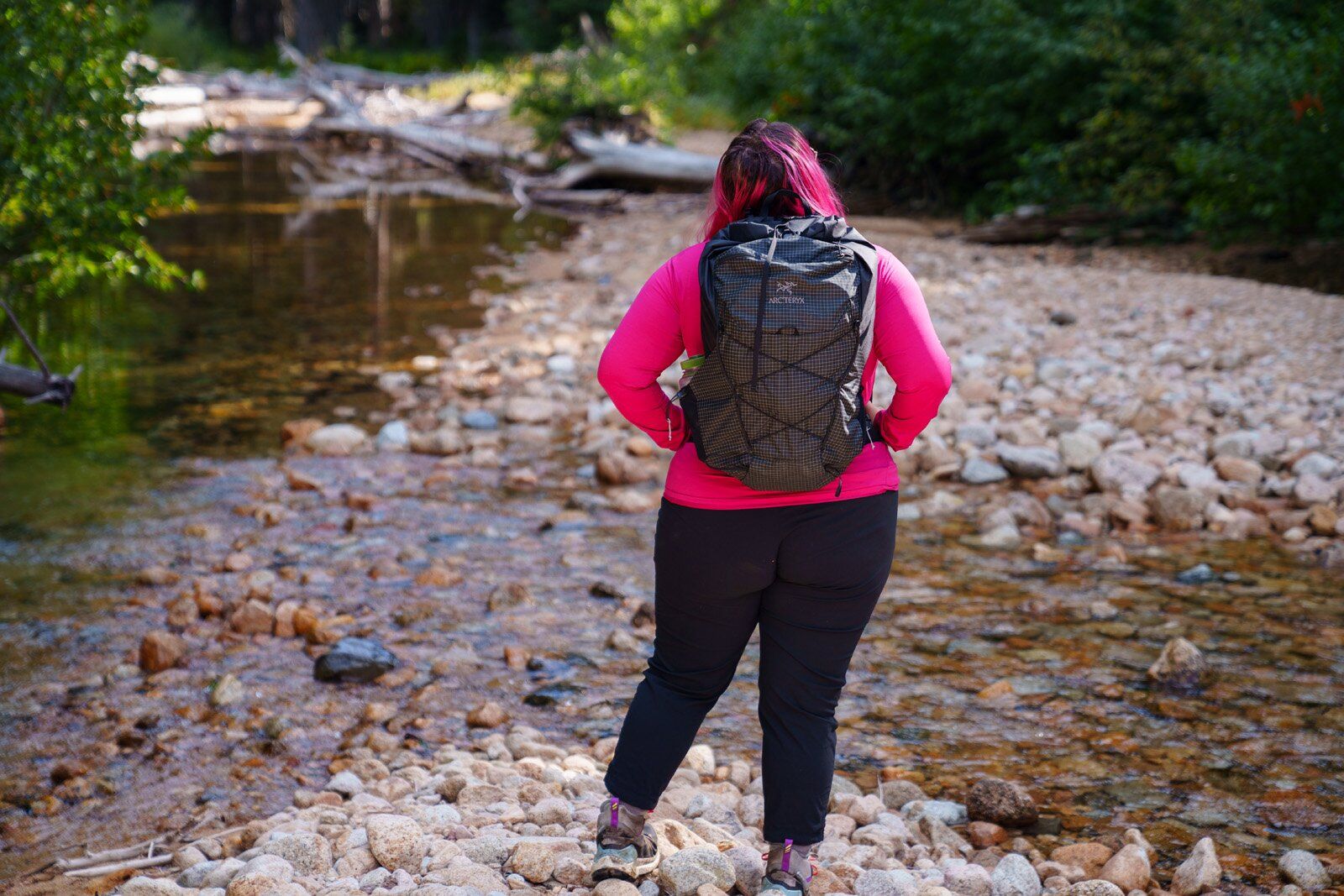
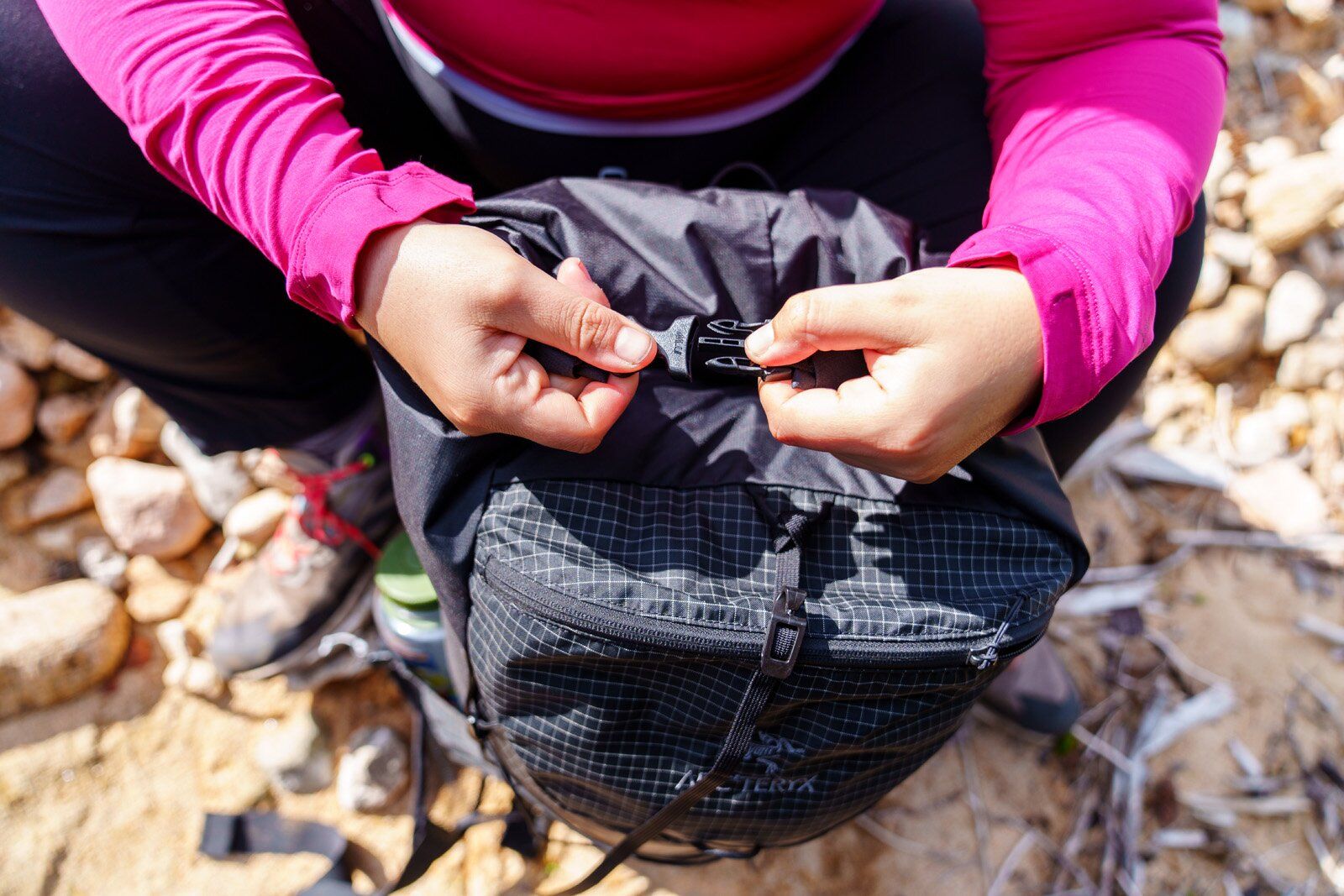
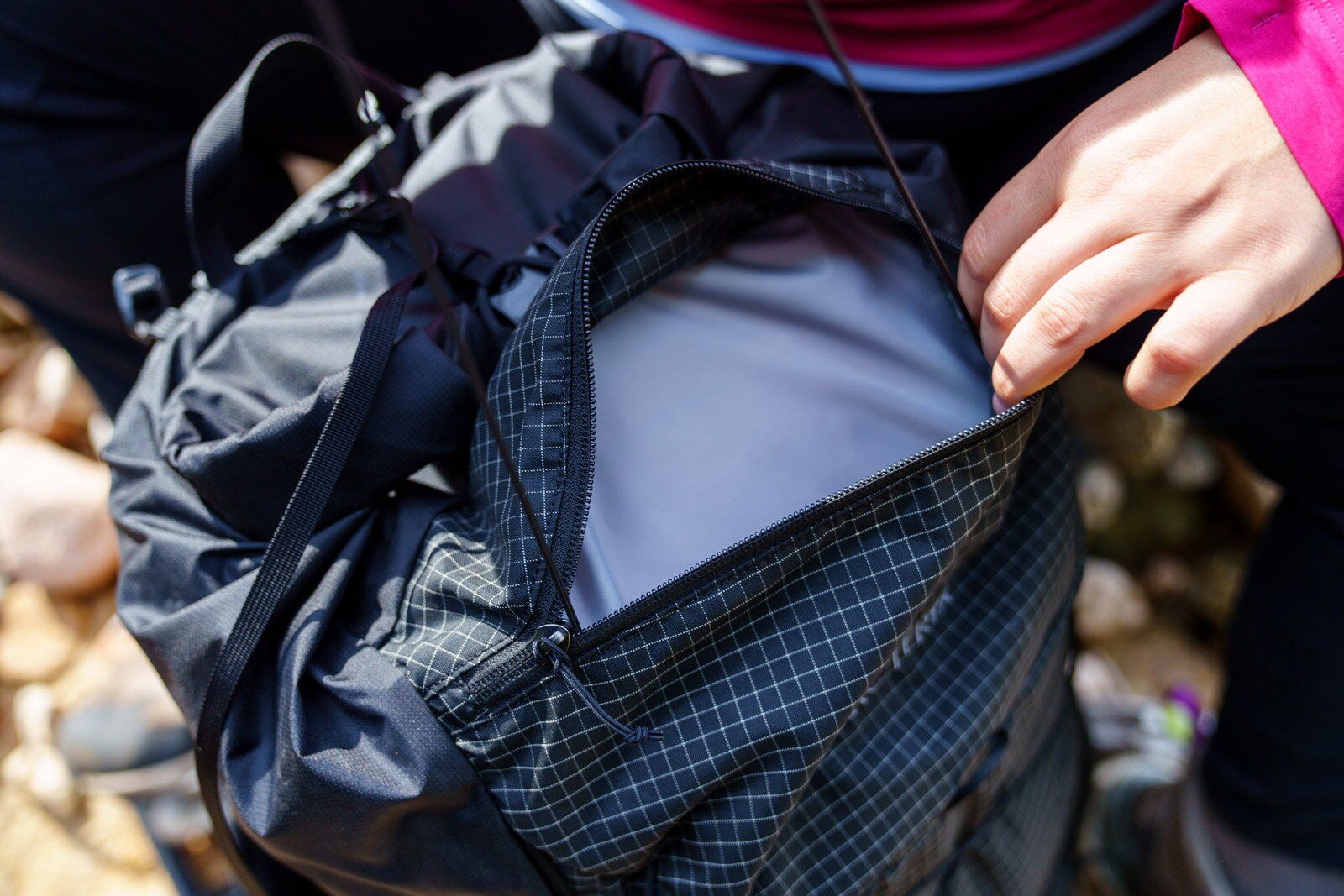
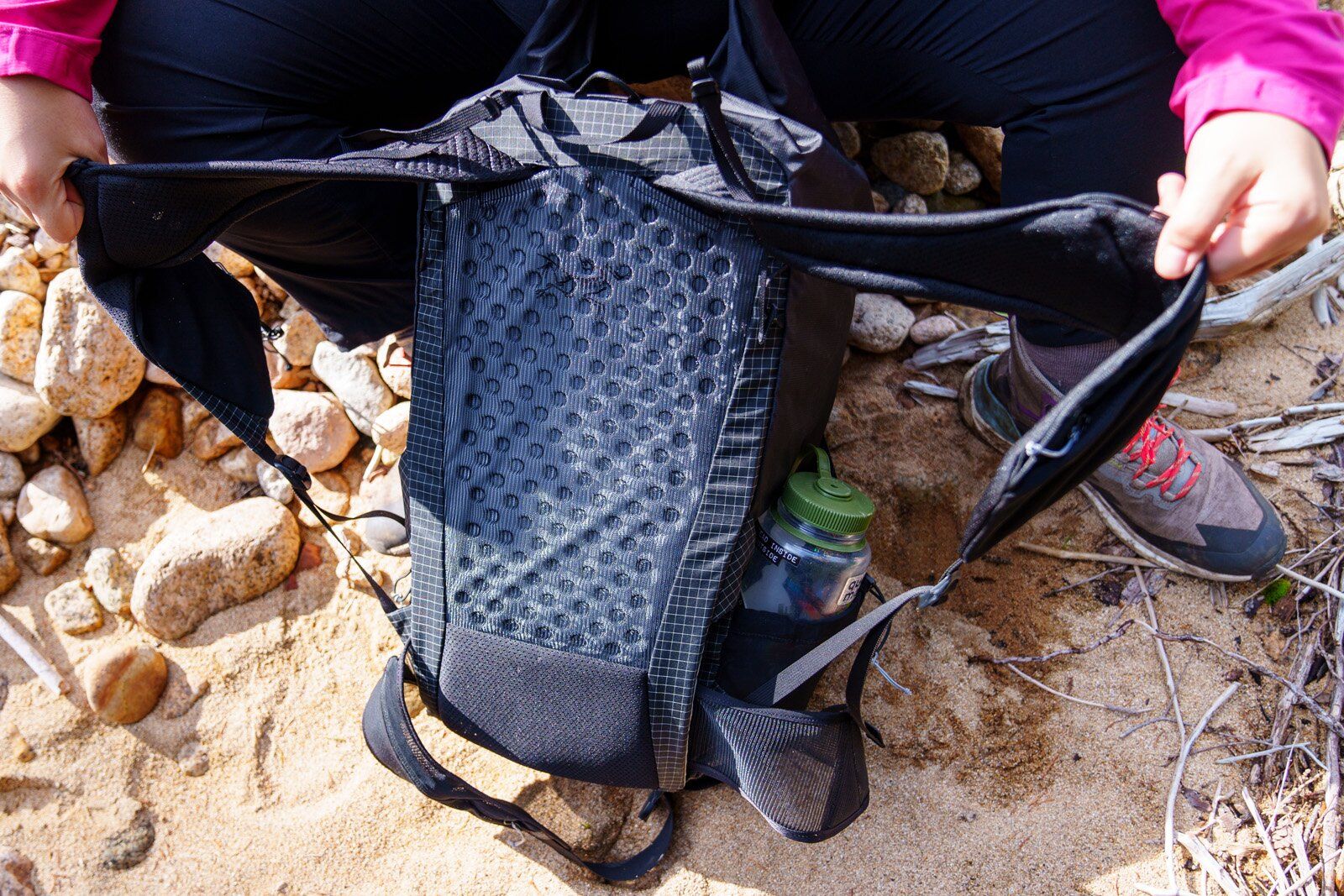
The Aerios is an interesting mishmash of a pack, featuring elements of a running vest paired with a supportive suspension and a large capacity. This pack is plenty comfortable, but its priorities are a bit confusing and it’s super expensive.
Comfort & Support
Organization
Weight
Durability
Water Resistance
Sustainability
Weight
2 lb. 8.9 oz.
Capacity
35L (18L)
Hipbelt
Mesh
Suspension
Framesheet
Pros
Cons
Sometimes, the kitchen sink approach just doesn’t pan out, and the Aerios is a case in point. This pack checks a lot of trendy design boxes—Running vest harness! Roll-top closure! Niche fabric!—but rather than helping it stand out from the competition, these features mostly just make it expensive. That said, comfort isn’t an issue. With a burly suspension system that includes a framesheet, removable aluminum stay, wide vest-style shoulder straps, and a hipbelt with mesh wings, the Aerios offers excellent support. We packed the 35-liter model with 20 pounds of gear and camera equipment and experienced minimal bounce—even during off-trail travel in the North Cascades—with no pressure points.
We’ll never turn our noses up at a comfortable pack, but Aerios falls short in key areas. At 2 pounds 8.9 ounces, it’s too heavy for fastpacking or running—7 ounces heavier than the Osprey Talon Velocity and nearly three times the weight of the Black Diamond Distance 22. The organization isn’t ideal, either, with no large shove-it pocket on the back (just a less useful crisscrossing bungee), shallow side pockets, and a single zippered hipbelt pocket. For normal day hikes, packs like the Osprey Talon 33 offer better organization for much less money. On the plus side, the roll-top closure is handy for cinching down smaller loads, and the harness pockets provide great snack and water access.
Arc’teryx built the Aerios using 210-denier Cordura nylon with a 200-denier liquid crystal polymer (LCP) grid, which boosts tear resistance without adding weight. The burly material is undeniably tough, but we have concerns about the durability of the mesh hipbelt, backside webbing, and flimsy sternum straps. While these probably aren’t dealbreakers, we’d expect more robust construction at this price point. That’s the overarching takeaway with the Aerios—a comfortable pack, but a miss in some key performance areas. For more, read our review of the Arc’teryx Aerios 35.

One of the most affordable packs here, the Speed Lite is a simple model that can get the job done for carrying light loads on short to moderate hikes, but not much more. With a small compressed size, it’s a great pairing for those looking for a travel or summit pack.
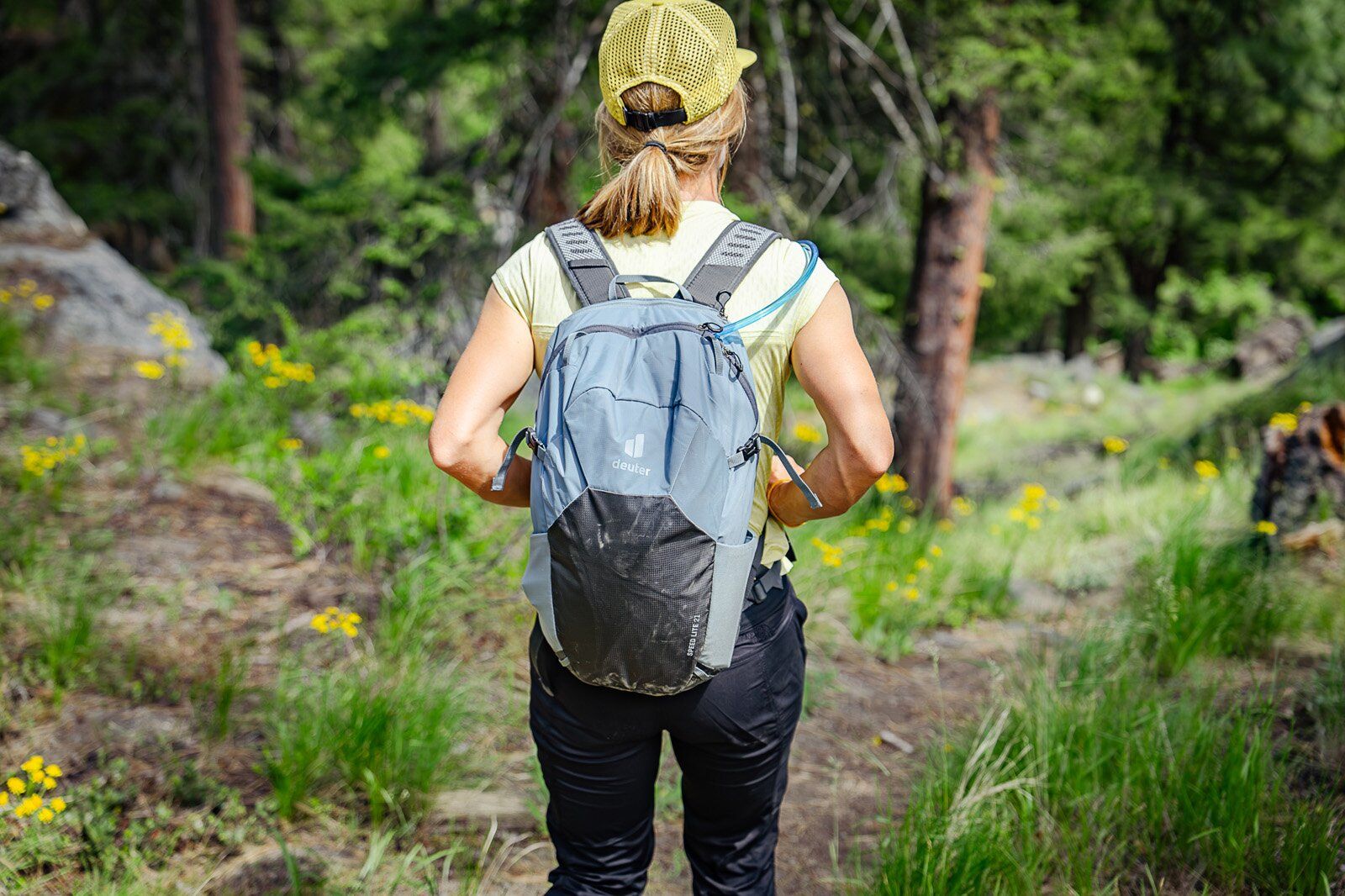

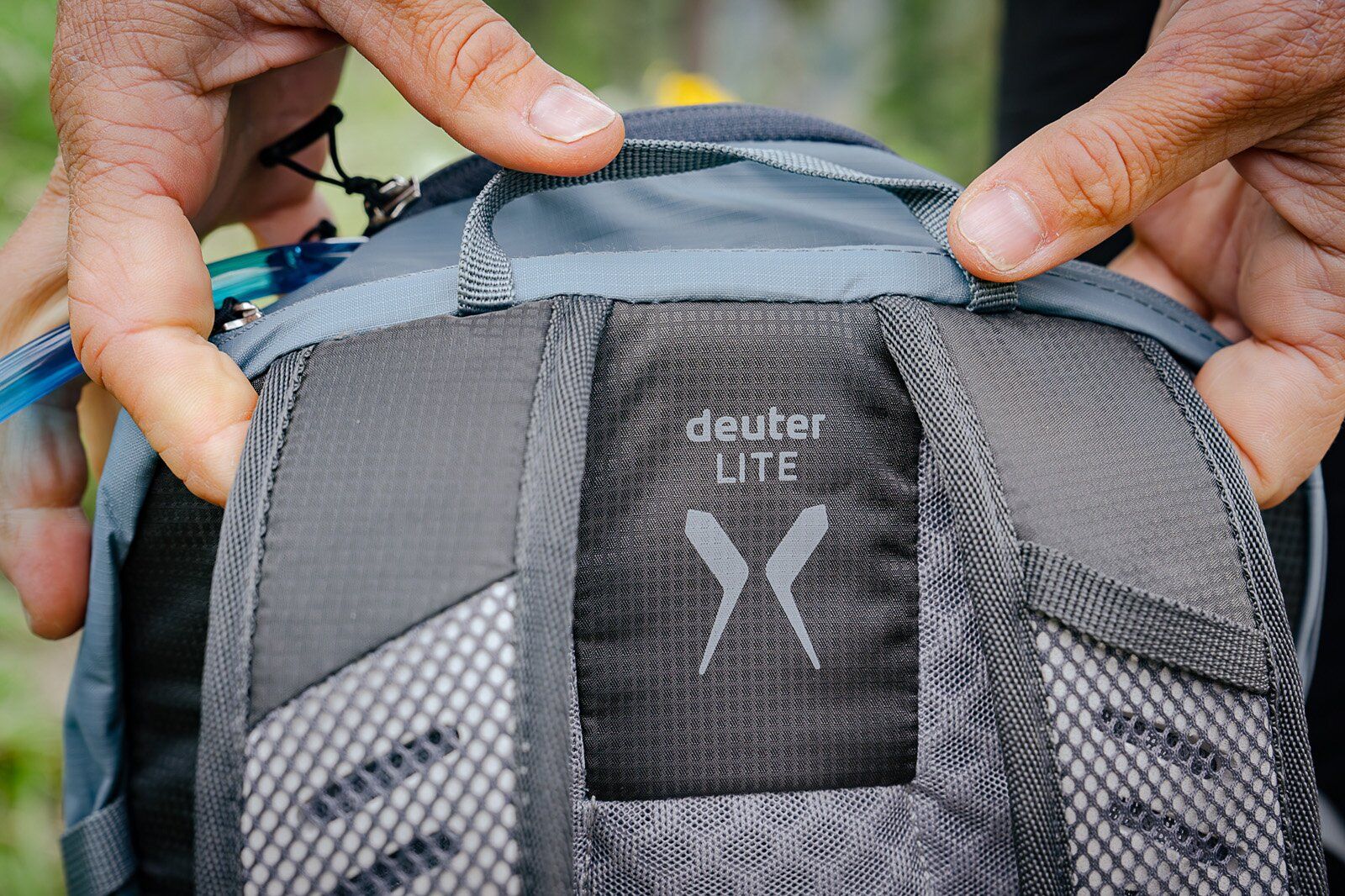
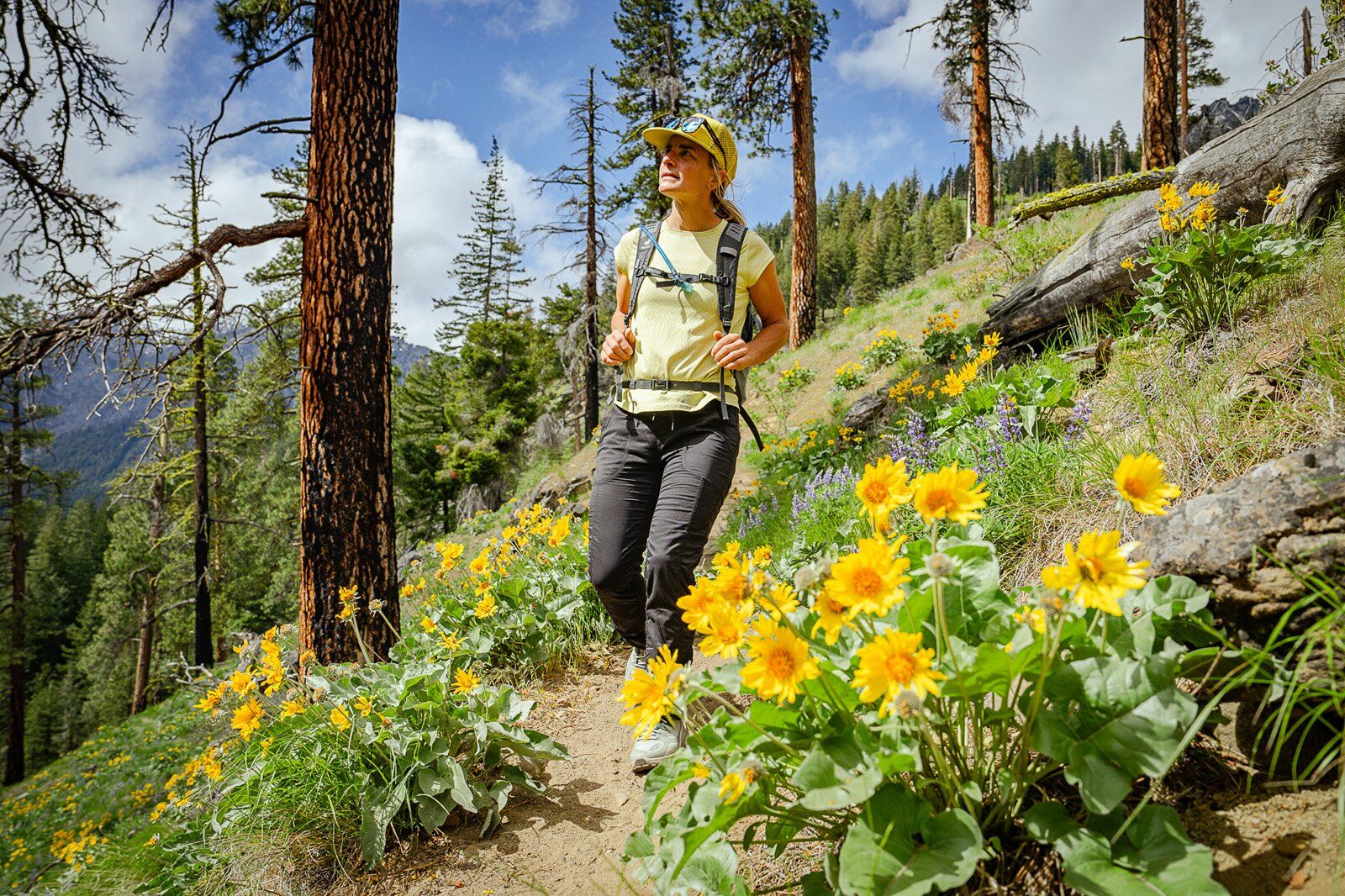
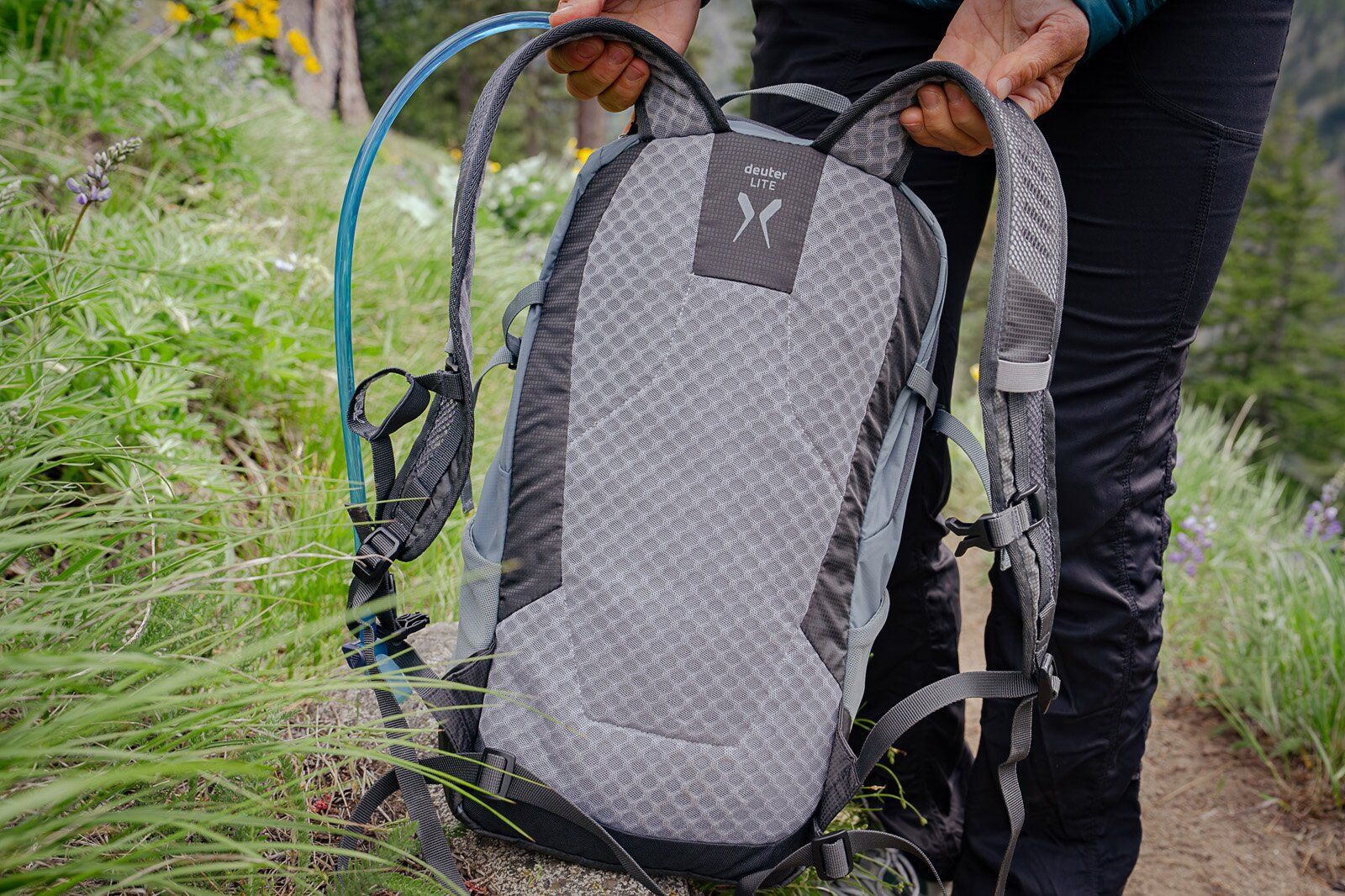
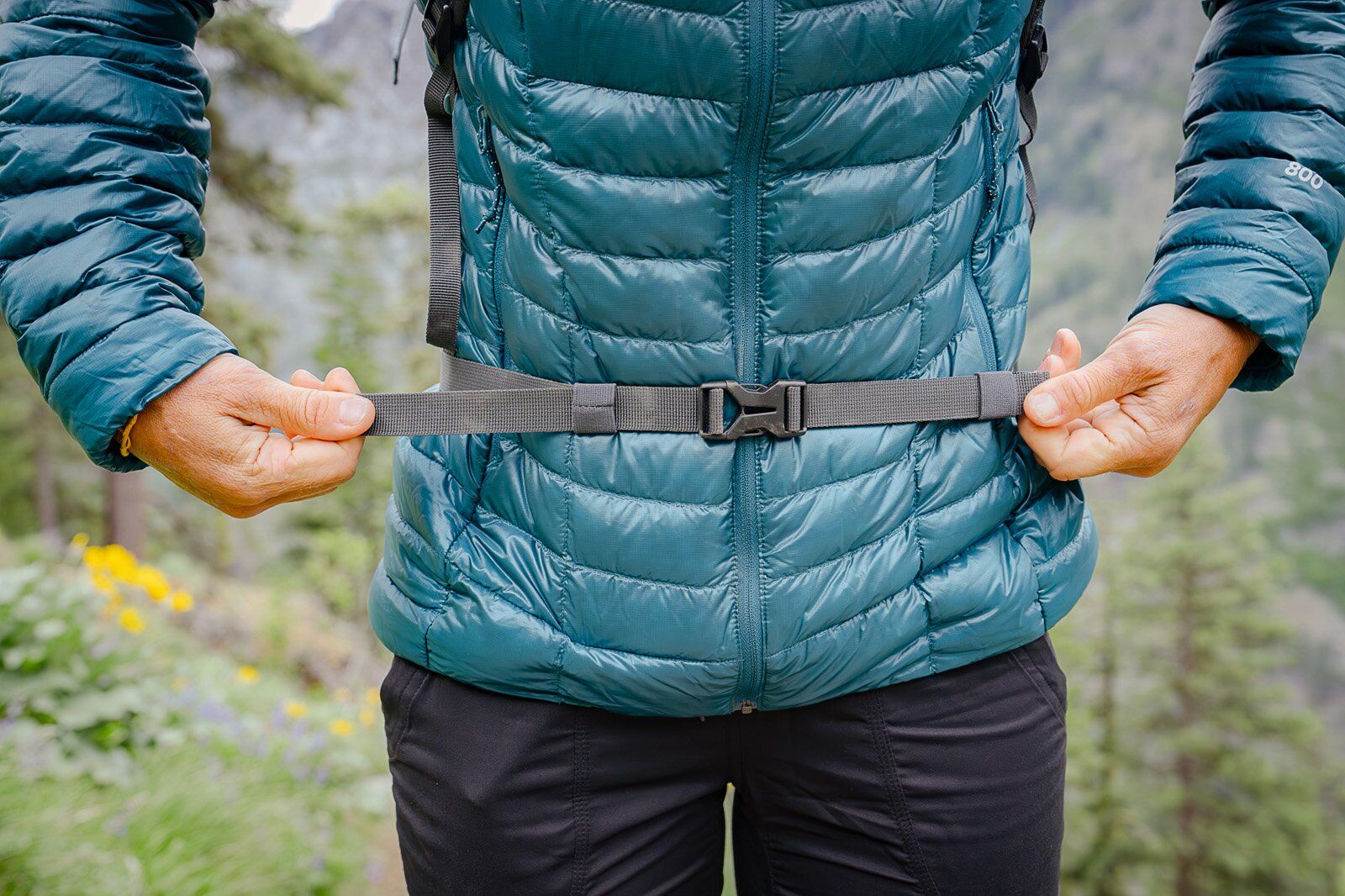
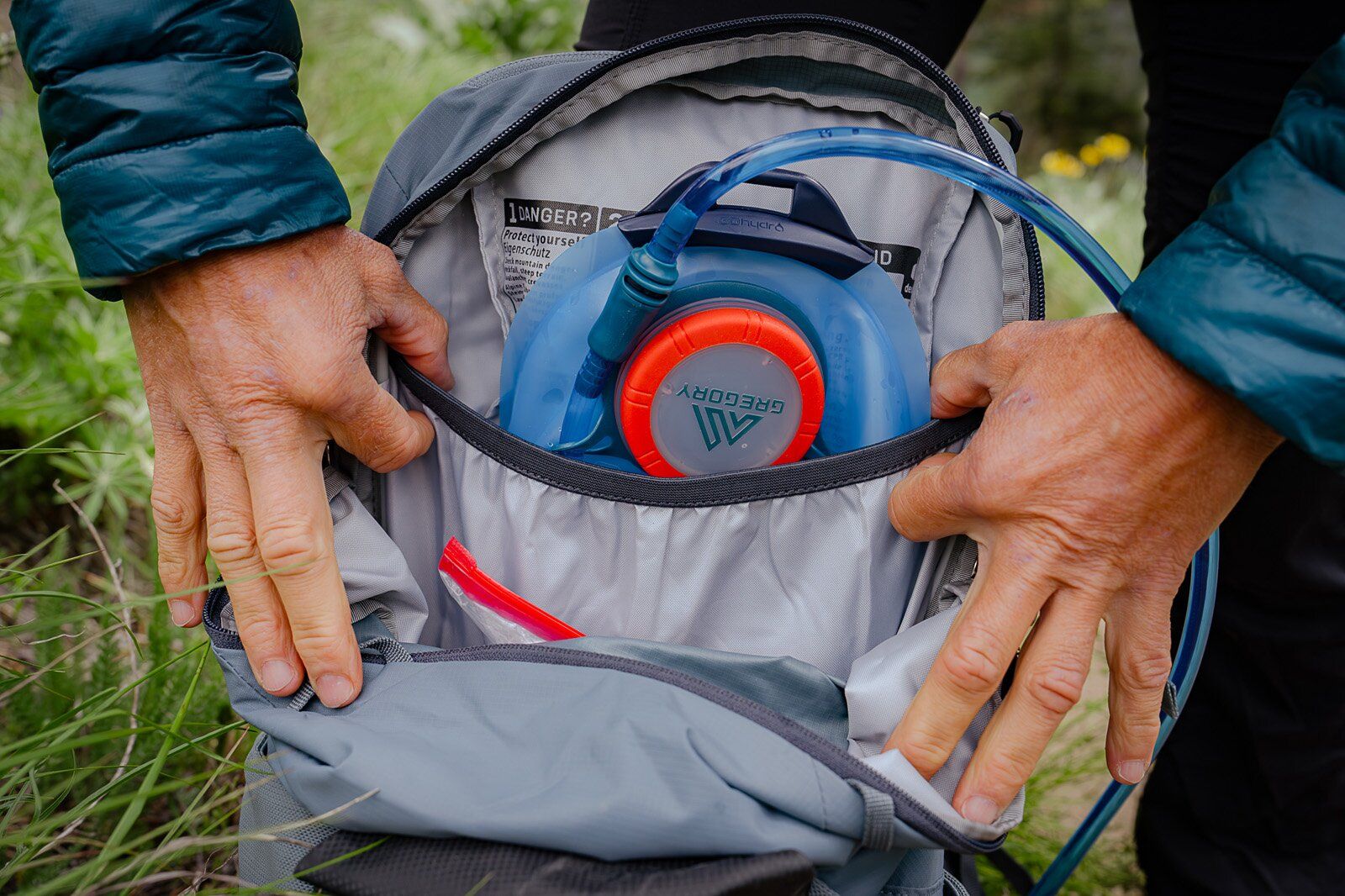
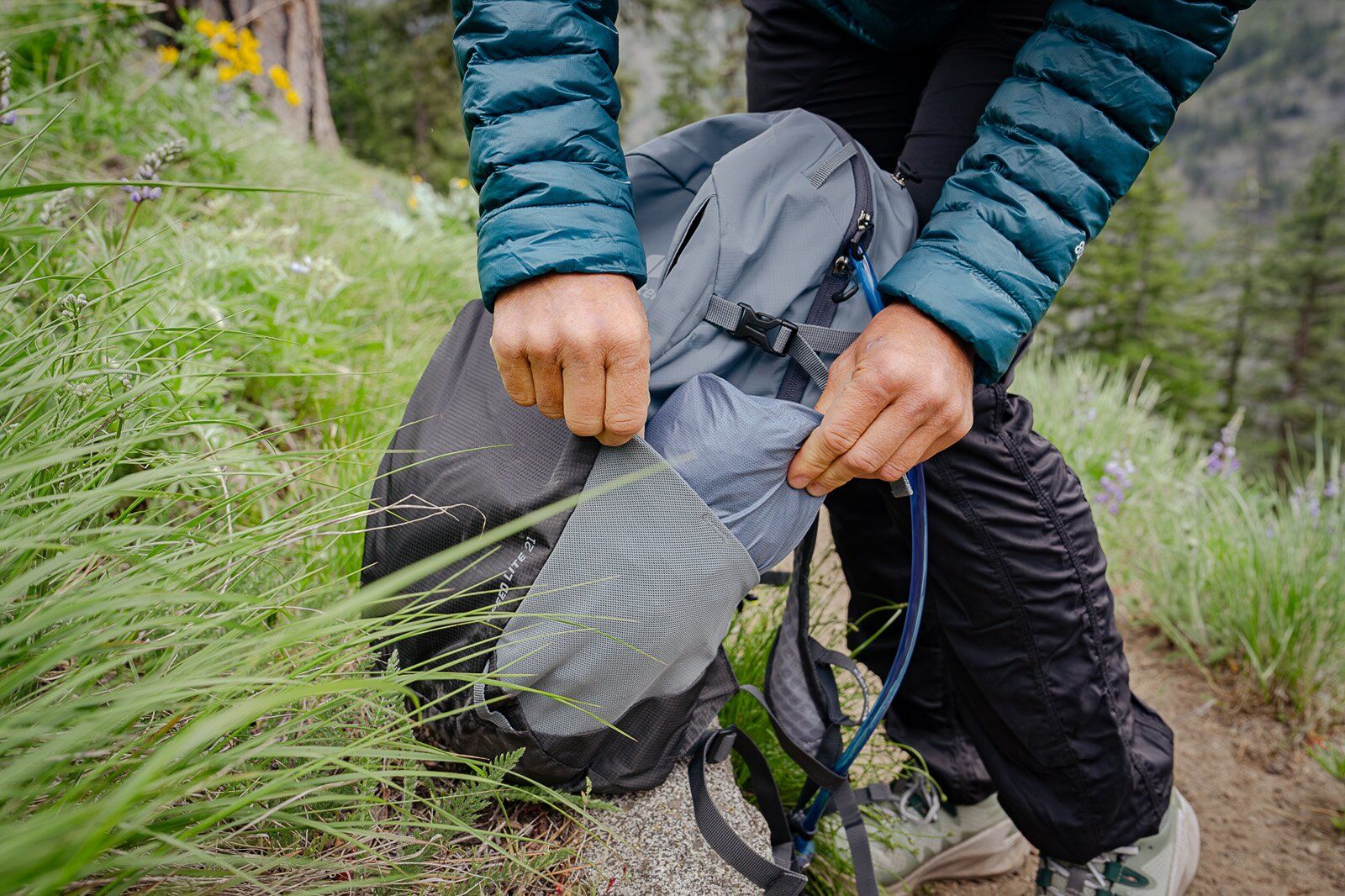

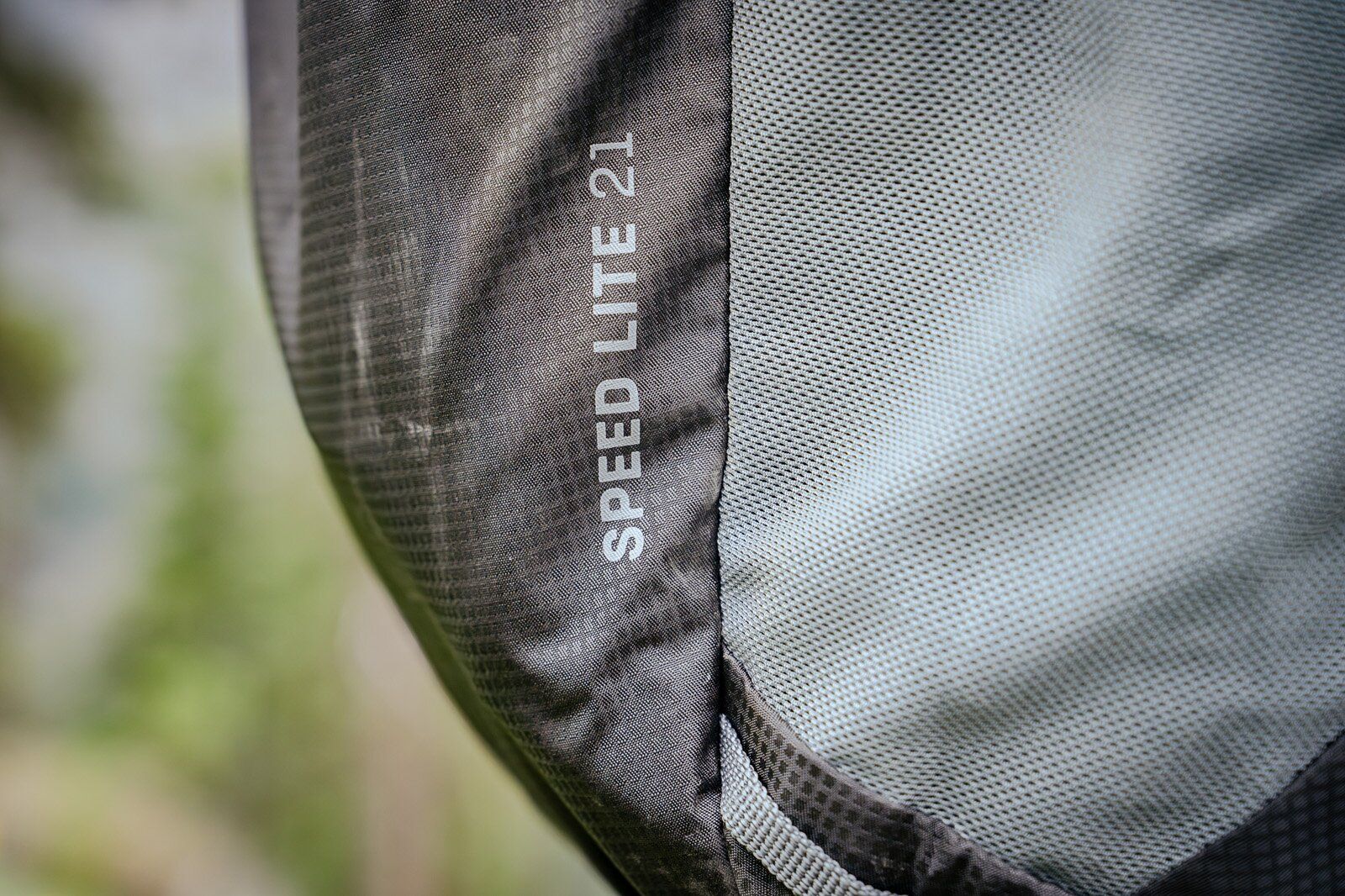
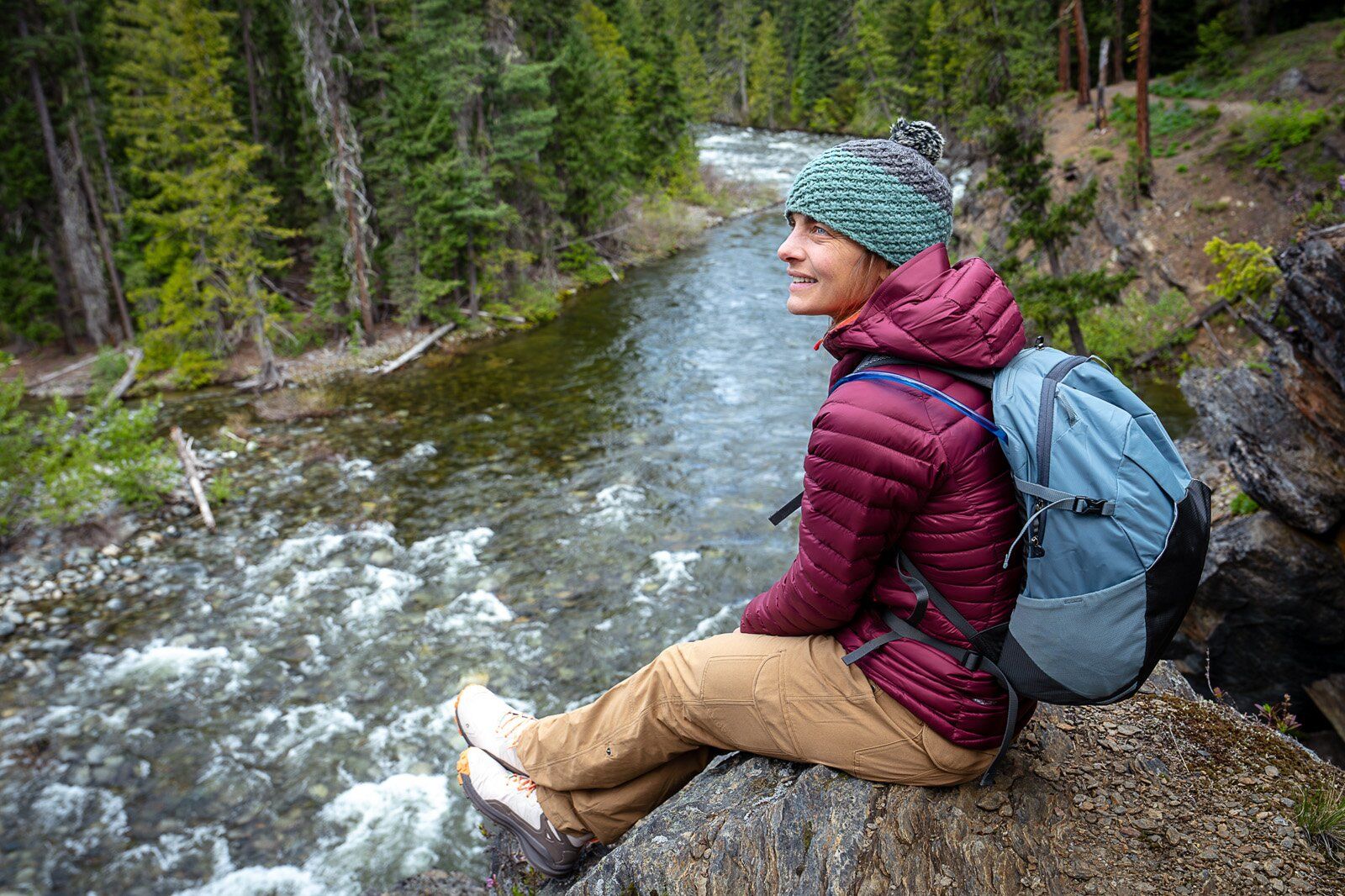
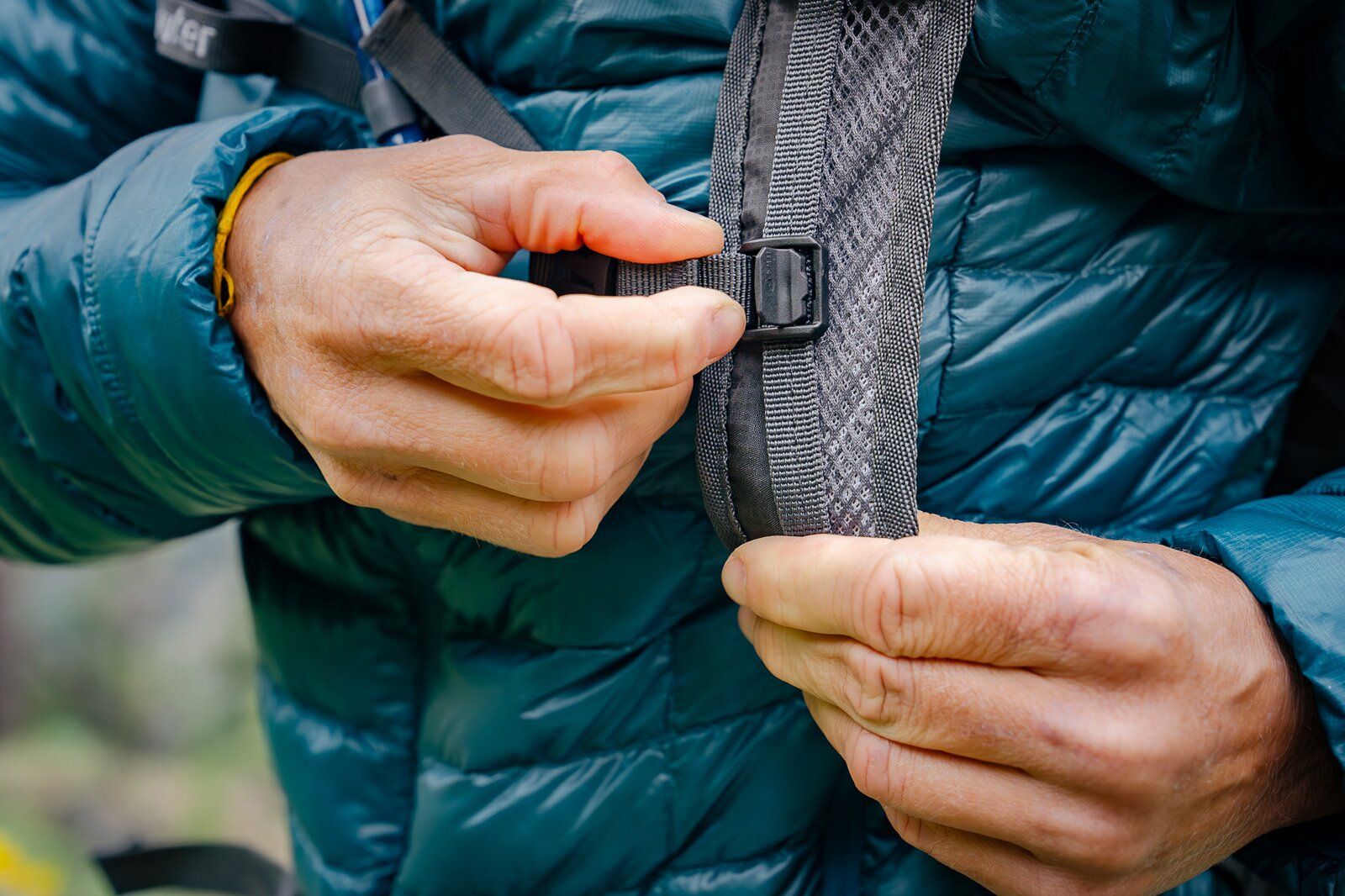
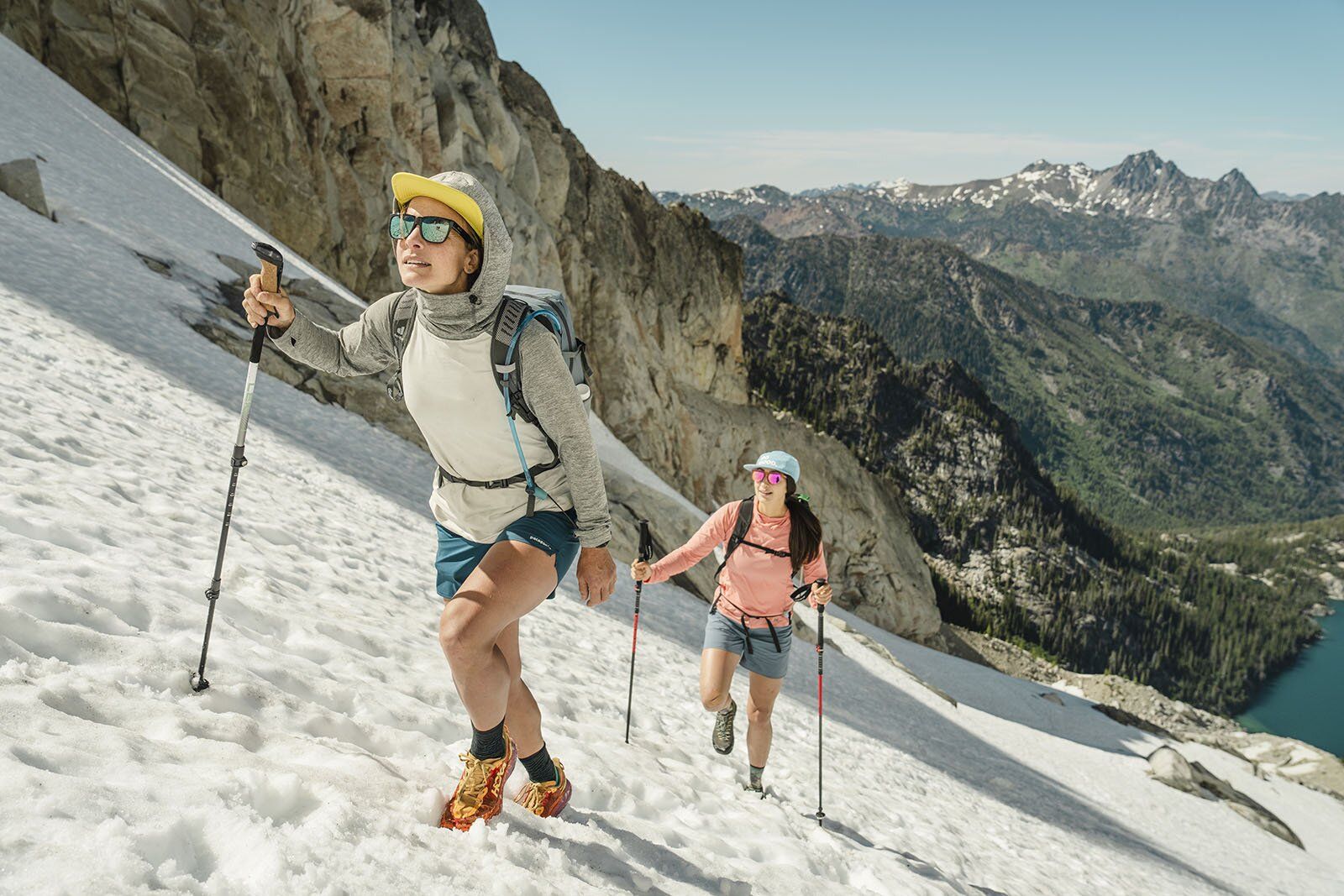
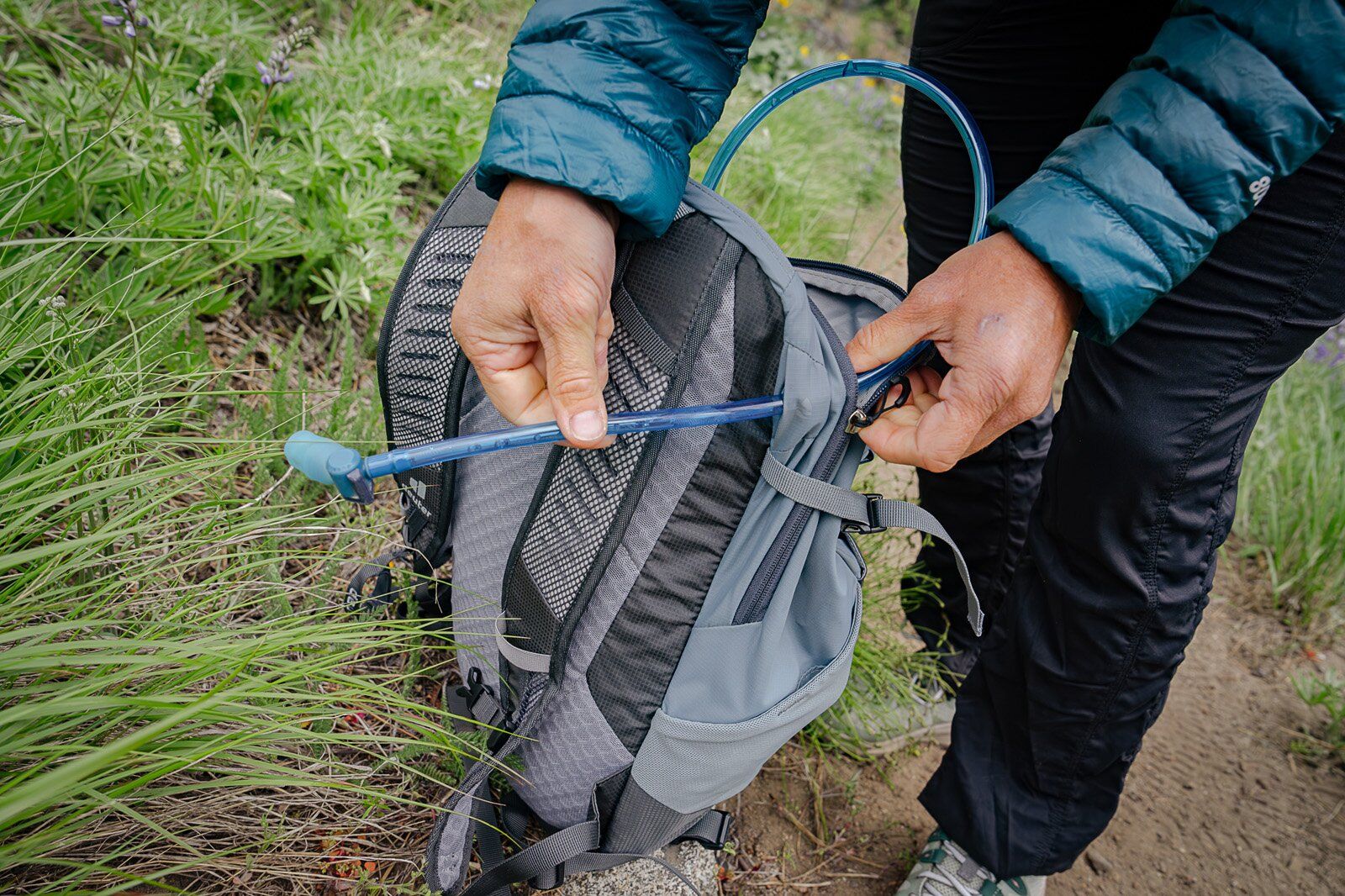

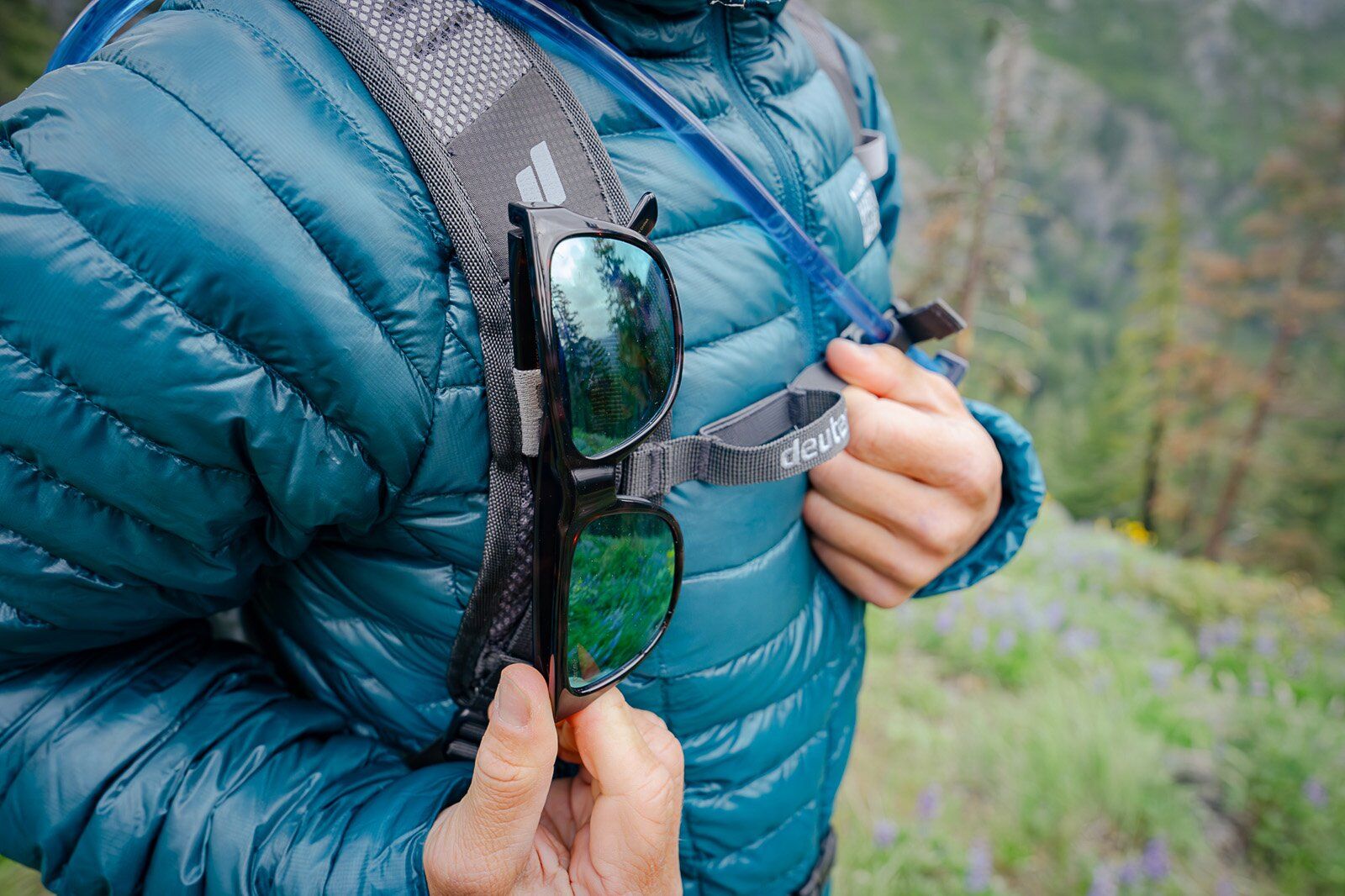
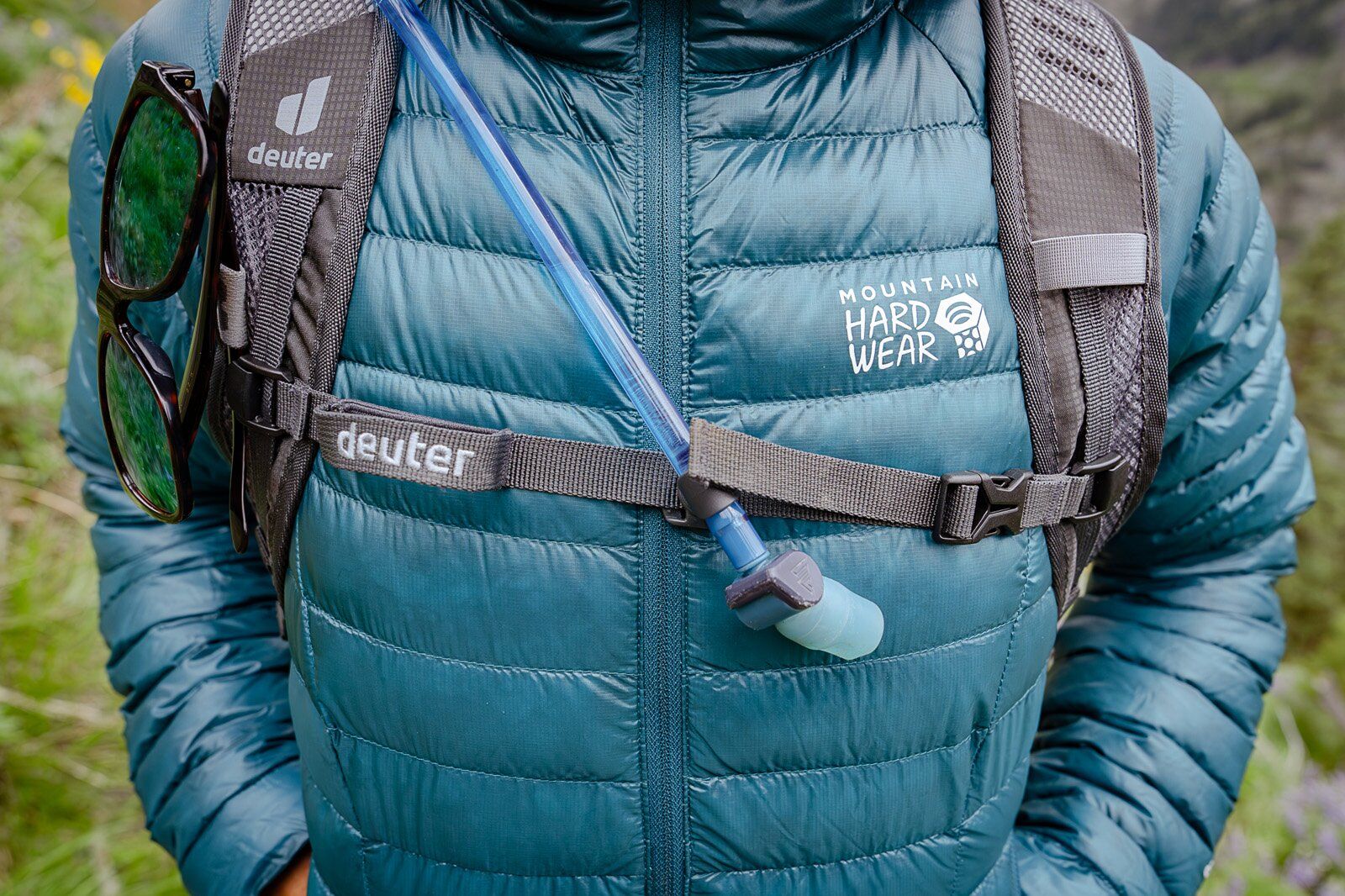
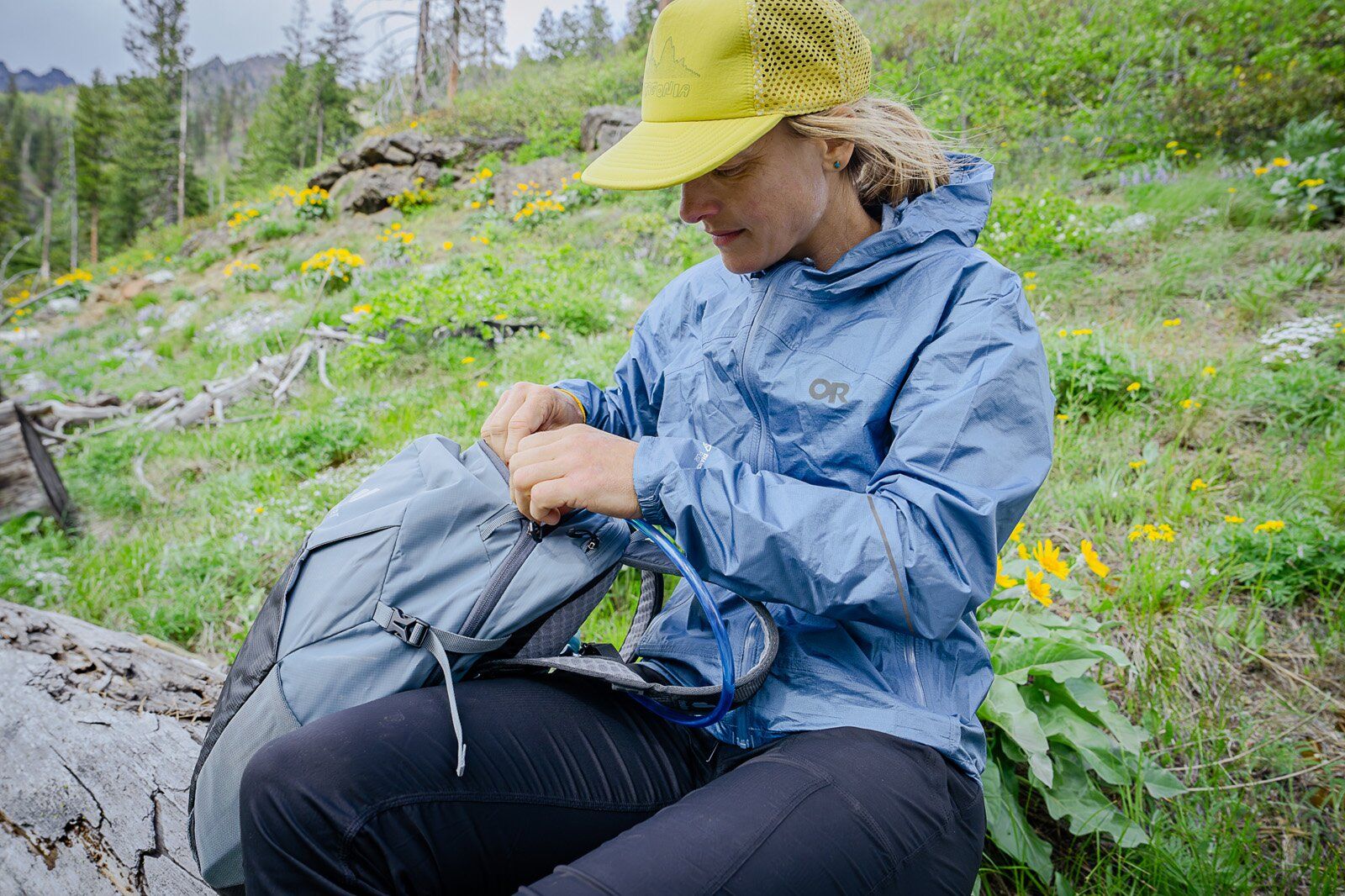

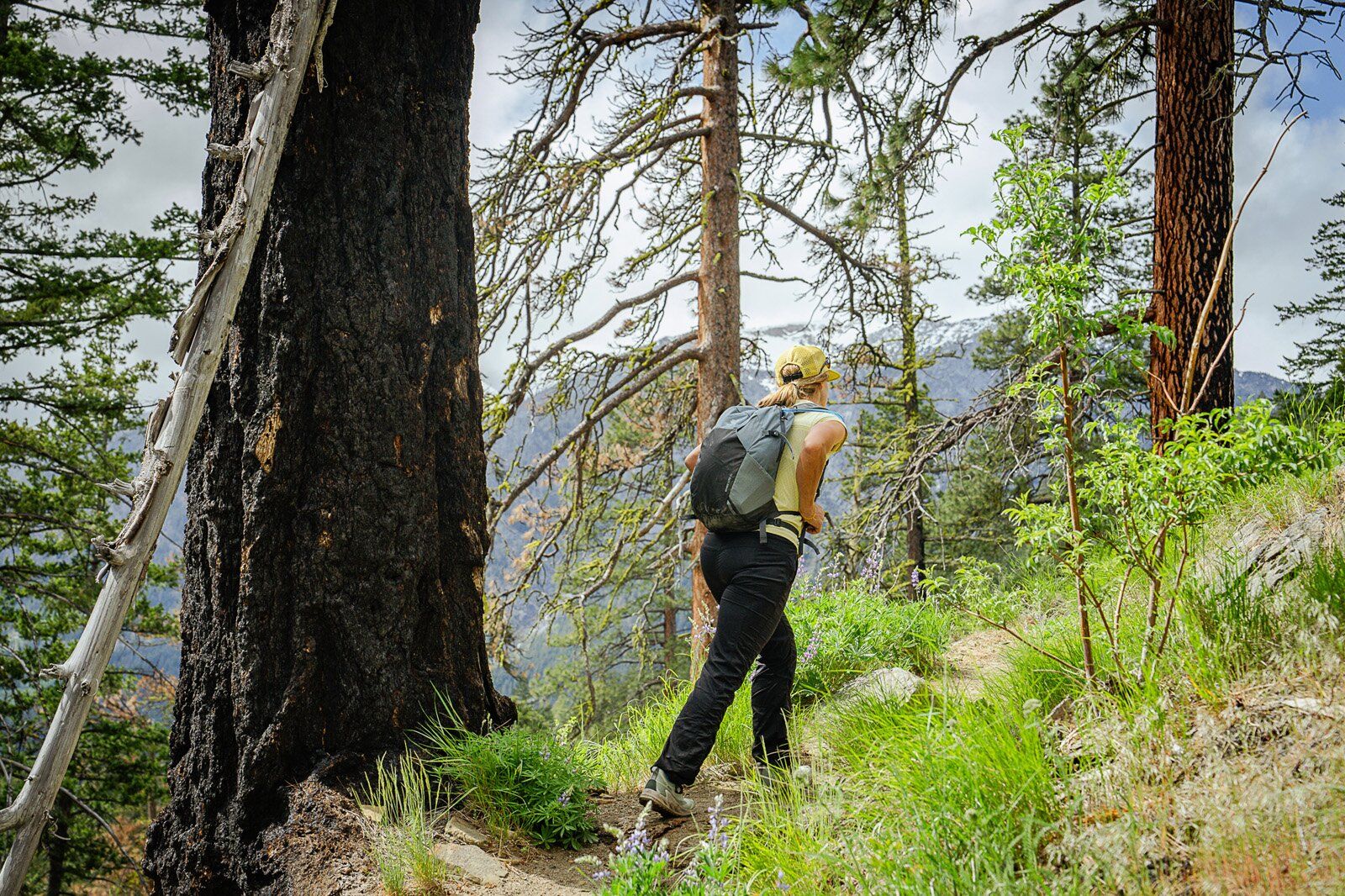

One of the most affordable packs here, the Speed Lite is a simple model that can get the job done for carrying light loads on short to moderate hikes, but not much more. With a small compressed size, it’s a great pairing for those looking for a travel or summit pack.
Comfort & Support
Organization
Weight
Durability
Water Resistance
Sustainability
Weight
1 lb. 0.6 oz.
Capacity
21L (13, 17, 25, 30L)
Hipbelt
Webbing
Suspension
Frameless
Pros
Cons
As expected from its sub-$100 price tag, the Speed Lite isn’t going to blow anyone away with its support or feature set. But with the right expectations, it’s a solid value for a budget-friendly daypack. The ventilated mesh backpanel provides just enough structure to separate your back from the pack’s contents, while the thinly padded shoulder straps strike a nice balance between comfort and minimalism. Loaded with 2 liters of water, crampons, a synthetic jacket, headlamp, and snacks, we took the Speed Lite up 8,705-foot Colchuck Peak in the Washington Cascades and found that, despite its thin webbing hipbelt, it handled the load surprisingly well.
One of the biggest perks of the Speed Lite is its versatility. Before and after the Colchuck climb, it compressed down easily and fit into the corner of our backpacking pack—a feat many bulkier daypacks can’t pull off. This also makes it a great travel option…hostel-hopping in Europe, anyone? In this way, it outshines the Daylite Plus, which feels noticeably bulkier. That said, the Speed Lite lacks a dedicated hydration/laptop sleeve and hipbelt or chest pockets for quick access to essentials. While more featured and supportive packs exist, the Speed Lite remains a standout choice for those seeking a simple, budget-friendly daypack. To learn more, check out our Deuter Speed Lite 21 review.

One of two budget-oriented REI packs that we tested, the Trail 25 sports a no-nonsense design that’s let down by its thin webbing hipbelt. While it has enough room for a day’s worth of supplies, the middling comfort makes it less of a value buy.
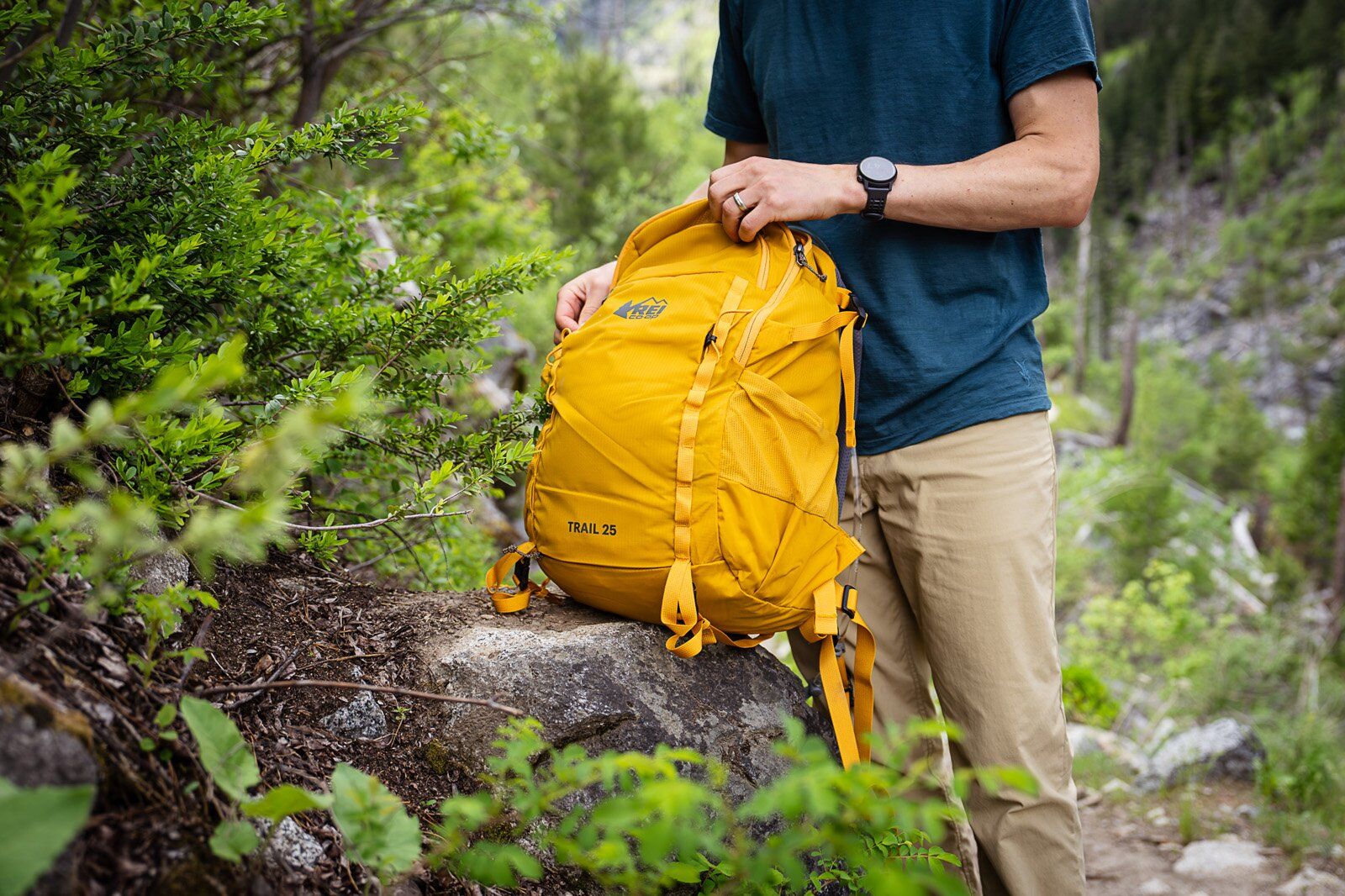
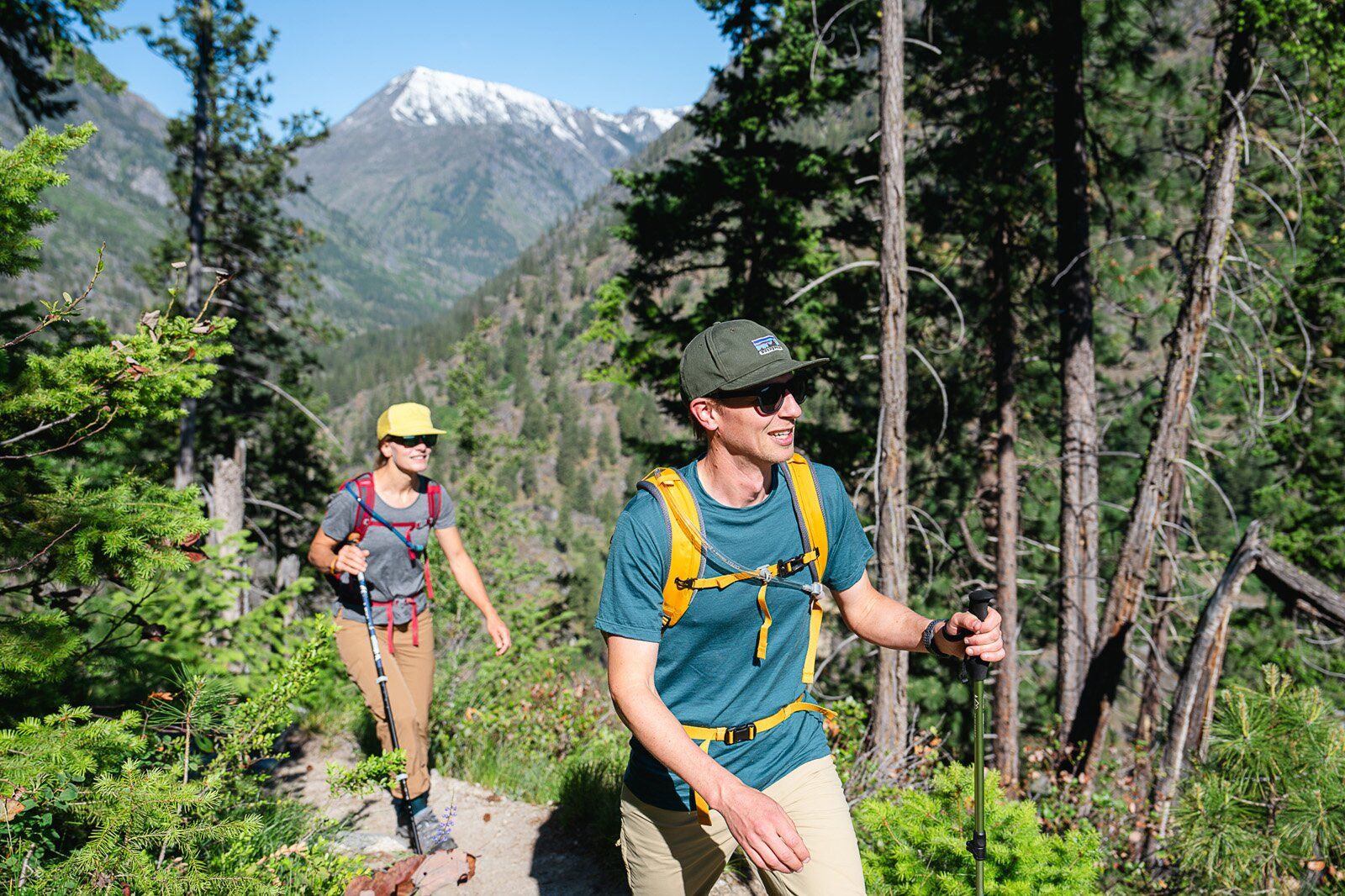
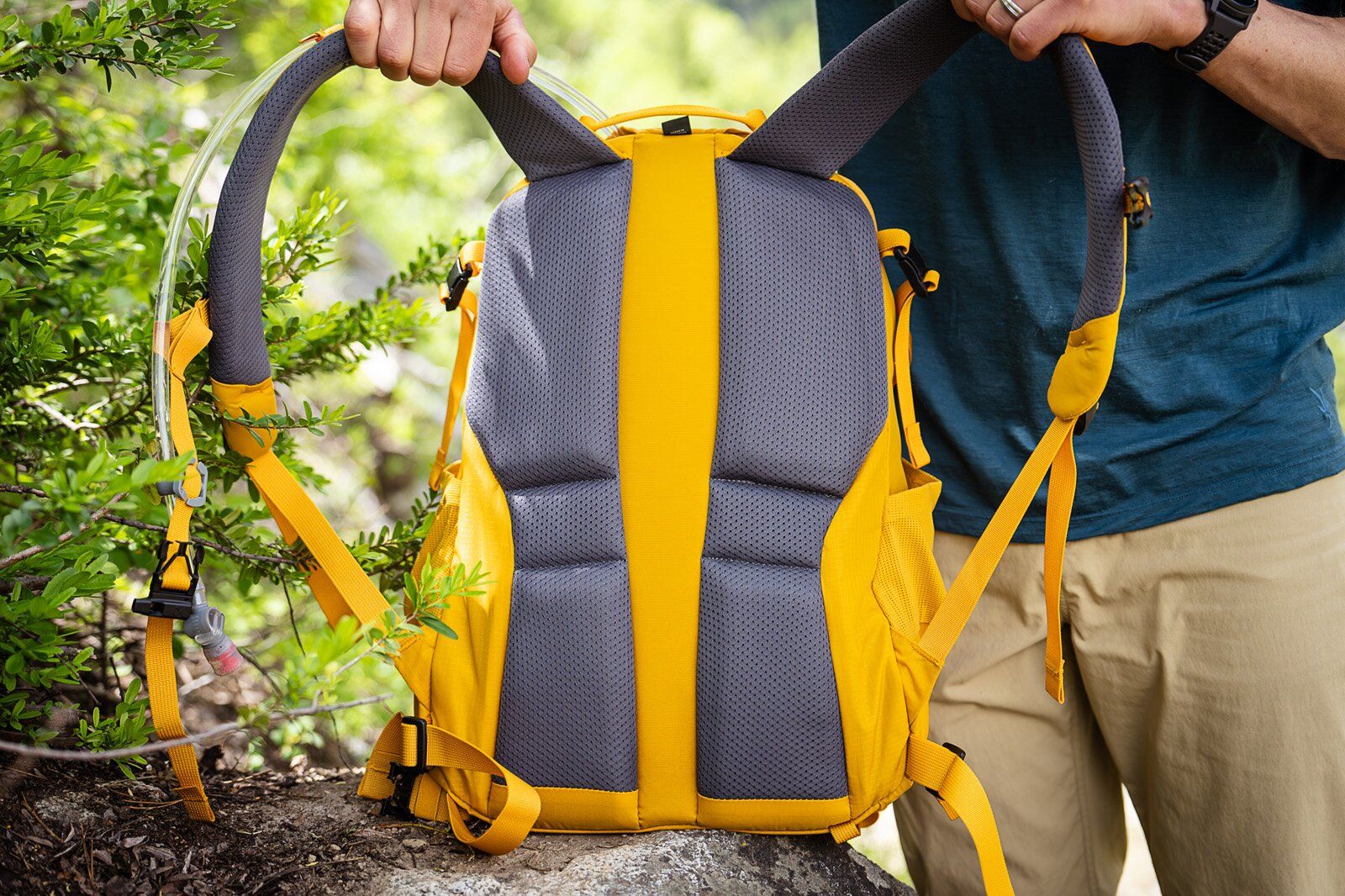
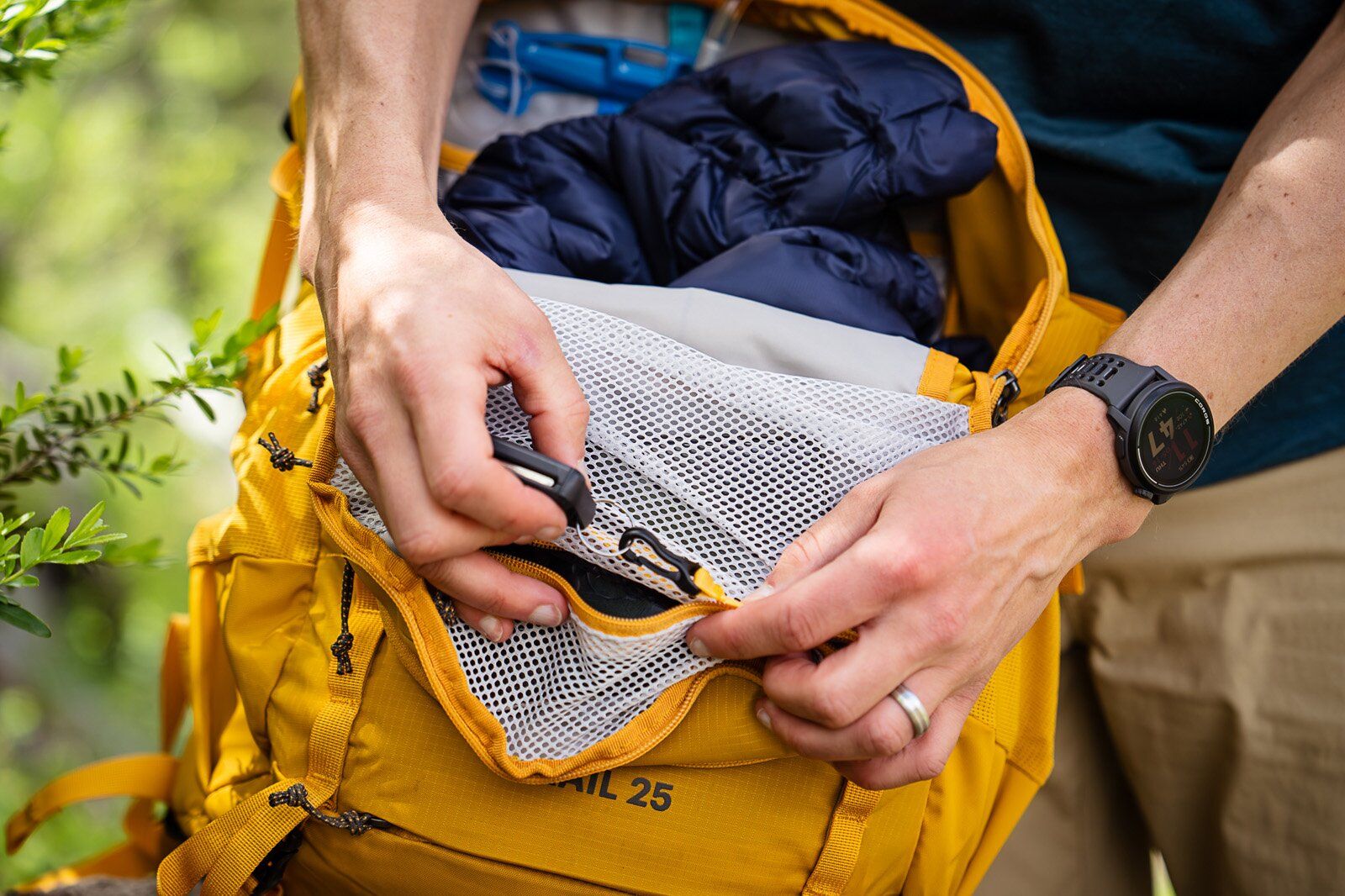
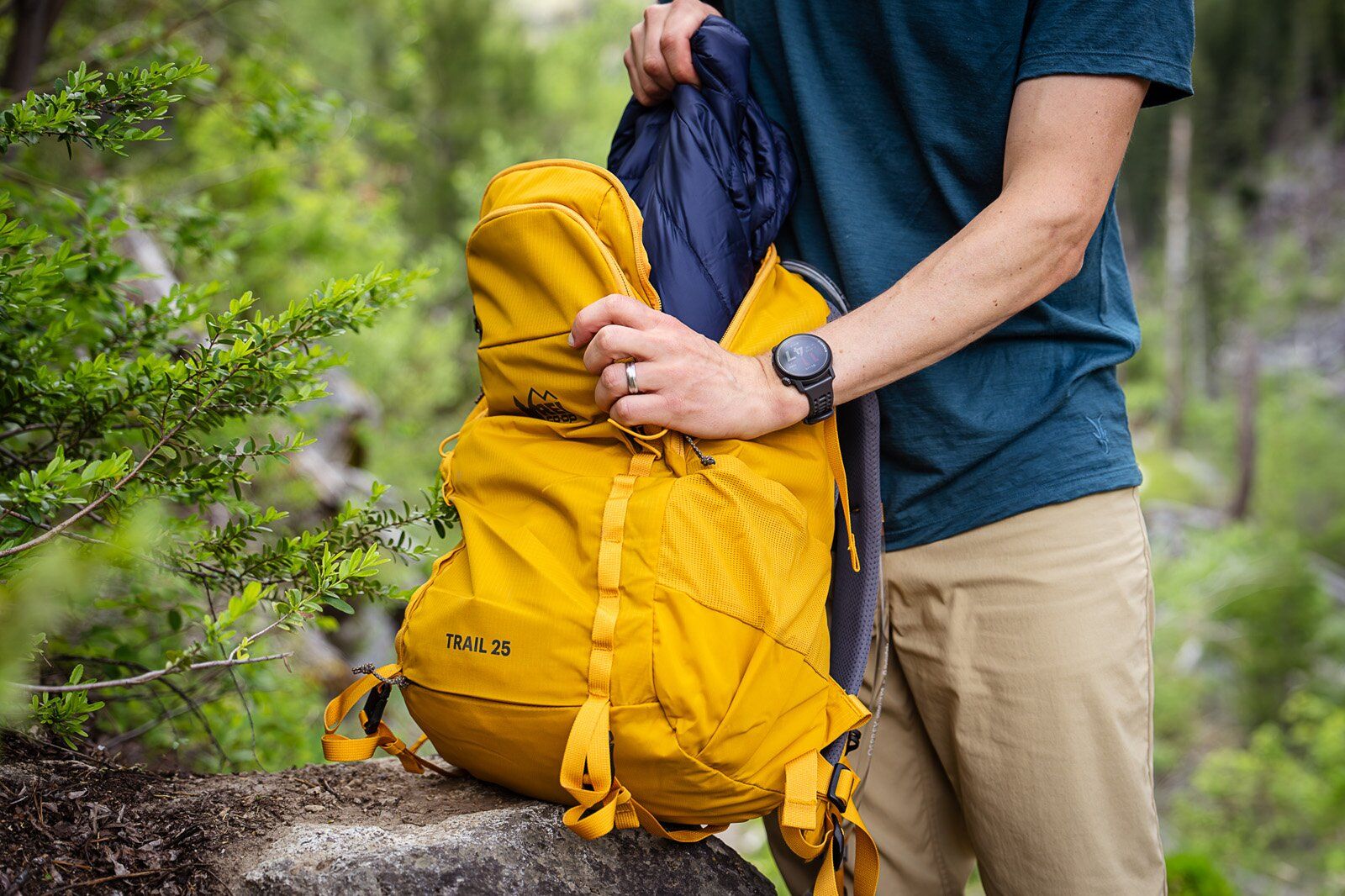
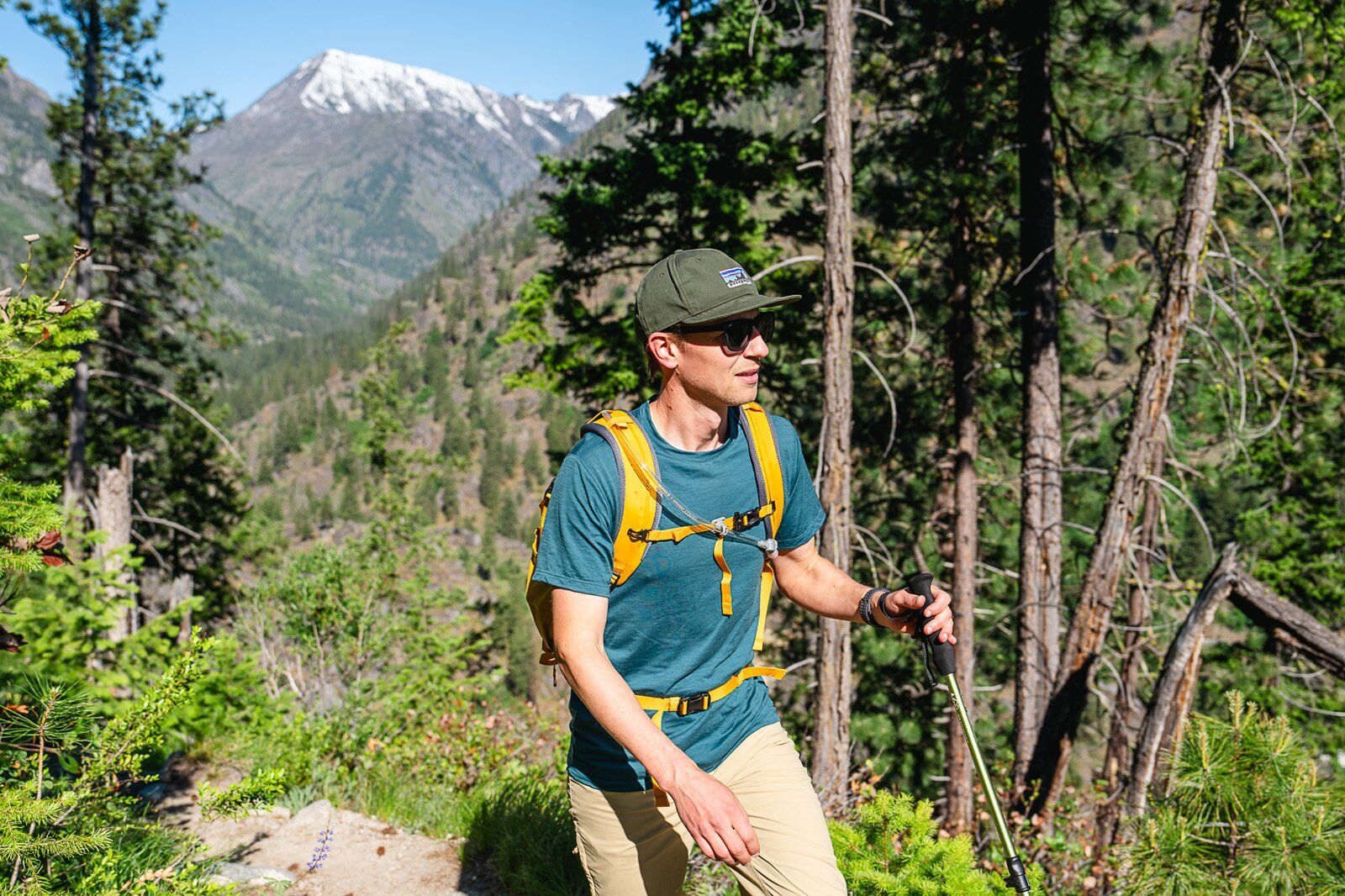
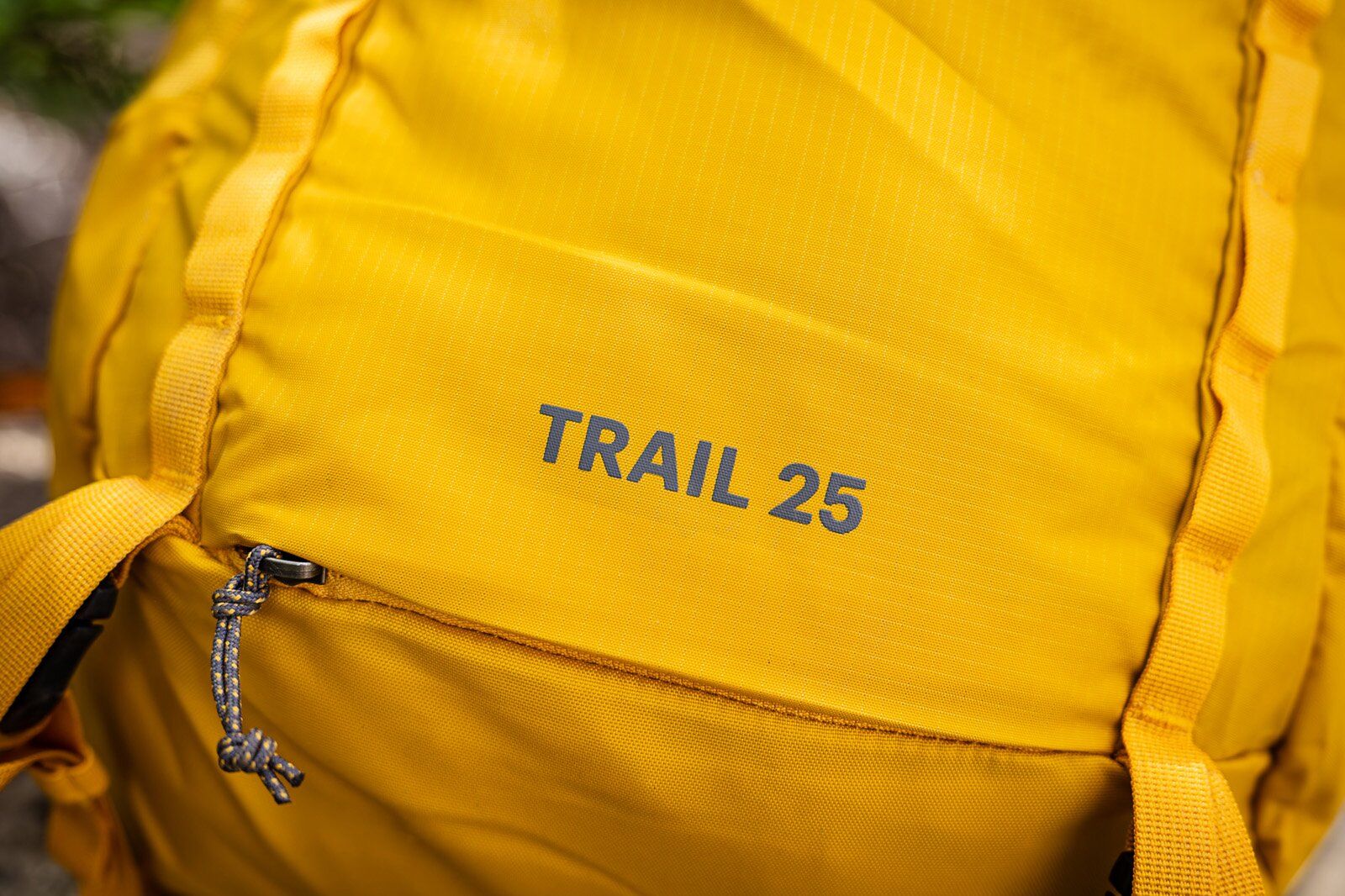
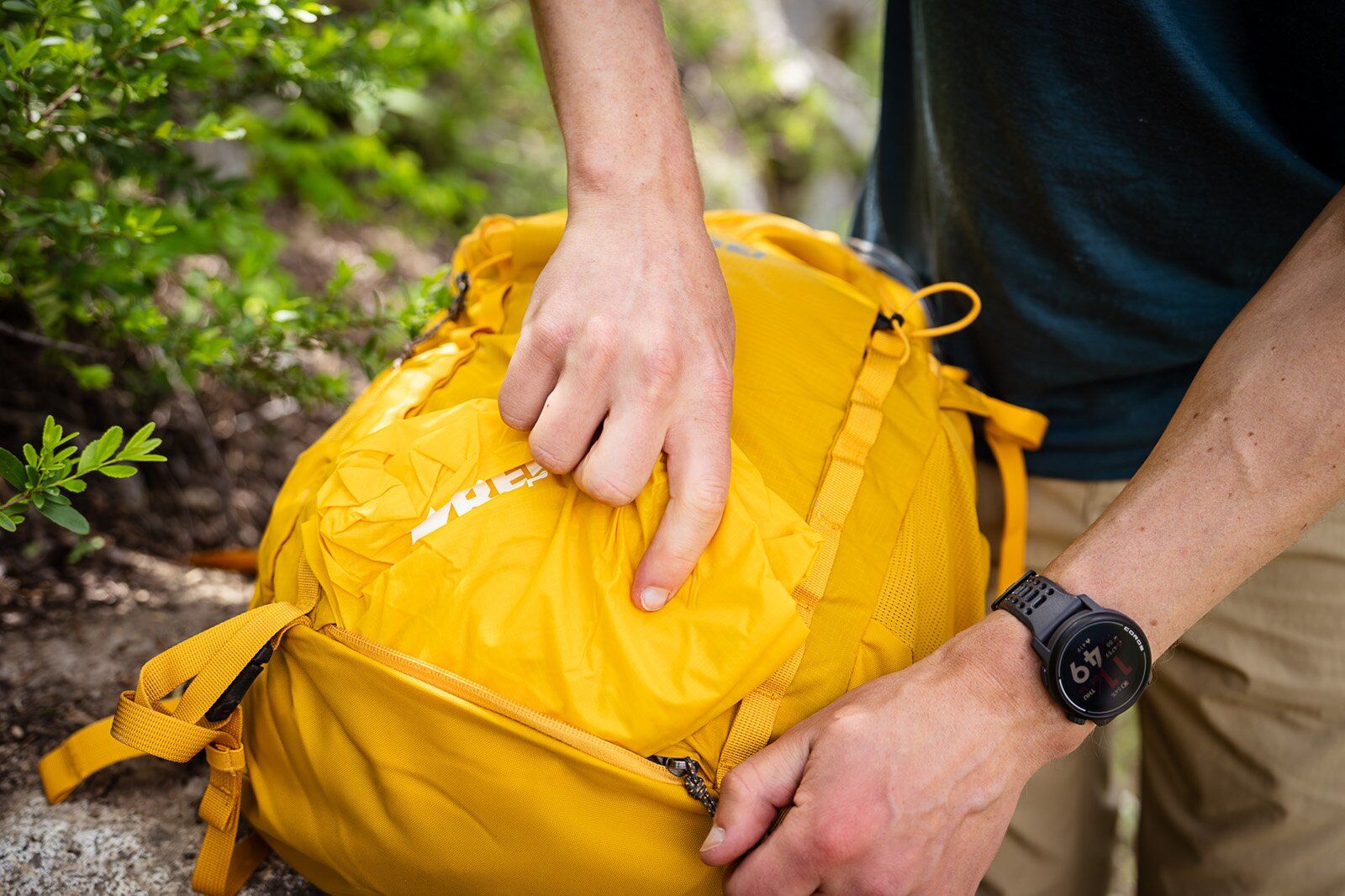
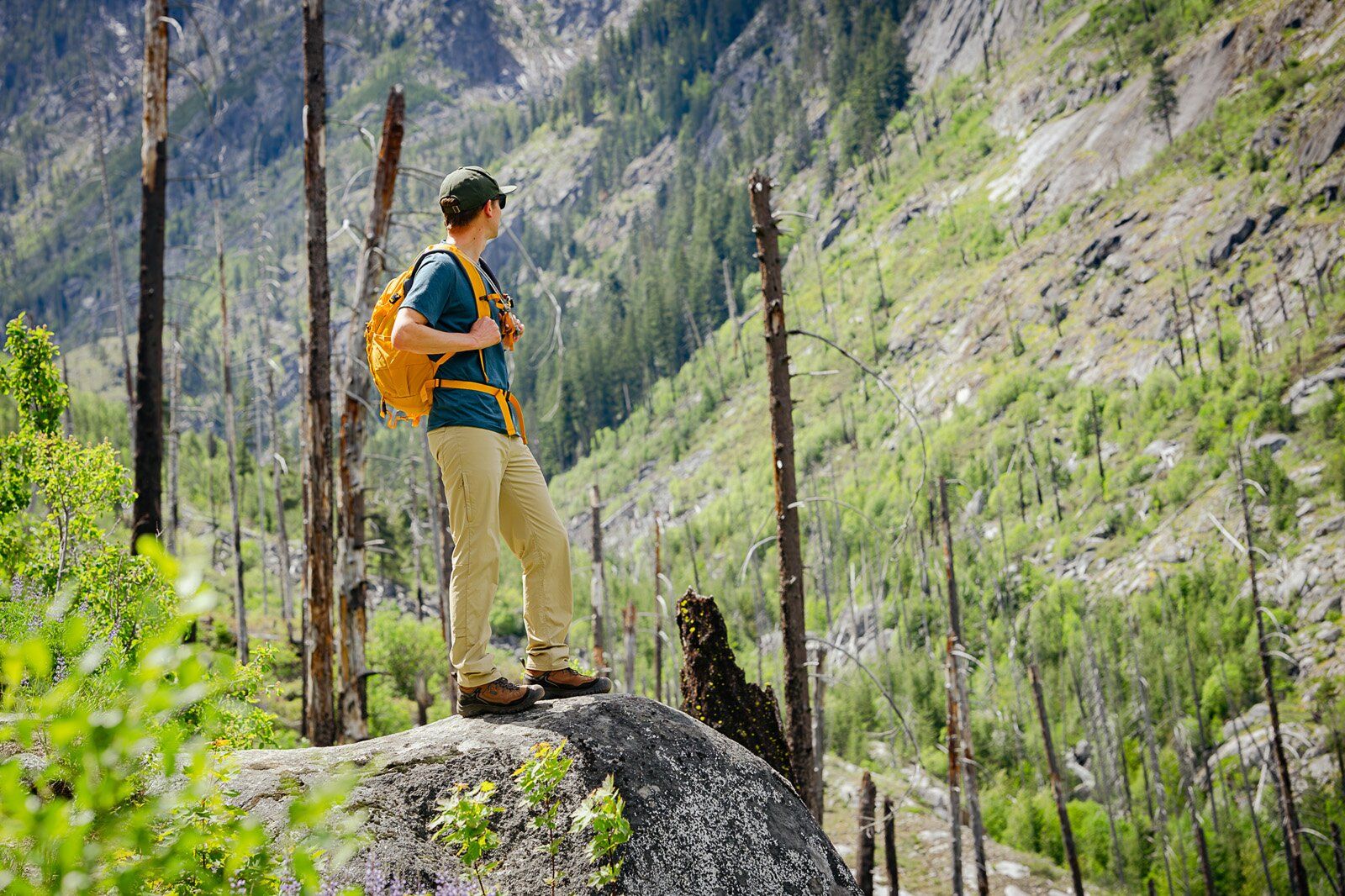
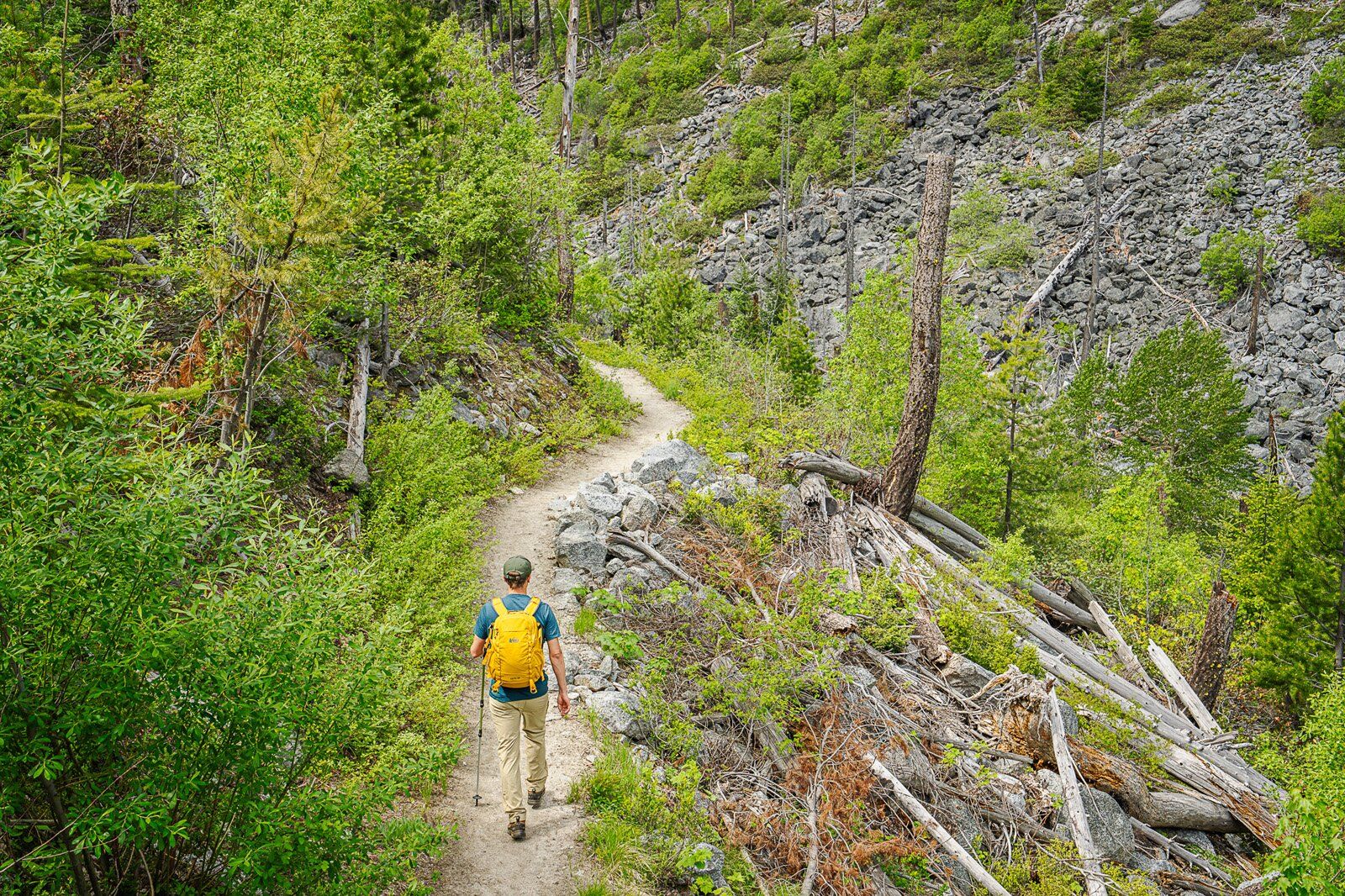
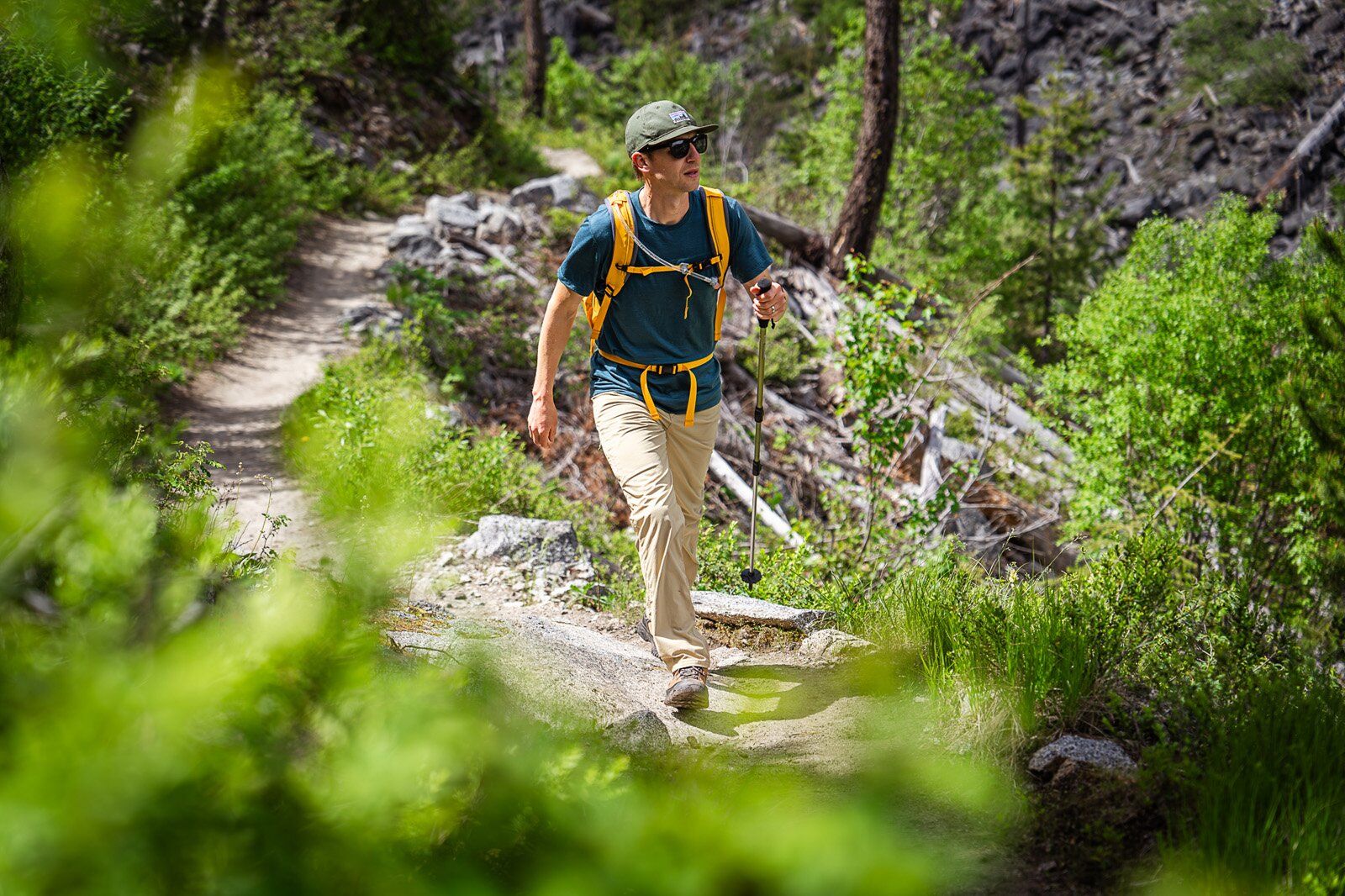
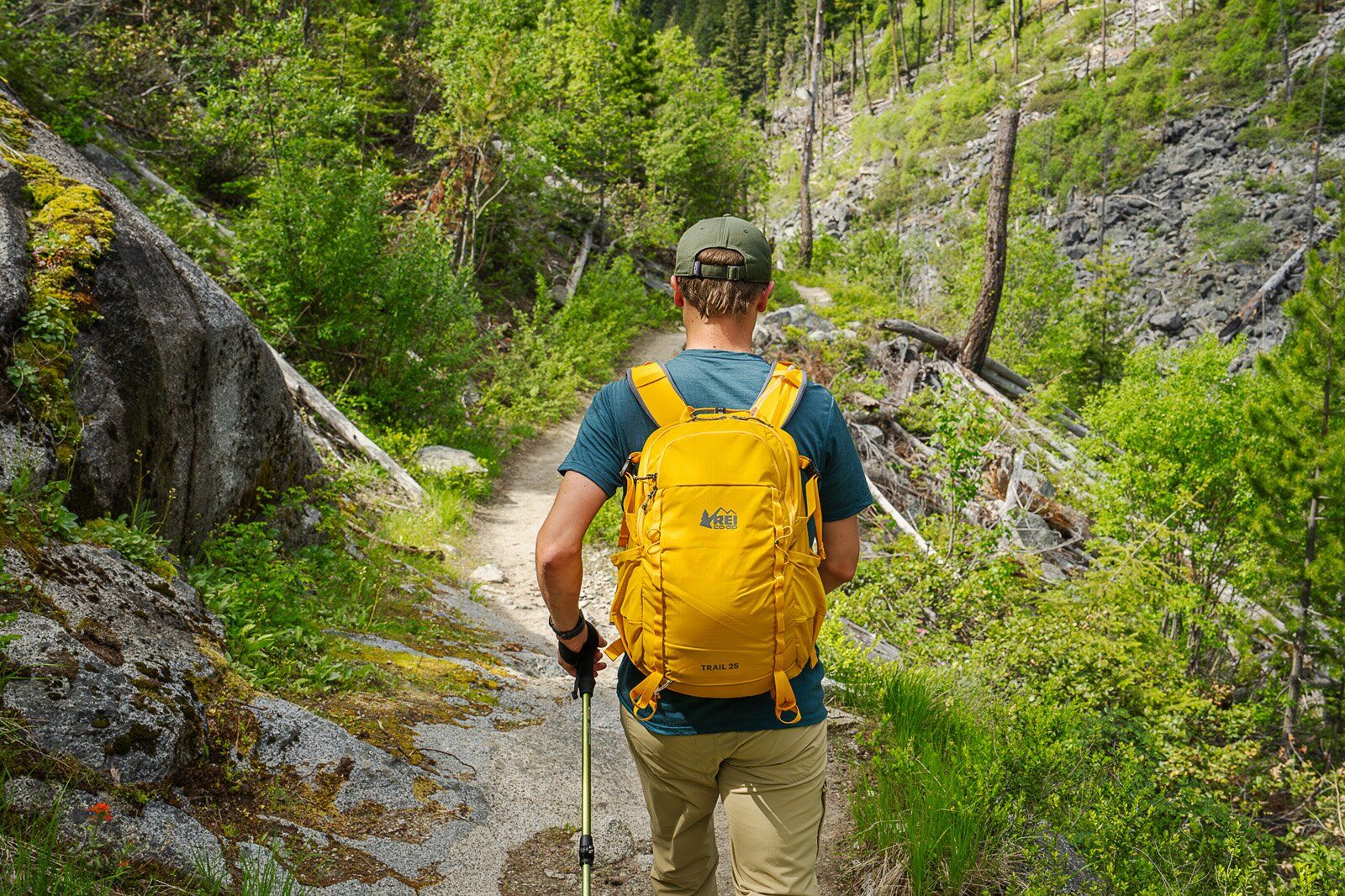
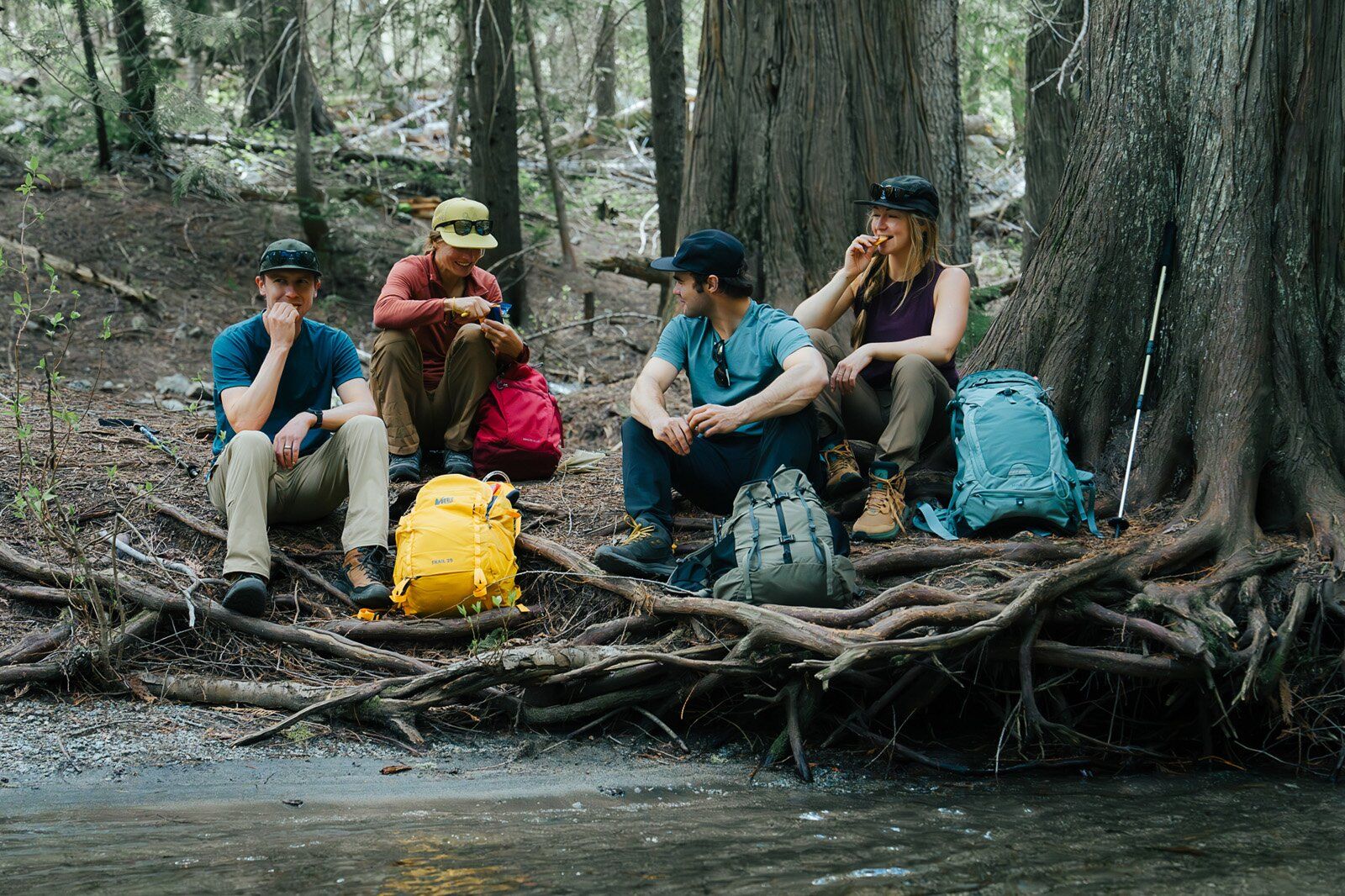
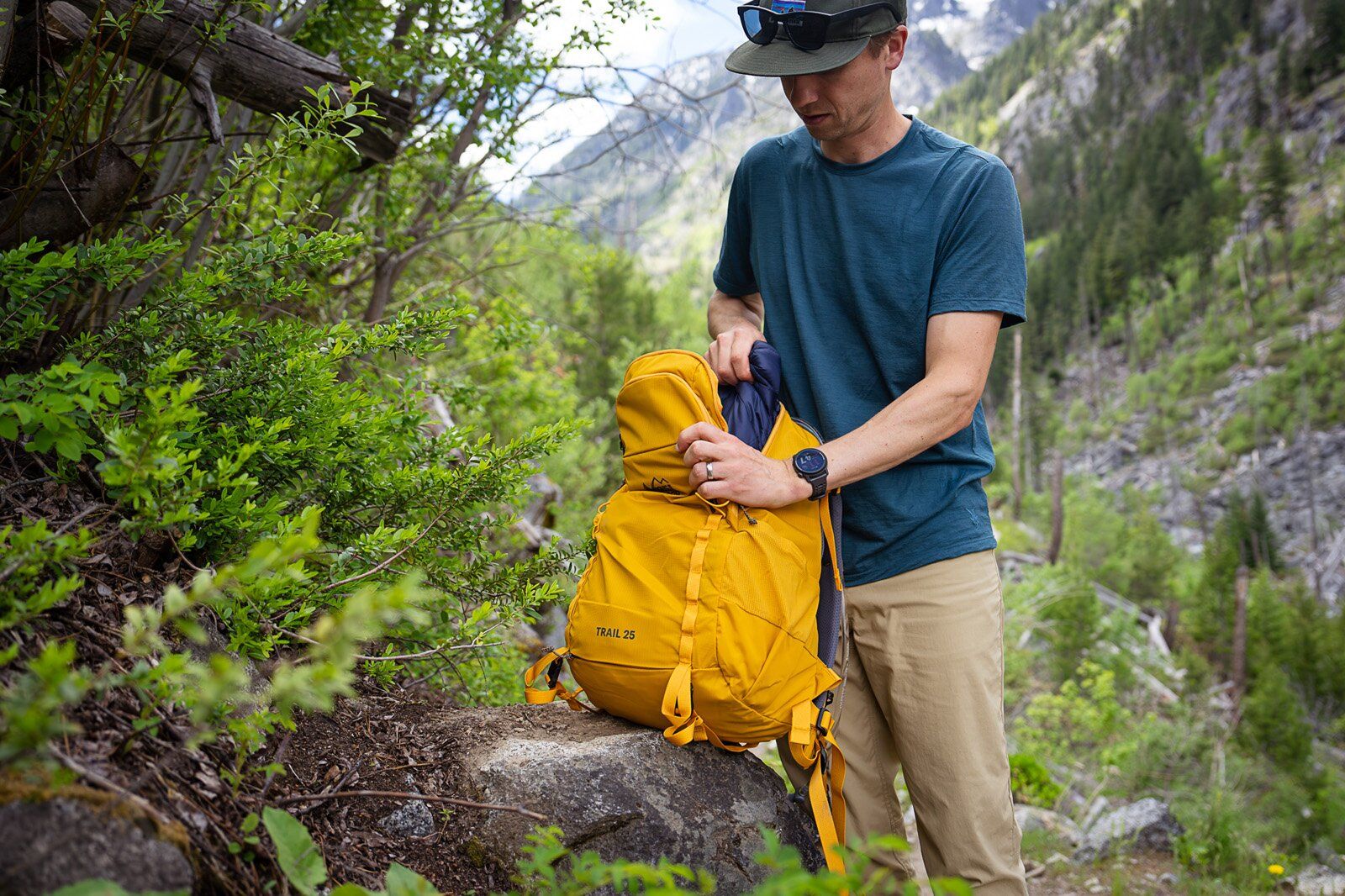
One of two budget-oriented REI packs that we tested, the Trail 25 sports a no-nonsense design that’s let down by its thin webbing hipbelt. While it has enough room for a day’s worth of supplies, the middling comfort makes it less of a value buy.
Comfort & Support
Organization
Weight
Durability
Water Resistance
Sustainability
Weight
1 lb. 13 oz.
Capacity
25L (40L)
Hipbelt
Webbing
Suspension
Framesheet
Pros
Cons
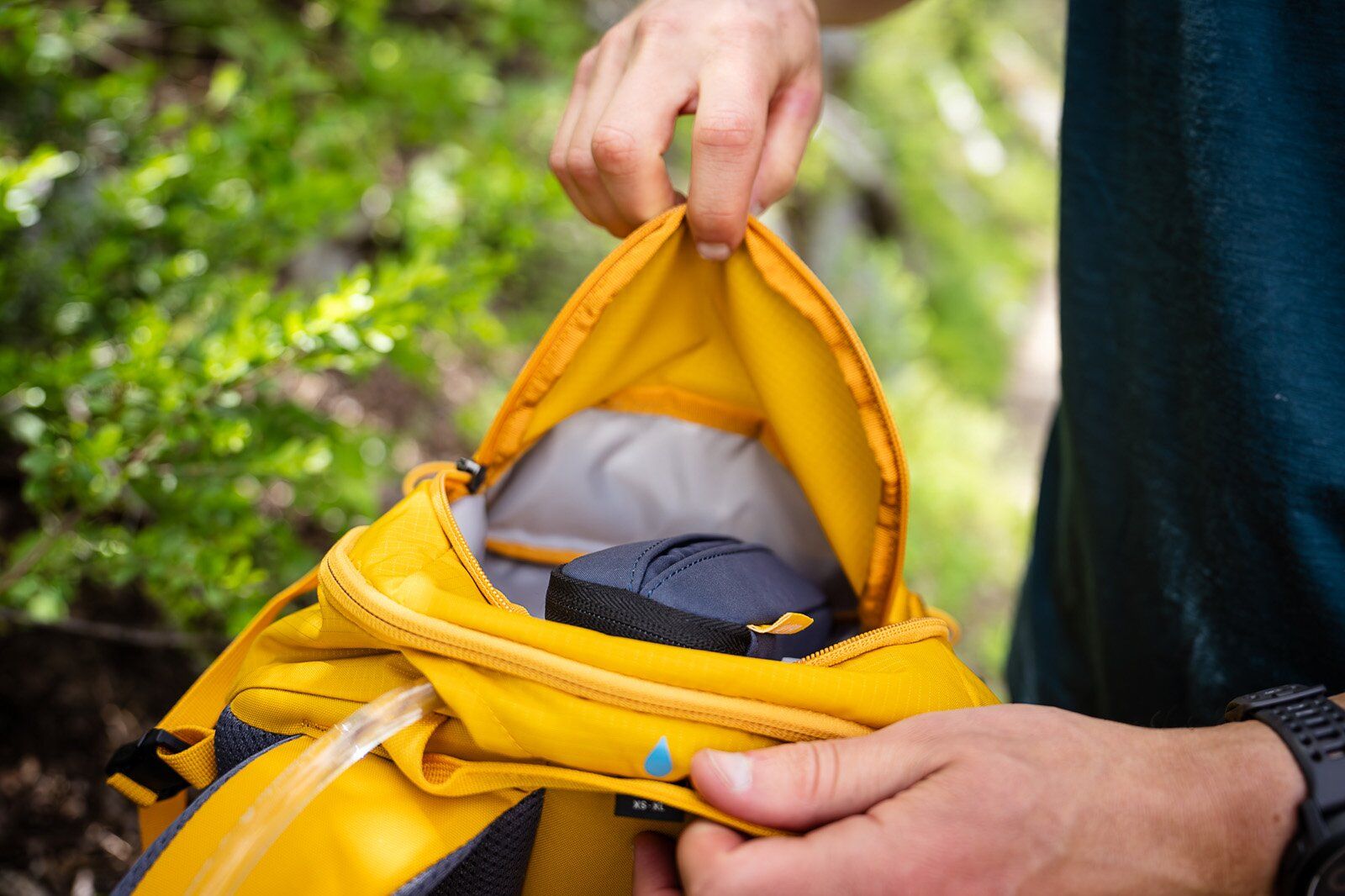
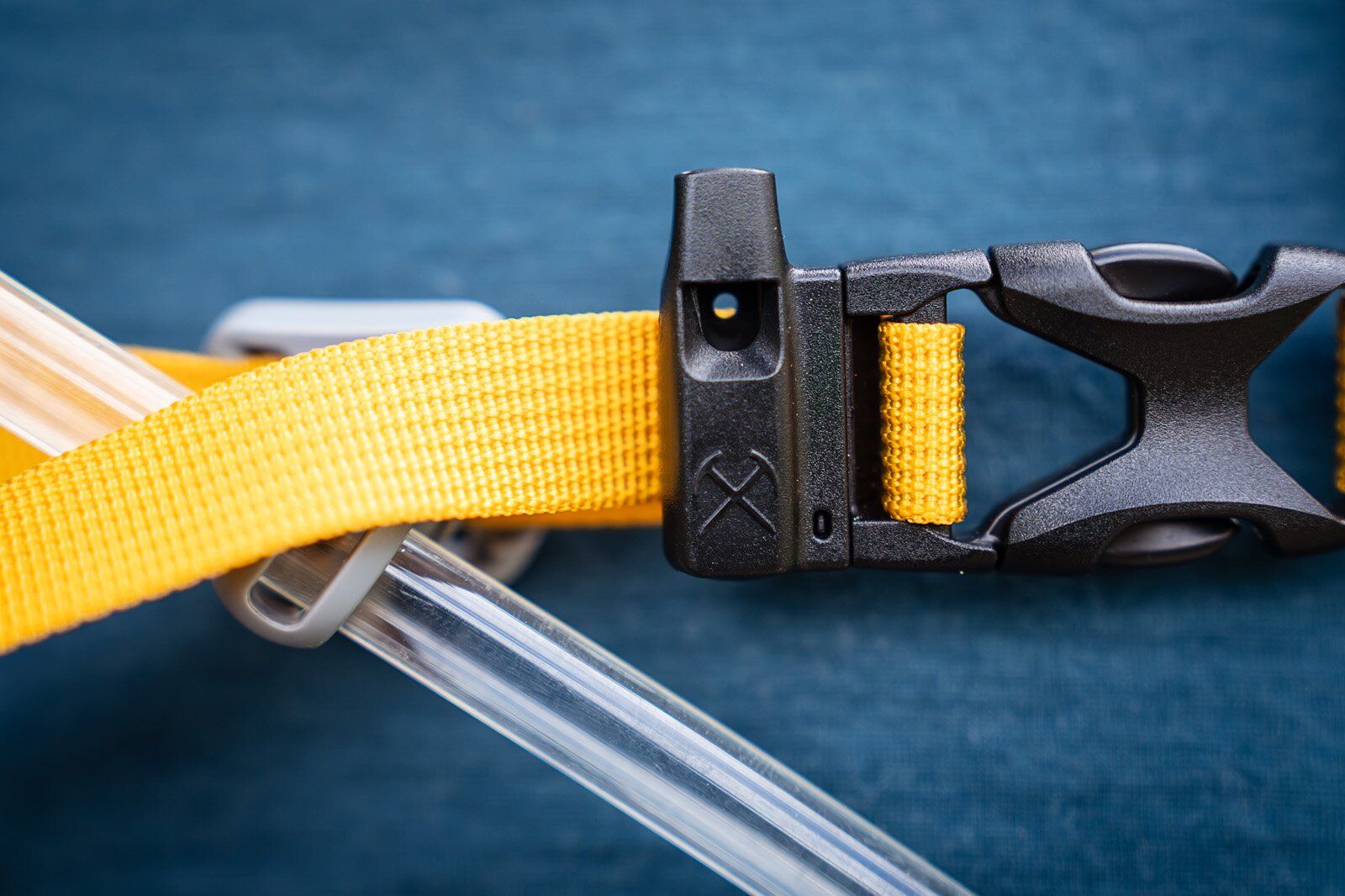
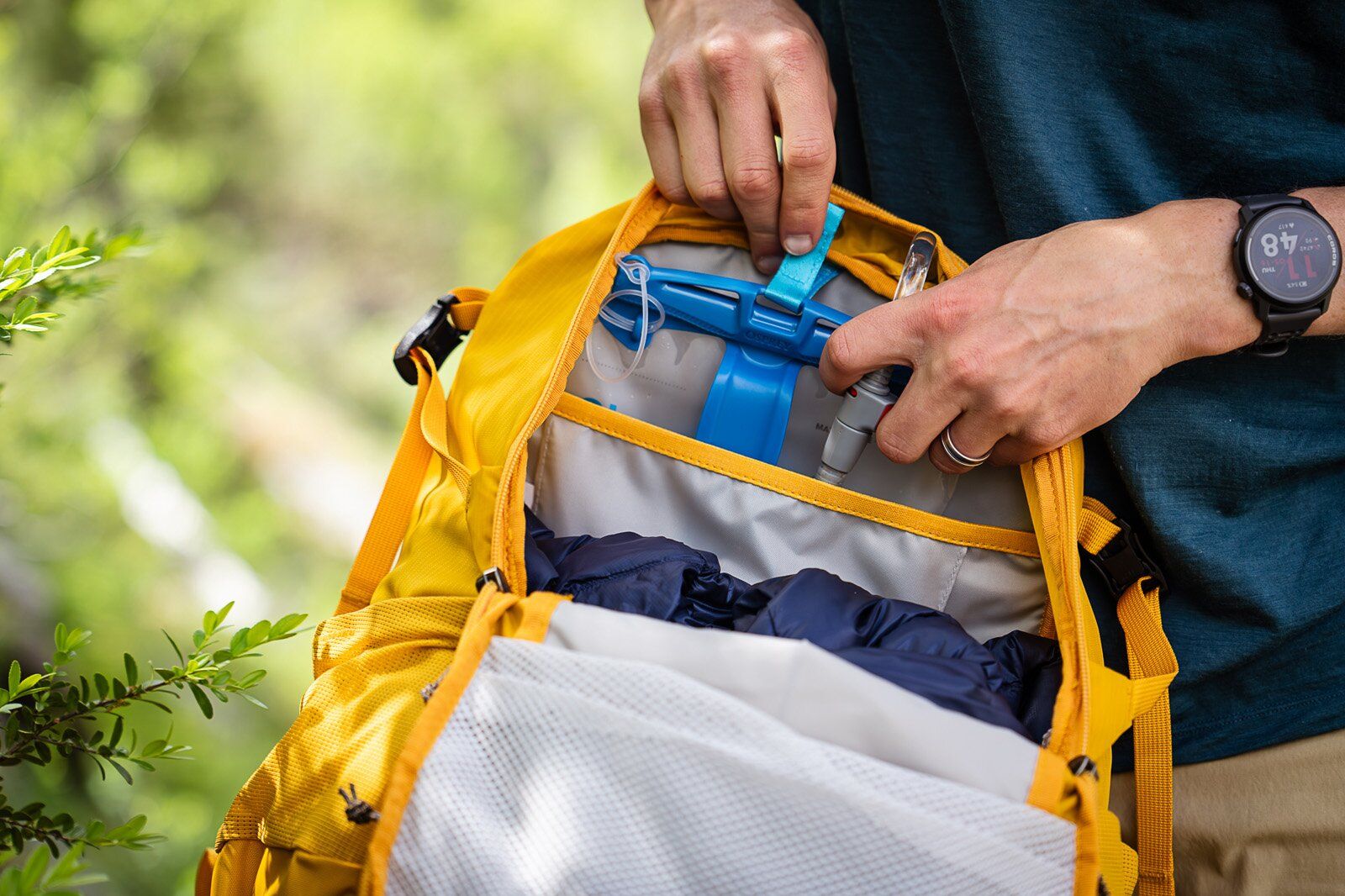
If you’re looking for an organizational superstar of a daypack at a reasonable price, the Trail 25 has you covered. Its spacious main compartment includes a mesh zippered pocket, a reservoir sleeve, and a mesh water bottle holder, while two stretch side pockets and a small zippered top compartment round out the storage options. We also appreciate the Trail 25’s abundant exterior attachment points and daisy chain loops, which allow you to strap on trekking poles, ice axes (though we’d question your terrain choices with this pack), or a sit pad. Our only storage gripe is the lack of a large mesh shove-it pocket, which we love for easy access to layers or storing wet gear.
In theory, the Trail 25 should be able to handle decent-sized day trip loads. Its structure consists of a high-density polyethylene framesheet, padded shoulder straps, and an adequately comfortable foam back panel. However, the thin, removable webbing hipbelt falls short in supporting medium-sized loads, limiting the pack’s overall carrying ability. A more substantial hipbelt would improve comfort, and we’d also love to see a zippered pocket or two for quick access to snacks and small essentials. In the end, the Trail 25 doesn’t quite justify its $100 price tag—there are better budget options out there, including the Osprey Daylite Plus and REI’s own Flash 22 (check out the versus section for more). For more, read our review of the REI Co-op Trail 25.
This fast-and-light pack has a busy aesthetic, with ample storage for technical missions and casual outings alike. The Gallagator 25 is also priced very competitively, although we think there are better running-oriented packs on the market.
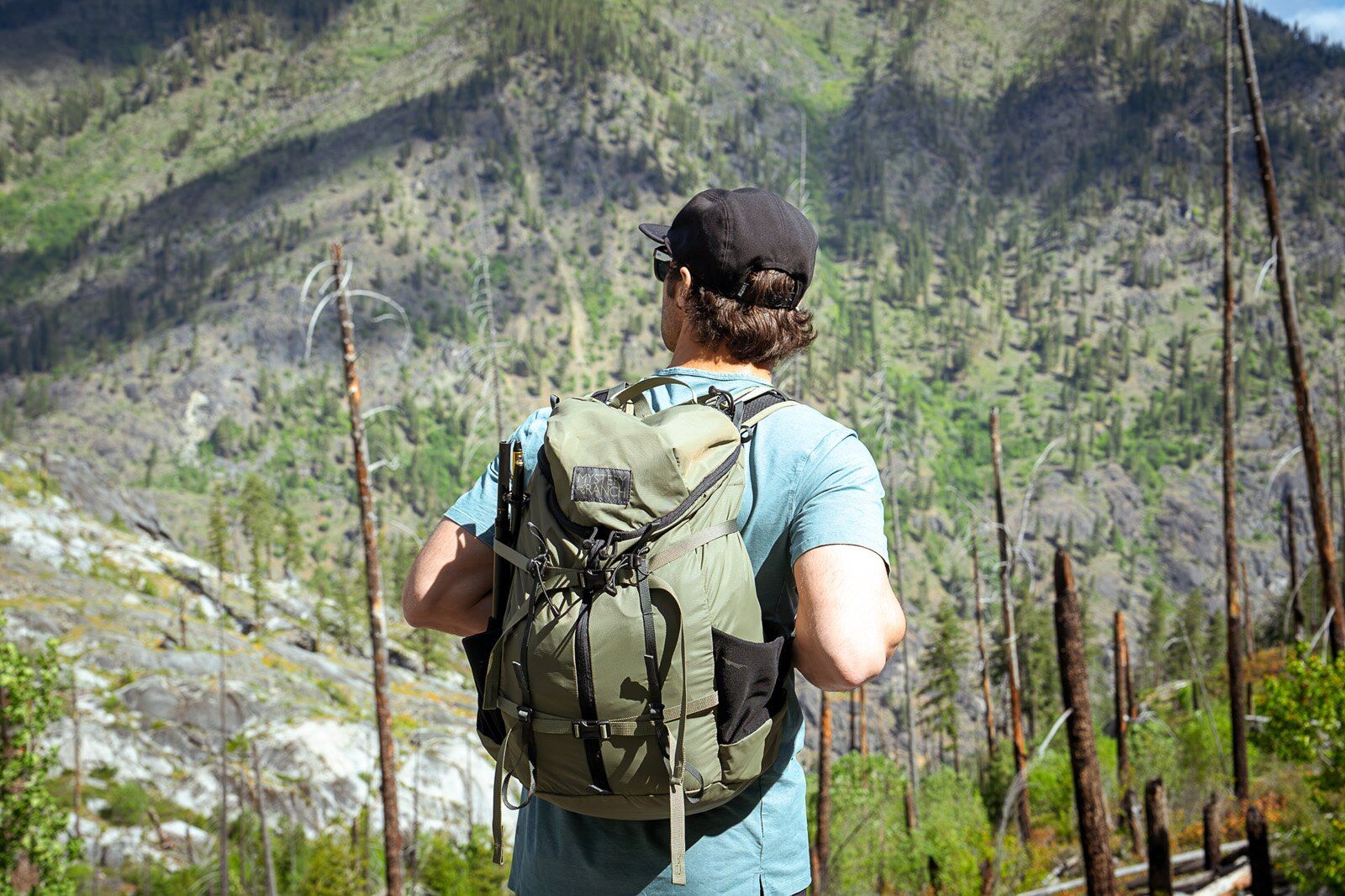
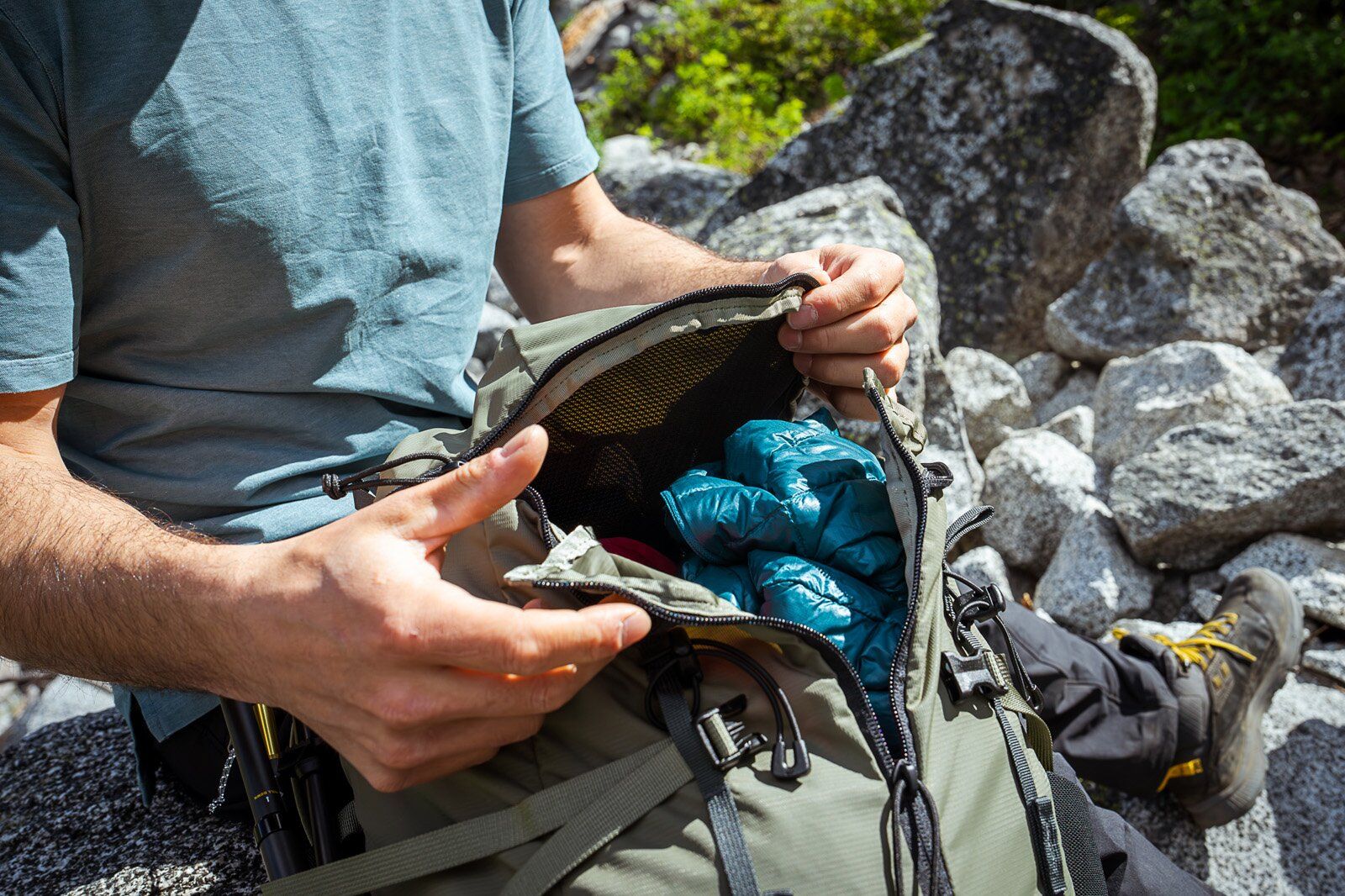
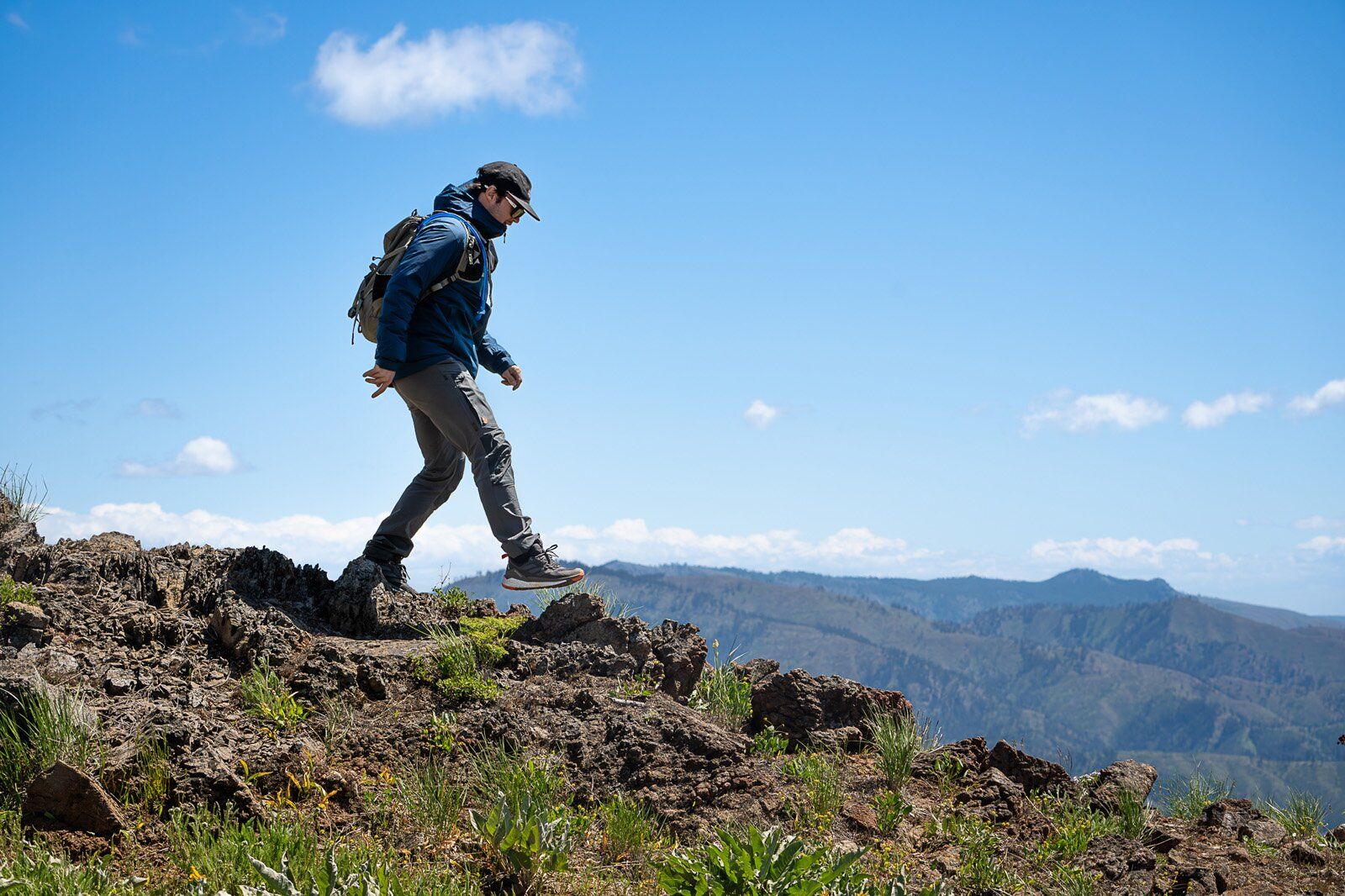
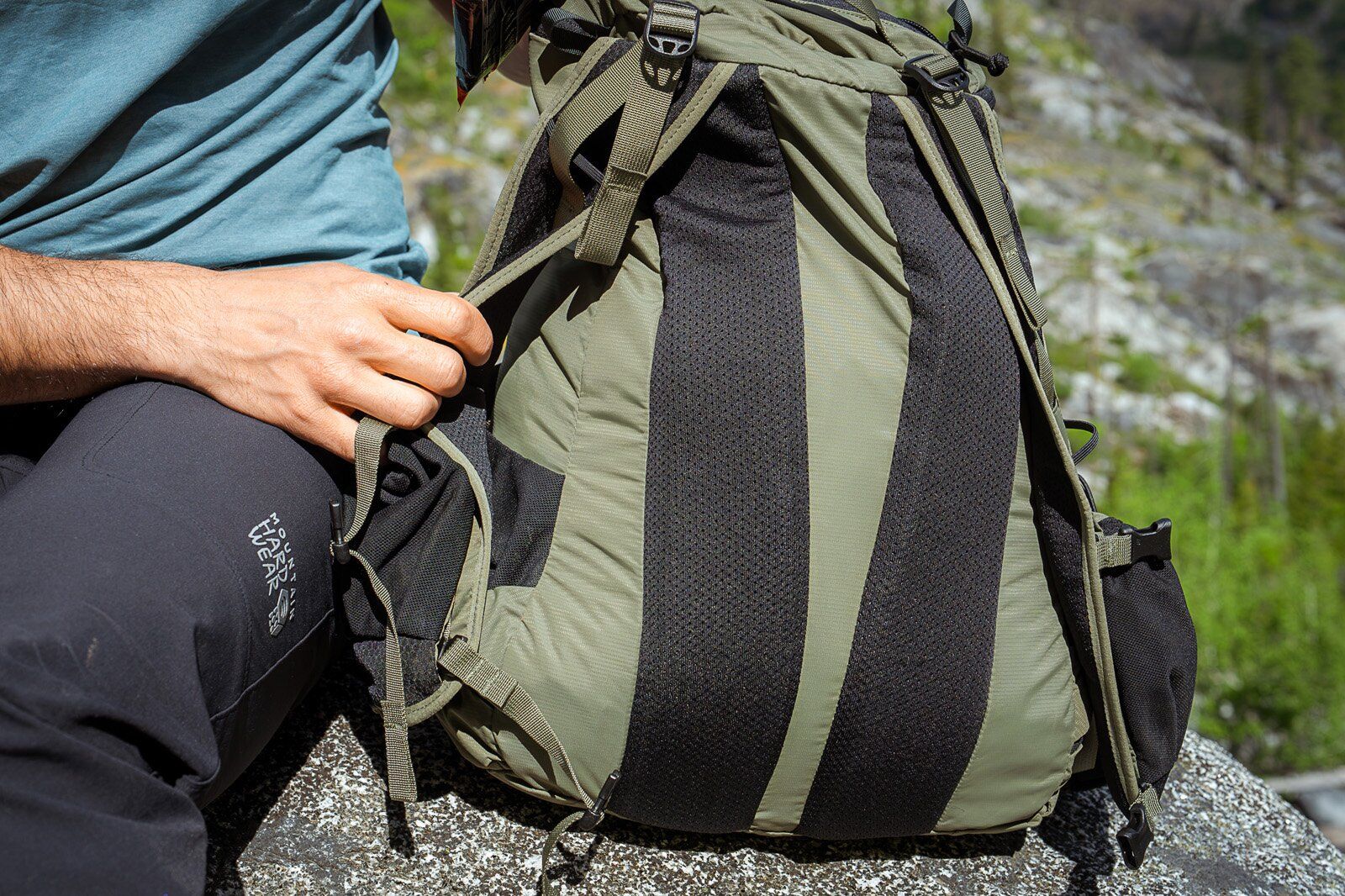
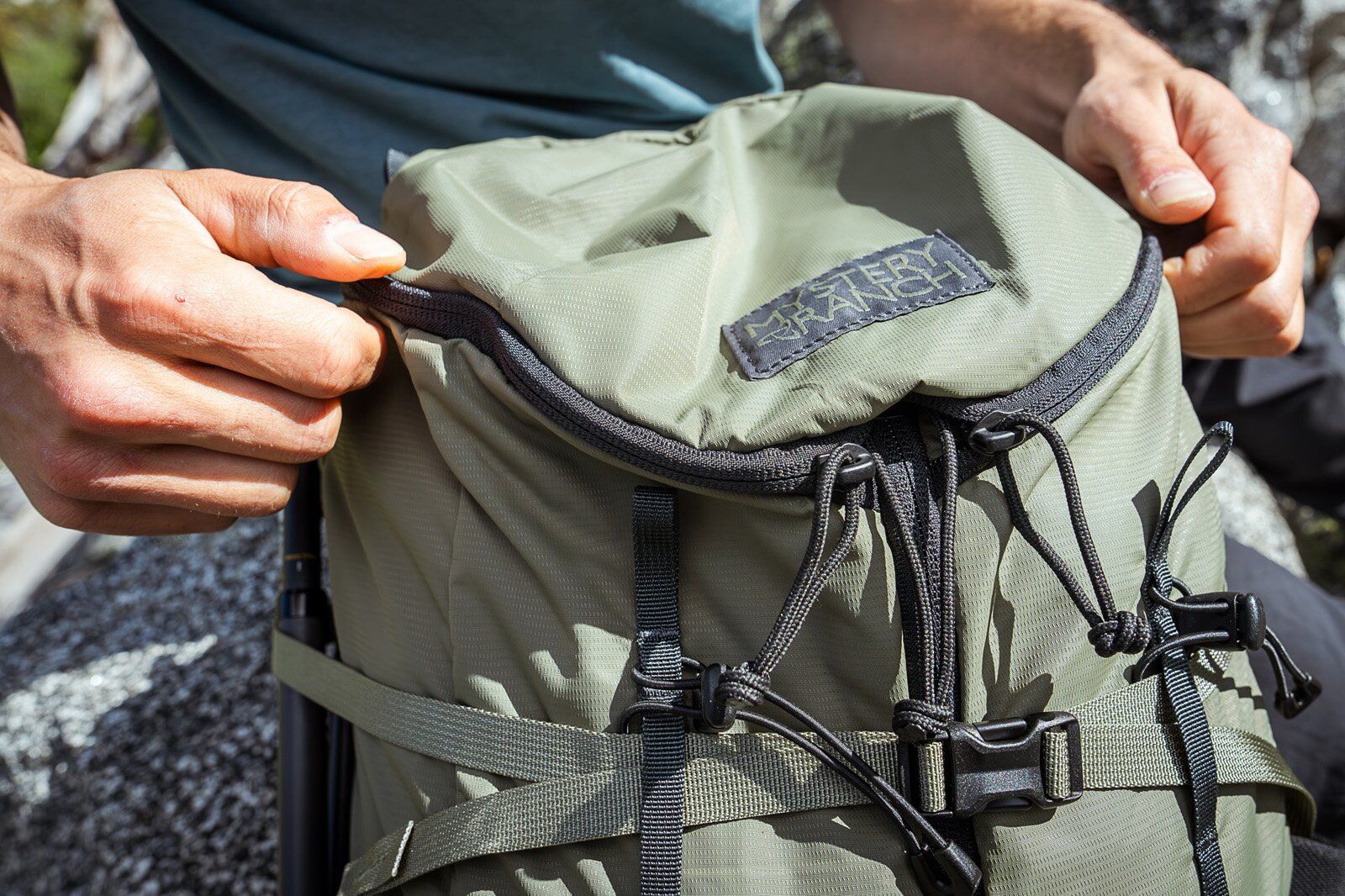
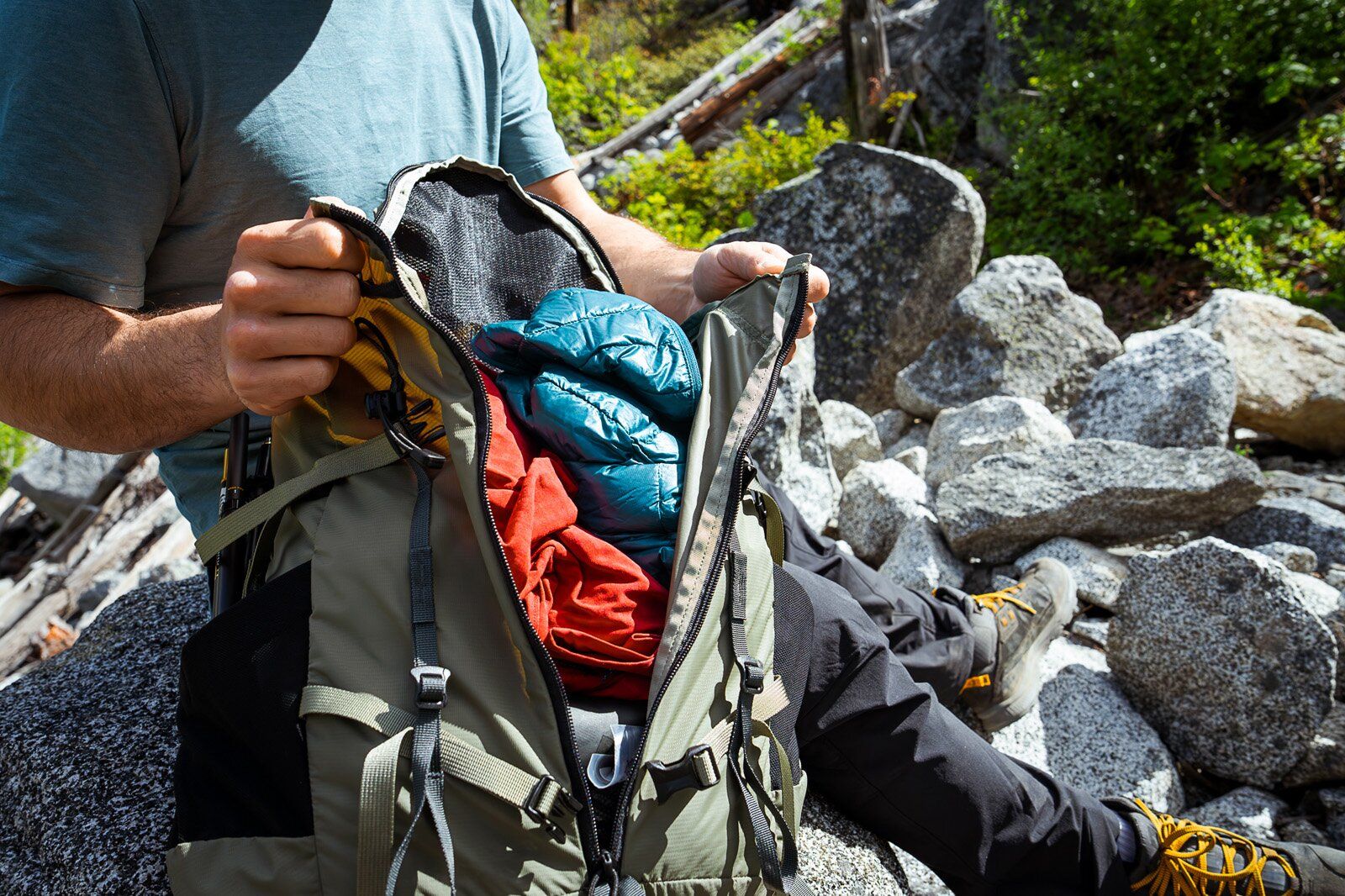
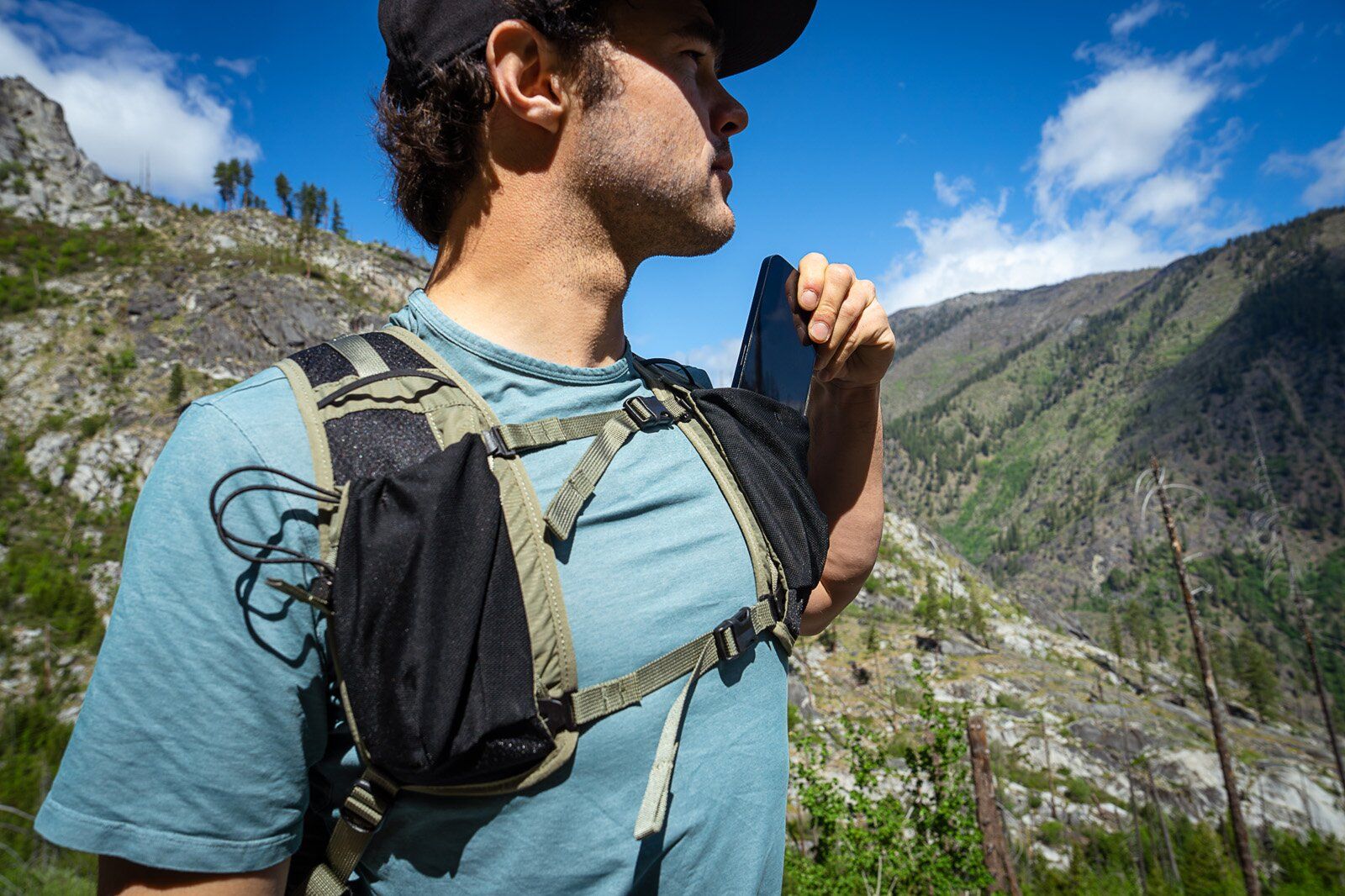
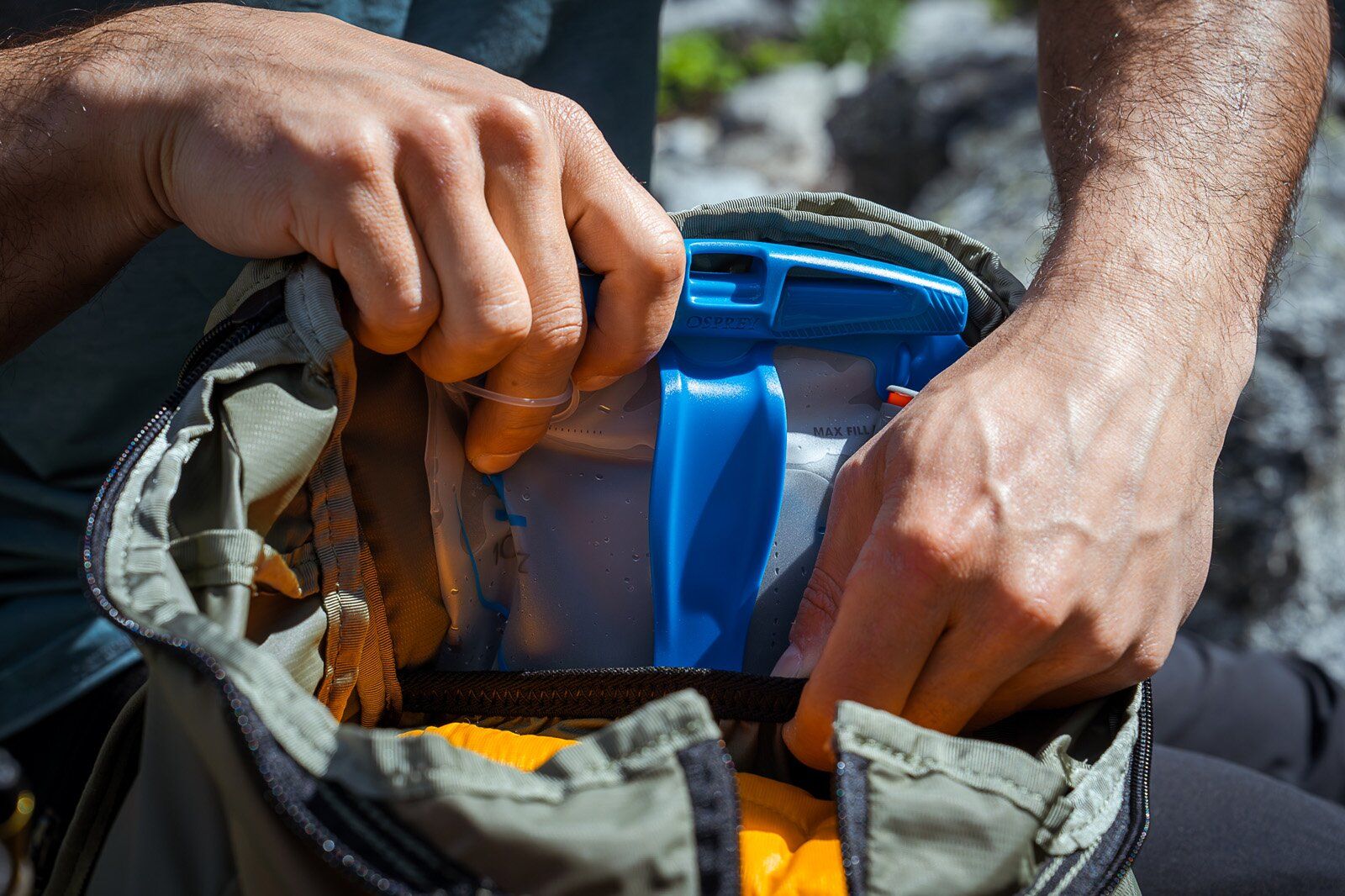
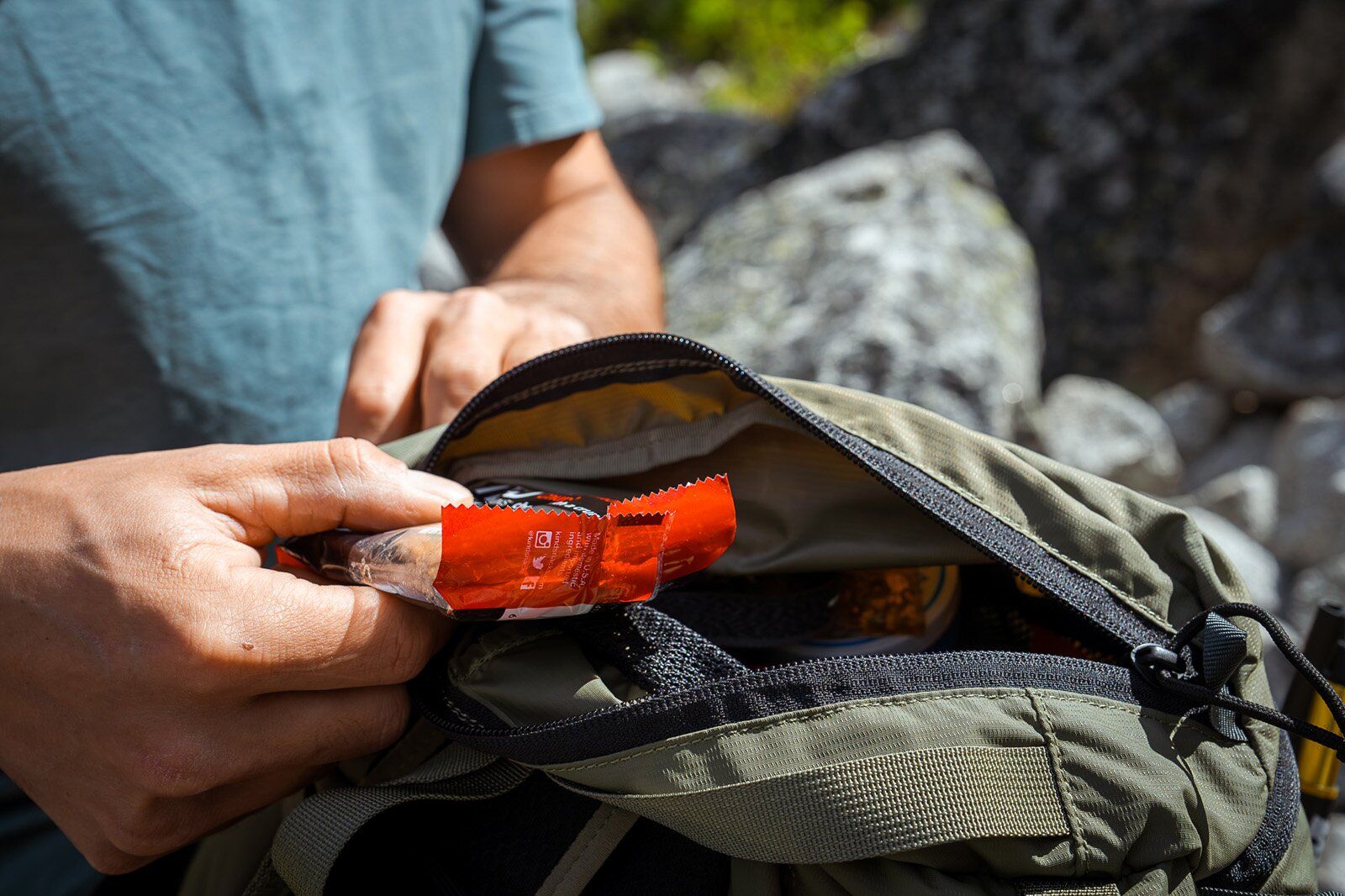
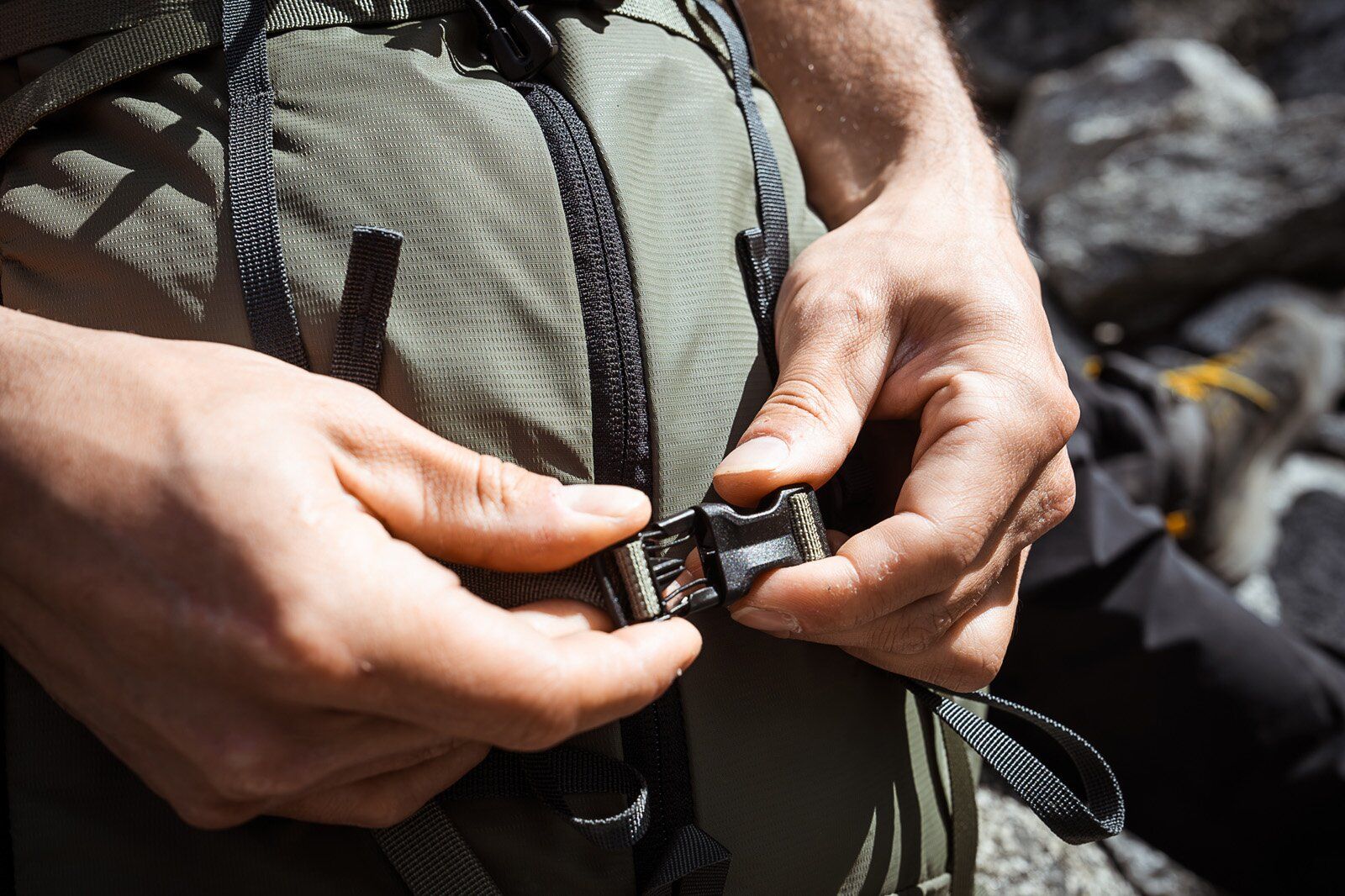
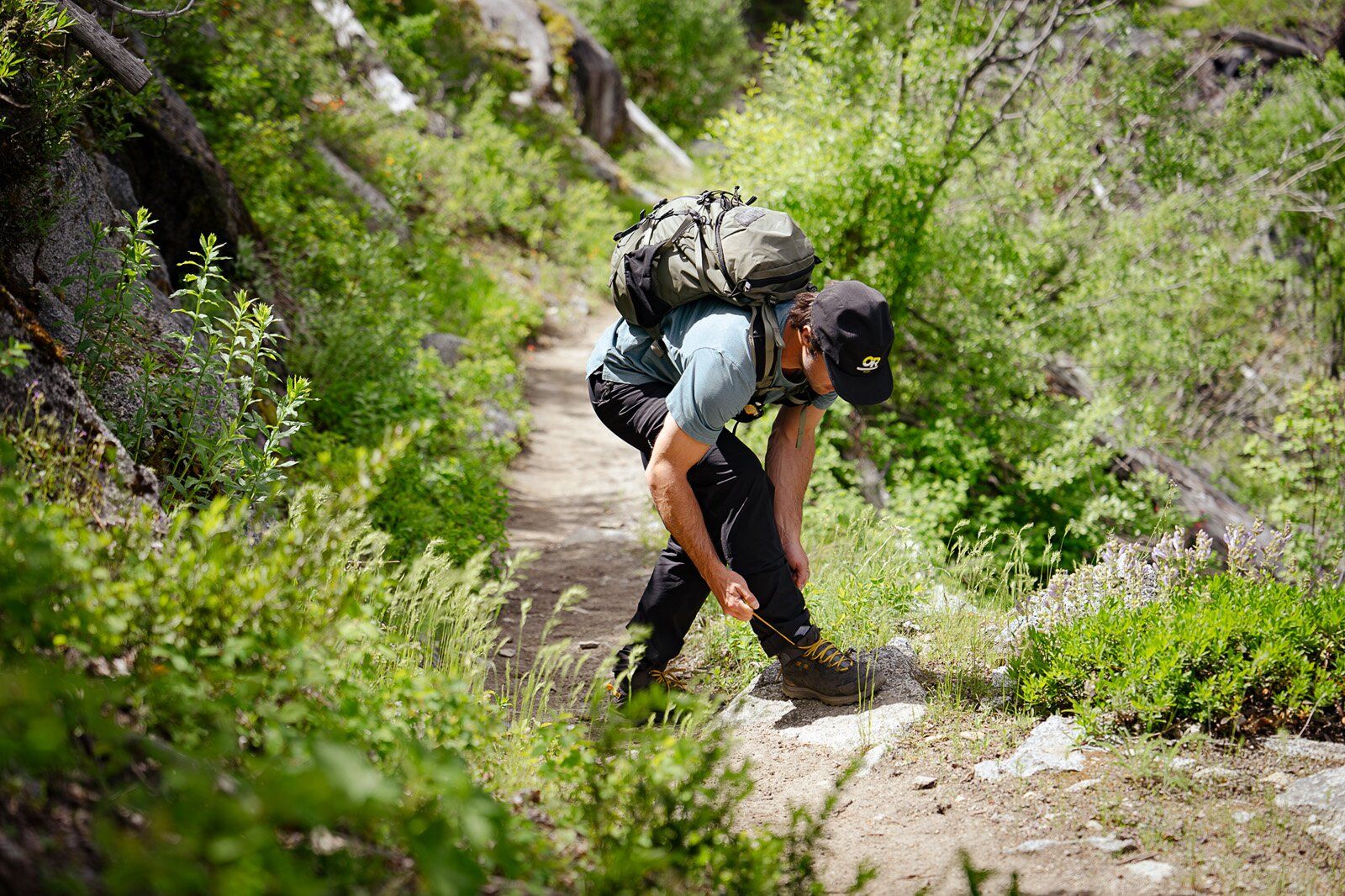
This fast-and-light pack has a busy aesthetic, with ample storage for technical missions and casual outings alike. The Gallagator 25 is also priced very competitively, although we think there are better running-oriented packs on the market.
Comfort & Support
Organization
Weight
Durability
Water Resistance
Sustainability
Weight
1 lb. 6.4 oz.
Capacity
25L (10, 15, 20L)
Hipbelt
None
Suspension
Frameless
Pros
Cons
The Gallagator 25 straddles the line between daypack and running vest, offering a lightweight build (just over a pound) that makes it well-suited for fast-paced, high-mileage adventures. Despite its frameless design, minimalist backpanel, and lack of a hipbelt, we found it comfortable enough for loads up to 12 pounds, thanks to its plushly padded backpanel and shoulder straps. That’s not particularly impressive for a 25-liter pack, but it’s on par with similar hybrid pack/vests like the Black Diamond Distance 22.
Despite its low weight, the Gallagator takes a maximalist approach to storage, featuring front pockets for a soft flask or snacks, a tri-zip main compartment, a hydration reservoir sleeve, and compression straps galore. The tri-zip design is polarizing—some will love the extra access, while others may find it overcomplicated. The front storage is underwhelming compared to true running vests, lacking secure zippered pockets and ample quick-access space.
Durability is another notable drawback, with surprisingly thin 70- by 140-denier nylon—a departure from Mystery Ranch’s typically burly designs. All told, there are more durable, better-organized, and more comfortable options for running and fastpacking. But at $125, the Gallagator remains one of the most affordable vest-style packs on the market. Mystery Ranch also offers 10-, 15-, and 20-liter versions, but at that size, we’d just opt for a dedicated running vest. For more, read our review of the Mystery Ranch Gallagator 25.
The Miko is a simple yet technical daypack done right. It hits all the right notes for light-load hiking, and it’s versatile enough for backcountry and commuting use. However, other packs offer more impressive features for about the same price.

Comfort & Support

Organization

Weight

Durability

Water Resistance

Sustainability
The Zulu 24 LT is basically a backpacking pack in miniature, and we mean that as a compliment. This is a comfortable, sturdy daypack with excellent design elements, especially its breathable trampoline-style backpanel. We wish it came in more sizes, though, and was a bit lighter.
Comfort & Support
Organization
Weight
Durability
Water Resistance
Sustainability
The Distance wants to turn you into a mountain-eating speed demon. This light pack has storage for every gel packet and wicking layer you possess, and its beefy running vest-style harness hugs it close to your body on scrambles and trail runs. Make sure not to overload what little support it offers, though.
Comfort & Support
Organization
Weight
Durability
Water Resistance
Sustainability
Osprey Downburst 26 ($300): IPX5 Waterproofing
If you regularly hike in sustained wet conditions and keeping your gear dry is a top priority, Osprey’s Downburst is worth a look. This pack features a full TPU coating and a roll-top closure, earning it an IPX5 waterproof rating—meaning it can handle heavy rain and splashes but isn’t submersible. That said, we’re a bit surprised by Osprey’s highly specialized design choice, especially given the Downburst’s hefty weight (3 lbs. 3.2 oz. for the 26L version) and steep $300 price tag. However, for boaters, anglers, or anyone needing serious waterproofing, it’s a more comfortable and supportive alternative to ultralight options like the Hyperlite Elevate, with better storage and sizing choices.
Black Diamond Trail Vista 20 ($160): Casual and Comfortable
Black Diamond’s daypacks tend to lean technical (see the Distance and Pursuit lines), but the Trail Vista takes a more approachable, comfort-first approach for everyday trail-goers. With a lightweight internal frame, it handles loads over 15 pounds with ease, while an adjustable torso length and two size options help fine-tune the fit. BD also incorporated plenty of thoughtful storage, including two hipbelt pockets (one zippered, one stretch) and a shoulder strap pocket for a soft flask, sunglasses, or phone. To top it off, the soft, corduroy-like hipbelt adds a touch of luxury for all-day comfort. For a casual yet capable option from BD, the Trail Vista 20 and 28 are worth a look.
Gregory Kiro 24 ($110): Stretchy, Wide Webbing Hipbelt
Available in 20-, 24-, and 28-liter capacities, the Gregory Kiro sets itself apart with a garment-like fit. Unlike most body-hugging packs—many of which prioritize front storage and forgo a hipbelt—the Kiro takes a different approach with a wide, stretchy hipbelt for added stability. We’ve used a similar design on Gregory’s Verte resort-skiing pack and loved the secure, supportive feel. Paired with its comfort-first intentions, the Kiro’s reasonable weight (1 lb. 8 oz.) and price put it in that Goldilocks zone of versatile, approachable daypacks that work well for a variety of adventures.
Our overall rating evaluates a daypack’s full spectrum of qualities, including price, build quality, performance (relative to intended use), durability, sustainability, and more. At the top of our rating scale are standout packs that bring something special to the table, whether they’re best-in-class performers or budget-friendly models with well-executed features. For most hikers, we recommend choosing a pack with an above-average rating—there’s simply no reason to settle, and a great daypack can make every outing that much more enjoyable. That said, lower-rated packs still earn a spot on our list for good reason. Some may cater to specific design preferences, while others may be perfectly sufficient for hikers who only hit the trail a few times per year.
The comfort and support category is likely your top priority when purchasing a daypack, whether you’re a seasoned adventurer, a trail runner, or a casual hiker. To determine a pack’s score, we assess how well it distributes weight across your back, torso, and hips, as well as the cushioning (or lack thereof) in the backpanel, shoulder straps, and hipbelt. Padding is always a plus, and breathability is key—especially if you run hot. Most highly rated packs use a metal frame or plastic framesheet to help distribute the load and add support. However, a highly structured pack doesn’t translate to comfort for everyone—some hikers prefer lightweight, minimalist designs that form to their bodies and move with them. Thus, a lower comfort score doesn’t necessarily mean a pack isn’t worth considering; it all depends on your personal preferences and intended use.
The pack distributes the load via a metal hoop or framesheet (or, in some cases, a thick foam backpanel), wide and padded shoulder straps, and a padded hipbelt. It might even have a suspended mesh backpanel to promote ventilation and separate your back from the contents of the pack. These packs should tote 20-30 pounds in comfort.
Frameless packs with a foam backpanel and webbing hipbelt. Also in this range are running-vest-style daypacks with minimal hip support but a nice body-huffing fit. If you keep your load under about 10 pounds, you should be comfortable.
Ratings in this category are rare, which is a good thing. Most daypacks are at least decently comfortable. If your experience falls in this range, it’s likely you’ve overloaded the pack or need to adjust the hipbelt or shoulder straps (or get a different size).
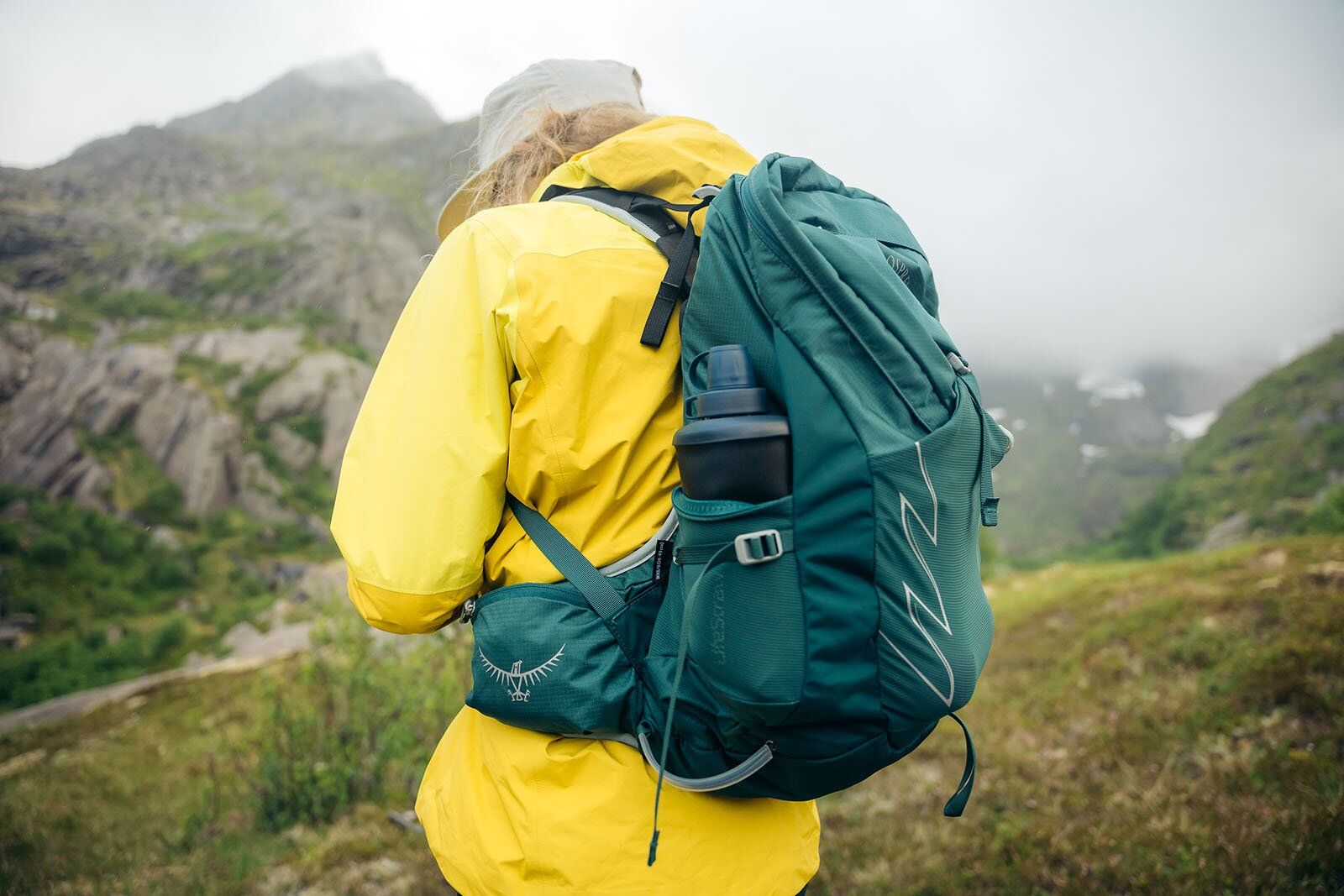
Our organization rating evaluates how much gear a pack can hold and how easily you can access it. High scores go to models that accommodate everything needed for a day hike, including a hydration reservoir or water bottles, snacks, layers, trekking poles or an ice axe, and other essentials. We also prioritize intuitive storage, favoring packs with ample zippered pockets, reservoir sleeves, and shove-it pockets on the sides and back. We’re big fans of front pockets and reward vest-like packs for their on-the-go access. Additionally, we consider versatility—if a pack includes features that make it useful beyond the trail, such as a padded laptop sleeve, we take note. That said, not everyone wants a feature-heavy pack. Some hikers prefer streamlined, minimalist designs, so a lower organization score doesn’t necessarily mean a pack isn’t a great choice—it just depends on your preferences and needs.
These packs feature the full gamut of storage options, ranging from sleeping bag compartments and sleeping pad straps to hipbelt pockets, shove-it pockets, and vest-like storage. Many also include a hydration reservoir pocket that doubles for laptop carry.
No on-the-go access via hipbelt or chest pockets, but an assortment of pockets on the body of the pack.
No on-the-go access and minimal pockets on the body of the pack. Many packs in this range do not include a separate accessories pocket for small items like chapstick, keys and a wallet, and a phone.
While weight may not be your biggest concern on a day hike, carrying a lighter pack can make a difference over longer distances. A pack’s weight also gives insight into its design and intended use: Heavier packs (which score lower in this category) tend to have more structure, support, and higher load capacity—sometimes up to 30 pounds—while lighter packs are often frameless and best suited for minimal loads. Since most hikers don’t carry more than 15 pounds on a typical day hike, we generally prioritize lighter designs in our ratings.
We also consider packability in this category. Some hikers and travelers prefer a pack that can be stuffed into a suitcase or backpacking pack, making stashable models ideal for side trips when basecamping or traveling. The trade-offs for a compressible design often include less padding, lower capacity, and reduced structure. However, running vest-style daypacks can bridge the gap by providing chest-hugging support while eliminating the need for a hipbelt.
These packs weigh under 1.5 pounds. They’re ultralight, super-packable, probably frameless, and are great for travel. You won’t carry any significant weight in them, and their feature sets are often sparse, but their appeal lies in their simplicity.
These daypacks range from 1.5 to about 2.5 pounds. They usually have some type of frame and better storage options than ultralight models. They’re also less compressible than a higher-ranking option.
These models are heavy for a daypack, meaning anything over 2.5 pounds. If you’re looking at this range, consider asking yourself: Do I really just need a backpacking pack?
The main question our durability rating answers is: Will this pack last? Generally, a durable pack is made from thick and sturdy nylon or Dyneema (though some other strong materials are emerging, too) and can withstand the scratches, snags, and sharp surfaces you might encounter on the trail. A less durable pack is made with thinner materials that often translate to a lighter weight (although not in the case of Dyneema). We’re big fans of long-lasting products (one less piece of gear in the landfill!), but not everybody needs a pack that will last a decade of hard use and abuse. If you only get out a few times a year, looking at a lower-rated pack in this category is fine.
These packs might outlast your hiking career. They have thick, hard-wearing materials—Dyneema, or nylon in the 200-denier-and-up range—and feature sturdy zippers and buckles.
These models feature thinner nylon or other materials than the packs above. They’ll probably suffer noticeable abrasions after long, rugged hikes, but you can always keep them going with some gear tape and TLC.
This lack of durability is rare, but a pack at this end of the spectrum will need to be babied. Don’t even think of taking it rock climbing.
You’ll want to think about upping your daypack’s water resistance game if you’re headed out on in inclement or variable conditions. That said, not everyone needs a waterproof pack: Some day hikers only head out during fair weather, and others are willing to employ waterproof stuff sacks or pack liners to protect their gear. What’s more, many packs come with a pack cover (or you can purchase one separately), which gets the job done despite not being the most streamlined option.
Fully waterproof thanks to a waterproof Dyneema composite or polyurethane-coated fabric, or it includes a pack cover.
The pack fabric has an effective durable water-repellent (DWR) finish. A DWR finish causes water to bead up and roll off of the fabric, but it loses its effectiveness over time—especially if dirty—and can be overwhelmed by sustained rain. if you’re headed out in the rain, you’ll want to also use waterproof stuff sacks or a pack liner, or purchase a pack cover separately.
Non-waterproof pack fabrics and no DWR finish.
Our sustainability rating for hiking daypacks takes into account nine different criteria. On the product level, we’re looking for recycled or Bluesign-approved materials and PFAS/PFC-free durable water-repellent finishes. On the brand level, our criteria include whether the company uses responsible manufacturing (often noted by the Fair Trade Certified label), offers repair services, has a dedicated resale or recycling program, uses recycled or reduced packaging, monitors greenhouse gas emissions (commonly measured by the Higg Index), and publishes an annual impact report. We also consider the degree to which our criteria are met; for example, 10% recycled materials is not the same as 100% recycled materials. Note that not every sustainability effort by a brand or product fits neatly into our categories. In these circumstances, we may increase or decrease a rating based on these factors. You can find details on these factors in the sustainability drop-down under each product above.
These hiking daypacks are among the most sustainable on the market and earn our Better Trail Certified distinction. They often meet most of our sustainability criteria for this category.
These hiking daypacks are a good, middle-of-the-pack option for sustainability. They often meet half or more of our criteria for this category.
These hiking daypacks are the least sustainable and have significant room for improvement. They usually only meet about a quarter or less of our criteria.
A versatile daypack is one that seamlessly transitions between different activities—whether you’re hiking, traveling, commuting, biking, or even hitting the crag. These packs strike a balance between weight, comfort, and organization, avoiding overly specialized designs that limit their usability. Features like a hydration/laptop sleeve, streamlined profile (no suspended mesh backpanels here), durable materials, and practical pocket layout make a pack more adaptable to different environments.
Do you need a versatile pack? This depends on how you plan to use your pack. If you primarily hike and don’t mind a more technical design, a hiking-specific pack with a solid suspension and trail-oriented features (like trekking pole attachments, hipbelt pockets, or chest storage) will serve you best. But if you want a pack that works just as well for travel, daily carry, or gym sessions as it does for day hikes, it’s worth looking for something more generalist. Models like the Osprey Daylite Plus, Osprey Talon 22, Gregory Miko 20, and REI Co-op Flash 22 strike a nice balance between trail and town, while others—like the Black Diamond Distance 22 or Hyperlite Elevate 22—lean more into specialized performance.
At the end of the day, the best daypack is the one that matches your lifestyle. If you need a quiver-killer that can handle everything from peak bagging to boarding a plane, go versatile. But if your priorities lie strictly in the mountains, a more purpose-built hiking pack might be the better move.
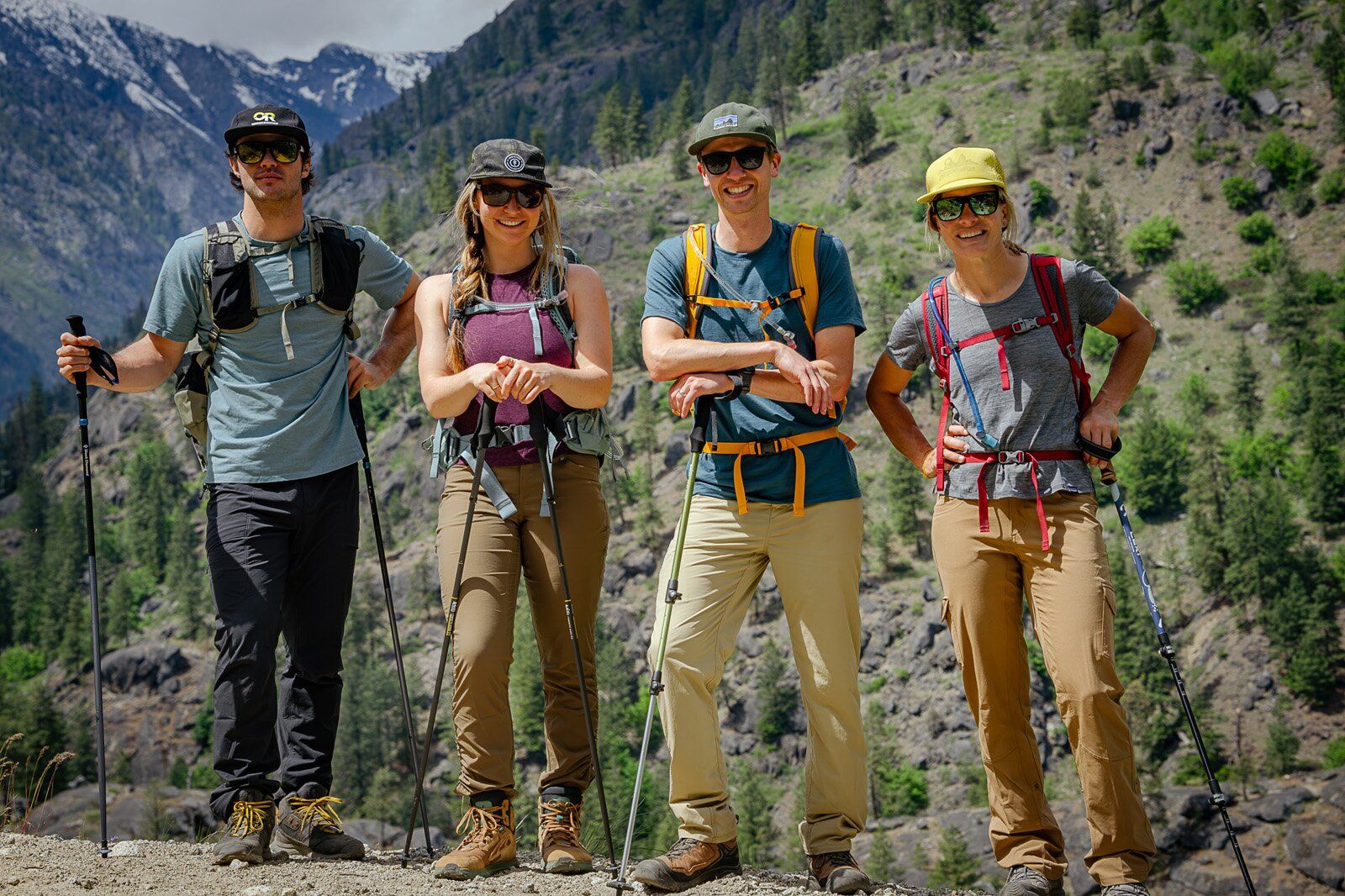
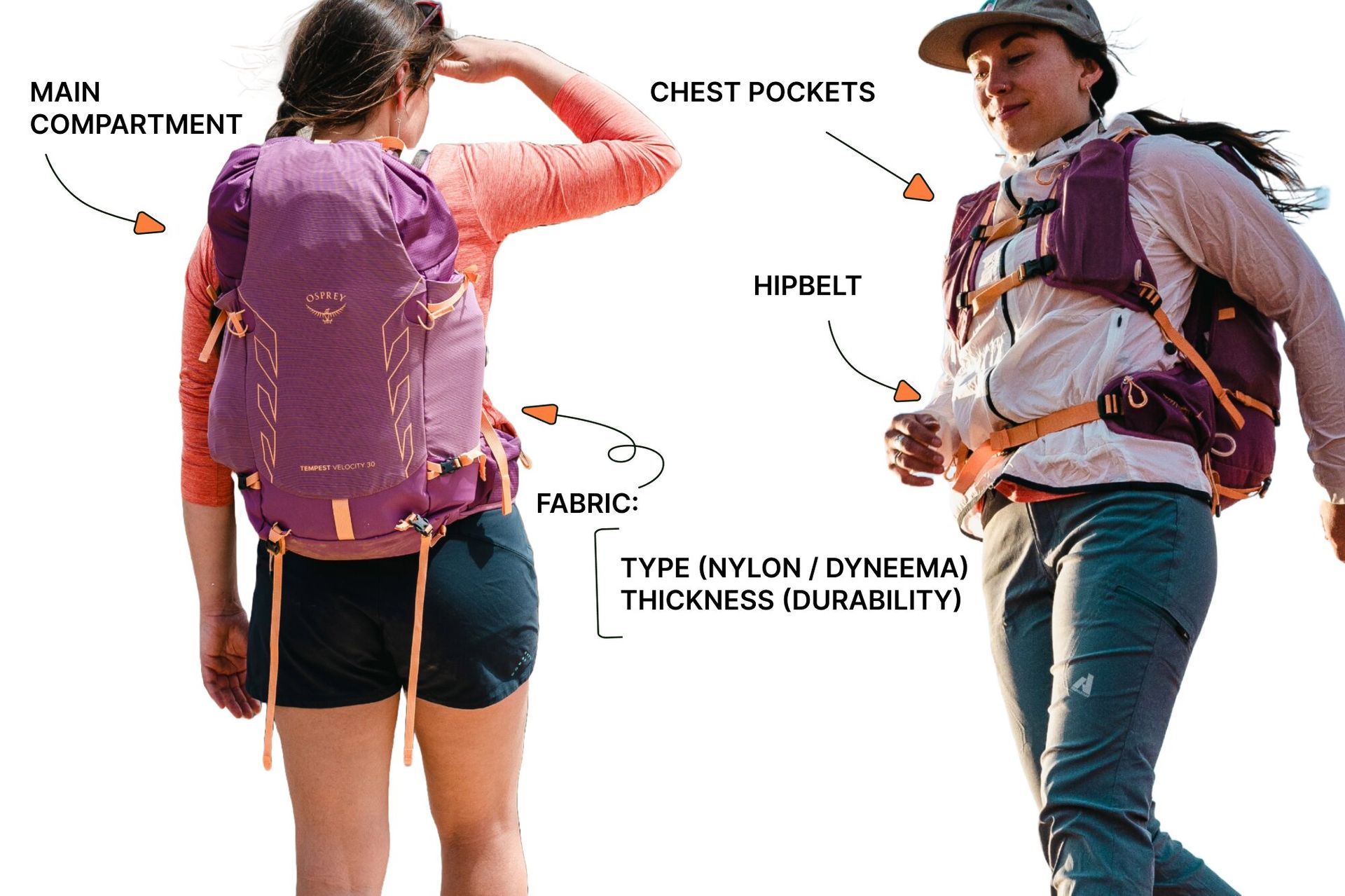
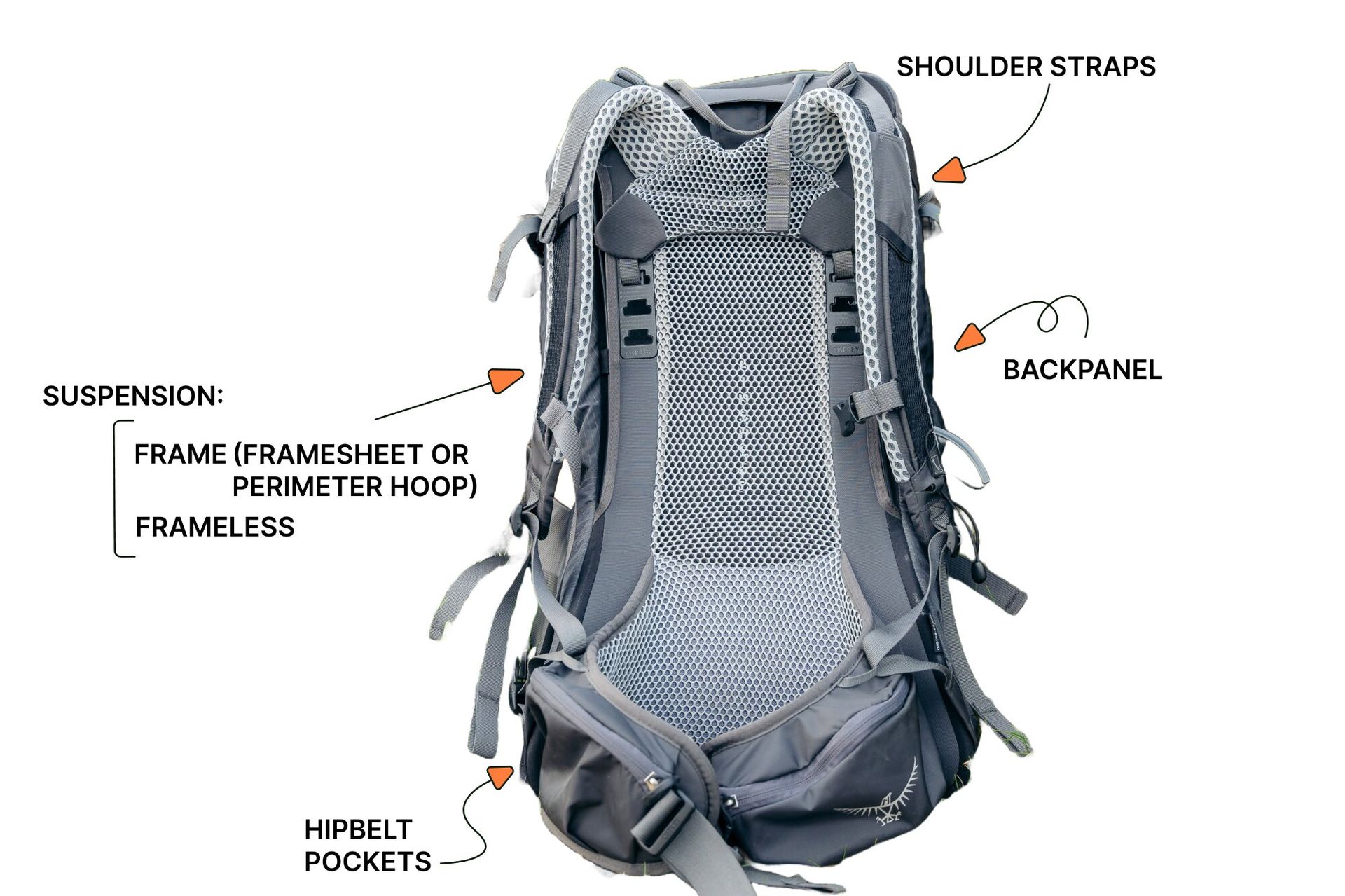
Fabric thickness is measured in "denier" (D), with higher numbers indicating thicker and more durable materials (e.g., 200D nylon is twice as thick as 100D nylon). For example, the Osprey Talon 22 features 100-denier nylon on the main body and a more rugged 420-denier nylon on the bottom to withstand abrasion from frequent contact with the ground. While thicker materials generally add weight, Dyneema is a notable exception—offering exceptional durability at a fraction of the weight (more on that below).
Nylon
Most of the packs we review are made from some type of nylon, a popular choice due to its affordability, slight water resistance, and decent durability. However, not all nylon is created equal. When comparing two nylon packs, check the fabric’s denier to gauge its thickness and durability. You may also come across Cordura nylon, a reinforced version that boosts durability without adding extra weight. Additionally, some nylon fabrics feature a ripstop pattern, which enhances tear resistance by strengthening the fabric’s weave.
Dyneema
Made from ultra-high-molecular-weight polyethylene (UHMWPE), Dyneema is highly regarded in the ultralight community for its impressive strength-to-weight ratio, waterproofing, and durability. Manufacturers claim it’s more than a dozen times stronger than steel, and real-world testing confirms that Dyneema outperforms nylon at lighter weights while also being fully waterproof.
However, Dyneema has its drawbacks—chief among them is cost. To illustrate, the Dyneema Hyperlite Mountain Gear Elevate 22 will cost you $249, while a nylon pack of the same capacity (like the Gregory Miko 20) might run you around $140 or less. For this reason, most entry- and mid-level packs stick with nylon. That said, for ounce-counters and ultralight enthusiasts tackling demanding trips like a thru-hike—or those who simply appreciate high-performance gear that will last for decades—Dyneema’s durability and weather resistance may justify the steep price tag.
To (helpfully) oversimplify, daypacks fall into two categories: framed and frameless. Framed packs like the Osprey Stratos 34 and Manta 24 are bulkier and heavier but excel at carrying weight, thanks to internal support that helps distribute the load evenly across your back and hips. The most common frame types are metal perimeter frames and framesheets—rigid plastic panels that sit behind the backpanel. Some packs, including the Arc’teryx Aerios 35, also incorporate metal or plastic cross-stays for additional reinforcement. Beyond support, a frame adds structure, preventing the pack from sagging when underfilled or bulging awkwardly when overstuffed.
Many daypacks, however, are frameless since they aren’t meant for heavy loads. Instead, they often feature a stiffened foam backpanel for some support—or, in the case of ultralight models, a very thin backpanel that can double as a sit pad (as seen in the REI Co-op Flash 22). While frameless packs shave off weight, they require careful packing to maintain balance. A lopsided load of just a few pounds can lead to discomfort over a long day on the trail.
Along with the frame, a daypack’s shoulder straps and hipbelt (if it has one) make up its suspension system. While the frame helps distribute the load, the shoulder straps and hipbelt enhance comfort and stability where the pack rests most heavily on your body. These components play a major role in how a pack feels on the trail, making them a key consideration when choosing the right model.
Daypack shoulder straps range from heavily padded and plush to minimalist and barely-there. As a general rule, daypacks feature less padding than backpacking packs, but some models—like the Osprey Stratos 34—still offer a cushioned, supportive feel. Finding the right balance is important, as not everyone wants a heavily padded setup. Trail runners and ultralighters, for example, may prefer the lighter, more breathable straps on packs like the Black Diamond Distance 22. Some modern daypacks borrow from the trail running world, incorporating a chest harness that functions like a running vest. These body-hugging designs minimize bounce—great for fast-moving adventures—and provide quick access to snacks and water.
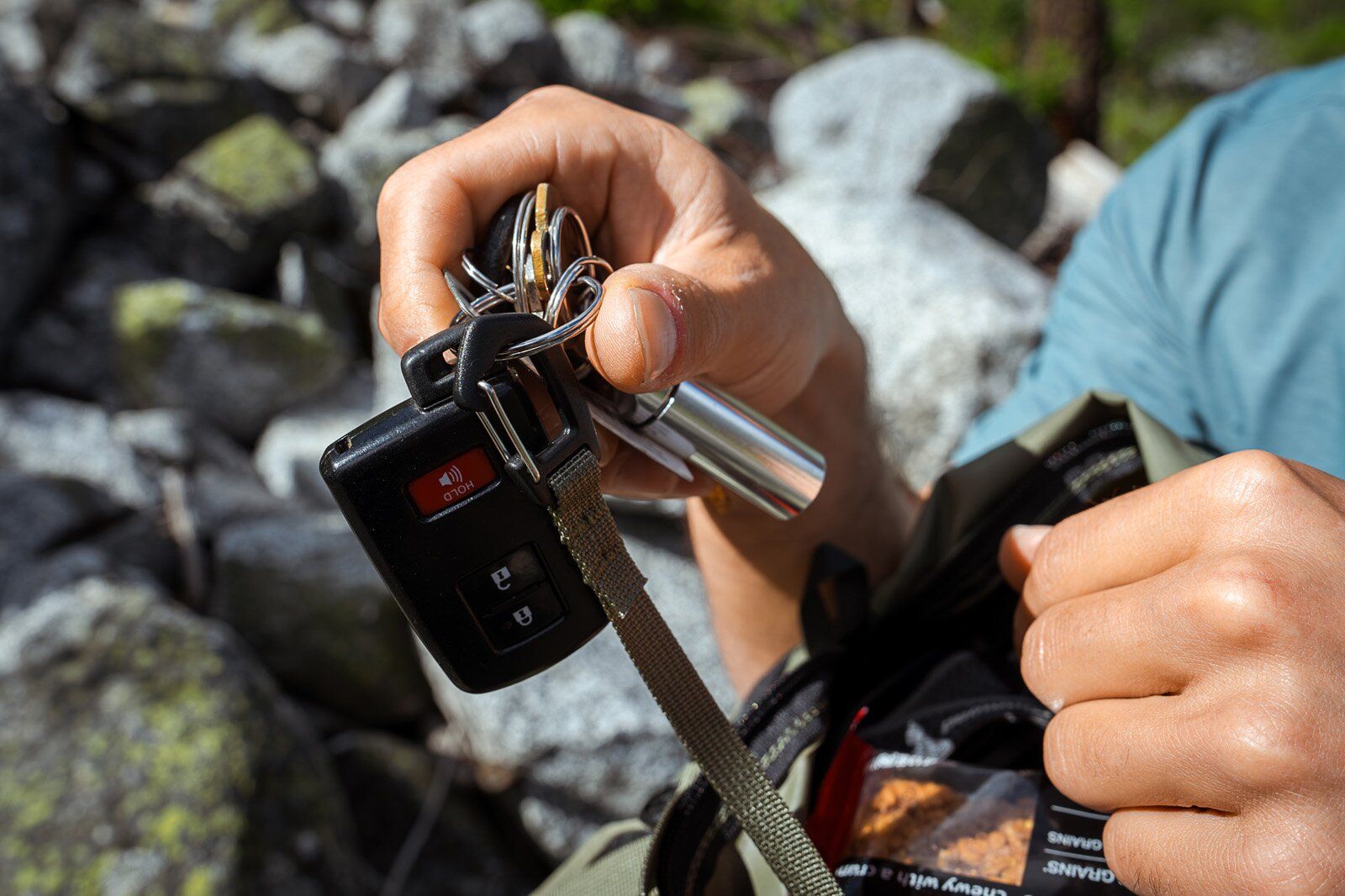
Hipbelts become increasingly valuable as your load creeps past 10 pounds. They help stabilize the pack and shift weight from the shoulders to the more capable hips, improving comfort on longer hikes. Many hipbelts feature zippered pockets for easy-access storage—like those of the Osprey Talon 22—while others resemble climbing harnesses with gear loops. Like shoulder straps, hipbelts vary in padding, ranging from cushioned designs to simple webbing straps (reference the Deuter Speed Lite 21 or Osprey Daylite Plus). The latter provides little support and is best suited for packs under 20 liters.
The backpanel is the part of the pack that rests against your back, playing a crucial role in both support and comfort. A well-designed backpanel provides structure—often reinforced with a frame or stiffened with foam—and helps shield your back from pointy objects inside the main compartment. Different packs use varying amounts of foam and rigidity, so the feel of one backpanel can differ significantly from another. Choosing the right balance is key—a sore back is no fun, but neither is an overly bulky pack when you’re trying to move quickly down the trail.
Ventilation is another important factor. Some packs, like the Osprey Manta 24, feature a “trampoline-style” backpanel with tensioned mesh suspended from an external metal frame. This design increases airflow and prevents the main compartment from pressing directly against your back, making it a great option for hikers who run hot or frequently trek in warm environments. No pack will eliminate sweat entirely, but some do a much better job of keeping it manageable.
The main compartment is the largest storage area in your pack, typically accessed via a top zipper, drawstring, or roll-top closure. It’s where you’ll stash bulkier essentials like extra layers, food containers, and a hydration reservoir. Many packs, including the Gregory Zulu 24 LT, include an internal reservoir sleeve with a port for threading a hydration hose over one of the shoulder straps, making it easy to stay hydrated on the go.
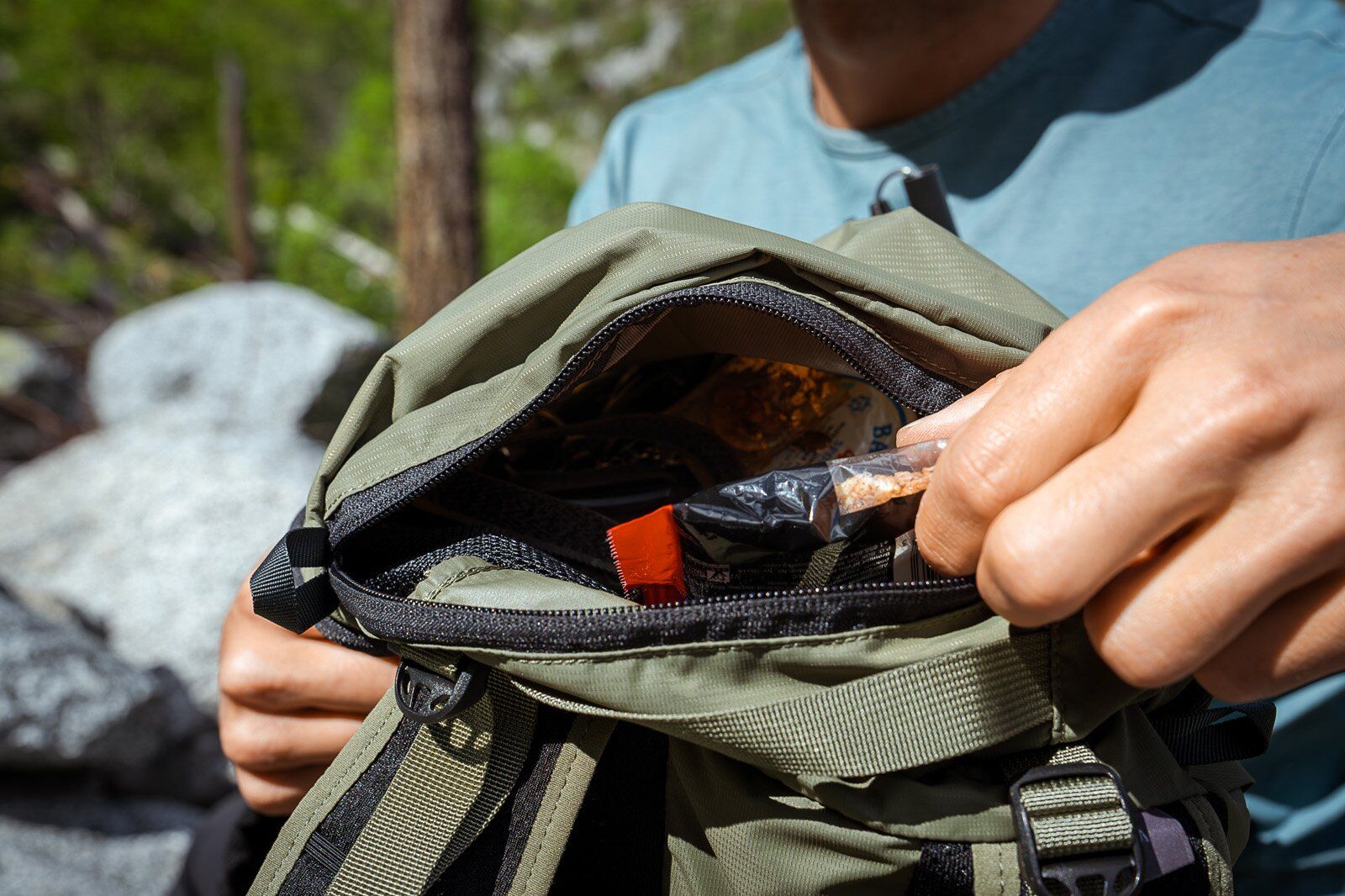
Some main compartments also have internal pockets for organizing smaller items like keys, a wallet, or a map, preventing them from getting lost in the depths of your pack. Others feature multiple access points—such as side or bottom zippers—allowing you to reach gear buried in the middle or bottom without unpacking everything else (the Ultimate Direction Fastpack 20, for example, features a full side external zip). These design elements can make a big difference in convenience, especially on longer hikes or more technical outings.
Hipbelt pockets offer some of the quickest access to essentials while hiking—second only to the chest harness pockets found on running vest-style packs (which we’ll cover below). Most are zippered to keep items secure, though some, like the Arc’teryx Aerios 35, feature an elastic sleeve instead. These pockets are typically roomy enough for snacks, chapstick, and, in many cases, a phone. While we’re big fans of hipbelt pockets for on-the-go access, they can add bulk, making them less ideal for travel or everyday use.
Taking cues from running vests, some daypacks incorporate storage along their chest straps, typically in the form of mesh pouches or zippered pockets large enough for a phone or keys. Well-designed front storage—like that on the Black Diamond Distance 22—can hold soft flasks, a full day’s worth of snacks, and even bear spray. However, not all chest pockets are created equal. The Distance leads the pack in functionality, while models like the Nemo Resolve, Mystery Ranch Gallagator, and Ultimate Direction Fastpack leave room for improvement.
Daypacks come with a variety of storage options, and it’s worth considering which features best suit your needs. Key elements to look for include an internal laptop sleeve, a stretchy shove-it pocket on the back for quick-access layers or gear, a zippered compartment for securing keys and small essentials, and spacious side pockets that can securely hold a Nalgene or other water bottles.
An ill-fitting backpack can turn even a short hike into a painful experience—especially if you're covering long miles or carrying more than 10 pounds. Many daypacks (like the Osprey Daylite Plus and Gregory Miko 20) are one-size-fits-all, but performance-oriented models often come in two or three sizes for a more tailored fit (plus-size options are also available in some popular packs). Some packs also feature an adjustable torso length, allowing for fine-tuning after purchase. If you're on the taller or shorter end of the spectrum—or plan to share your pack with others—look for a model with this feature.
Before selecting a size, it's important to measure your torso and hip circumference. To measure your torso length, bow your head and locate the bony bump at the base of your neck—this is your C7 vertebra. Then, place your hands on your hip bones and follow them around to where they meet your spine—this is your iliac crest. Standing straight, have a friend measure the distance between these two points. Voilà: your torso length. For hip circumference, wrap a tape measure around the top of your hip bones at that same iliac crest point.
Once you have your pack, put it on and adjust it properly. Start by tightening the hipbelt so that most of the weight rests on your hips. Then, snug the shoulder straps so the pack is close to your body. Next, pull the load lifters—the straps connecting the top of the pack to the shoulder straps—past your ears on both sides. The angle of the load lifters should be about 45 degrees—more or less, and you’ll want to adjust the torso length. For running vest-style harnesses like that of the Black Diamond Distance 22, adjust the horizontal straps so they’re secure but not restrictive.
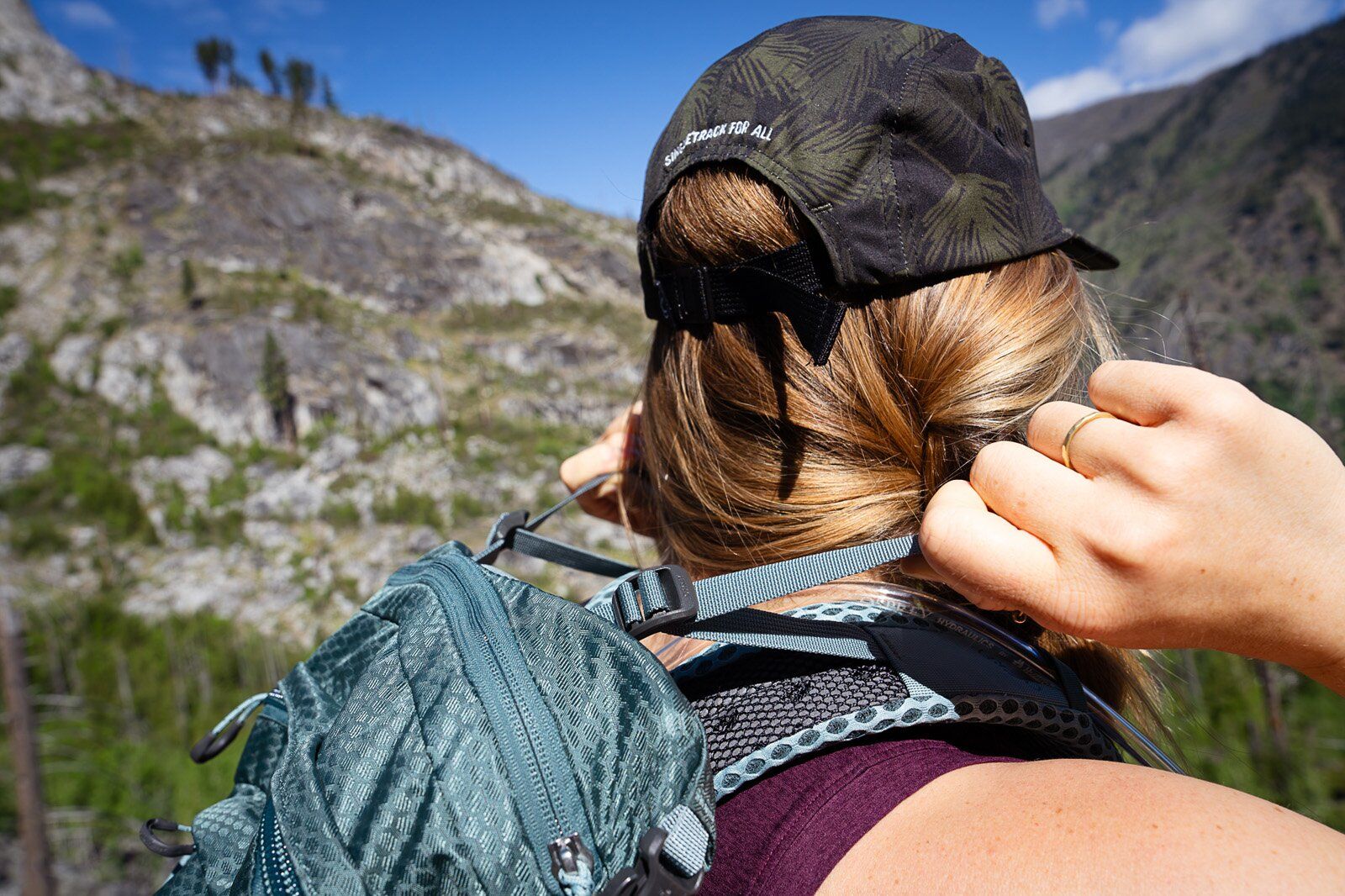
Daypacks typically range from 15 to 35 liters. Anything smaller pushes into running vest territory, requiring an ultralight approach. On the other end, packs over 35 liters start resembling backpacking rigs, which are often overkill for single-day outings. The ideal size for you depends on what you bring and how you like to adventure. If you’re a maximalist who packs snacks for the whole crew and layers for every weather possibility, you’ll probably want something on the larger end.If going fast and light is more your speed (literally), you can likely get by with a 15- to 20-liter pack.
Your activity choice also plays a role. Need to squeeze in a double rack of climbing gear along with your essentials? Go big. Want a pack that can double as a trail running companion? A smaller, vest-style model is the move. When in doubt, we recommend sizing up—a little extra space is usually more useful than struggling to fit everything into an undersized pack. Plus, none of the models in this guide are so bulky or heavy that a few extra liters will weigh you down.
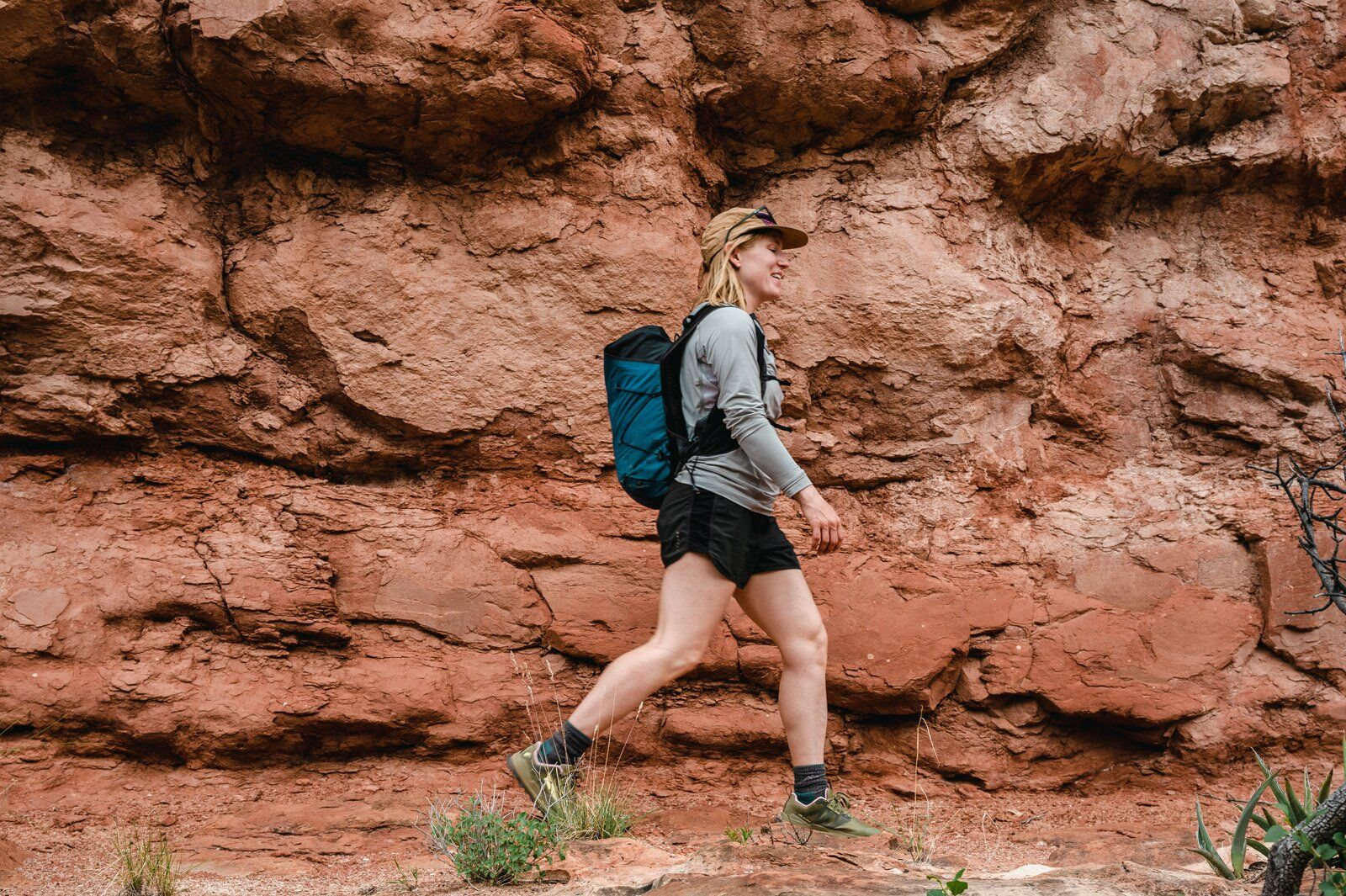
Daypacks span a wide price range, from budget-friendly $50 models to premium options well over $250. The key differences come down to comfort, support, weight, and storage features. If you only hit the trail for short, occasional hikes, there’s no need to spend top dollar. But if you regularly log long days in the mountains—especially with a heavier load or a fast-moving style—investing in a higher-end pack can make a world of difference in comfort and durability.
To illustrate, here’s a tale of two daypacks: the REI Co-op Flash 22 ($60) and the Black Diamond Distance 22 ($220). Both have roughly the same volume and weight, but the Distance is a specialized alpine pack with a running vest-style harness, technical storage, and a dialed-in fit—perfect for big objectives and fast-moving adventures. Despite its small size and low weight, it’s surprisingly comfortable and offers storage options that help keep you moving on the trail. The Flash 22, on the other hand, is a no-frills, ultralight pack that works fine for casual hikes but lacks the structure, comfort, and durability for more ambitious outings. Like the Distance, though, it packs down small, making it useful as a secondary pack on backcountry trips. The takeaway? Choose a pack that aligns with how often and how seriously you hit the trail—spending more can be well worth it for performance and longevity.
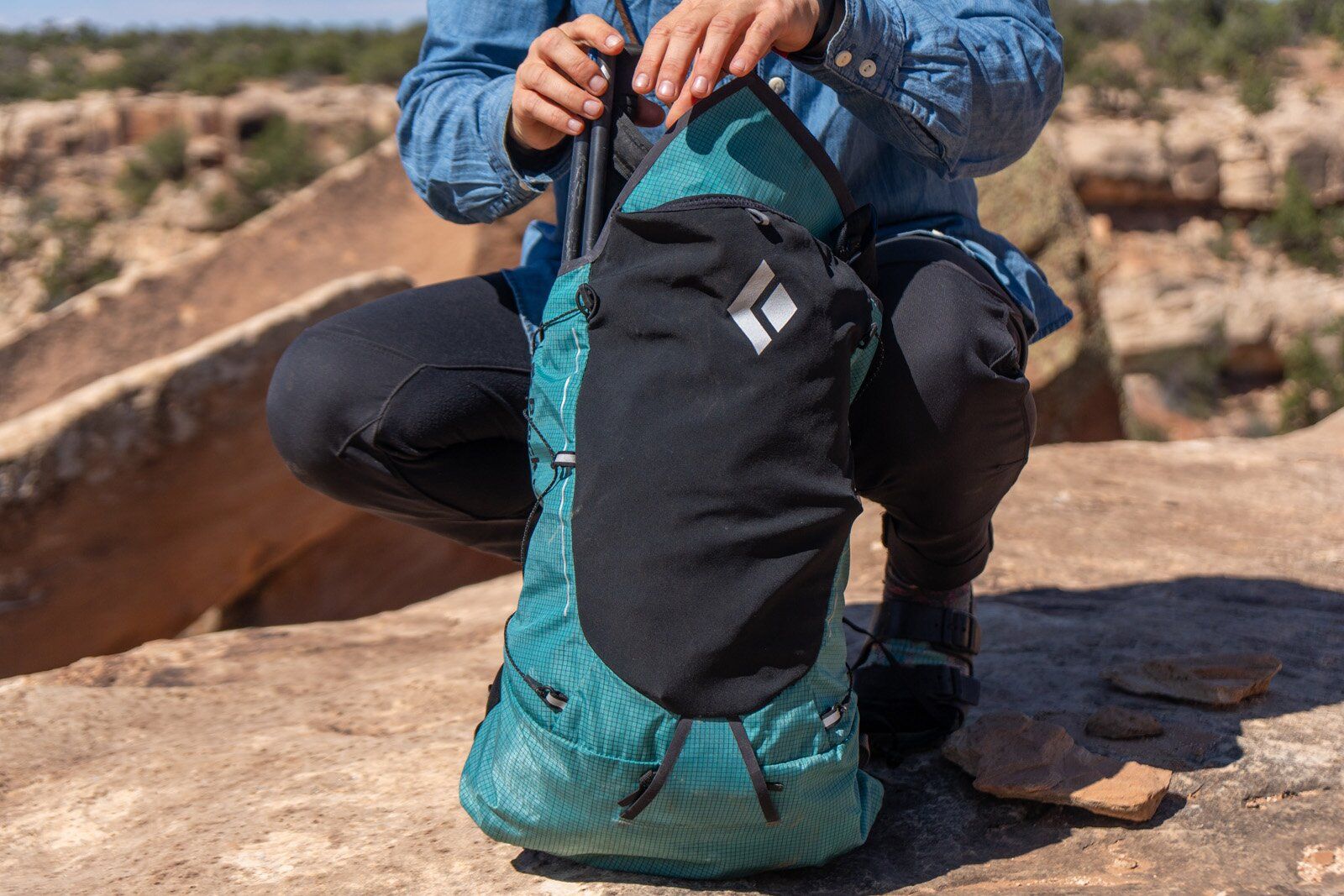
The key question here is: How much weight do you typically carry on your day hikes? If your load stays under 15 pounds, a well-packed frameless pack should be sufficient. However, if you're hauling camera gear, extra water, or other heavy items, a frame can help distribute the weight more evenly and improve comfort. Framed packs can also feature suspended mesh backpanels that boost ventilation for those who run warm. Keep in mind that a framed pack will be heavier and bulkier (not ideal for packing into a backpacking pack or duffel), but the added structure can make a significant difference over long miles.
If you’re deciding between a traditional daypack and a modern running vest-style pack with front storage, start by assessing your goals. We recommend running vest-style packs (like the Black Diamond Distance 22 and Osprey Talon/Tempest Velocity 30) for those tackling more ambitious outings—their body-hugging fit is ideal for stretches of running or scrambling, and the easy-access storage keeps essentials like snacks, water, and your phone within reach. Even if you don’t plan on moving quickly, the convenience of front storage can be a game-changer on long days. The Distance 22 is a standout if you plan to mix in a fair amount of running (read our Distance 22 review), while the Talon/Tempest 30 leans more into fastpacking (see our Tempest Velocity 30 review).
On the other hand, if you prefer a more relaxed pace or enjoy and excuse to stop and smell the columbines, you probably don’t need the front storage of a running vest-style pack. The simpler design of traditional daypacks is often better suited for casual hikes and easy trail strolls, and they also tend to be more versatile for travel and everyday use.

Look for a lightweight, frameless pack with minimal padding—these models pack down small and are the easiest to stash in a backpacking pack, often weighing under a pound. The REI Co-op Flash 22 or the even-lighter Flash 18 are solid choices: streamlined, packable, and budget-friendly. However, packs like the Flash aren’t particularly technical—they’re not designed for heavy loads, lack a refined fit, and offer limited accessible storage. If your trip involves a rocky summit scramble or speed-focused objective, we’d recommend a more specialized option like the Black Diamond Distance series.
We’re glad you asked. Our sustainability team conducted a deep dive into this category and identified ten key criteria for evaluating hiking daypacks at both the product and brand levels. Impressively, the Deuter Speed Lite 21 met all ten, with only slight deductions in the reduced and recycled packaging, carbon footprint tracking, and longevity categories. In addition, Nemo's new Resolve Endless Promise earned a similar score and is a standout in terms of longevity. Impressively, the pack is designed to be fully recycled into new gear at the end of its life (by returning it into Nemo). Beyond the Speed Lite and Resolve, several other packs in our guide—including models from REI, Osprey, and Gregory—score 4 out of 5 or better in sustainability. Every product on Better Trail undergoes a full sustainability analysis, and you can use our “Sort By: Sustainability” tool at the top of this guide to see how they stack up.
Daypacks can pull double duty for backpacking, but only if you're an experienced ultralighter or heading out for a short overnight trip. A 30-liter pack with a supportive frame is ideal, and you’ll need to keep your sleeping and cooking gear as compact and lightweight as possible. Some packs, like the Osprey Stratos 34, even include features like a dedicated sleeping bag compartment to accommodate minimalist backpacking setups.
For those willing to go truly minimalist—think sleeping quilt, tarp (or no shelter at all), and no stove—you might even get away with something smaller. A member of the Better Trail team has used the Black Diamond Distance 22 extensively for fast-and-light two-day trips (see our review of the Distance 22). However, most hikers will find that a dedicated backpacking pack offers better support, comfort, and capacity for overnight adventures.
Most daypacks are designed to carry 10-15 pounds comfortably. Frameless packs like the REI Co-op Flash 22 or Deuter Speed Lite 21 typically max out around 15 pounds, while framed models with robust hipbelts (the Gregory Zulu 24 LT, for one) can handle up to 25 to 30 pounds. Beyond that, you’ll want a full-fledged backpacking pack for better support. For our recommendations, see our guide to the best backpacking backpacks.
It comes down to personal preference. A hydration sleeve keeps a reservoir secure and allows for convenient, on-the-go drinking, which can help you stay more consistently hydrated. However, reservoirs can be a hassle to refill on the trail, and some hikers find cleaning and maintenance tedious. Water bottles, on the other hand, have a more casual vibe and are easy to fill up on the go. They don’t offer the hands-free convenience of a reservoir, but many daypacks have side pockets designed for easy bottle access without removing the pack. We generally find that hydration bladders encourage more frequent drinking (never a bad thing!), but prefer packs that accommodate both options for maximum flexibility.
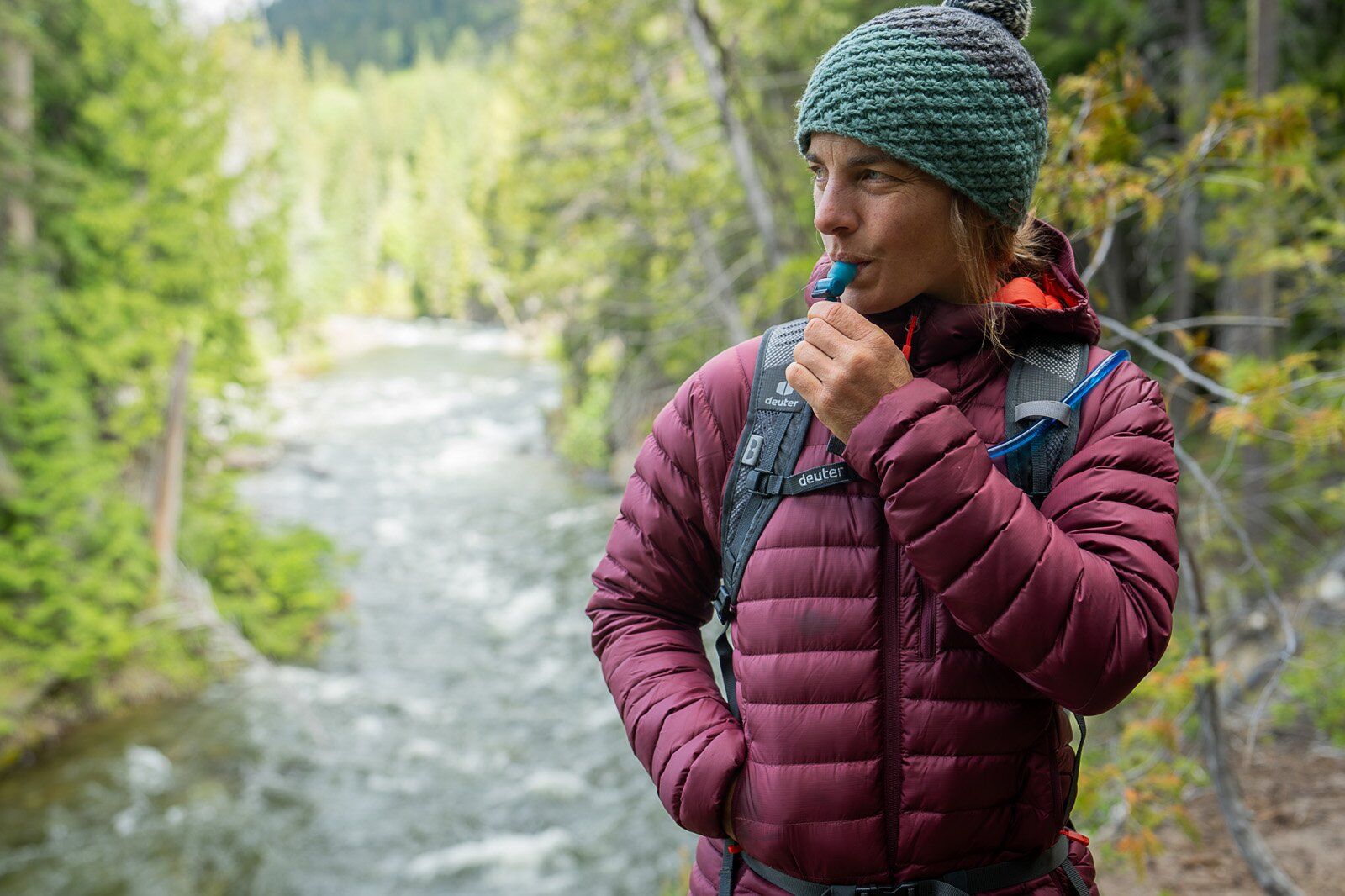
A hipbelt isn’t essential for light loads (under 10–12 lb.), as that weight alone won’t overburden your shoulders. However, many small packs include a webbing hipbelt, which helps stabilize the load but does little to reduce strain. If you’re carrying more weight, a padded hipbelt becomes far more important, as it shifts the load onto your hips for better support and comfort. We also appreciate the added storage that many hipbelts offer, providing quick access to essentials like snacks, chapstick, and your phone.
hit the trail

Gear Guide
Best Hiking Pants of 2025
Gear Guide
Best Trekking Poles of 2025
Gear Guide
Best Backpacking Backpacks of 2025
Gear Guide
Best Hiking Shoes of 2025
Gear Guide
Best Hiking Boots of 2025
Gear Guide
Best Down Jackets of 2025
Gear Guide
Best Rain Jackets of 2025
Adventure
Mt. Waddington, Human-Powered